

The Family CFO’s Guide to Automating Your Finances: Build Wealth Without the Stress
Are you tired of feeling like your paycheck is playing a game of hide-and-seek? One minute it’s there, and the next, it’s vanished into a whirlwind of bills, groceries, and "where did that go?" moments! Well, pull up a chair and pour yourself some sweet tea, because we are fixin’ to change all that.
Being the Family CFO isn't just about balancing a checkbook; it’s about taking the reins of your future. We’ve talked about mastering the family budget and why your home needs a leader, but today, we’re leveling up. We are talking about automation. This isn't just a tech buzzword; it is the ultimate act of self care for women who are juggling all the things! By setting up a "money flow" on autopilot, you stop reacting to your finances and start building a legacy.
Automation: The Secret Sauce of Personal Development
Most folks think building wealth requires a math degree and hours of staring at spreadsheets. Nope! It actually requires a system that works while you’re sleeping, carpooling, or finally catching that Sunday afternoon nap. Automation is one of the best time management tips I can give you. It moves the "decision-making" off your plate so you can focus on what matters most: your faith, your family, and your peace of mind.
When you automate, you aren't just paying bills; you’re investing in your own personal development. You’re training yourself to be a steward of your blessings without the monthly panic of "did I pay the electric bill?"

Step 1: The Blueprint for Budgeting for Beginners
Before we flip the switch on automation, we need a map. If you’re just starting out, don’t let the word "budget" scare you off! Budgeting for beginners is simply giving every dollar a job before it hits your account.
Grab our Free Finance and Self Care Planner: it’s the perfect financial planner to help you map out your income and expenses.
- List Your Fixed Costs: Mortgage, insurance, utilities, and that gym membership you swear you’re going to use.
- Identify Your Goals: Are you saving for a new home? A family vacation to the Gulf? Your retirement?
- Track Your Flow: Use the planner to see where your money is currently going. You can't automate a mess, so let's get it organized first!
Step 2: Set Up Your "Hub and Spoke" System
Think of your main checking account as the "Hub." This is where your direct deposit lands. From here, we want the money to flow out like "Spokes" to specialized accounts. This structure keeps you from accidentally spending the mortgage money on a Target run!
- The Hub (Primary Checking): Salary lands here.
- The Bills Account: A separate checking account just for those fixed recurring bills.
- The Emergency Fund: A high-yield savings account that stays tucked away for a rainy day.
- The Wealth Bucket: Your investment and retirement accounts.
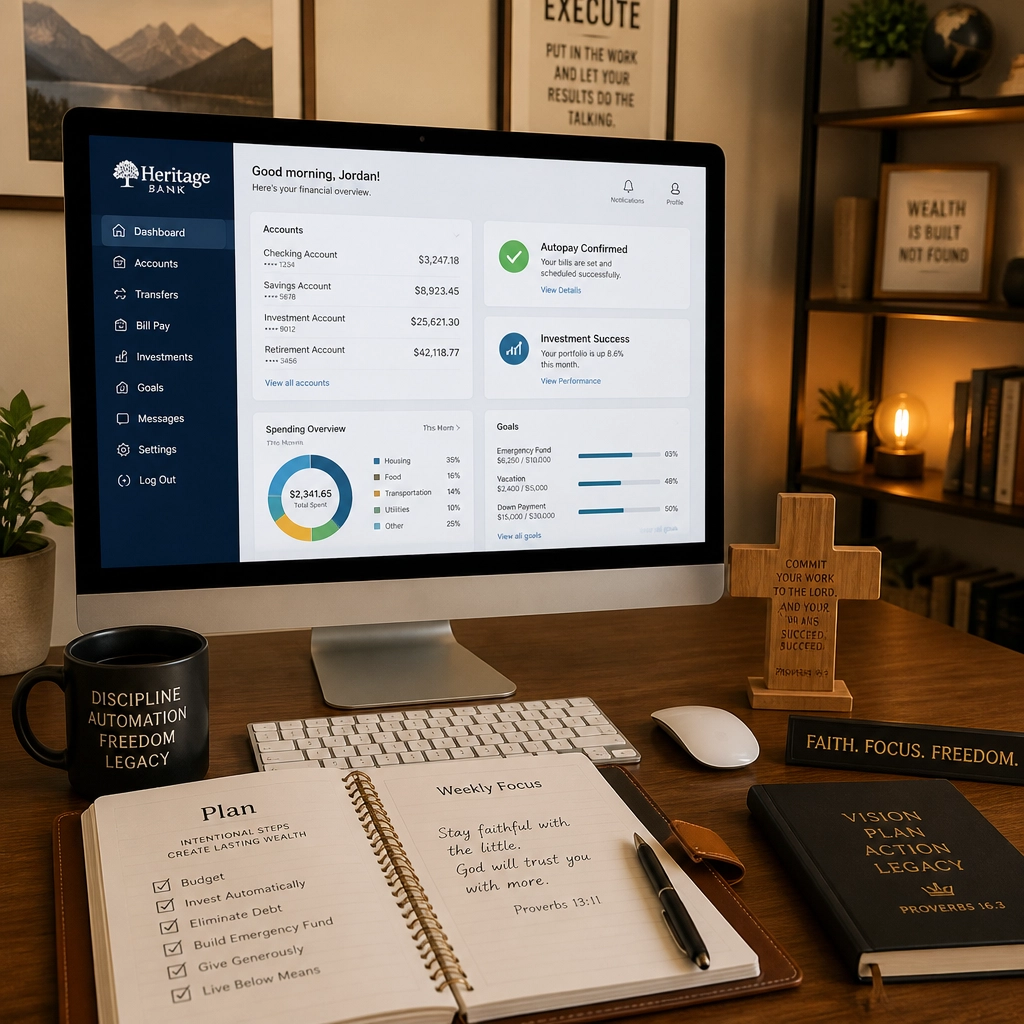
Step 3: Automate the Flow (The Fun Part!)
Now, let’s get those systems running! This is where you reclaim your time and lower your stress levels.
1. Direct Deposit Routing
Don't wait until you see the money to save it. Set up your direct deposit at work to split your paycheck automatically. Have a portion go straight to your savings or emergency fund. If you never see it in your checking account, you won't miss it!
2. Autopay Everything
Log into your service providers (water, power, internet) and turn on Autopay. Link these to your dedicated Bills Account. This ensures you never pay a late fee again. That’s more money in your pocket for building wealth!
3. Systematic Investing
This is how you grow your nest egg on autopilot. Set up a recurring transfer to your investment account: even if it’s just $50 a month to start. Whether it’s a 401k or a Roth IRA, consistency is the key to long-term success.
4. The "Pay Yourself First" Transfer
Schedule an automatic transfer from your Hub to your Emergency Fund every single payday. Treat this like a bill you must pay. This is essential for anyone working from home or building a business!

Step 4: The Monthly "Money Date"
Automation doesn't mean "set it and forget it" forever. It means "set it and monitor it." As the Family CFO, you need to check in.
Schedule a 20-minute Money Date once a month. Grab your financial planner, sit down with your spouse (or a trusted friend if you’re a single mama), and review the numbers.
- Did all the autopays go through?
- Are we on track for our savings goals?
- Do we need to adjust our spending in certain areas?
Using time-blocking productivity techniques for these check-ins ensures they actually happen and don't become a source of dread.
You’ve Got This, Mama!
Taking control of your finances is one of the most empowering things you can do. Whether you are a traditional family or a single mom working hard to provide, you deserve the peace that comes with a solid financial foundation.
Stop letting money be a source of stress and start letting it be a tool for your dreams! Automating your finances isn't just about the numbers; it’s about creating the life you were meant to live: one where you are in control and your family is thriving.
Ready to start your journey? Download our Free Finance and Self Care Planner today and let’s get those finances working for you!

Don’t wait for "someday" to start building wealth. Start today. You’re fixin’ to be the most organized Family CFO on the block!
Want a little more help with this? The Money Mindset covers the thinking behind the automation, not just the setup.