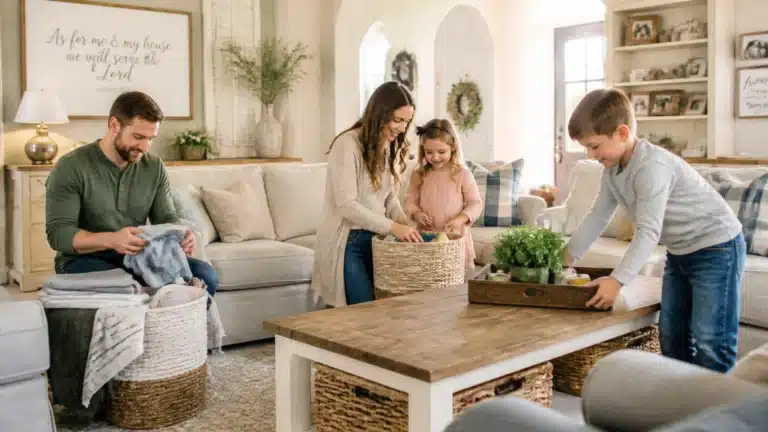

How Intentional Parenting Teaches Kids Responsibility (Without the Power Struggles)
Y'all, parenting is hard work. It's the most rewarding job we’ll ever have, but goodness, it can be exhausting! We’ve all been there, standing in the middle of a messy living room, sounding like a broken record. "Pick up your shoes!" "Did you finish your homework?" "Why is there a half-eaten apple under the sofa?"
It feels like a constant tug-of-war. You want them to be responsible. They want… well, to not do chores. But what if I told y'all that the secret to ending those power struggles isn't more discipline? It’s a mindset shift. It’s called intentional parenting.
What Exactly Is Intentional Parenting?
Intentional parenting isn't about being perfect. Lord knows none of us are! It’s about being proactive instead of reactive. Instead of just putting out fires all day, you’re building a foundation. You’re looking at the long game.
When we focus on intentional parenting, we move away from being the "Household Manager" and start being a "Partner" in our children's growth. We aren't just trying to get the dishwasher loaded; we are trying to raise an adult who knows how to contribute to a home. That shift changes everything!
The Big Shift: From Power Struggles to Partnership
Most power struggles happen because kids feel like they have no control. They are told when to wake up, what to eat, and when to brush their teeth. It’s no wonder they dig their heels in!
Teaching kids responsibility starts with giving them a seat at the table. Literally. When we move to a partnership model, we stop "doing to" our kids and start "working with" them. We give them ownership. When a child feels like they own a task, they are much more likely to follow through without the nagging.
1. The Magic of Family Meetings
If y'all aren't holding family meetings yet, start this week! It is a total game-changer for family life and home management.
A family meeting doesn't have to be a formal boardroom session. Keep it short, 15 to 20 minutes max. Grab some sweet tea, sit on the porch or around the kitchen table, and follow this simple flow:
- Appreciations: Everyone says one thing they appreciate about someone else. "I loved how you helped me find my shoes this morning." It starts things off with a warm heart!
- The Week Ahead: Check the calendar. Who has practice? Who has a test? This helps everyone feel prepared.
- Problem-Solving: This is the big one. Instead of you complaining about the messy entryway, bring it to the meeting. "I’ve noticed shoes are piling up by the door. What ideas do y'all have to fix this?"
- The Plan: Let the kids brainstorm! They might suggest a new shoe rack or a "shoe check" before dinner. When they come up with the solution, they are invested in making it work.
2. Use Natural Consequences (Let Life Be the Teacher)
This is the hardest part for us mamas. We want to rescue them! But when we rescue our kids from every mistake, we are actually stealing a learning opportunity from them.
Natural consequences are the things that happen without any parental intervention.
- Forget your coat? You’ll be cold at recess.
- Don't study for the spelling test? You might not get the grade you wanted.
- Leave your toy in the driveway? It might get rained on or broken.
Instead of lecturing (which kids just tune out anyway!), try empathy. "Oh man, I bet it was chilly at recess without your coat. That’s tough. What’s your plan for tomorrow?"
By staying calm and supportive, you let the consequence do the teaching. You remain the ally, not the enemy! This is a core pillar of intentional parenting.
3. Natural vs. Logical Consequences
Sometimes, a natural consequence isn't safe or appropriate. That’s where logical consequences come in. These are consequences that are directly related to the behavior.
- Related: If they spill juice, they help clean it up. (Don't make them write "I will not spill" 50 times: that's not related!)
- Respectful: No shaming. Just facts. "Since the art supplies weren't put away, we’re going to take a break from paints until tomorrow."
- Reasonable: The "punishment" should fit the "crime."
When consequences are logical, kids understand the "why" behind them. It builds internal responsibility rather than just fear of getting caught.
4. Give Choices Within Boundaries
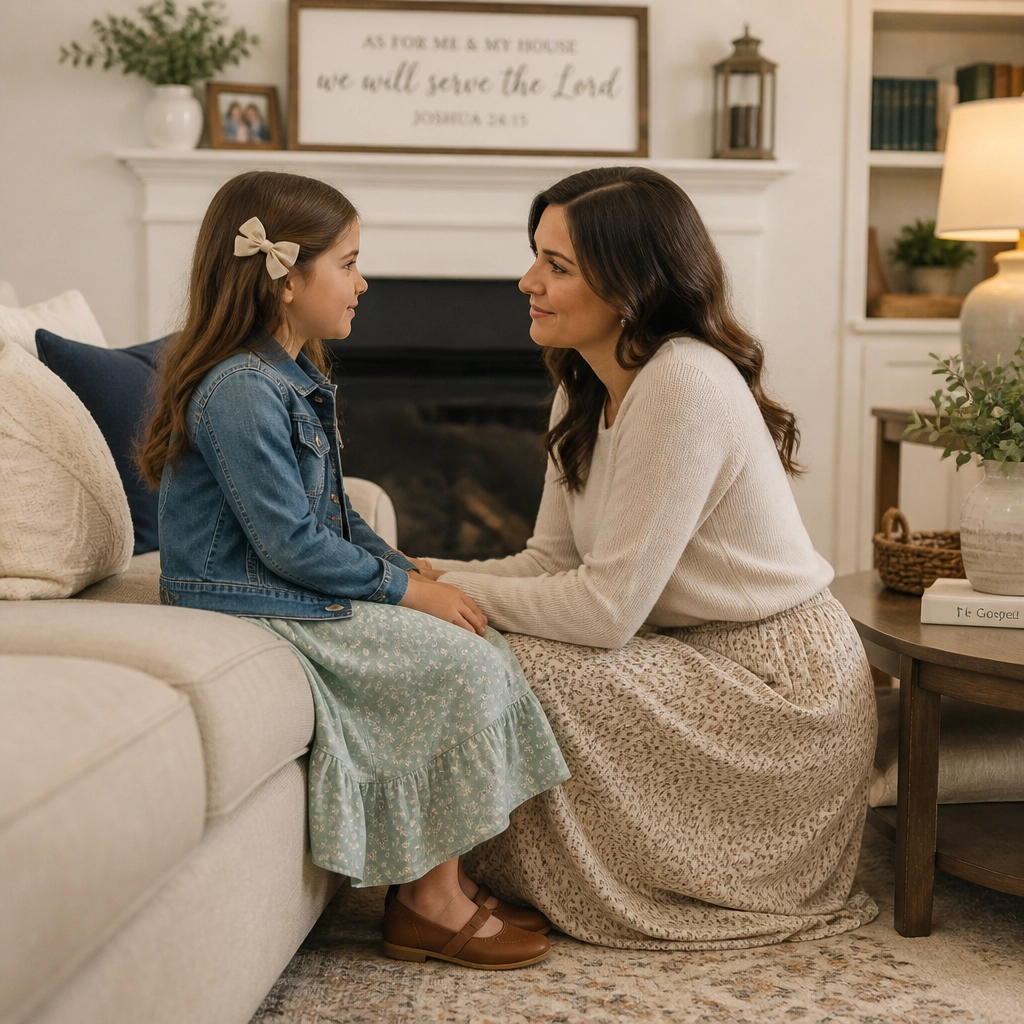
Want to stop the "I don't want to!" battles? Give choices! This gives kids a sense of power while you still keep the boundaries in place.
- "Do you want to do your math homework before or after your snack?"
- "Would you like to fold the towels or the t-shirts?"
- "Are you going to brush your teeth now or in two minutes?"
The result is the same: the work gets done: but the child feels respected. They are practicing making decisions, which is a huge part of teaching kids responsibility.
5. Ask Questions, Don't Give Orders
Shift your language from "Telling" to "Asking."
Instead of: "Go put your backpack away!"
Try: "What’s the plan for your backpack?"
Instead of: "Did you feed the dog?"
Try: "What does the dog need right now?"
This forces their brain to click into gear. They have to think through the steps and take ownership of the task. It turns a command into a thought process!
Staying Sane While You Parent Intentionally
Let’s talk heart-to-heart for a second. Being an intentional parent requires patience. And y'all, we can't be patient if we are running on empty! You cannot pour from an empty cup.
If you are feeling overwhelmed by the schedule, the finances, or the household clutter, it’s time to take control. Our Free Finance and Self Care Planner is a great place to start. It helps you manage the "business" of life so you have the emotional energy to be the intentional parent your kids need.

Summary: Key Takeaways for Intentional Parenting
Building responsibility takes time, but the peace in your home is worth it! Here are the big points to remember:
- Mindset Shift: Move from being a "Boss" to a "Coach."
- Family Meetings: Use them to problem-solve together and build a sense of community.
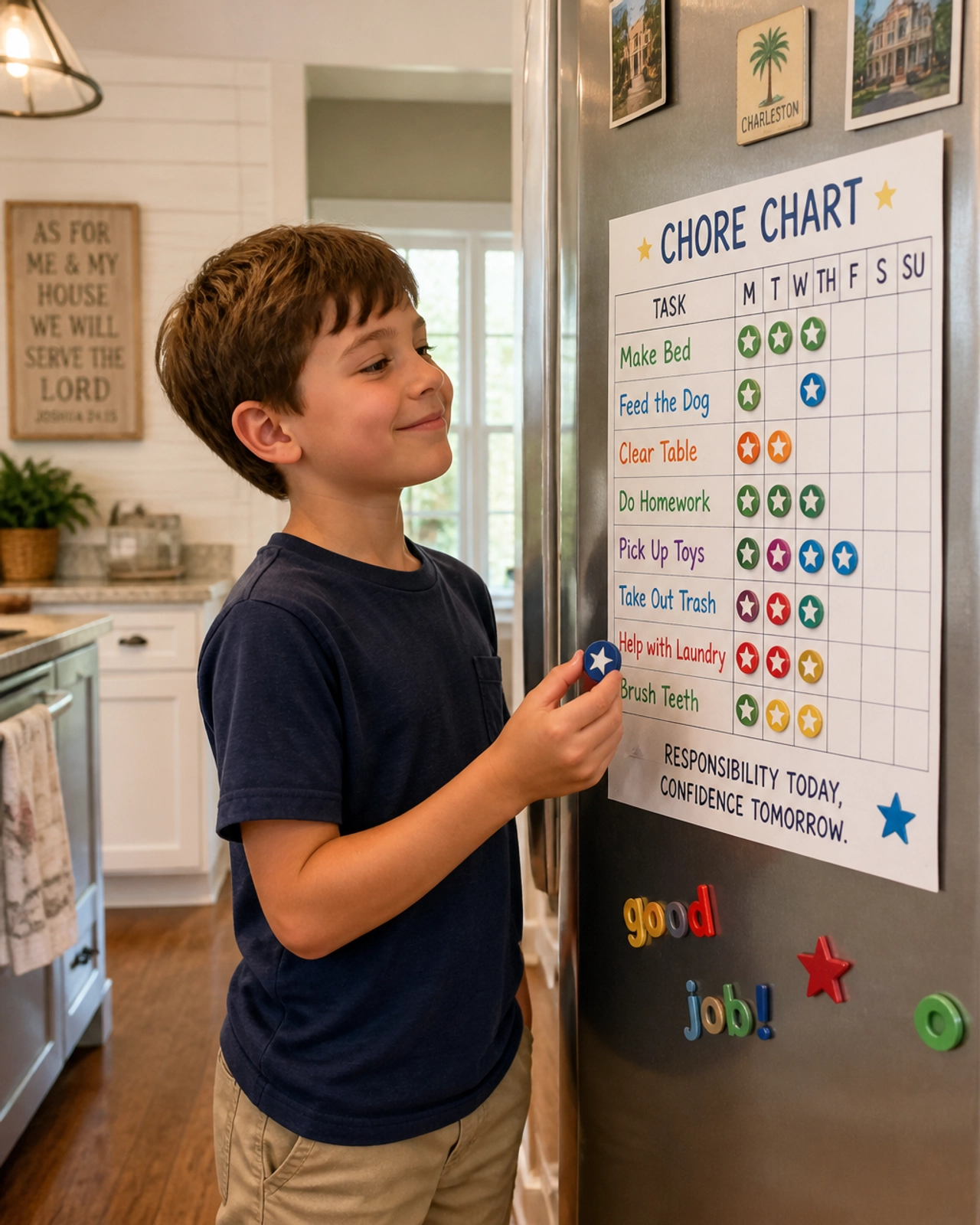
- Ownership: Give kids real tasks that they are fully responsible for.
- Consequences: Let natural consequences do the heavy lifting when safe.
- Choice: Provide boundaries, but let them choose within those limits.
- Empathy: Stay on their team, even when they mess up.
You've Got This!
Raising responsible humans is a marathon, not a sprint. There will be days when you lose your cool and days when they flat-out refuse to cooperate. That’s okay! Every day is a fresh start.
Start small. Maybe this week you just try one family meeting. Or maybe you commit to asking one question instead of giving an order. You’ll be amazed at how quickly the atmosphere in your home begins to change when you lead with intention.
We are in this together, y'all! Go grab that free planner, take a deep breath, and let’s start thriving!
Want a little more help with this? The Chore System Starter sets up age-appropriate jobs so responsibility comes from the routine, not a lecture.