

Intentional Parenting in Action: How Routines and Age-Appropriate Chores Teach Kids Responsibility
Y'all, let's talk about the "holy grail" of a peaceful home. It isn’t a self-cleaning floor or a magic laundry fairy (though wouldn’t that be the dream?). It’s something much more powerful and, thankfully, much more reachable. It’s intentional parenting.
We’ve all been there. You’re trying to balance a work-at-home schedule, manage the family budget, and somehow keep the kids from turning the living room into a wrestling ring. It feels like you're just reacting to life instead of leading it. But here is the good news: you can flip the script! By focusing on teaching kids responsibility through simple rhythms and chores, you aren't just getting help with the dishes. You are building their character. You are raising future adults who know how to show up.
Let’s dive into how we can move from surviving the chaos to thriving as a family!
What is Intentional Parenting, Really?
Forget the Pinterest-perfect images for a second. Intentional parenting isn't about being perfect. It’s about being purposeful. It means making choices today that serve the people you want your children to become tomorrow.
Instead of just barking orders to "clean your room," intentional parenting looks at the "why." We want our kids to value their space. We want them to understand that a family is a team. When we approach parenting with intention, we prioritize connection over control. We aren't just managing behaviors; we are coaching hearts!
It’s about moving from "Because I said so!" to "This is how we care for our home together." It’s a shift in mindset that changes everything.
Routines: The Secret Sauce for Success
Routines aren't just for military barracks. They are the heartbeat of a calm home! Kids crave predictability. When they know what’s coming next, the "power struggles" start to melt away. This is where teaching kids responsibility starts to get easy.
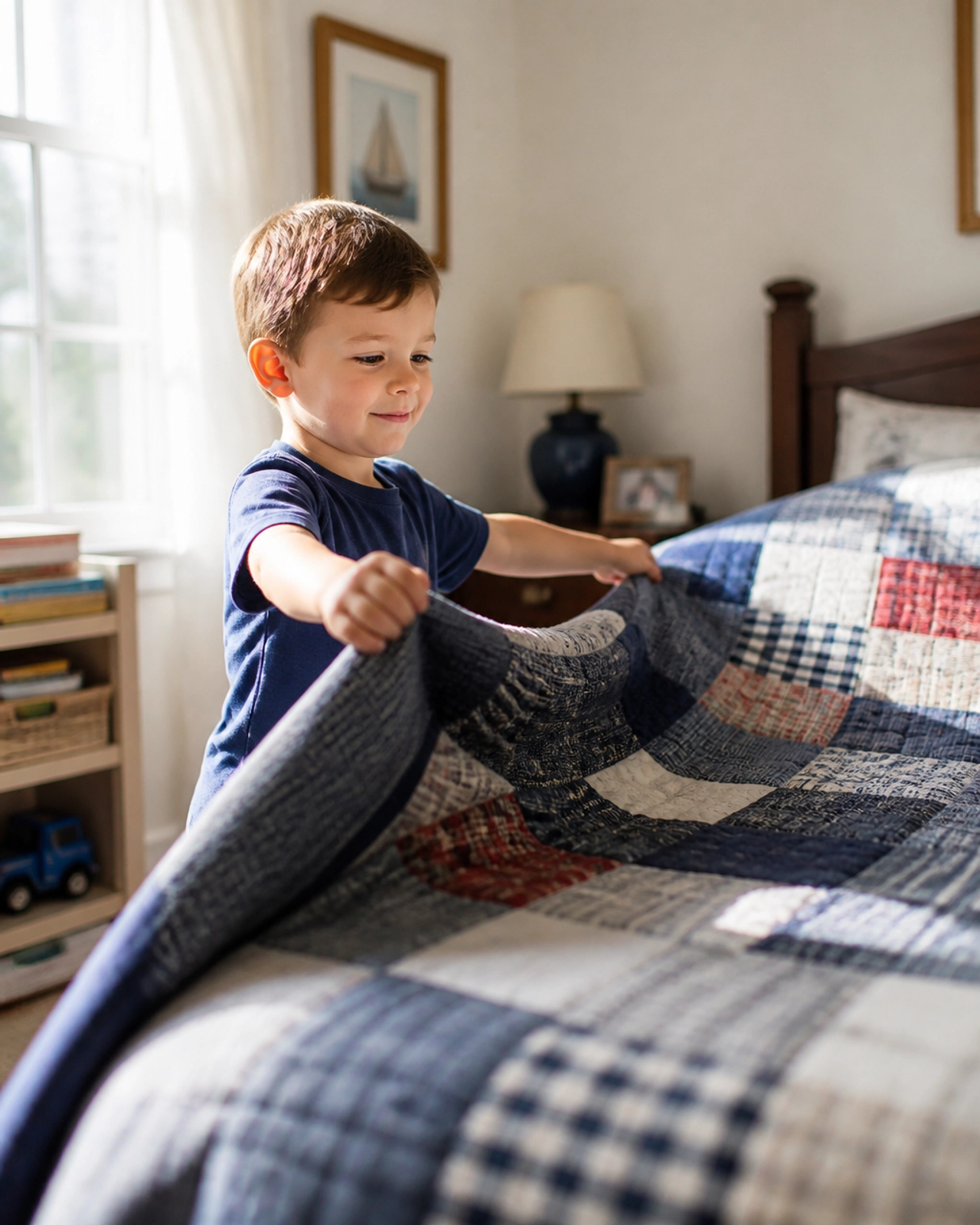
The Morning Rhythm
Don't start your day in a race! Create a simple sequence:
- Make the bed (even if it’s just pulling up the quilt!).
- Get dressed before breakfast.
- Put pajamas in the hamper.
- Clear your own breakfast plate.
The Evening Reset
Help your future self by setting the stage for tomorrow:
- Five-minute toy sweep.
- Pack the school bag by the door.
- Lay out clothes for the morning.
- Gratitude chat: ask, "What’s one thing you’re thankful for today?"
By building these habits, you’re teaching them time-blocking skills without them even realizing it! You’re showing them that small, consistent actions lead to a peaceful life.
The Ultimate Age-Appropriate Chore List
Ready to put them to work? Good! Because teaching kids responsibility is a gift you give to them. It builds confidence! It says, "You are capable, and you are a vital part of this family."
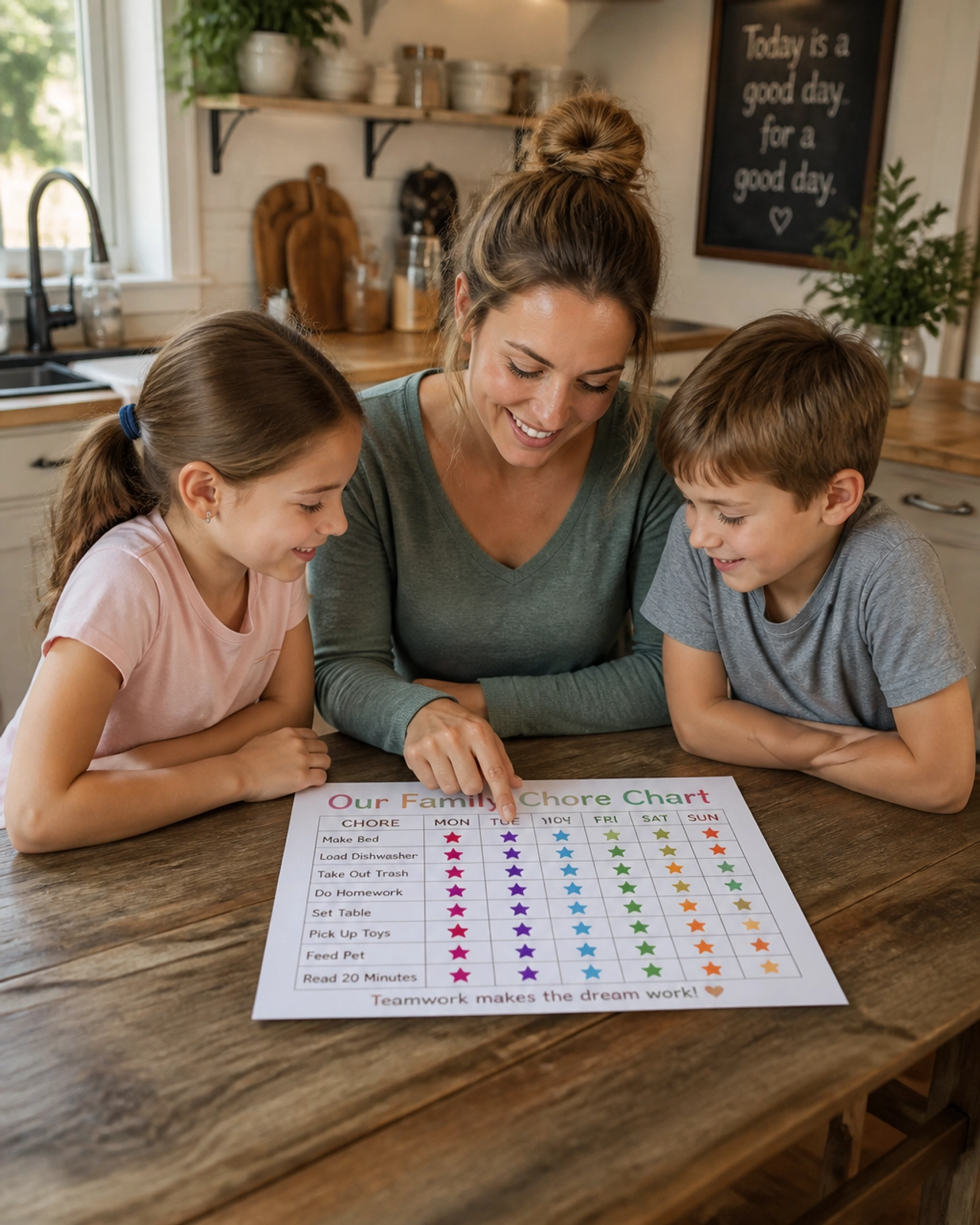
Here is a breakdown of what your crew can handle:
Toddlers (Ages 2-3)
They want to help, so let them!
- Put toys in the bin.
- Place books on the shelf.
- Carry their plastic cup to the counter.
- "Dust" low surfaces with a sock on their hand.
Preschoolers (Ages 4-5)
This is the golden age of wanting to be "big."
- Feed the pets (with supervision).
- Water the plants.
- Match socks in the laundry.
- Set the napkins and forks on the table.
Elementary Age (Ages 6-9)
Time to step it up!
- Load and unload the dishwasher.
- Fold simple laundry (towels and t-shirts).
- Empty small trash cans.
- Keep their own bedroom tidy.
Tweens & Teens (Ages 10+)
Real-world skills start here.
- Cook a simple meal (taco night, anyone?).
- Mow the lawn or rake leaves.
- Do their own laundry from start to finish.
- Manage their own school assignments and calendar.
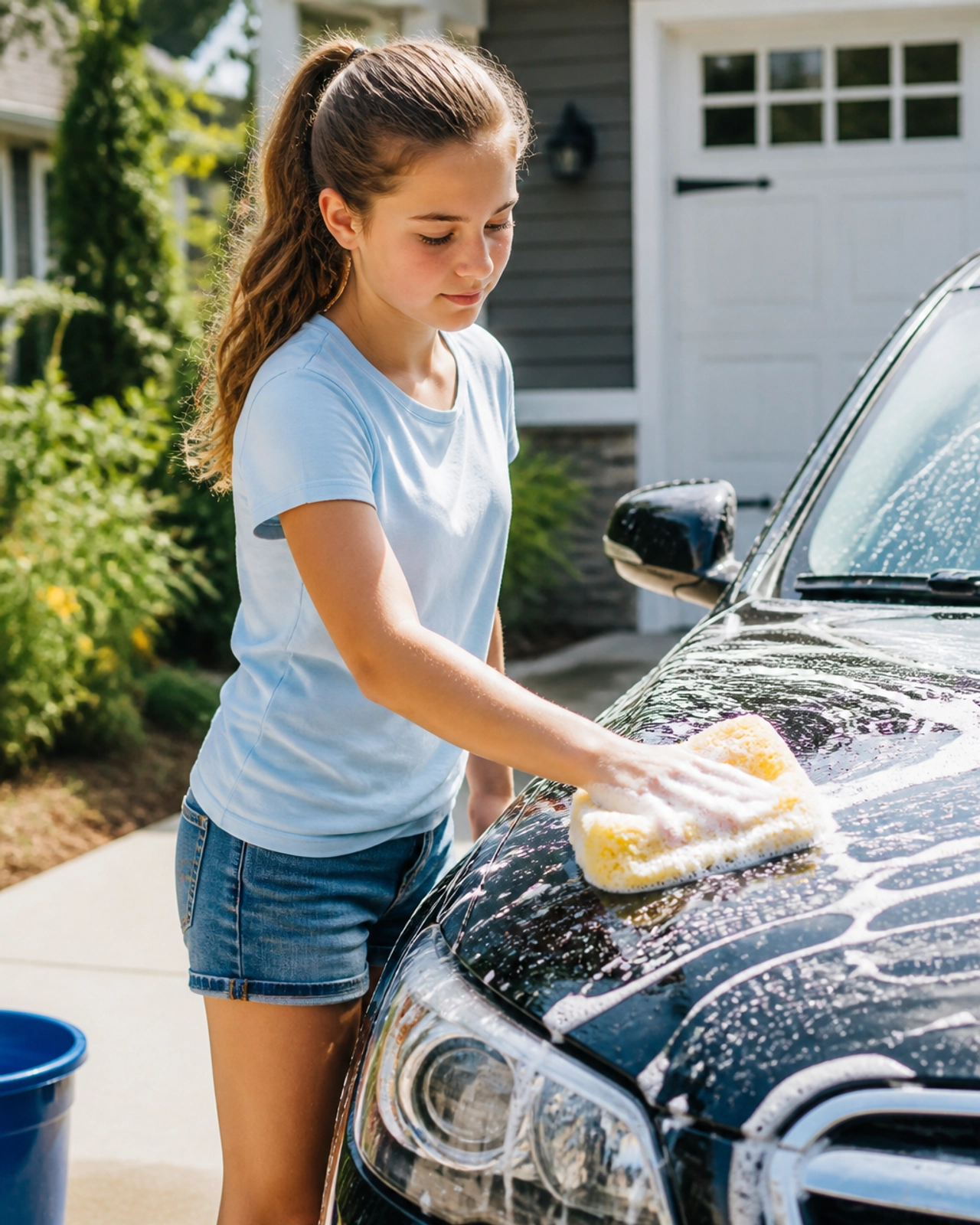
From Chaos to Calm: Putting it into Action
Now, don't go trying to implement all of this by Monday morning! That’s a recipe for a meltdown (yours AND theirs). Start small. Pick one routine: like the morning rhythm: and focus on it for a week.
Pro Tip: Use a visual chart! Whether it’s a fancy chalkboard or a simple piece of paper on the fridge, kids love checking things off. It gives them that "hit" of dopamine and a sense of accomplishment.
And remember, we are in this together! If you miss a day or the house looks like a tornado hit it, give yourself some grace. Intentional parenting is a marathon, not a sprint. We are playing the long game here, folks!
Why Connection is the Foundation
You can have the best chore chart in the world, but if you don't have connection, you'll just have resentment. Take time to just be with your kids. Put the phone down. Look them in the eyes.

When kids feel seen and loved, they are much more likely to step up and help. Chores should be about belonging to a team, not "earning" your love. We help because we care for each other and our home!
Key Takeaways for Busy Parents
- Mindset Shift: Move from "managing chores" to "building character."
- Predictability is King: Use daily rhythms to reduce power struggles.
- Start Young: Even toddlers can (and should!) contribute.
- Consistency over Perfection: It doesn't have to be perfect; it just has to be done.
- Connect First: A kid who feels connected is a kid who is willing to contribute.
Conclusion: You've Got This!
Raising responsible human beings is the hardest: and most rewarding: job on the planet. By embracing intentional parenting and focusing on teaching kids responsibility, you are setting them up for a lifetime of success. You’re teaching them that they have value, they have skills, and they have a role to play in this world.
Ready to take control of your home and your time? Don't forget to grab our Free Finance and Self Care Planner! It’s the perfect tool to help you manage the "business" of home life so you can focus on what really matters: those sweet kids of yours.
You are doing a great job, Mama. You are doing a great job, Dad. Keep going!
Ready to put this into practice? The Chore System Starter gives you the chore chart and the age bands to go with it.