

Meal Planning for Families: Your Guide
Over 90 percent of families say that regular meals together strengthen their relationships and improve everyone’s eating habits. Family meal planning goes far beyond choosing tonight’s dinner—it shapes daily routines, reduces stress, and allows parents and kids to reconnect amidst busy schedules. When you approach meals with a plan, you set the stage for healthier eating, less chaos, and moments of real connection that make a lasting impact.
The quick version, y’all: Meal planning for a family boils down to a repeatable weekly rhythm: pick a planning day, build your menu around what’s already in the pantry and what’s on sale, write the grocery list straight from that menu, and prep a few things ahead. You don’t need fancy recipes or a color-coded binder — just a plan that takes the daily “what’s for dinner?” panic off your plate.
Table of Contents
- What Is Family Meal Planning And Why It Matters
- Different Approaches To Family Meal Planning
- Assigning Roles And Involving Everyone
- Making Meal Planning Child-Friendly
- Budgeting And Time-Saving Strategies For Home
- Avoiding Common Meal Planning Pitfalls
Key Takeaways
| Point | Details |
|---|---|
| Family Meal Planning | Proactively organizing meals fosters stronger relationships, healthier eating, and reduced stress. |
| Diverse Approaches | Utilize various meal planning strategies like theme nights or batch cooking to cater to family preferences. |
| Involve Everyone | Engaging all family members in meal preparation promotes life skills and encourages healthier eating habits. |
| Avoid Common Pitfalls | Simplify meal menus and maintain a consistent schedule to enhance the quality of family meals. |
What Is Family Meal Planning and Why It Matters
Meal planning isn’t just about putting food on the table. It’s a strategic approach to nourishing your family, saving time, reducing stress, and creating meaningful connections around shared meals. According to the American Heart Association, family meal planning involves intentionally organizing meals to be enjoyed together, which goes far beyond simple food preparation.
At its core, family meal planning is a proactive method of deciding what your family will eat in advance. This means selecting recipes, purchasing ingredients, and preparing meals strategically throughout the week. The benefits are profound. The Department of Homeland Security highlights that consistent family meals can:
- Foster stronger family relationships
- Encourage healthier eating habits
- Reduce overall household stress
- Improve children’s academic performance
- Create opportunities for daily communication
Think of meal planning like creating a roadmap for your family’s nutrition. Instead of scrambling to figure out “What’s for dinner?” every night, you’ll have a clear plan that reduces decision fatigue and helps you make more intentional food choices. It transforms meal preparation from a daily chore into a thoughtful, strategic process that supports your family’s overall well-being. When you plan meals ahead, you’re not just feeding bodies – you’re nurturing relationships and creating a foundation for healthier, more connected family life.
For families looking to start their meal planning journey, understanding practical meal planning techniques can make the process smoother and more enjoyable. Whether you’re a busy parent, a working professional, or managing a household with multiple schedules, meal planning offers a structured yet flexible approach to feeding your family deliciously and efficiently.

Different Approaches to Family Meal Planning
Meal planning isn’t a one-size-fits-all strategy. Families have diverse needs, schedules, and preferences, which means there are multiple effective approaches to organizing meals. The Mayo Clinic Health System recommends starting small by planning just one meal a week and gradually expanding your meal planning skills.
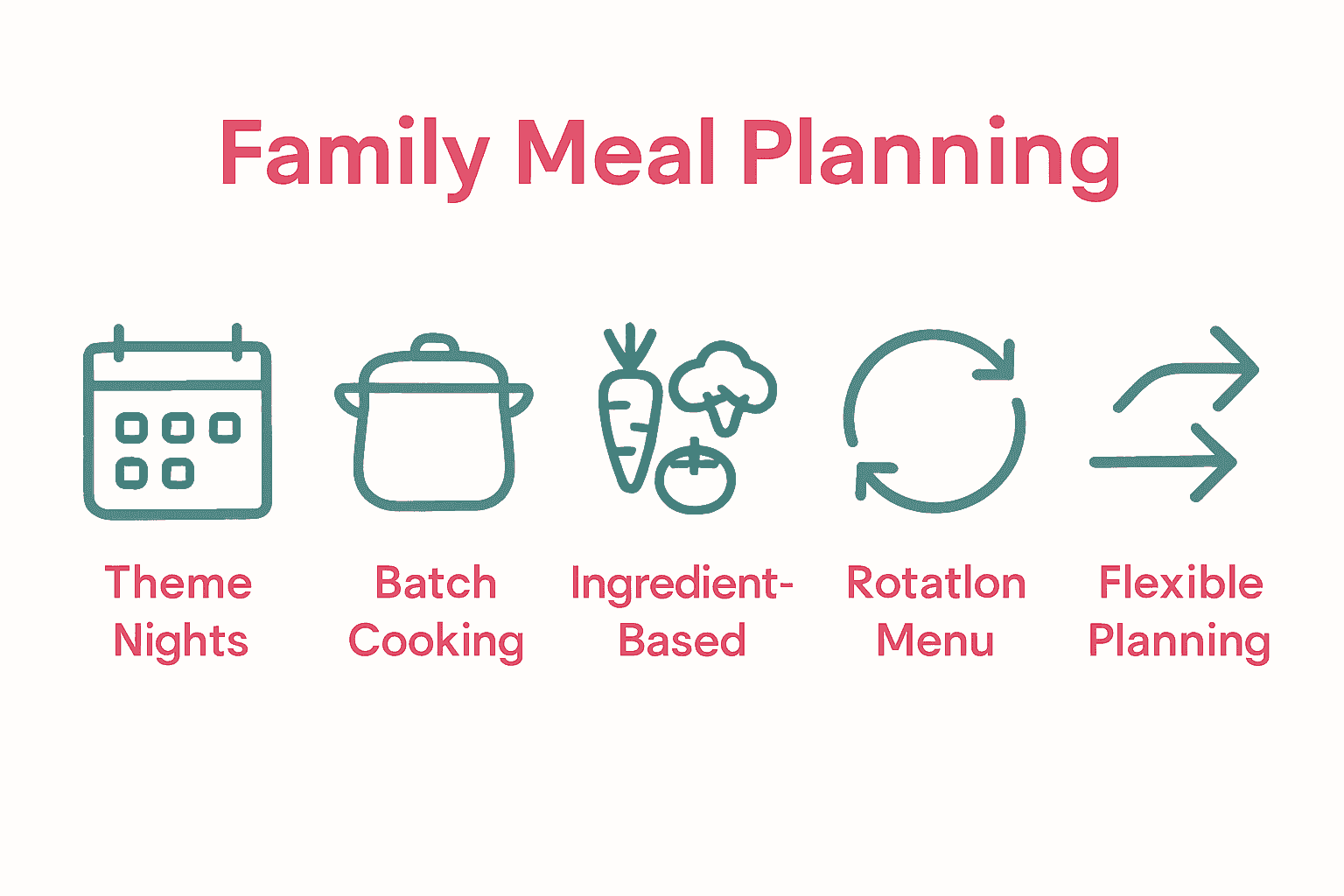
Here are several distinctive approaches to family meal planning:
- Theme Night Approach: Assign specific themes to different days (Taco Tuesday, Pasta Wednesday)
- Batch Cooking Method: Prepare large quantities of food in advance and portion out meals
- Ingredient-Based Planning: Build meals around seasonal produce or weekly grocery specials
- Rotation Menu Strategy: Create a set of 10-14 recurring meals that your family enjoys
- Flexible Planning: Keep a loose plan with room for spontaneity and adjustments
HealthyChildren.org emphasizes the importance of creating a calm atmosphere during meals, regardless of the planning approach you choose. They suggest keeping meals simple and turning off screens to encourage meaningful family interactions.
When exploring meal planning strategies on a budget, consider your family’s unique rhythm. Some families prefer detailed, meticulously planned menus, while others thrive with a more relaxed, adaptable approach. The key is finding a system that reduces stress, saves time, and brings your family together around delicious, nutritious meals.
Assigning Roles and Involving Everyone
Successful meal planning isn’t a solo mission – it’s a team effort that can transform family dynamics and create lasting memories. Children’s Mercy emphasizes the importance of involving the entire family in meal preparation, recognizing that this approach goes far beyond simply getting dinner on the table.
Here are age-appropriate roles to consider for different family members:
-
Toddlers (2-3 years): – Help wash vegetables
- Stir ingredients
- Set napkins on the table
-
Young Children (4-7 years):
- Choose recipe ingredients
- Help measure dry ingredients
- Arrange simple table settings
-
Older Children (8-12 years):
- Plan entire meals
- Assist with basic cooking techniques
- Create weekly grocery lists
-
Teenagers:
- Prepare complete meals
- Manage meal budgeting
- Research new recipes
Involving everyone creates more than just a meal – it builds family skills, teaches responsibility, and makes cooking an exciting shared experience. When children participate in meal planning and preparation, they’re more likely to try new foods and develop healthy eating habits.
Understanding weekly meal prep techniques can help families create a smooth, collaborative approach. Remember, the goal isn’t perfection but connection. Some nights might be chaotic, ingredients might get spilled, and recipes might not turn out exactly right. But these moments become cherished memories that strengthen family bonds and create a foundation of shared experiences around food.
Making Meal Planning Child-Friendly
Meal planning can be more than a chore – it’s an opportunity to transform kitchen time into an exciting, educational adventure for children. HealthyChildren.org emphasizes that involving children in meal preparation isn’t just about getting dinner ready, but about teaching valuable life skills and nutrition knowledge.
Here are creative ways to make meal planning fun and engaging for kids:
- Recipe Explorers: Let children pick one new recipe per week
- Themed Meal Nights: Create exciting themes like “Rainbow Food Day” or “Around the World”
- Grocery Store Scavenger Hunts: Turn shopping into a game of finding healthy ingredients
- Junior Chef Challenges: Assign age-appropriate cooking tasks
- Nutrition Detective: Teach kids about reading food labels and understanding ingredients
Pathways.org highlights that these activities do more than just prepare food – they strengthen family communication and build essential life skills. When children feel invested in meal planning, they’re more likely to try new foods, understand nutrition, and develop a positive relationship with cooking.
To make the process smoother, understanding pre-planned meals can help families create structured yet flexible meal preparation strategies. Remember, the goal isn’t a perfect meal, but creating memories, teaching skills, and enjoying time together. Some of the best family moments happen right in the kitchen, with flour-dusted counters and shared laughter.

Budgeting and Time-Saving Strategies for Home
Meal planning isn’t just about feeding your family – it’s a strategic approach to managing both your time and budget effectively. The Mayo Clinic Health System recommends dedicating one focused time slot each week to meal preparation, which can dramatically reduce daily stress and financial strain.
Here are powerful strategies to maximize your meal planning efficiency:
- Bulk Ingredient Purchasing: Buy versatile ingredients in larger quantities
- Seasonal Shopping: Align meals with seasonal produce for lower prices
- Freezer Meal Preparation: Cook large batches and portion for future meals
- Ingredient Overlap Strategy: Plan meals that share common ingredients
- Weekly Meal Rotation: Create a predictable menu to streamline shopping
The American Heart Association emphasizes keeping meals simple and healthy while involving the entire family in preparation. This approach not only saves money but also teaches valuable life skills and promotes bonding.
When looking to cut costs without sacrificing nutrition, frugal budget tips can be a game-changer. Think of meal planning like a financial workout for your kitchen – with practice, you’ll become more efficient, save money, and create delicious meals that bring your family together.
Avoiding Common Meal Planning Pitfalls
Meal planning sounds simple, but numerous hidden challenges can derail even the most well-intentioned family’s nutrition strategy. Michigan State University Extension warns that common distractions like television can significantly undermine the quality and purpose of family meals, turning what should be a nourishing experience into a disconnected routine.
Here are the most critical meal planning pitfalls to avoid:
- Overcomplicating Menus: Trying exotic recipes every night
- Ignoring Family Preferences: Planning meals nobody wants to eat
- Poor Ingredient Management: Buying excess food that spoils
- Inconsistent Scheduling: Randomizing meal times
- Device Distractions: Allowing phones and screens during meals
North Dakota State University Extension emphasizes simplifying menus and maintaining consistent, family-centered meal experiences. The key is creating a flexible yet structured approach that adapts to your family’s unique rhythm and needs.
To streamline your approach and minimize waste, 11 strategies to reduce food waste can transform how you plan and execute family meals. Remember, perfect meal planning doesn’t exist – but thoughtful, intentional approaches can make a world of difference in your family’s nutrition and connection.
Simplify Family Meal Planning and Bring Your Loved Ones Together
Struggling to keep meal times stress-free while juggling a busy family schedule is a common challenge highlighted in the guide. You want to foster healthy eating habits and meaningful connections around the dinner table without feeling overwhelmed or short on time. This article points out how approaches like theme nights, budget-friendly strategies, and assigning meal prep roles can transform family meals into joyful, nourishing experiences.
Frequently Asked Questions
What are the benefits of family meal planning?
Family meal planning fosters stronger family relationships, encourages healthier eating habits, reduces overall household stress, improves children’s academic performance, and creates opportunities for daily communication.
How can I involve my children in meal planning?
You can involve children by assigning age-appropriate roles, such as letting toddlers wash vegetables or allowing older children to plan meals and create grocery lists, making the process educational and fun.
What are some effective meal planning strategies for busy families?
Strategies include using a theme night approach, batch cooking, ingredient-based planning, or flexible planning that allows for spontaneity, ensuring meals fit into your family’s schedule.
How can I avoid common pitfalls in meal planning?
To avoid pitfalls, keep menus simple, ensure you’re considering family preferences, manage ingredients wisely to reduce waste, maintain consistent meal times, and minimize distractions during meals.
Recommended
- Understanding What is “Pre-Planned Meals” for Families
- 7 Practical Examples of Family Meal Planning
- How to Feed a Family on a Budget
- Understanding the Weekly Meal Prep Guide for Families
- 7 Easy Meal Planning Ideas for Busy Podcast Listeners | Prodcast
- 7 Family-Friendly Thai Meals for Every Taste
Want a little more help with this? Grab my free Kitchen Reset Kit over on the Free Resources page — and when you’re ready to go deeper, the Meal Genie will carry you the rest of the way.
Keep reading: more meal & grocery help