
Meal Prep saves busy parents 6 hours weekly
Meal prepping transforms how busy families approach weeknight dinners, potentially reclaiming up to 6 hours weekly that would otherwise be spent scrambling to answer “what’s for dinner?” This comprehensive guide explores why meal prep matters for busy parents in 2026, covering time savings, nutritional improvements, stress reduction, and practical steps to get started. You’ll discover how simple planning ahead creates healthier eating patterns while dramatically reducing daily decision fatigue.
Table of Contents
- Understanding Meal Prep: What It Is And Why It Matters
- Time Saving Impact Of Meal Prep
- Nutritional And Health Benefits Of Meal Prep
- Psychological And Stress Reduction Benefits Of Meal Prep
- Common Misconceptions About Meal Prep
- Comparison Framework: Meal Prep Methods For Busy Parents
- Practical Steps To Start Meal Prepping
- Simplify Your Family Life With Expert Home Organization And Time Management
- Frequently Asked Questions
Key takeaways
| Point | Details |
|---|---|
| Time efficiency | Meal prep saves 4 to 6 hours weekly through batch cooking and ingredient prepping strategies. |
| Nutritional impact | Families experience 25% more vegetable consumption and better portion control with planned meals. |
| Stress reduction | Parents report 40% less meal related anxiety by eliminating daily “what’s for dinner” decisions. |
| Flexible methods | Choose from batch cooking, ingredient prepping, or mixed approaches based on family needs. |
| Easy implementation | Start small with three weekly meals and gradually build sustainable habits. |
Understanding meal prep: what it is and why it matters
Meal prep involves planning and preparing meals or ingredients ahead to manage time and nutrition efficiently in families. Rather than cooking from scratch every evening, you dedicate focused time to prepare components or complete meals that simplify weeknight routines. This approach addresses the reality that most parents face limited evening time while managing work, school activities, and household responsibilities.
For busy parents juggling multiple roles, meal prep provides a structured system to maintain family nutrition without daily stress. The practice transforms meal management from a reactive scramble into a proactive strategy. By planning ahead, you eliminate the 5 p.m. panic of deciding what to cook while hungry children demand attention.
Meal prep isn’t a single rigid method but encompasses various approaches that fit different family lifestyles:
- Complete meal prep: Cooking and portioning full meals for the week ahead
- Ingredient prepping: Washing, chopping, and storing components for quick assembly
- Batch cooking basics: Making large quantities of staples like grains, proteins, or sauces
- Hybrid approaches: Combining prepped ingredients with fresh elements for variety
The weekly meal prep guide approach you choose depends on your family’s schedule, storage capacity, and taste preferences. Some families thrive with fully prepared Monday through Friday dinners, while others prefer easy quick meal prep tips focused on prepping vegetables and proteins for flexible combinations. The key is selecting a system that reduces your daily workload without feeling restrictive.
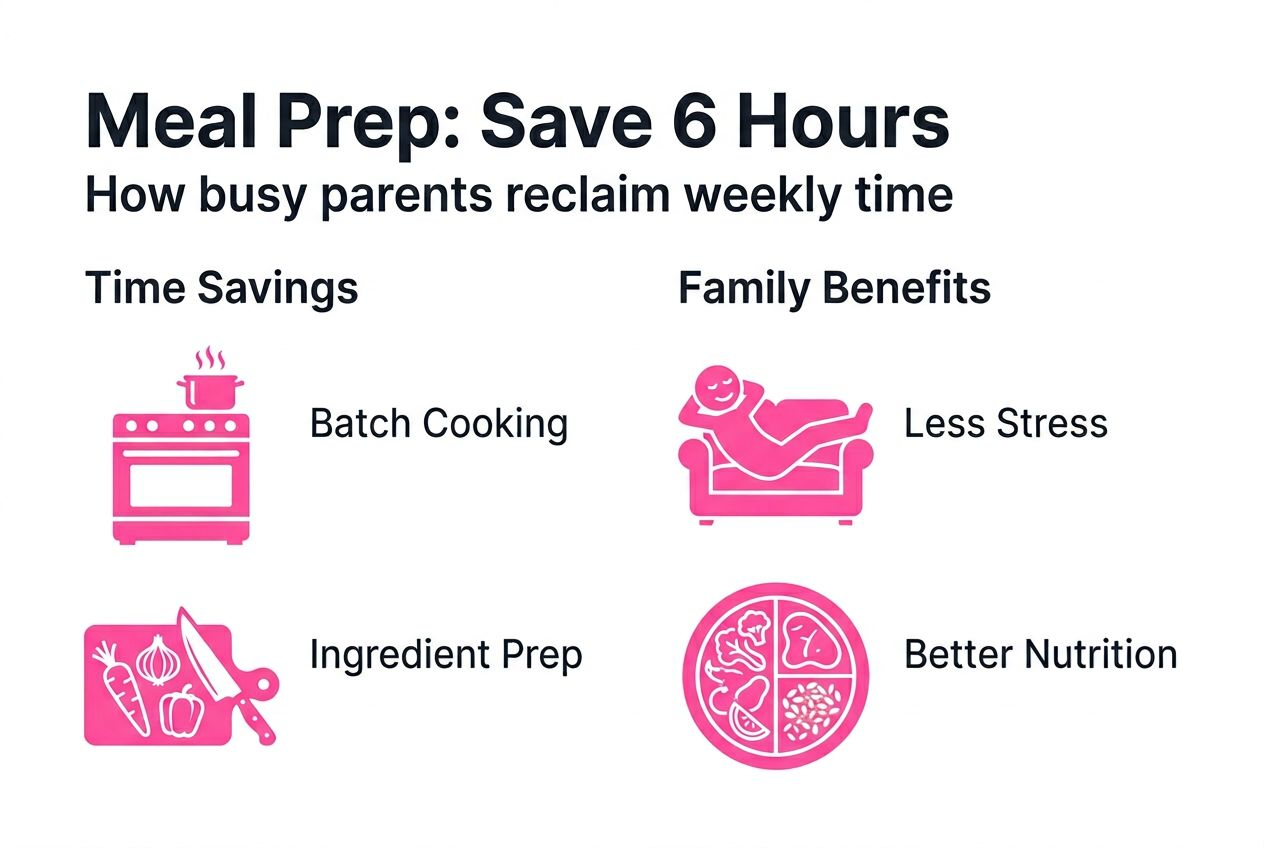
Meal prep matters because it directly addresses the intersection of limited time and the desire to feed families nutritious meals. Instead of defaulting to takeout or processed convenience foods during hectic evenings, you have ready options that align with your health goals.
Time saving impact of meal prep
The most compelling reason busy parents adopt meal prep is the significant time recovery. Research shows meal prepping saves 4 to 6 hours weekly compared to cooking each meal from scratch daily. This time gain comes from consolidating cooking tasks, reducing kitchen cleanup sessions, and eliminating decision paralysis about what to make.
Batch cooking amplifies efficiency by leveraging your time investment. When you roast three sheet pans of vegetables instead of one, or cook a large pot of quinoa rather than a single serving, the active cooking time increases minimally. You spend perhaps 10 extra minutes but create components for multiple meals. This economy of scale transforms Sunday afternoon into a production session that covers most of the week.
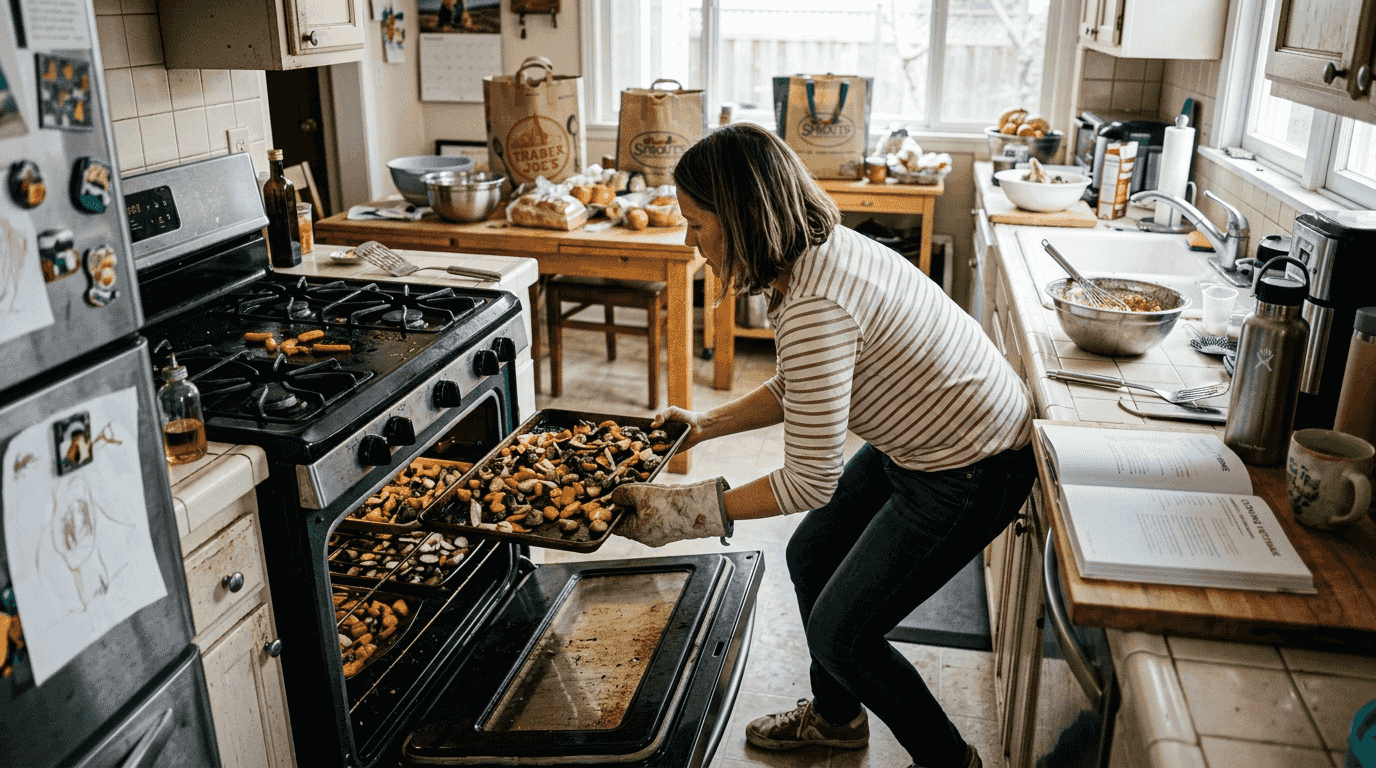
Ingredient prepping speeds up daily meal assembly dramatically. Pre washed salad greens, diced onions, minced garlic, and portioned proteins turn a 45 minute cooking session into a 15 minute assembly task. You simply combine prepped elements, apply heat, and serve. The mental load decreases equally because you’ve already solved the “what to cook” puzzle.
Key time saving benefits include:
- Consolidated grocery trips: One focused shopping session replaces multiple quick store runs
- Reduced cleanup: Washing dishes once after batch cooking beats cleaning up seven times weekly
- Eliminated decision time: No more staring into the refrigerator wondering what’s possible
- Fewer cooking steps: Reheating or quick assembly replaces full recipe execution
Pro Tip: Start with ingredient prep rather than complete meals if you’re new to this approach. Spend one hour Sunday washing and chopping vegetables, cooking rice or pasta, and marinating proteins. This foundation makes weeknight cooking feel effortless while building your meal prep confidence gradually.
The time saved extends beyond active cooking. Parents report less stress about grocery shopping because meal planning on a budget with a clear list prevents wandering aisles deciding what might work. You also avoid the time drain of ordering takeout, waiting for delivery, or making emergency store runs when dinner plans fall apart.
Nutritional and health benefits of meal prep
Beyond time savings, meal prep directly improves family nutrition. Studies demonstrate that meal prep increases vegetable consumption by 25% and enhances portion control, leading to healthier family eating habits. When nutritious options are prepared and visible, families naturally choose them over less healthy alternatives.
Portion control during meal prep prevents both overeating and food waste. By dividing proteins, grains, and vegetables into appropriate serving sizes ahead of time, you establish healthy portions without the guesswork. Children learn what balanced plates look like, and parents avoid the tendency to cook excessive amounts that lead to overeating or disposal.
Planned meals encourage balanced nutrition by removing impulsive decisions. When you’re tired and hungry at 6 p.m., you’re more likely to grab whatever seems easiest, often processed snacks or simple carbohydrates. With prepped meals ready, you consistently serve combinations of proteins, complex carbohydrates, and vegetables that support family health.
For growing children, meal prep establishes consistent healthy habits. Regular exposure to varied vegetables, lean proteins, and whole grains shapes developing palates and food preferences. The advantages of meal planning include reducing negotiations about dinner because the meal is already decided and prepared.
Nutritional improvements from meal prep include:
- Increased vegetable variety: Planning ensures diverse produce rather than repetitive side dishes
- Reduced sodium intake: Home prepared meals contain significantly less salt than restaurant or packaged options
- Better macronutrient balance: Intentional meal planning includes adequate protein, healthy fats, and fiber
- Controlled ingredient quality: You choose fresher, less processed components when cooking at home
The boost in nutritional quality translates to tangible family benefits. Parents notice improved energy levels, better sleep patterns, and fewer afternoon energy crashes when consistent healthy meals replace erratic eating. Children demonstrate better focus and mood stability with regular, balanced nutrition. The meal planning for families guide approach creates a foundation for long term wellness.
Pre planned meals for families also reduce the temptation to rely on convenience foods during busy periods. When healthy options require no more effort than unhealthy ones, the nutritious choice becomes default rather than aspirational.
Psychological and stress reduction benefits of meal prep
The mental health impact of meal prep extends far beyond nutrition and time savings. The relentless daily question of “what’s for dinner?” creates low grade anxiety that accumulates throughout the workday. By eliminating this recurring decision, meal prep removes a significant source of parental stress.
Decision fatigue represents a real psychological phenomenon where making numerous small choices depletes mental energy. Parents face hundreds of decisions daily, from what children wear to school to managing work responsibilities. Research indicates parents report 40% less meal related stress when using pre planned meals and reducing decision fatigue.
“The psychological relief of knowing dinner is handled cannot be overstated for busy parents. Meal prep transforms the evening rush from chaotic to manageable, reducing family tension and improving overall wellbeing.”
The stress reduction compounds throughout the week. Monday evening feels calmer knowing Tuesday through Friday are also planned. You avoid the mounting dread that builds each afternoon wondering how you’ll manage dinner after a long day. This psychological safety creates space for more enjoyable family interactions rather than frantic meal preparation.
Family harmony improves when meal stress decreases. Instead of one parent frantically cooking while others wait hungrily, the family can gather together as reheating or quick assembly happens. Children are less cranky when dinner arrives predictably rather than at variable times. The entire household benefits from the reduced tension.
The easy quick meal prep tips approach also provides a sense of control and accomplishment. In the midst of unpredictable work schedules and family obligations, having meals handled offers a tangible win. This small success contributes to overall confidence in managing household responsibilities.
Mental health benefits extend to reduced guilt about nutrition choices. When you default to takeout or convenience foods repeatedly, many parents experience frustration about not providing healthier options. Meal prep aligns actions with values, eliminating that internal conflict.
Common misconceptions about meal prep
Several persistent myths prevent busy parents from trying meal prep. The most common misconception is that meal prep requires cooking massive quantities of identical meals for the entire week. In reality, meal prep encompasses flexible approaches including simple ingredient preparation and partial cooking.
Many parents believe advanced culinary skills are necessary to meal prep successfully. This couldn’t be further from truth. Basic cooking knowledge, simple recipes, and straightforward techniques work perfectly well. You don’t need to master complicated sauces or techniques to prepare chicken breasts, roasted vegetables, and rice ahead of time.
Another barrier is the assumption that meal prep means eating the same thing repeatedly. While some people enjoy meal uniformity, families can prep versatile components used in different combinations throughout the week. Roasted chicken appears in tacos Monday, over salad Wednesday, and in soup Friday, providing variety from single prep session.
Common myths about meal prep include:
- Myth: Meal prep takes an entire Sunday. Reality: Even one hour of focused prep significantly improves weeknight ease
- Myth: You need expensive containers and equipment. Reality: Basic storage containers and standard kitchen tools work fine
- Myth: Prepped food tastes worse than fresh. Reality: Proper storage maintains quality, and some dishes improve with time
- Myth: Meal prep doesn’t accommodate dietary restrictions. Reality: Prepping is actually easier when managing allergies or preferences
- Myth: Families with varied schedules can’t meal prep. Reality: Ingredient prep works perfectly for flexible eating times
The easy quick meal prep tips demonstrate that customization is core to successful meal prep. Your approach should match your family’s specific needs, not conform to rigid rules. Some families prep breakfasts while cooking dinners fresh. Others focus exclusively on dinner components.
Parents often worry that picky eaters make meal prep impossible. Actually, involving children in planning and prep increases their willingness to try foods. When kids help wash vegetables or assemble meals, they develop ownership and curiosity about the food.
Comparison framework: meal prep methods for busy parents
Choosing the right meal prep method depends on your family’s specific circumstances, available time, and cooking preferences. Understanding the tradeoffs between different approaches helps you select what works best.
| Method | Time Investment | Flexibility | Nutritional Quality | Best For |
|---|---|---|---|---|
| Batch Cooking | 3 to 4 hours weekly | Low (predetermined meals) | High (controlled ingredients) | Families with consistent schedules and predictable preferences |
| Ingredient Prepping | 1 to 2 hours weekly | High (daily assembly flexibility) | High (fresh combinations) | Families with varied schedules or picky eaters |
| Mixed Method | 2 to 3 hours weekly | Medium (some complete meals, some components) | High (balanced approach) | Most families seeking variety with convenience |
| Minimal Prep | 30 to 60 minutes weekly | Very high (reactive approach) | Medium (depends on choices) | Beginners or extremely busy weeks |
Batch cooking delivers maximum weeknight convenience by preparing complete meals ready to reheat and serve. This method works beautifully when family members eat together at consistent times and enjoy similar foods. The upfront time investment is significant, but weeknight effort becomes minimal. You sacrifice spontaneity and variety for ultimate ease.
Ingredient prepping offers the most flexibility while still providing substantial time savings. By washing, chopping, and portioning components, you maintain the ability to create different meals based on daily preferences or schedule changes. This approach suits families where members eat at different times or children’s preferences shift frequently.
The mixed method combines prepared complete meals for busiest nights with prepped ingredients for evenings with slightly more time. Many families prep two to three full meals plus components for additional nights. This balanced approach provides both convenience and variety.
Pro Tip: Experiment with different methods for four weeks each to discover what feels sustainable for your family. Track time spent, stress levels, and family satisfaction to make an informed choice rather than assuming one approach fits all.
Your selection might also vary seasonally. Summer schedules with activities and vacation might call for minimal prep, while structured school year routines support more extensive batch cooking. Adapting your method to life phases prevents burnout and maintains the practice long term.
Practical steps to start meal prepping
Beginning meal prep feels less overwhelming when you follow a structured approach. Start by honestly assessing your family’s weekly schedule, noting which evenings are most hectic and which offer slightly more flexibility. Identify the three busiest nights as your initial meal prep targets.
Choose simple, family friendly recipes for your first weeks. Avoid complicated dishes requiring advanced techniques or unusual ingredients. Focus on meals your family already enjoys, simply prepared in advance. Success builds confidence more than culinary ambition.
Step by step implementation:
- Evaluate your week: Review calendars to understand when meal prep will help most and when you have time to prep
- Select three recipes: Choose familiar, straightforward dishes your family reliably eats
- Create consolidated grocery list: Write ingredients needed for all planned meals plus breakfast and lunch basics
- Schedule prep time: Block 1 to 2 hours when you can focus without interruptions
- Prep in logical order: Start with items requiring longest cooking times, then move to chopping and portioning
- Store properly: Use clear containers with dates, organizing refrigerator for easy access
- Evaluate and adjust: Note what worked well and what felt difficult to improve next week’s approach
Integrate grocery shopping with meal planning to avoid impulse purchases and reduce costs. When you shop with specific meal plans, you buy exactly what’s needed rather than hopeful ingredients that might go unused. This time management step by step approach reduces food waste significantly.
Use simple, flexible recipes that work well for meal prep. Dishes with sauces separate from proteins or grains prevent sogginess. Foods that reheat well include casseroles, soups, roasted vegetables, and grains. Avoid preparations that become mushy or lose texture when stored.
Pro Tip: Involve family members in planning and prep to build buy in and share workload. Children can wash vegetables, mix ingredients, or portion snacks. Partners can tackle different components simultaneously. This collaboration makes prep faster and ensures everyone feels invested in eating the prepared meals.
Regularly evaluate your approach after four to six weeks. Ask yourself and family members what’s working and what feels challenging. Maybe three prep days weekly feels more sustainable than one long session. Perhaps you’d rather prep breakfasts than dinners. Customization based on real experience creates lasting habits.
If you’re documenting your meal prep journey or family organization wins, starting a family blog provides accountability and connects you with other parents sharing similar experiences. Many families find that sharing their process helps maintain motivation.
Simplify your family life with expert home organization and time management
Meal prep is just one piece of creating a calmer, more organized family life. Once you’ve established meal routines, you’ll likely notice how other areas of home management could benefit from similar planning. Our comprehensive guides help busy parents tackle decluttering, time management, and kitchen organization systematically.
Discover how to declutter your home naturally without overwhelming your schedule or budget. Learn practical strategies that work alongside meal prep to create peaceful, functional spaces. The time management step by step approach extends beyond meals to help families balance work, school, and quality time together.
Your kitchen itself might need organization to support meal prep success. Explore proven methods to organize your kitchen counters and create efficient prep zones. Clear surfaces and logical storage make meal preparation faster and more enjoyable, supporting the habits you’re building.
Frequently asked questions
What is meal prep and why is it important for busy families?
Meal prep means planning and preparing meals or ingredients ahead to save time and reduce stress for busy families. It ensures healthier, more consistent family meals while freeing up weeknight time for homework help, activities, or simply relaxing together instead of cooking from scratch daily.
How much time can busy parents realistically save by meal prepping?
Busy parents typically save 4 to 6 hours weekly through meal prep techniques like batch cooking or ingredient prepping. This time gain reduces evening meal stress significantly and creates space for other family priorities or personal downtime.
Is meal prep suitable for families with picky eaters or variable schedules?
Meal prep adapts beautifully to both challenges. Ingredient prepping allows menu variety to accommodate picky eaters who can choose combinations they’ll actually eat. Mixed methods enable families to adjust prep timing and meal assembly based on changing schedules throughout the week.
What are common pitfalls to avoid when starting meal prep?
Avoid overcommitting to complex bulk cooking initially, which often leads to burnout before habits form. Plan grocery shopping closely with meals to reduce waste and prevent impulsive purchases. Most importantly, adapt plans based on honest family feedback rather than forcing an approach that doesn’t fit your lifestyle.