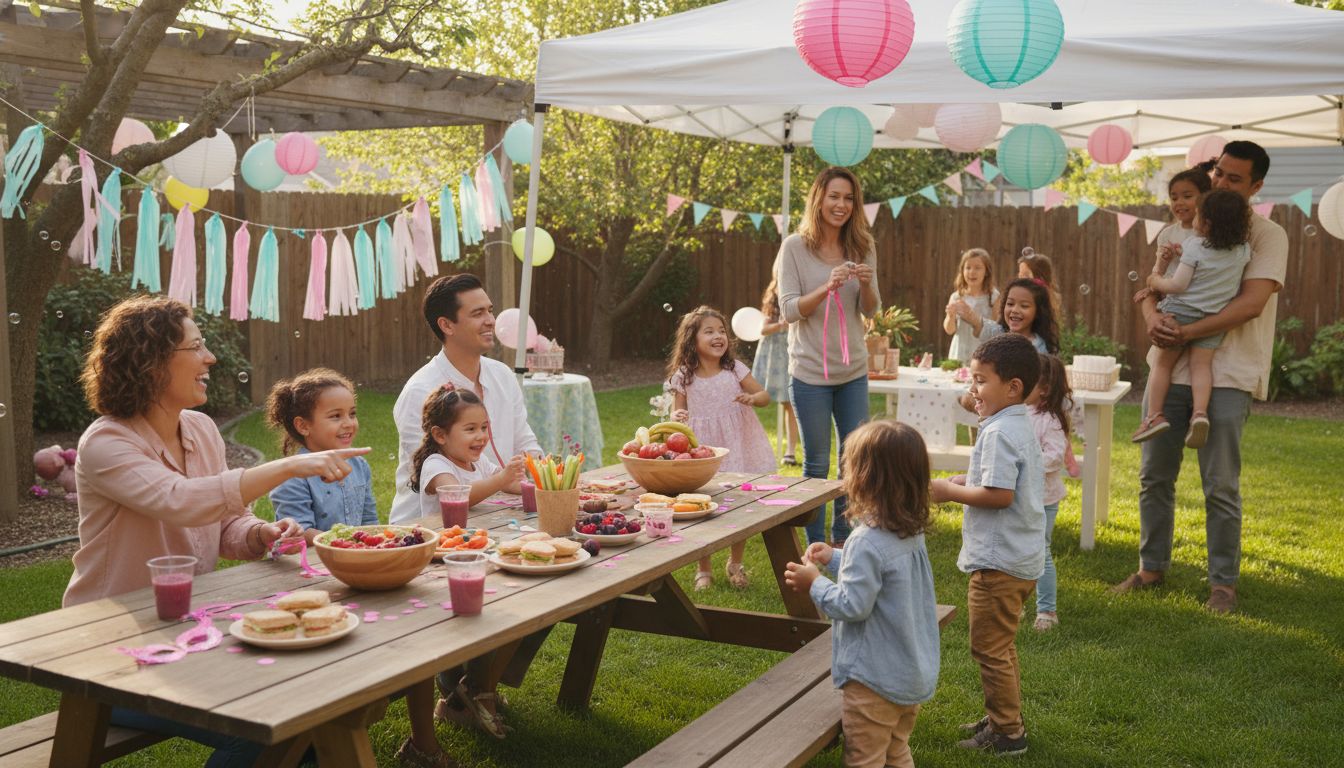
7 Simple Ways to Organize Fun and Stress-Free Childrens Parties
Over 60 percent of parents say planning a children’s party leaves them feeling stressed and uncertain about where to start. From setting a realistic budget to keeping kids entertained, every step seems loaded with choices that can quickly become overwhelming. This guide brings together practical strategies, expert tips, and sanity-saving tricks so you can create fun, memorable celebrations for your child while staying organized and stress free.
Table of Contents
- 1. Set A Realistic Party Budget For Children’s Events
- 2. Choose A Manageable Party Theme Children Will Love
- 3. Create A Simple Preparations Checklist For Families
- 4. Plan Age-Appropriate Games And Activities
- 5. Organize Snacks And Treats For Less Mess
- 6. Set Up Easy Zones For Play And Rest
- 7. Quick Cleanup Tips For Parents After Children’s Parties
Quick Summary
| Takeaway | Explanation |
|---|---|
| 1. Set a clear budget before planning. | Establish your budget to prevent financial stress and guide your decisions on guest count and activities. |
| 2. Choose a theme based on your child’s interests. | Select a manageable theme that aligns with your child’s passions for maximum enjoyment and engagement. |
| 3. Create a detailed checklist for preparation. | Develop a checklist two weeks prior to the party to keep planning organized and reduce stress. |
| 4. Plan age-appropriate games and activities. | Match activities to varying age groups to ensure all children remain engaged and entertained during the party. |
| 5. Organize snacks to minimize mess. | Opt for bite-sized, easy-to-manage snacks to reduce mess and make cleanup easier after the celebration. |
1. Set a Realistic Party Budget for Children’s Events
Planning a kid’s party doesn’t mean you need to spend a small fortune. Smart budgeting is key to throwing an awesome celebration without breaking the bank. Think of your party budget like a piggy bank where every dollar has a purpose.
First things first. Decide how much you can comfortably spend without stressing your family finances. Most parents aim to keep children’s parties between $100 and $300 depending on the age and number of guests. Creating a holiday budget for families can help you understand your overall spending patterns.
Break down your budget into clear categories to help you stay on track:
- Food and snacks
- Decorations
- Party favors
- Entertainment or activities
- Cake and refreshments
Consider cost-cutting strategies that still create magical memories. Homemade decorations, potluck style food contributions from friends, and DIY party games can dramatically reduce expenses while keeping the fun factor high. Remember that kids care more about having a good time than expensive extras.
A pro tip? Set your budget before sending invitations. This helps you make realistic choices about guest count, venue, and activities. Your wallet will thank you later.
2. Choose a Manageable Party Theme Children Will Love
The right party theme can transform an ordinary celebration into an extraordinary memory. Picking a theme your child actually loves is the secret sauce to creating a party they will talk about for years.
Start by understanding your child’s current interests. Are they crazy about dinosaurs? Obsessed with superheroes? Passionate about space exploration? Let their excitement guide your theme selection. According to how to host an amazing family party, keeping the theme manageable and aligned with your child’s genuine interests ensures maximum enjoyment.
Simple themes work best. Think broad and adaptable categories that allow for creative flexibility:
- Favorite cartoon characters
- Animal adventures
- Color based themes
- Outdoor explorer
- Magical world concepts
Consider your budget and DIY potential when selecting a theme. Superhero parties can be crafted with simple masks and capes. Dinosaur adventures might involve cardboard decorations and prehistoric snacks. The goal is creating an immersive experience without overwhelming yourself or spending a fortune.
Remember that children care more about feeling special and having fun than elaborate decorations. A theme that sparks their imagination and lets them play will always be a winner.
3. Create a Simple Preparations Checklist for Families
Prepping for a children’s party can feel like herding cats without a solid plan. A well-organized checklist transforms chaos into smooth sailing. Strategic planning is your secret weapon for a stress free celebration.
When developing your party preparation checklist, think of example family meal planning strategies that help you break complex tasks into manageable steps. Your checklist should become your roadmap from planning to party time.
Key checklist categories to consider:
- Guest list and invitations
- Party supplies and decorations
- Food and refreshments
- Entertainment and activities
- Backup plans for unexpected situations
Start preparing your checklist about two weeks before the party. Digital tools like shared spreadsheets or smartphone apps can help everyone stay on the same page. Assign specific tasks to family members to distribute the workload and make preparation feel like a team effort.
Remember that flexibility is just as important as organization. Your checklist should guide you not restrict you. The goal is creating magical memories without turning preparation into a stressful marathon. Some of the best party moments happen when you leave a little room for spontaneity and fun.
4. Plan Age-Appropriate Games and Activities
The secret to an unforgettable children’s party is matching activities to the right age group. Different ages mean different fun, and what entertains a 5-year-old might bore a 10-year-old completely.
Think of party activities like a carefully curated playlist. Just as you would select music that keeps everyone engaged, you want games that spark excitement across different developmental stages. Inspired by how to host an amazing family party, consider creating a mix of activities that allow participation and enjoyment for everyone.
Game suggestions by age range:
- Toddlers (1-3 years): Simple sensory activities, bubble stations
- Preschoolers (3-5 years): Simon Says, musical chairs, treasure hunts
- Early elementary (5-7 years): Team challenges, relay races, craft stations
- Older kids (8-12 years): Scavenger hunts, trivia games, cooperative challenges
The key is building in flexibility. Have backup activities ready and be prepared to pivot if something isn’t capturing children’s interest. Short attention spans are normal. Mix structured games with free play time to keep energy levels high and boredom at bay.
Remember that the most memorable parties aren’t about perfect execution. They’re about creating moments of pure joy where kids can be kids. Your flexibility and enthusiasm matter more than any perfectly planned activity.
5. Organize Snacks and Treats for Less Mess
Let’s face it. Kids and clean eating go together about as well as white pants and spaghetti sauce. Smart snack planning can save your sanity and your carpet.
When selecting party treats, think like a strategic planner. Grocery shopping like a pro means choosing foods that minimize potential disasters. Stick to bite sized, minimal drip options that children can easily manage.
Mess minimizing snack strategies:
- Individually wrapped items
- Finger foods cut into small pieces
- Colorful fruits and veggie sticks
- Cupcakes instead of messy cake slices
- Juice boxes with straws
Consider using light colored or disposable tablecloths that can be quickly rolled up and tossed after the party. Place wet wipes and napkins strategically around the eating area. Your future self will thank you for this extra preparation.
Remember that perfection is not the goal. Some mess is inevitable. Approach party snacks with a sense of humor and an extra stack of paper towels. The memories you create matter more than a few stray crumbs.
6. Set Up Easy Zones for Play and Rest
Think of your party space like a mini adventure playground with strategic rest stops. Creating designated zones helps manage energy levels and keeps the party running smoothly.
Children need variety. Some will want high energy activities while others might need a quiet corner to recharge. 7 effective home organization systems can inspire how you approach party space planning.
Party zone recommendations:
- Active play zone with games and movement
- Quiet craft or coloring station
- Snack and refueling area
- Soft seating for rest and conversation
- Outdoor space for extra energy burning
Use visual markers like colorful rugs or streamers to define each zone. Lightweight folding chairs or cushions make transitions easy. Remember that not every child processes stimulation the same way. Some need more breaks than others.
Pro tip: Have a calm down area with soft lighting and quiet activities. This gives overstimulated kids a peaceful retreat without feeling left out. Flexibility is the secret ingredient to a successful children’s party.
7. Quick Cleanup Tips for Parents After Children’s Parties
The party was amazing. The memories are magical. Now comes the aftermath. Post party cleanup doesn’t have to feel like a nightmare.
Think of cleaning as your final party mission. How to clear the clutter from your home can provide extra inspiration for efficient tidying. The key is having a systematic approach that turns chaos into order quickly.
Rapid cleanup strategies:
- Gather trash bags before the party starts
- Use disposable tablecloths for easy removal
- Recruit family members to help
- Clean sticky surfaces immediately
- Sort recyclables and trash separately
Start cleaning while energy is still high. Put on some upbeat music and turn cleanup into a quick game. Kids can help sort their own toys or collect wrapping paper. Make it feel like a team effort rather than a chore.
Remember that perfect cleanliness is not the goal. A few stray confetti pieces or forgotten decorations are just souvenirs of an awesome celebration. Take a deep breath. You survived another epic kids party.
This table summarizes the key strategies for planning a children’s party, including budgeting, theme selection, preparation, activities, snacks, space organization, and cleanup.
| Aspect | Key Strategies | Benefits/Outcomes |
|---|---|---|
| Budgeting | Set a clear budget from $100 to $300. Break it into food, decorations, favors, entertainment. Use cost-cutting strategies. | Avoids financial stress, ensures organized spending. |
| Theme | Choose simple, interest-based themes like superheroes or animals. Consider DIY possibilities. | Enhances enjoyment, keeps creativity high. |
| Preparation | Use a checklist covering guest list, supplies, and activities. Assign tasks. | Reduces chaos, keeps planning organized. |
| Activities | Select age-appropriate games, have backup activities. Mix structured games with free play. | Engages kids effectively, prevents boredom. |
| Snacks | Offer mess-free, bite-sized snacks like fruit sticks and cupcakes. Use disposable items. | Minimizes cleanup effort, keeps eating area tidy. |
| Space | Create zones for play, crafts, rest. Include a calm area. | Manages energy levels, accommodates different needs. |
| Cleanup | Use trash bags, disposable tablecloths, and team cleanup. | Simplifies cleanup, makes it a team effort. |
Simplify Your Child’s Party Planning and Enjoy Every Moment
Planning a fun and stress-free children’s party can feel overwhelming when you try to manage budgets, themes, activities, and cleanup all at once. The article highlights how smart budgeting, creating manageable themes, and organizing easy zones for play can be a game changer. If you want to avoid last-minute chaos and enjoy watching your child’s special day unfold with ease, you need proven organization strategies that work for busy families.
Discover practical tips on budgeting, home organization, and planning at itsasouthernlifeyall.com. Learn how to break down your to-do list, set up simple systems for managing snacks and activities, and even tackle cleanup quickly with support from expert guides like Creating a Holiday Budget for Families and How to Host an Amazing Family Party. Why wait to feel in control and ready for your next celebration? Start transforming your party planning approach now with tools designed for peaceful, organized family living.
Frequently Asked Questions
How can I set a realistic budget for a children’s party?
Start by determining a total amount you can comfortably spend, ideally between $100 and $300. Break this down into categories such as food, decorations, and activities to keep track of your expenses and stick to your budget.
What themes work best for children’s parties?
Choose a party theme based on your child’s interests, such as their favorite cartoon character or animal. Simple, broad themes like outdoor explorers or magical worlds allow for creativity while ensuring that the decorations and activities are manageable.
How can I create a preparation checklist for the party?
Develop a checklist that includes categories like guest list, supplies, and entertainment. Start preparing this checklist about two weeks before the party to assign tasks and maintain organization leading up to the event.
What age-appropriate games should I plan for different children’s age groups?
Select games based on age groups, such as bubble stations for toddlers or scavenger hunts for older children. Aim for a mix of structured activities and free play to keep all kids engaged and entertained throughout the party.
How can I minimize mess during the party?
Opt for bite-sized, easy-to-manage snacks like finger foods and individually wrapped items. Additionally, use light-colored disposable tablecloths and position wet wipes at the snack area to make cleanup easier without stressing about mess.
What are some quick cleanup tips after the party?
Gather trash bags before the party to streamline the cleanup process. Involve family members in cleaning, and tackle sticky surfaces immediately to make the cleanup quick and efficient, aiming to finish within one hour after guests leave.
Recommended
- How to Host an Amazing Family Party for 30 People Without Breaking Your Budget – It’s a Southern Life Ya’ll
- 7 Simple Ways to Refresh Your Home for Busy Families – It’s a Southern Life Ya’ll
- 7 Practical Examples of Family Meal Planning – It’s a Southern Life Ya’ll
- 7 Top Methoden Stressabbau Kinder: Praktische Tipps für Eltern
- Gezinsvriendelijke spellen