The Ultimate Family Bucket List: 25 Fun Adventures for 2026
Finding meaningful family activities that entertain everyone and offer real educational value can be a challenge. You want experiences that bring your family closer, spark curiosity, and turn ordinary moments into lasting memories. The right approach can transform weekends and vacations into powerful opportunities for growth, learning, and connection.
This list is packed with practical, creative ideas inspired by some of the most engaging family experiences across the United States. From visiting world-famous sites like the Grand Canyon and the Smithsonian museums, to starting a home garden and exploring local festivals, you’ll discover fresh ways to learn, play, and create together. Each suggestion is designed to help your family build stronger bonds while discovering new skills and perspectives. Get ready for hands-on adventures and inspiring moments you and your loved ones will never forget.
Table of Contents
- 1. Plan A Family Road Trip To Natural Wonders
- 2. Start A Home Gardening Project Together
- 3. Visit Iconic Landmarks And Museums
- 4. Organize A Family Game Night Series
- 5. Explore Local Festivals And Community Events
- 6. Take A Technology-Free Weekend Challenge
- 7. Create A Family Volunteer Plan For 2026
- 8. Enjoy Camping And Outdoor Survival Skills
- 9. Schedule Theme-Based Cooking Nights
- 10. Build A Family Book Club With Seasonal Reads
- 11. Learn And Practice Budget-Friendly Travel Hacks
- 12. Try New Sports And Outdoor Activities
- 13. Host A DIY Craft Workshop At Home
- 14. Develop A Year-Round Photo Adventure Album
- 15. Set Up Backyard Stargazing And Science Nights
- 16. Organize Monthly Day Trips To Nearby Cities
- 17. Take A Family Fitness And Wellness Challenge
- 18. Plan A Beach Or Lake Retreat Adventure
- 19. Join National Park Ranger-Led Tours
- 20. Start A Weekly Family Board Game Tournament
- 21. Create Personalized Family Memory Journals
- 22. Experiment With International Cooking Recipes
- 23. Visit A Farm Or Petting Zoo For Hands-On Learning
- 24. Try Geocaching And Treasure Hunts Locally
- 25. Commit To A Family Kindness Project
Quick Summary
| Takeaway | Explanation |
|---|---|
| 1. Plan outdoor educational adventures | Organize family trips to national parks and museums to enhance learning and bonding experiences. |
| 2. Foster creativity through cooking | Experiment with international recipes during family cooking nights to explore cultures and develop culinary skills together. |
| 3. Make learning fun with volunteer projects | Engage in local community service projects as a family to promote empathy and social responsibility. |
| 4. Develop teamwork with board game nights | Establish a weekly game night to build communication and strategic thinking skills while having fun together. |
| 5. Create shared family journals | Document experiences in a family journal to preserve memories and encourage reflection and creativity among family members. |
1. Plan a Family Road Trip to Natural Wonders
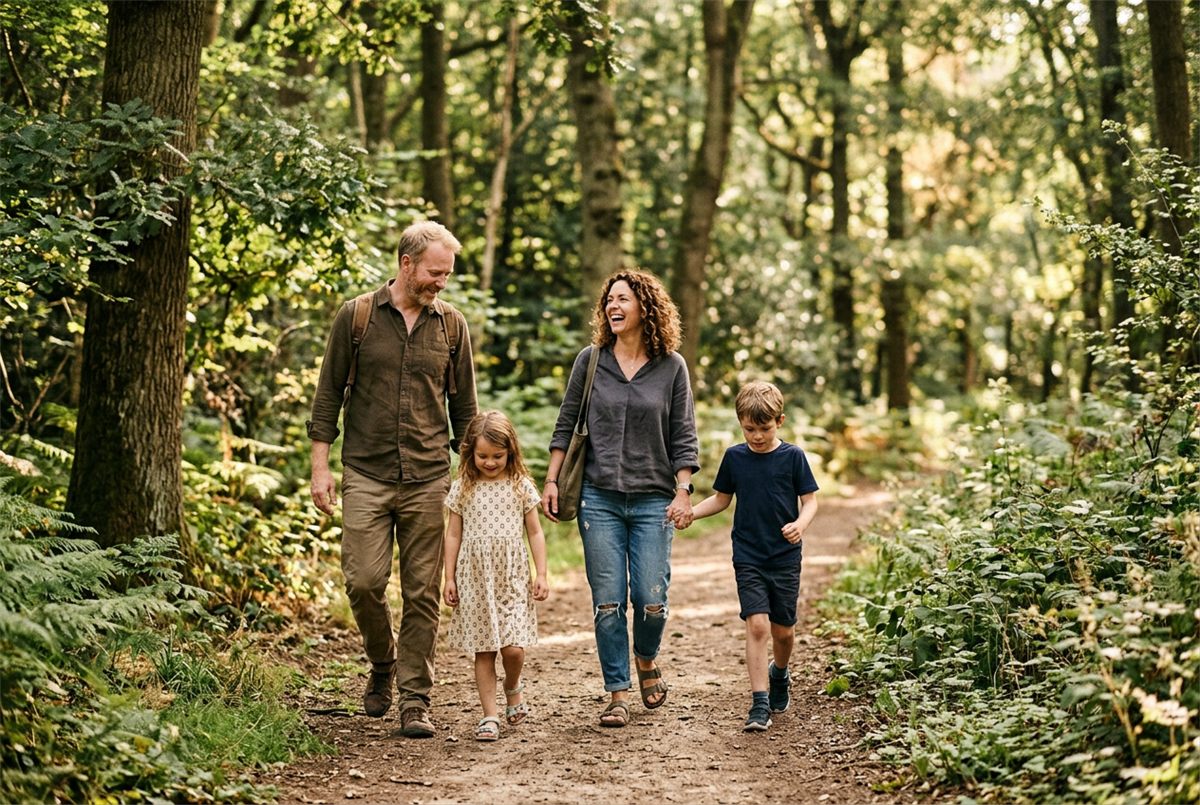
Taking a family road trip to explore America’s natural wonders is more than just a vacation its an unforgettable educational adventure that will create lasting memories for everyone. The United States boasts incredible landscapes that offer remarkable opportunities to connect with nature and learn together as a family.
Imaging driving through stunning landscapes where each turn reveals breathtaking scenery and unique geological formations. The United States natural wonders provide an incredible classroom for children and adults alike to discover incredible ecosystems, geological history, and wildlife in their most pristine environments.
When planning your road trip, consider iconic destinations like the Grand Canyon, Yellowstone National Park, Denali, and Niagara Falls. These locations offer more than just spectacular views they provide interactive experiences through trails, guided tours, and visitor centers that make learning fun and engaging for all ages.
To maximize your family adventure, plan your route strategically. Research each location beforehand, understanding the unique features and educational opportunities. Consider the distance between destinations, seasonal accessibility, and the specific interests of your family members.
Budget for flexible travel times, allowing spontaneous stops and exploration. National parks often have junior ranger programs where kids can earn badges while learning about conservation, wildlife, and geological formations. These programs transform sightseeing into an interactive learning experience.
Key Planning Considerations:
- Select destinations with diverse learning opportunities
- Check park accessibility and seasonal variations
- Pack educational resources like field guides and wildlife identification books
- Bring comfortable walking shoes and outdoor gear
- Plan for rest stops and picnic opportunities
Pro tip: Create a family travel journal where everyone documents their observations, sketches landscapes, and records interesting facts about each natural wonder you explore.
2. Start a Home Gardening Project Together
Gardening is an incredible way to bring your family closer while teaching valuable life skills and promoting sustainable living. Creating a home garden transforms your backyard into a living classroom where everyone can learn, grow, and connect with nature.
Starting a family garden offers numerous benefits beyond simply growing food. Sustainable home gardening practices help families develop environmental awareness, improve nutrition, and create meaningful shared experiences.
Begin by selecting a garden location that receives adequate sunlight and has good soil quality. Involve every family member in planning your garden layout and choosing which plants to grow. Children can learn about plant biology, soil health, and ecosystem interactions while having fun getting their hands dirty.
Consider starting with easy to grow vegetables and herbs that provide quick results and maintain children’s interest. Tomatoes, lettuce, herbs like basil and mint, and root vegetables such as carrots are excellent options for beginner gardeners. These plants grow relatively quickly and offer tangible rewards that will excite young participants.
Garden Project Planning Steps:
- Select a sunny garden location
- Test and prepare soil quality
- Choose age appropriate gardening tasks for children
- Purchase child sized gardening tools
- Create a garden maintenance schedule
Garden Skill Development Areas:
- Plant biology understanding
- Ecosystem awareness
- Responsibility and commitment
- Nutrition education
- Environmental stewardship
Pro tip: Create a family garden journal where each member can document plant growth, sketch garden layouts, and record observations to turn gardening into an engaging educational experience.
3. Visit Iconic Landmarks and Museums
Taking your family on an educational adventure through Americas most significant historical and cultural sites can transform a simple vacation into an unforgettable learning experience. In 2026, with the United States celebrating its 250th anniversary, museums and landmarks offer extraordinary opportunities to connect with national history.
The Smithsonian Institution museums provide an incredible starting point for families seeking educational travel experiences. Located in Washington D.C., these museums offer free admission and showcase remarkable collections spanning American history, science, art, and culture.
Washington D.C. stands out as a premier destination for families wanting to explore national heritage. Key landmarks like the Lincoln Memorial, National Museum of American History, and Capitol building offer immersive experiences that bring textbook learning to life. Children can walk where historical moments happened, transforming abstract concepts into tangible memories.
Planning your museum visits requires strategic preparation. Research exhibit schedules, check age appropriate programming, and consider purchasing city museum passes that offer multiple attraction access. Many museums provide interactive exhibits designed specifically to engage younger visitors, making learning fun and memorable.
Museum Visit Planning Checklist:
- Research museum age recommendations
- Check special exhibit schedules
- Pack snacks and water
- Bring notebooks for children to document discoveries
- Plan rest breaks between exhibits
- Consider guided tour options
Learning Opportunities:
- American historical context
- Cultural diversity understanding
- Scientific and artistic exploration
- Critical thinking skills development
- Shared family learning experiences
Pro tip: Create a family museum passport where each member collects stamps or stickers from different exhibits, turning the educational journey into an exciting scavenger hunt.
4. Organize a Family Game Night Series
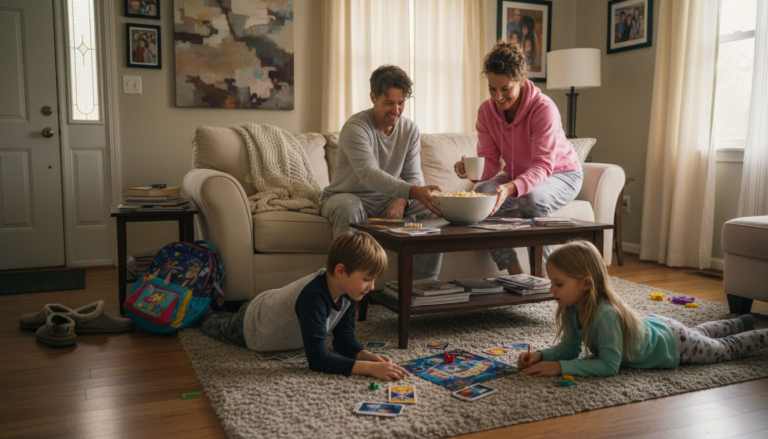
Family game nights are more than just entertainment they are powerful opportunities to build connections, communication, and lasting memories. Creating a consistent game night series transforms ordinary evenings into extraordinary moments of shared joy and learning.
Family game nights provide an incredible platform for developing critical thinking skills, encouraging friendly competition, and strengthening family relationships. By dedicating regular time to playing together, you create a tradition that everyone will look forward to.
Choosing the right games is crucial for maintaining engagement. Mix classic board games like Monopoly and Scrabble with newer interactive challenges that appeal to different age groups. Consider rotating game selection so each family member gets a chance to choose and introduce their favorite games.
Establish some ground rules to keep game nights positive and fun. Emphasize good sportsmanship, encourage teamwork, and make sure everyone feels included. The goal is not just winning but creating an environment where everyone enjoys participating.
Game Night Planning Strategies:
- Select age appropriate games
- Create a consistent weekly schedule
- Allow each family member to choose games
- Establish clear sportsmanship guidelines
- Prepare snacks and comfortable playing space
Learning Opportunities:
- Strategic thinking development
- Communication skills enhancement
- Emotional intelligence practice
- Problem solving techniques
- Conflict resolution skills
Pro tip: Create a family game night trophy or special reward system that rotates between winners to add extra excitement and motivation for participation.
5. Explore Local Festivals and Community Events
Discovering local festivals and community events transforms an ordinary weekend into an extraordinary family adventure. These vibrant gatherings offer unique opportunities to connect with local culture, learn about community traditions, and create unforgettable memories together.
Community festivals across America provide incredible platforms for families to explore diverse cultural experiences. From music performances to arts exhibitions, these events offer something exciting for every family member.
In 2026, special celebrations like Americas 250th anniversary will make community events particularly memorable. Washington D.C. will host spectacular yearlong festivities featuring music, live performances, and cultural exhibitions that showcase national history and local traditions.
Research festivals happening in your region and plan ahead. Check local community calendars, city websites, and tourism boards for upcoming events. Look for family friendly festivals that offer activities for children, interactive exhibits, and opportunities for hands on learning.
Festival Exploration Strategies:
- Research local event calendars
- Check age appropriate activities
- Budget for admission and extras
- Pack comfortable walking shoes
- Bring water and snacks
- Consider transportation logistics
Learning Opportunities:
- Cultural diversity understanding
- Local history appreciation
- Community connection skills
- Music and arts exposure
- Social interaction development
Pro tip: Create a family festival passport where everyone collects stickers or stamps from different events, turning community exploration into an exciting ongoing adventure.
6. Take a Technology-Free Weekend Challenge
In a world saturated with screens and digital distractions, a technology free weekend offers families a powerful opportunity to reconnect, communicate, and rediscover meaningful interactions. Stepping away from devices can transform your family dynamics and create space for genuine engagement.
Digital citizenship programs highlight the importance of balanced technology use and intentional offline time. By establishing boundaries with digital devices, families can cultivate deeper connections and develop healthier communication patterns.
Planning a successful technology free weekend requires thoughtful preparation. Remove smartphones, tablets, computers, and televisions from daily activities. Replace digital entertainment with board games, outdoor adventures, creative projects, and meaningful conversations that spark genuine interaction.
Encourage family members to explore alternative activities that stimulate creativity and personal connection. Consider nature walks, art projects, cooking together, playing musical instruments, or engaging in storytelling sessions. These experiences build lasting memories far more meaningful than scrolling through social media.
Technology Free Weekend Activities:
- Group board game tournaments
- Nature scavenger hunts
- Collaborative cooking projects
- Storytelling circles
- Handcraft workshops
- Outdoor exploration
Personal Growth Opportunities:
- Communication skill enhancement
- Creative problem solving
- Emotional intelligence development
- Active listening practice
- Interpersonal relationship building
Pro tip: Create a reward system where family members who successfully complete the technology free weekend earn a special group activity or treat of their choosing.
7. Create a Family Volunteer Plan for 2026
Volunteering together as a family transforms individual good intentions into powerful collective action that strengthens community bonds and teaches profound life lessons. Creating a thoughtful volunteer plan enables your family to make meaningful contributions while growing closer and understanding social responsibilities.
Volunteer engagement strategies emphasize the importance of aligning volunteer work with personal values and community needs. By developing a structured approach, families can create sustainable impact and foster a culture of compassion and service.
Start by holding a family meeting to discuss potential volunteer opportunities. Explore local nonprofit organizations, community centers, animal shelters, environmental groups, and senior care facilities. Encourage each family member to share their passions and interests to find volunteer work that genuinely motivates everyone.
Consider diverse volunteer options that accommodate different ages and abilities. Younger children can help with simple tasks like sorting donations, while teenagers might assist with more complex projects. Parents can facilitate connections and provide guidance throughout the volunteer experience.
Volunteer Planning Considerations:
- Identify family members skills and interests
- Research local volunteer opportunities
- Set realistic time commitments
- Choose age appropriate activities
- Create a consistent volunteer schedule
- Discuss and reflect on experiences
Learning Opportunities:
- Social responsibility understanding
- Empathy development
- Teamwork skills
- Community connection
- Perspective broadening
Pro tip: Create a family volunteer journal to document experiences, track impact, and reflect on personal growth throughout your volunteering journey.
8. Enjoy Camping and Outdoor Survival Skills
Camping is more than just sleeping under the stars its a transformative family experience that teaches essential life skills and creates unforgettable memories. Learning outdoor survival techniques together builds confidence, resilience, and deep connections with nature and each other.
Backcountry camping experiences provide families with immersive opportunities to develop critical survival skills and environmental awareness. These adventures teach self reliance, problem solving, and respect for the natural world.
Start by selecting a family friendly camping location that offers both safety and learning opportunities. National parks provide excellent environments for teaching basic survival skills like shelter building, fire safety, navigation, and Leave No Trace principles. Consider enrolling in local outdoor skills workshops or summer camps that offer structured learning experiences for different age groups.
Begin with fundamental skills that are age appropriate. Younger children can learn basic knot tying and fire safety, while teenagers might explore more advanced navigation and first aid techniques. Always prioritize safety and supervise all skill learning activities.
Outdoor Survival Skill Categories:
- Shelter construction techniques
- Fire building and safety
- Basic navigation skills
- First aid fundamentals
- Wilderness cooking methods
- Environmental awareness
Learning Opportunities:
- Self reliance development
- Team problem solving
- Risk assessment skills
- Environmental stewardship
- Physical coordination
- Emotional resilience
Pro tip: Create a family survival skills logbook where each member documents their learned skills, challenges overcome, and personal growth throughout your outdoor adventures.
9. Schedule Theme-Based Cooking Nights
Cooking together transforms meal preparation from a routine chore into an exciting family adventure that nurtures creativity, communication, and culinary skills. Theme-based cooking nights offer a playful approach to bringing everyone into the kitchen with enthusiasm and shared purpose.
Healthy family cooking strategies provide an engaging way to explore nutrition, cultural diversity, and collaborative skills. By creating structured yet fun cooking experiences, families can turn mealtime into an educational and bonding opportunity.
Design your theme nights around different concepts like international cuisine weeks, seasonal ingredient celebrations, or nutritional exploration. One week might focus on Mexican food, another on plant based recipes, and another on learning cooking techniques from different global traditions. Rotate theme selection so each family member gets a chance to choose and lead the cooking experience.
Assign age appropriate tasks to ensure everyone participates. Younger children can help with simple mixing and measuring, while older kids and teenagers can handle more complex preparation steps. Parents can guide and supervise while teaching kitchen safety and fundamental cooking techniques.
Theme Night Planning Strategies:
- Select diverse culinary themes
- Assign age appropriate tasks
- Prepare ingredients in advance
- Create a flexible cooking schedule
- Encourage creativity and experimentation
- Document favorite recipes
Learning Opportunities:
- Culinary skill development
- Cultural awareness
- Nutritional education
- Teamwork and communication
- Creativity and problem solving
- Confidence building
Pro tip: Create a family cookbook where you document and rate recipes from each theme night, turning your culinary adventures into a cherished family keepsake.
10. Build a Family Book Club with Seasonal Reads
Creating a family book club transforms reading from a solitary activity into an exciting shared adventure that builds connection, communication, and collective imagination. By selecting books that align with seasonal themes, your family can explore new worlds together while making reading a dynamic and anticipated experience.
Family engagement through reading supports children’s cognitive development and strengthens family bonds. A structured book club creates opportunities for meaningful conversations, critical thinking, and shared learning experiences.
Design your book club with flexibility and creativity. Choose books that appeal to different age groups by selecting titles with multiple reading levels or graphic novel adaptations. Consider rotating selection responsibilities so each family member gets a chance to pick the next book and lead discussion.
Plan themed reading sessions that correspond with seasons or current events. A summer reading might explore adventure stories, while winter could feature magical realism or holiday themed narratives. Create fun rituals like special snacks, themed decorations, or related activities that complement each book selection.
Book Club Planning Strategies:
- Select age diverse books
- Establish consistent meeting times
- Create discussion friendly environments
- Allow everyone to share perspectives
- Mix fiction and nonfiction genres
- Incorporate multimedia resources
Learning Opportunities:
- Critical thinking development
- Empathy and perspective building
- Communication skill enhancement
- Cultural awareness
- Active listening practice
- Imagination cultivation
Pro tip: Create a family reading journal where members can track books read, write personal reflections, and rate their favorite stories, turning your book club into a cherished family memory.
11. Learn and Practice Budget-Friendly Travel Hacks
Traveling with a family can quickly become expensive, but with strategic planning and creative approaches, you can explore amazing destinations without breaking the bank. Budget friendly travel is an art form that requires research, flexibility, and smart decision making.
Money saving travel strategies can transform expensive trips into affordable adventures. The key is understanding how to maximize value while minimizing unnecessary expenses.
Consider alternative accommodation options like vacation rentals, home exchanges, or off season travel periods. Websites offering budget friendly lodging can help families find comfortable stays at fraction of traditional hotel costs. Camping, staying with extended family, or exploring house sitting opportunities can dramatically reduce travel expenses.
Develop a comprehensive travel savings plan by setting aside a small amount monthly. Use travel rewards credit cards, collect airline miles, and look for family package deals. Research destinations with free attractions like national parks, public museums, and community events that offer enriching experiences without additional costs.
Budget Travel Strategies:
- Plan trips during off peak seasons
- Use travel rewards programs
- Pack meals and snacks
- Choose destinations with free attractions
- Be flexible with travel dates
- Consider alternative accommodations
Cost Saving Focus Areas:
- Transportation expenses
- Lodging costs
- Food and dining
- Entertainment
- Miscellaneous travel fees
Pro tip: Create a dedicated travel savings fund where every family member contributes small amounts, turning budget travel into a collaborative family goal.
12. Try New Sports and Outdoor Activities
Discovering new sports and outdoor activities together transforms family time from routine interactions into exciting adventures of learning, growth, and shared experiences. Physical activities offer more than exercise they create opportunities for connection, skill building, and lifelong memories.
Family fitness activities provide incredible opportunities to explore movement, build health, and strengthen relationships. By approaching sports as collaborative experiences, families can discover hidden talents and develop lasting wellness habits.
Start by exploring diverse sports that accommodate different skill levels and interests. Community centers, local parks, and recreation departments often offer affordable introductory classes or group programs. Consider activities like hiking, biking, swimming, tennis, basketball, or outdoor team games that allow everyone to participate and learn together.
Encourage a low pressure approach where enjoyment matters more than performance. Rotate activity selection so each family member gets a chance to introduce their favorite sport or try something completely new. This strategy prevents burnout and maintains excitement about physical exploration.
Sports Exploration Strategies:
- Research community recreation programs
- Try low cost introductory classes
- Accommodate different skill levels
- Prioritize fun over competition
- Rotate activity selection
- Encourage individual interests
Learning Opportunities:
- Physical coordination development
- Teamwork skills
- Confidence building
- Stress management
- Communication enhancement
- Health and wellness understanding
Pro tip: Create a family sports adventure journal where members can document their experiences, track progress, and celebrate new skills learned during your outdoor activity explorations.
13. Host a DIY Craft Workshop at Home
Transforming your living room into a creative workshop offers families an incredible opportunity to learn new skills, explore imagination, and connect through hands on experiences. DIY craft workshops become magical moments of shared discovery and skill building.
Family craft workshop strategies provide structured approaches to engaging every family member in collaborative creative projects. These activities go beyond simple entertainment they develop problem solving skills, boost confidence, and create lasting memories.
Begin by selecting craft projects that accommodate different ages and skill levels. Consider activities like painting, origami, jewelry making, woodworking, or recycled art projects that allow each family member to contribute and learn. Gather basic supplies in advance and create a dedicated workspace that encourages creativity and minimizes cleanup stress.
Establish simple workshop guidelines that make everyone feel comfortable and supported. Emphasize that creativity matters more than perfection. Encourage experimentation, share techniques, and celebrate individual approaches to each project. Take time to discuss the skills being learned and explore potential future projects.
Workshop Planning Strategies:
- Select age appropriate crafts
- Gather necessary supplies
- Create comfortable workspace
- Set clear but flexible guidelines
- Rotate project leadership
- Document creative process
Learning Opportunities:
- Fine motor skill development
- Creative problem solving
- Patience and persistence
- Collaborative communication
- Artistic expression
- Confidence building
Pro tip: Create a family craft portfolio where you document and display completed projects, turning your workshops into a visual journey of collective creativity.
14. Develop a Year-Round Photo Adventure Album
A photo adventure album transforms family memories from scattered snapshots into a meaningful narrative of shared experiences, growth, and connection. By documenting your journeys through intentional photography, you create a living history that celebrates your family’s unique story.
Nature photography techniques offer families an incredible opportunity to explore creativity, mindfulness, and collective storytelling. Each photograph becomes a treasured memory capturing not just images, but emotions and moments of shared discovery.
Design your album as a collaborative project where every family member contributes. Assign different roles like lead photographer, caption writer, or layout designer. Challenge each person to capture unique perspectives of your adventures seasonal changes, wildlife encounters, family activities, or spontaneous moments that reveal your family’s personality.
Establish some basic photography guidelines to help everyone improve their skills. Teach fundamental techniques like composition, lighting, and storytelling through images. Encourage experimenting with different styles smartphone photography, digital cameras, or even disposable cameras for a nostalgic touch.
Album Development Strategies:
- Choose consistent album format
- Assign rotating photographer roles
- Set seasonal photography themes
- Learn basic photography techniques
- Include written stories and captions
- Rotate album design responsibilities
Learning Opportunities:
- Visual storytelling skills
- Photography technique development
- Creative expression
- Family collaboration
- Memory preservation
- Observational awareness
Pro tip: Create digital and physical album versions to ensure your memories are preserved through multiple mediums and accessible to family members across generations.
15. Set Up Backyard Stargazing and Science Nights
Backyard stargazing transforms an ordinary evening into an extraordinary journey of discovery, wonder, and collective learning. Creating a family science night centered around exploring the cosmos brings imagination, curiosity, and scientific exploration right to your doorstep.
Astronomy resources for families provide incredible opportunities to spark scientific curiosity and connection. By dedicating time to exploring the night sky, families can transform their backyard into an interactive learning laboratory.
Start by creating a comfortable outdoor observation area with blankets, comfortable chairs, and warm beverages. Gather basic astronomy tools like binoculars, star charts, or a telescope if available. For those without specialized equipment, smartphone apps can help identify constellations and planetary movements.
Design themed science nights that explore different astronomical concepts. One evening might focus on moon phases, another on identifying constellations, and another on planetary observations. Encourage each family member to research and present fascinating astronomical facts during these sessions.
Stargazing Night Strategies:
- Choose dark sky locations
- Check astronomical calendars
- Prepare comfortable seating
- Bring warm clothing
- Use astronomy apps
- Create interactive learning games
Learning Opportunities:
- Scientific observation skills
- Astronomical knowledge
- Spatial reasoning
- Curiosity development
- Critical thinking
- Collaborative learning
Pro tip: Keep a family astronomy journal to document observations, sketch celestial objects, and track your collective scientific discoveries throughout the year.
16. Organize Monthly Day Trips to Nearby Cities
Monthly day trips transform routine weekends into extraordinary adventures of discovery, learning, and family connection. Exploring nearby cities offers an incredible opportunity to expand horizons, experience diverse cultures, and create unforgettable memories without extensive travel planning.
Family city exploration strategies provide families with opportunities to discover local attractions, cultural experiences, and educational adventures. By intentionally planning monthly outings, you turn simple trips into rich learning experiences.
Research nearby cities within a two to three hour driving radius and create a rotating schedule of destinations. Consider factors like seasonal events, museum exhibits, cultural festivals, and historical sites. Involve every family member in the planning process, allowing each person to research and suggest potential destinations and activities.
Prepare for each trip by creating a flexible itinerary that balances structured activities with spontaneous exploration. Pack snacks, comfortable walking shoes, and a sense of adventure. Consider using public transportation in larger cities to reduce parking stress and provide an additional experience for children.
Day Trip Planning Strategies:
- Research nearby city attractions
- Create flexible itineraries
- Involve all family members in planning
- Budget for unexpected experiences
- Pack comfort and convenience items
- Allow spontaneous exploration time
Learning Opportunities:
- Cultural awareness
- Geographic understanding
- Historical knowledge
- Navigation skills
- Adaptability
- Collaborative planning
Pro tip: Create a family travel journal where each member documents their favorite moments, sketches interesting sights, and collects small mementos from each monthly city adventure.
17. Take a Family Fitness and Wellness Challenge
Transforming family health into an exciting, collaborative adventure creates lasting habits and strengthens connections through shared goals and mutual support. A family fitness challenge turns wellness from a chore into a dynamic, engaging experience that everyone can enjoy together.
Healthy lifestyle strategies provide families with innovative approaches to building sustainable wellness habits. By creating a structured yet fun challenge, families can motivate each other and make health a collective journey.
Design your wellness challenge with diverse activities that accommodate different ages and fitness levels. Create point systems for activities like daily steps, nutritious meal preparation, outdoor activities, mindfulness practices, and group exercise sessions. Ensure that challenges feel inclusive and celebratory rather than competitive.
Consider incorporating technology like fitness trackers or smartphone apps to make tracking progress more engaging. Create weekly or monthly rewards that celebrate collective achievements. These could be family movie nights, special outings, or choosing a group activity everyone enjoys.
Wellness Challenge Components:
- Set achievable group goals
- Include varied activity types
- Create inclusive scoring system
- Track progress together
- Rotate activity leadership
- Celebrate collective achievements
Learning Opportunities:
- Physical fitness development
- Nutritional awareness
- Mutual motivation
- Goal setting skills
- Team collaboration
- Emotional support
Pro tip: Create a family wellness vision board where you visualize and track your collective health goals, turning abstract aspirations into tangible, motivating progress.
18. Plan a Beach or Lake Retreat Adventure
A family beach or lake retreat transforms ordinary vacations into extraordinary opportunities for connection, exploration, and shared discovery. These natural environments offer unique spaces where families can unplug, play, learn, and create lasting memories beyond traditional travel experiences.
Family activity planning strategies help transform waterside adventures into meaningful educational experiences. By approaching the retreat with intentionality, families can turn simple outings into rich learning opportunities.
Choose destinations that offer diverse activities accommodating different ages and interests. Consider locations with opportunities for swimming, hiking, wildlife observation, water sports, and educational programs about local ecosystems. Research family friendly beaches and lakes that provide safe environments with amenities like restrooms, picnic areas, and gentle water conditions.
Prepare comprehensive gear that supports comfort and safety. Pack sun protection, water safety equipment, first aid kits, comfortable clothing, and activity specific items like snorkeling gear, fishing equipment, or kayaks. Create a flexible itinerary that balances structured activities with spontaneous exploration and relaxation.
Retreat Planning Considerations:
- Select age appropriate destinations
- Research local safety conditions
- Pack comprehensive gear
- Create flexible activity plans
- Include educational opportunities
- Allow spontaneous exploration
Learning Opportunities:
- Water safety skills
- Environmental awareness
- Ecological understanding
- Physical coordination
- Team collaboration
- Stress management
Pro tip: Create a family nature journal where each member documents observations, sketches wildlife, and records unique discoveries during your beach or lake adventure.
19. Join National Park Ranger-Led Tours
National Park ranger tours transform ordinary park visits into extraordinary educational adventures that connect families with nature, wildlife, and environmental understanding. These guided experiences offer immersive learning opportunities that go far beyond typical sightseeing.
National park ranger programs provide families with unique opportunities to explore natural environments through expert guided experiences. Rangers bring landscapes to life through engaging storytelling, scientific insights, and interactive learning techniques.
Research national parks within driving distance and review their ranger program schedules. Many parks offer diverse tours ranging from wildlife talks and geology walks to campfire programs and junior ranger activities. Choose programs that accommodate your family’s age range and interests, ensuring everyone can participate and enjoy the experience.
Prepare for ranger tours by dressing appropriately for outdoor conditions, bringing water, comfortable walking shoes, binoculars, and a sense of curiosity. Encourage family members to ask questions and actively participate in discussions. These interactions transform passive observation into active learning and memorable experiences.
Tour Preparation Strategies:
- Research park ranger programs
- Check age appropriate activities
- Bring necessary outdoor gear
- Dress in layers
- Pack water and snacks
- Bring field notebooks
Learning Opportunities:
- Environmental awareness
- Wildlife identification
- Ecological system understanding
- Conservation principles
- Scientific observation skills
- Geological knowledge
Pro tip: Create a family national park passport where you collect ranger program stamps and document unique discoveries from each park visit.
20. Start a Weekly Family Board Game Tournament
A weekly family board game tournament transforms ordinary evenings into exciting opportunities for connection, learning, and playful competition. By establishing a consistent game night, families create a cherished tradition that builds communication skills, strategic thinking, and lasting memories.
Family board game strategies offer families incredible opportunities to develop critical social and cognitive skills through structured play. Game tournaments provide more than entertainment they are powerful tools for building family relationships.
Design your tournament with flexibility and inclusivity in mind. Choose games that accommodate different ages and skill levels. Consider rotating game selection so each family member gets a chance to introduce their favorite board game. Establish clear rules about good sportsmanship and emphasize that fun matters more than winning.
Create a scoring system that keeps everyone engaged. Award points not just for winning but for strategic play, creativity, teamwork, and positive attitude. Consider developing a tournament bracket that tracks progress and builds anticipation throughout the series.
Tournament Planning Strategies:
- Select age appropriate games
- Rotate game selection
- Establish fair scoring methods
- Create inclusive rules
- Emphasize positive interactions
- Track tournament progress
Learning Opportunities:
- Strategic thinking development
- Communication skills
- Emotional regulation
- Problem solving techniques
- Healthy competition understanding
- Collaborative skills
Pro tip: Create a family game tournament trophy or special reward system that rotates between winners, adding extra excitement and motivation for participation.
21. Create Personalized Family Memory Journals
A family memory journal transforms fleeting moments into treasured narratives that capture the unique spirit of your family’s journey. These personalized books become living archives that celebrate connections, preserve stories, and create a tangible legacy for generations to explore.
Family journaling strategies offer powerful tools for building communication, emotional intelligence, and shared understanding. By creating a collaborative documentation project, families weave individual experiences into a collective tapestry of memories.
Design your memory journal as an inclusive, creative project where every family member contributes. Provide different ways to participate like writing stories, adding photographs, creating artwork, or documenting special moments. Consider using themed sections that capture various aspects of family life such as adventures, traditions, personal achievements, and shared dreams.
Establish regular journaling sessions where everyone gathers to update and reflect on the journal. These moments become cherished rituals that strengthen family bonds. Use prompts, questions, and creative challenges to inspire meaningful entries that go beyond simple documentation.
Journal Creation Strategies:
- Select collaborative journaling format
- Create inclusive participation methods
- Establish consistent update times
- Use creative documentation approaches
- Rotate documentation responsibilities
- Preserve multiple perspectives
Learning Opportunities:
- Communication skill development
- Emotional expression
- Family history preservation
- Creative storytelling
- Empathy building
- Collective memory creation
Pro tip: Digitally scan or photograph your physical journal pages to create backup copies and ensure your family’s memories are preserved for future generations.
22. Experiment with International Cooking Recipes
Exploring international cuisine transforms family cooking from a routine task into an exciting global adventure that educates, entertains, and brings everyone together. By preparing dishes from different cultures, families create delicious memories while expanding their culinary horizons and understanding of world traditions.
International cooking strategies offer families an incredible opportunity to learn about global cultures through food. Each recipe becomes a gateway to understanding different culinary traditions, ingredients, and cooking techniques.
Design your international cooking exploration as a collaborative family project. Choose a different country or region each month and research traditional recipes together. Assign roles like ingredient researcher, recipe finder, cooking assistant, and taste tester. Encourage family members to learn about the cultural context of each dish, exploring its history and significance.
Prepare for each cooking adventure by gathering authentic ingredients, watching cooking tutorials, and discussing the cultural background of the meal. Consider creating a family cookbook that documents your culinary journey, including notes about each recipe’s origin, personal adaptations, and memorable moments from cooking together.
Cooking Exploration Strategies:
- Select diverse culinary regions
- Research recipe backgrounds
- Assign collaborative roles
- Learn cooking techniques
- Document family recipes
- Explore cultural contexts
Learning Opportunities:
- Culinary skill development
- Cultural awareness
- Teamwork
- Global food understanding
- Nutritional education
- Communication skills
Pro tip: Create a family world cuisine passport where you stamp and document each international recipe you successfully prepare, turning your cooking adventures into a tangible learning experience.
23. Visit a Farm or Petting Zoo for Hands-On Learning
Farm and petting zoo visits transform abstract concepts about agriculture, animal care, and ecosystems into tangible, interactive learning experiences that engage every family member. These hands on adventures provide incredible opportunities to connect with nature, understand food systems, and develop empathy for living creatures.
Family outdoor learning activities offer powerful ways to explore the world beyond classroom walls. Experiencing animals and agricultural environments firsthand creates memorable educational moments that textbooks cannot replicate.
Research local farms, animal sanctuaries, and petting zoos that offer educational programs. Look for locations that provide guided tours, animal interaction opportunities, and age appropriate learning experiences. Some farms offer workshops on topics like sustainable agriculture, animal care, and ecological systems that can fascinate children and adults alike.
Prepare for your farm visit by discussing expectations, safety guidelines, and potential learning objectives. Encourage children to ask questions, observe animal behaviors, and engage with farm workers or tour guides. Consider bringing a notebook for recording observations and sketching interesting discoveries.
Farm Visit Preparation Strategies:
- Research educational farm locations
- Check age appropriate programs
- Discuss safety guidelines
- Prepare observation tools
- Encourage curious questioning
- Plan interactive learning moments
Learning Opportunities:
- Animal care understanding
- Agricultural system insights
- Ecological awareness
- Empathy development
- Scientific observation skills
- Food production knowledge
Pro tip: Create a family farm adventure journal where each member documents their observations, sketches animals, and records interesting facts learned during the visit.
24. Try Geocaching and Treasure Hunts Locally
Geocaching transforms ordinary neighborhood walks into exciting treasure hunting adventures that engage every family member in a global outdoor game. This modern digital scavenger hunt combines technology, exploration, and problem solving skills into an irresistible outdoor activity.
Geocaching adventure strategies offer families a unique way to explore local environments while developing navigation and teamwork skills. Using GPS enabled devices, families can discover hidden caches in parks, urban spaces, and natural landscapes.
Start by downloading a free geocaching app and creating a family account. Learn basic geocaching etiquette like leaving caches exactly as you found them and recording your discoveries. Choose beginner friendly locations with easy terrain and clear difficulty ratings to build confidence and enthusiasm.
Turn geocaching into a collaborative family challenge where each member plays a specific role. One person might navigate, another record discoveries, and someone else might be responsible for signing log books. Rotate responsibilities to keep the experience fresh and engaging for everyone.
Geocaching Exploration Strategies:
- Download geocaching app
- Research local cache locations
- Select beginner friendly routes
- Prepare navigation tools
- Assign team roles
- Practice safe exploration
Learning Opportunities:
- GPS navigation skills
- Problem solving
- Teamwork
- Local geography understanding
- Technology integration
- Outdoor exploration
Pro tip: Create a family geocaching logbook where you track your discoveries, mark completed caches, and document memorable moments from your treasure hunting adventures.
25. Commit to a Family Kindness Project
A family kindness project transforms compassion from an abstract concept into tangible, meaningful action that strengthens family bonds and creates positive community impact. By working together toward a shared goal of helping others, families develop empathy, social responsibility, and a deeper understanding of collective purpose.
Family volunteerism strategies provide powerful opportunities for families to make a meaningful difference in their community. These initiatives go beyond simple charitable acts they become transformative experiences that shape values and inspire lifelong commitment to social good.
Begin by holding a family meeting to discuss potential kindness projects. Explore local nonprofit organizations, community needs, and causes that resonate with your family’s interests and values. Consider options like food bank volunteering, park clean up initiatives, senior center support, animal shelter assistance, or creating care packages for vulnerable populations.
Design your kindness project with clear goals and age appropriate roles for every family member. Younger children can help with tasks like sorting donations, while teenagers might assist with more complex project coordination. Parents can facilitate connections and provide guidance throughout the experience.
Kindness Project Planning Strategies:
- Research local community needs
- Align project with family values
- Assign age appropriate roles
- Set measurable goals
- Document project impact
- Reflect on learning experiences
Learning Opportunities:
- Empathy development
- Social responsibility understanding
- Teamwork skills
- Emotional intelligence
- Community connection
- Perspective broadening
Pro tip: Create a family kindness journal to document your project experiences, track impact, and reflect on personal growth throughout your volunteering journey.
Below is a comprehensive table summarizing various engaging family activities highlighted in the article for creating memorable and educational experiences.
| Activity | Description | Key Benefits |
|---|---|---|
| Family Road Trip | Explore America’s natural wonders through carefully planned routes including iconic destinations like the Grand Canyon and Yellowstone National Park. | Fosters appreciation for nature, encourages learning through interactive programs like Junior Ranger activities, and strengthens family connections. |
| Home Gardening Project | Collaboratively cultivate a garden that teaches sustainable practices and teamwork. Begin with selecting plants and setting schedules for maintenance. | Improves environmental awareness, teaches plant biology, and provides nutrition education. |
| Visiting Museums and Landmarks | Explore historical sites and museums during heritage-related celebrations. Research exhibitions and age-appropriate programs beforehand. | Enhances knowledge of cultural and national history, fosters curiosity, and encourages critical thinking. |
| Local Festivals | Participate in community festivals and cultural events for immersive experiences. Check local schedules and prepare appropriately. | Encourages understanding of traditions, community involvement, and exposure to new music and arts. |
| Camping and Outdoor Survival | Engage in backcountry camping and practical skills workshops like navigation and fire safety. | Builds resilience, teaches environmental stewardship, and strengthens self-reliance skills among family members. |
| Stargazing Science Nights | Learn astronomy together using tools like star charts and smartphone apps. Each session can focus on a unique aspect of celestial observation. | Stimulates curiosity, enhances scientific understanding, and promotes teamwork during discovery activities. |
Bring Your Family Adventures to Life with Smart Organization and Simple Living
Planning 25 engaging family activities for 2026 as outlined in “The Ultimate Family Bucket List” is exciting but can feel overwhelming without the right tools. Whether you are scheduling camping trips, coordinating volunteer projects, or organizing game nights, managing time, budgeting, and home logistics becomes a critical challenge. This article highlights the goal of creating unforgettable memories while balancing busy family life and diverse interests.
To turn your ambitious family bucket list into reality, discover how proven organization hacks and productivity strategies can simplify your preparations. From creating efficient travel savings plans to managing household routines during busy adventure seasons, our solutions focus on reducing stress and boosting your family’s quality time. Explore home management systems, budgeting tips, and time management tools designed specifically for families striving for balance and peaceful, organized spaces.
Ready to transform your family’s amazing plans into smooth, joyful experiences? Visit Its A Southern Life Yall now and start creating your most efficient lifestyle. Learn simple living strategies that keep your family connected, organized, and prepared for every fantastic adventure 2026 has to offer.
Frequently Asked Questions
What are some fun adventures to include on a family bucket list for 2026?
Planning a family bucket list for 2026 can include adventures like taking a road trip to natural wonders, starting a home gardening project, and visiting iconic landmarks and museums. Consider choosing diverse activities that focus on learning, shared experiences, and outdoor exploration. Start by listing your family’s interests and selecting at least six experiences to aim for this year.
How can we make our family road trip more educational?
To enhance the educational aspect of your family road trip, research each destination ahead of time and incorporate interactive experiences such as junior ranger programs. These programs can engage kids in learning about conservation and wildlife, transforming sightseeing into an educational journey. Set specific learning goals for each stop to maximize the experience.
What types of activities can we do during a technology-free weekend?
During a technology-free weekend, engage in activities like nature walks, board games, or collaborative cooking projects. These activities foster communication and creativity while allowing your family to reconnect without digital distractions. Plan a list of at least five alternative activities to ensure everyone has something exciting to look forward to.
How do we choose the right volunteer opportunities for our family?
Begin by discussing each family member’s interests and skills to identify suitable volunteer opportunities. Research local nonprofits or community organizations that align with your values, and select activities that accommodate different ages. Aim to schedule at least one volunteer event per quarter to build a routine of giving back together.
What are some creative themes for our family cooking nights?
Creative themes for family cooking nights can include international cuisine months, seasonal ingredient celebrations, or healthy recipe explorations. Assign each family member a month to choose the theme and lead the cooking experience. Keep it fresh by trying at least one new recipe each time to encourage culinary exploration.
How can stargazing enhance our family’s learning experience?
Stargazing can enhance learning by introducing your family to astronomy and encouraging curiosity about the universe. Create a comfortable outdoor space, gather simple tools like binoculars, and research celestial events to observe. Plan one stargazing night each month, focusing on a different theme, such as constellation identification or planet tracking.
Recommended
- 7 Cool Gifts for 2025 Every Family Will Love – It’s a Southern Life Ya’ll
- Fun Outdoor Hobbies for Families to Learn Together – It’s a Southern Life Ya’ll
- 7 Types of Family Time Activities You Can Enjoy Together – It’s a Southern Life Ya’ll
- 7 Types of Family Celebration Traditions to Try Together – It’s a Southern Life Ya’ll
- 7 Luxury Pool Features List for Upscale Outdoor Living
Want a little more help with this? The Boredom Buster Activity Pack keeps the ideas coming on the days nothing on the list sounds good.