

Budgeting Step by Step Guide for Families in 2026
Building a family budget might sound intimidating at first. Yet most families are surprised to learn that the 50/30/20 rule helps people manage money without strict deprivation and nearly 70 percent of Americans now use some form of budget plan. Most folks assume budgeting is all about sacrifice and saying no. Oddly enough, the true power comes from knowing exactly where your money goes and making your goals happen faster than you ever thought possible.
Table of Contents
- Step 1: Assess Your Current Financial Situation
- Step 2: Set Clear Financial Goals
- Step 3: Create A Monthly Budget Plan
- Step 4: Track Income And Expenses
- Step 5: Review And Adjust Your Budget Regularly
Quick Summary
| Key Point | Explanation |
|---|---|
| 1. Assess your financial situation | Gather and document all income and expenses to understand your financial reality. |
| 2. Set specific financial goals | Use the SMART framework to create measurable and realistic goals for your family’s financial aspirations. |
| 3. Create a monthly budget plan | Categorize expenses into essential and non-essential, ensuring a balanced approach to spending and saving. |
| 4. Track income and expenses consistently | Regularly log all income and expenses to maintain financial awareness and accountability. |
| 5. Review and adjust your budget regularly | Monthly reviews allow for necessary adjustments, ensuring your budget adapts to changing life circumstances. |
Step 1: Assess Your Current Financial Situation
Taking stock of your financial landscape is the critical first step in creating a successful family budget. Think of this process like preparing for a road trip. You would not start driving without knowing where you are, right? The same principle applies to budgeting. Your goal in this initial step is to get a crystal clear picture of your current financial reality.
Start by gathering all your financial documents. This means bank statements, pay stubs, credit card bills, loan statements, investment account summaries, and any other paperwork showing money coming in or going out. Spread these out on a table where you can see everything at once. Pro tip: Create separate piles for income sources and expenses to make tracking easier.
Calculate your total monthly household income by adding up all consistent earnings. Include your primary job, partner’s income, any side hustles, passive income streams, and regular financial support like child support or alimony. Be precise about the numbers. If your income fluctuates, use an average from the past three to six months to get a realistic baseline.
Next, track your total monthly expenses. This requires brutal honesty and meticulous attention to detail. Break expenses into categories: fixed costs like mortgage or rent, utilities, insurance, transportation, and debt payments. Then list variable expenses such as groceries, dining out, entertainment, and personal spending. Our comprehensive guide on starting a budget can help you categorize expenses effectively.
To make this process smoother, consider using digital tools or spreadsheet templates. Many banking apps now offer automatic expense tracking and categorization. The key is finding a method that feels comfortable and sustainable for your family. Some families prefer detailed spreadsheets, while others might opt for budgeting apps that sync automatically with bank accounts.
Once you have all numbers laid out, calculate the difference between your total income and total expenses. This reveals whether you are living within your means. A positive number means you have surplus funds. A negative number indicates you are spending more than you earn – a critical signal that significant budget adjustments are necessary.
Verification checklist for completing this step:
- All income sources documented
- Complete list of monthly expenses compiled
- Income versus expenses calculation completed
- Potential areas for spending reduction identified
Remember, this assessment is not about judgment but about gaining clarity. Every family’s financial journey is unique, and recognizing your current situation is the first powerful step toward financial wellness.
Step 2: Set Clear Financial Goals
Setting financial goals transforms your budget from a simple tracking tool into a powerful life strategy. Goals are the compass that guides your financial journey, turning vague wishes into actionable plans. Without clear goals, your budget becomes just another spreadsheet. With them, you create a roadmap to your family’s financial dreams.
Start by having an open, honest family discussion about what matters most to you financially. This might feel uncomfortable at first, but transparency is key. Discuss both short term and long term objectives. Short term goals could include building an emergency fund, paying off a specific credit card, or saving for a family vacation. Long term goals might involve saving for children’s education, buying a home, or preparing for retirement. Learn more about effective goal setting strategies to refine your approach.
Specific goals are dramatically more powerful than general intentions. Instead of saying “we want to save money,” define precise targets. For example, “We will save $5,000 for our emergency fund by December 31st” or “We will reduce our credit card debt by $3,000 in the next six months.” These specific goals provide clear milestones and make progress measurable.
Use the SMART framework when defining your financial goals. SMART stands for Specific, Measurable, Achievable, Relevant, and Time-bound. This approach ensures your goals are realistic and motivating. A SMART goal might look like: “We will save $200 monthly for our children’s college fund, reaching $2,400 by year end.” Break larger goals into smaller, manageable monthly or quarterly targets to prevent feeling overwhelmed.
Prioritize your goals based on urgency and importance. Some goals, like building an emergency fund or paying high-interest debt, should take precedence over discretionary spending goals. Create a ranking system that helps your family understand which financial objectives are most critical.
Consider potential obstacles and build flexibility into your goal setting. Life happens unexpectedly, so your goals should be adaptable. Maybe you need to pause retirement contributions temporarily to cover an unexpected medical expense. The key is maintaining overall progress, not achieving perfection.
Verification checklist for completing this step:
- Family financial goals discussed openly
- Goals written down in SMART format
- Goals prioritized by urgency and importance
- Potential obstacles and contingency plans identified
- Timeline established for each financial objective
Remember, goal setting is not a one time event but an ongoing conversation. Review and adjust your financial goals quarterly to ensure they continue reflecting your family’s evolving needs and aspirations.
Step 3: Create a Monthly Budget Plan
Creating a monthly budget plan is where your financial strategy transforms from concept to action. Think of your budget as a financial GPS that guides your money toward your most important destinations. This step takes the goals you established and turns them into a practical spending blueprint that works for your entire family.
Begin by dividing your expenses into two core categories: essential and non essential spending. Essential expenses include housing, utilities, groceries, transportation, and minimum debt payments. Non essential expenses cover dining out, entertainment, subscriptions, and discretionary shopping. Explore the half payment budget method for additional insights into strategic financial planning.
The 50/30/20 rule provides an excellent framework for budget allocation**. Dedicate 50% of your after tax income to necessities, 30% to wants and discretionary spending, and 20% toward savings and debt repayment**. This balanced approach ensures you are covering critical needs while still allowing room for enjoyment and financial growth.
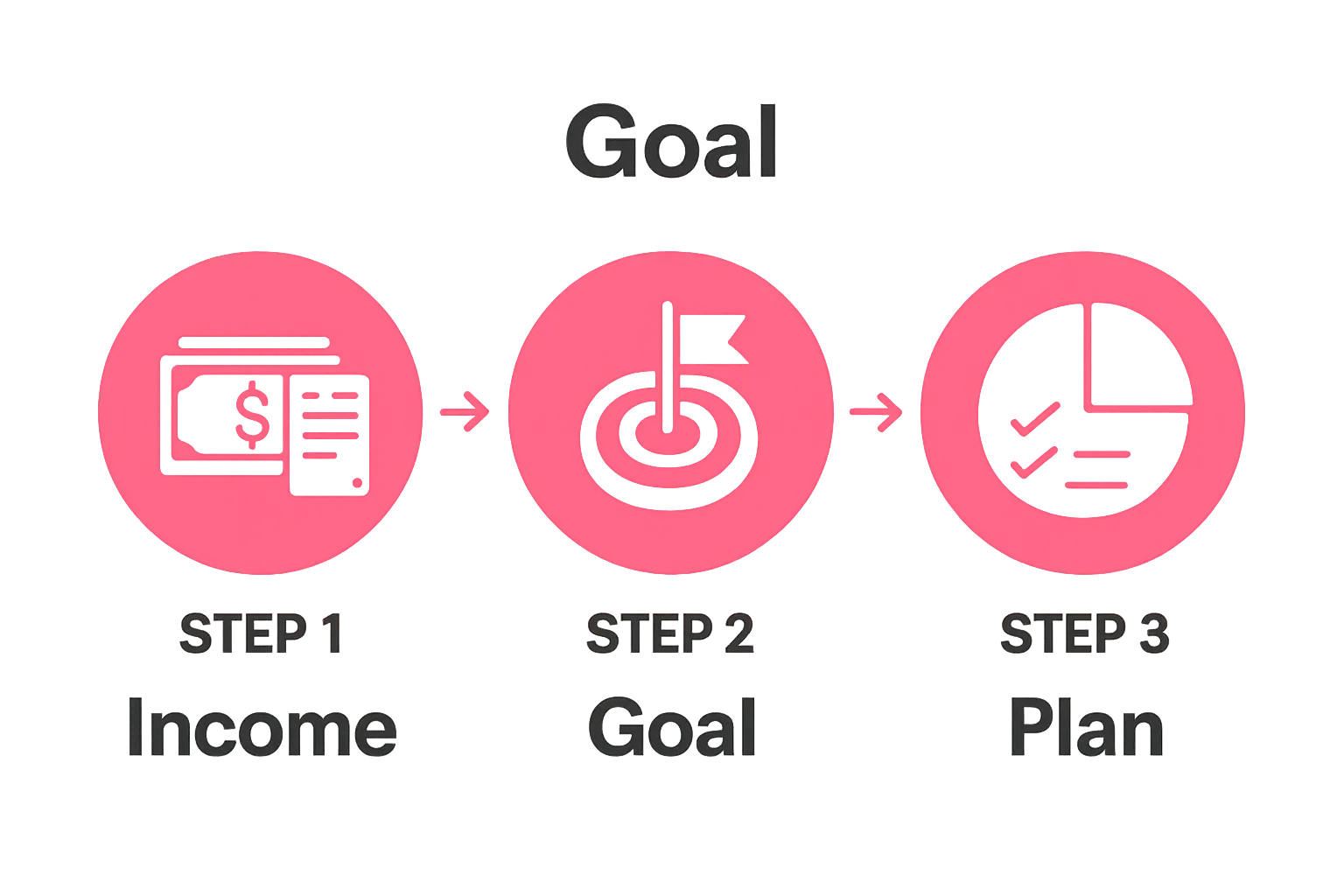
Using data from consumer budget worksheets, start by allocating money to your most critical expenses first. Prioritize fixed costs like mortgage or rent, utilities, insurance, and minimum debt payments. These are non negotiable and must be covered before any discretionary spending occurs.
Digital tools can dramatically simplify budget tracking. Consider using budgeting apps that automatically categorize expenses and provide real time spending insights. Many banking apps now offer built in budgeting features that sync directly with your accounts, making tracking effortless. Choose a tool that feels intuitive and user friendly for your family.
Involve all family members in the budgeting process to create accountability and shared understanding. Have weekly or monthly family financial check ins where you review spending, discuss progress toward goals, and make necessary adjustments. This transparent approach helps everyone feel invested in the financial plan.
Build flexibility into your budget. Unexpected expenses will always arise, so create a small buffer or contingency fund within your plan. This might mean setting aside an extra $100 $200 monthly for unforeseen costs. Having this cushion prevents minor financial surprises from derailing your entire budget.
Verification checklist for completing this step:
- All expenses categorized as essential or non essential
- Budget follows 50/30/20 allocation framework
- Prioritized spending plan created
- Budgeting tool or tracking method selected
- Contingency funds established
- Family agreement on budget approach
Remember, a budget is a living document. It should evolve with your family’s changing needs, always serving as a supportive tool for financial wellness rather than a restrictive set of rules.
Step 4: Track Income and Expenses
Tracking income and expenses is the heartbeat of your financial management strategy. Think of this step as creating a financial diary that reveals exactly where your money comes from and goes. Without consistent tracking, your budget becomes nothing more than a wishful document with no real-world impact.
Choose a tracking method that feels natural and sustainable for your family. Some families prefer digital apps, while others love traditional spreadsheets or physical notebooks. Learn more about effective expense tracking techniques to find your perfect system. The key is selecting a method you will actually use consistently.
Digital tracking offers the most convenience and accuracy. Modern budgeting apps can automatically sync with bank accounts, credit cards, and investment platforms, categorizing expenses in real time. Apps like Mint, YNAB (You Need A Budget), and Personal Capital can pull transactions automatically, saving you hours of manual entry. These tools often provide visual graphs and spending insights that make understanding your financial patterns much easier.
If digital tracking feels overwhelming, create a simple manual system. Get a dedicated notebook or spreadsheet and record every single financial transaction. Write down the date, amount, category, and payment method for each expense and income source. This might sound tedious, but it creates an incredible level of financial awareness. Collect receipts, take photos of them, or request digital receipts whenever possible to support your tracking.
Consider establishing a weekly family finance check in. Set aside 30 minutes each week where everyone sits together and reviews the past week’s spending. This creates accountability, helps catch potential overspending early, and turns financial tracking into a collaborative family activity. During these check ins, compare your actual spending against the budget you created, identifying areas of success and potential improvement.
Be honest and precise in your tracking. Small expenses add up quickly, so track everything from morning coffee purchases to streaming subscriptions. Many people are shocked when they see how much they spend on seemingly insignificant daily purchases. Creating this awareness is the first step toward meaningful financial change.
Verification checklist for completing this step:
- Tracking method selected and implemented
- All income sources being recorded
- All expenses categorized and logged
- Weekly family finance check in established
- Receipts and transaction records maintained
- Discrepancies between planned and actual spending identified
Remember, tracking is not about judgment but about understanding. Your goal is to gain clear insights into your financial behavior, which empowers you to make smarter money decisions.
Step 5: Review and Adjust Your Budget Regularly
Regular budget review is the secret sauce that transforms a static financial plan into a dynamic, responsive strategy. Your budget is a living document that should evolve with your family’s changing needs, not a rigid set of rules. Think of it like tuning a musical instrument – constant small adjustments keep everything in perfect harmony.
Check out our budgeting tips for additional insights into making this process smoother. Schedule a monthly family budget review meeting where everyone sits together and examines the past month’s financial performance. Choose a consistent time that works for everyone – maybe the first Sunday of each month after dinner or during a weekend morning when everyone is relaxed and focused.
Analyze your spending patterns with a detective’s eye. Compare your actual expenses against the budget you originally created. Look for patterns: Are you consistently overspending in certain categories? Are some budget allocations unrealistic? Maybe your grocery budget needs adjustment, or perhaps you are spending more on entertainment than anticipated. The goal is not to judge but to understand and adapt.
Be prepared to make strategic adjustments. If you notice consistent overspending in a particular category, you have three primary options: increase that category’s budget, find ways to reduce spending, or redistribute funds from another non essential category. Flexibility is your greatest financial asset. A rigid budget that cannot adapt will ultimately fail, while a responsive budget grows with your family’s changing circumstances.
Technology can be a powerful ally in budget reviews. Many budgeting apps offer comprehensive monthly reports that break down spending by category, highlight trends, and even provide predictive insights. Some apps can send automatic alerts when you are approaching budget limits in specific spending areas, helping you make real time adjustments.
Remember that life events significantly impact budgeting. A new job, a move, a child starting school, or unexpected medical expenses can dramatically shift your financial landscape. Your monthly review is the perfect time to recalibrate your budget to reflect these changes. Be proactive rather than reactive.
Verification checklist for completing this step:
- Monthly budget review meeting scheduled
- Actual spending compared against original budget
- Spending categories analyzed for potential adjustments
- Necessary budget modifications identified and implemented
- Family consensus reached on budget changes
- Technology tools utilized for comprehensive financial tracking
Ultimately, successful budgeting is about creating a financial system that supports your family’s goals and reduces money related stress.
Below is a checklist table summarizing all verification steps to ensure you have fully completed the five main budgeting process stages described in the guide.
| Step | Verification Checklist Item | Complete (Yes/No) |
|---|---|---|
| 1 | All income sources documented | |
| 1 | Complete list of monthly expenses compiled | |
| 1 | Income versus expenses calculation completed | |
| 1 | Potential areas for spending reduction identified | |
| 2 | Family financial goals discussed openly | |
| 2 | Goals written down in SMART format | |
| 2 | Goals prioritized by urgency and importance | |
| 2 | Potential obstacles and contingency plans identified | |
| 2 | Timeline established for each financial objective | |
| 3 | All expenses categorized as essential or non essential | |
| 3 | Budget follows 50/30/20 allocation framework | |
| 3 | Prioritized spending plan created | |
| 3 | Budgeting tool or tracking method selected | |
| 3 | Contingency funds established | |
| 3 | Family agreement on budget approach | |
| 4 | Tracking method selected and implemented | |
| 4 | All income sources being recorded | |
| 4 | All expenses categorized and logged | |
| 4 | Weekly family finance check in established | |
| 4 | Receipts and transaction records maintained | |
| 4 | Discrepancies between planned and actual spending identified | |
| 5 | Monthly budget review meeting scheduled | |
| 5 | Actual spending compared against original budget | |
| 5 | Spending categories analyzed for potential adjustments | |
| 5 | Necessary budget modifications identified and implemented | |
| 5 | Family consensus reached on budget changes | |
| 5 | Technology tools utilized for comprehensive financial tracking | |
| Regular reviews turn your budget from a theoretical exercise into a powerful tool for achieving your dreams. |

Transform Your Family Budgeting Into a Stress-Free Success
Struggling to keep your family on track with budgeting, organization, or finding a financial system that sticks in 2025? You are not alone. Many families feel overwhelmed by constantly tracking expenses, setting clear financial goals, and adjusting plans when life gets busy. The guide above explains crucial steps like building a practical monthly budget plan, adopting the 50/30/20 framework, and turning your budget into a living document. But even with this knowledge, many readers still struggle to maintain consistency and create real change at home.
It is time to break the cycle of financial stress, chaos, and clutter. Visit Its a Southern Life Yall to access our complete library of proven organization hacks, time management tools, and smart home systems. If you are ready to put these step-by-step budgeting strategies into action, explore our resources on starting a family budget or discover powerful goal setting tips designed for busy families just like yours. Reclaim peace and order in your home today by taking the next step toward a clutter-free, financially confident future. Act now and see how small changes can lead to life-changing results.
Frequently Asked Questions
What is the first step in creating a family budget?
Taking stock of your current financial situation is the first step. This involves gathering all financial documents to fully understand your income and expenses.
How can I set effective financial goals for my family?
To set effective financial goals, discuss what matters most to your family, define specific goals using the SMART framework (Specific, Measurable, Achievable, Relevant, Time-bound), and prioritize them based on urgency and importance.
What is the 50/30/20 rule in budgeting?
The 50/30/20 rule is a budgeting framework that suggests allocating 50% of your after-tax income to necessities, 30% to wants and discretionary spending, and 20% toward savings and debt repayment.
How often should I review and adjust my family budget?
You should review and adjust your family budget monthly. This allows you to analyze spending patterns, identify areas for improvement, and make necessary adjustments according to your family’s changing financial circumstances.
Recommended
- How to Track Family Expenses: A Simple Guide for 2025 –
- Understanding What is a Family Budget: A Clear Guide –
- Understanding Your Budget Tracking Guide for Families –
- The Complete Guide to Feeding a Family on $50 Per Week (Or As Close As Possible!) –
- Top Tips for Saving Money on Travel in the United States – Yopki
- blog | siift | 7 Best Recession Business Ideas for New Entrepreneurs
Want a little more help with this? First Budget in 30 Minutes is that same walk-through, start to finish, in one sitting.