
30 Money-Saving Home Hacks I Wish I Knew Sooner
Your house can nibble your paycheck all month long. Between extra grocery runs, inefficient laundry cycles, and forgotten subscriptions, your household expenses can quickly derail your commitment to frugal living.
When you are feeding and moving an active family, these small leaks add up fast. The best money-saving home hacks are not fancy; they simply help you waste less, buy less, and use what you already have to stay on track with your long-term financial goals.
The short answer: Most household money leaks out through food waste, utilities, and subscriptions nobody remembers signing up for. Plan meals around what’s already in the kitchen, run full loads on cold, and audit the recurring charges twice a year. None of it is dramatic — but together these small habits are what keep the grocery run from quietly eating the month.
Key Takeaways
- Prioritize efficiency over deprivation: Small, consistent habits like meal planning and using cold water for laundry prevent daily budget leaks without sacrificing your quality of life.
- Master your inventory: Keep track of what you already own—from pantry staples to cleaning supplies—to avoid duplicate purchases and unnecessary shopping trips.
- Control utility and subscription costs: Small adjustments to your thermostat, switching to power strips, and auditing your monthly subscriptions can yield significant, recurring savings.
- Adopt a pause-and-repair mindset: Before buying new items or impulse-purchasing household gadgets, attempt to repair what you have, check for second-hand options, or implement a 24-hour waiting period.
Kitchen habits and meal planning to cut grocery waste
When life gets busy, the kitchen is where money slips away first. Integrating consistent meal planning into your routine is the best way to regain control and keep your budget on track.
1) Shop your pantry first. Before you make a list for your groceries, look in the freezer, fridge, and cabinets. A few half-used ingredients can become one full dinner, which saves you from a quick stop that somehow turns into an extra $40.
2) Keep an “eat this first” bin in the fridge. Put yogurt near its date, leftover chicken, cut fruit, and open cheese in one visible spot. That little bin works like a flashing light, and it is a simple way to reduce food waste by keeping good items from becoming trash.

3) Put one leftover night on the calendar. Call it clean-out night, fend-for-yourself night, or snack plate supper. One flexible meal each week can clear the fridge and cut your grocery bill without anyone feeling like they are eating the same thing again.
4) Freeze extra portions right away. If a recipe makes too much, don’t promise yourself you will remember it later. Freeze it in family-size containers while it is still fresh, and you will save future you from ordering takeout on a chaotic Tuesday.
5) Cook one base, then turn it into two meals. This style of bulk cooking is a game changer. Taco meat can become nachos the next day. Shredded chicken can go into quesadillas, soup, or rice bowls. One cooking session, two dinners, less money, and less stress.
6) Prep drinks and snacks at home. Fill water bottles before practice, portion crackers into containers, and brew your coffee at home. Convenience costs sneak in through drive-thrus, gas stations, and those little “while we are out” purchases.
7) Track prices on the staples you buy all the time. You do not need a giant spreadsheet. Keep a short note on your phone for milk, eggs, bread, berries, and meat, so you know a sale from a fake sale when buying your groceries.
Utility bill fixes that don’t feel like punishment
Big savings usually come from boring habits, and that’s good news. Even tips for saving on family expenses often start with utility bills, because those utility bills keep showing up every single month.
If the room feels fine in socks and a sweatshirt, the thermostat probably doesn’t need to work harder.
8) Nudge the thermostat a little, not a lot. A couple of degrees can make a real difference over a month. Using a programmable thermostat makes these small nudges effortless, allowing you to stop paying for extra comfort you barely notice.
9) Use curtains like a tool. Open them during sunny winter hours, then close them before the temperature drops. In summer, keep them shut during the hottest part of the day, especially in rooms that catch direct afternoon sun.
10) Change HVAC filters on schedule. A clogged filter makes your system work harder than it should. That is bad for airflow, bad for your unit, and bad for your budget, all because of a simple task that takes two minutes to complete.
11) Run the dishwasher and washing machine only when they’re full. Half-loads feel harmless, but they add up fast. Waiting one more day can save water, soap, and electricity without making life harder.
12) Wash most clothes in cold water. Modern detergent does the job in cold for everyday laundry. Save hot water for the rare mess that truly needs it, and let your water heater rest the rest of the week.
13) Air-dry part of every load. Adopting these energy-efficient habits, such as hanging athletic wear, towels, and pajamas, can chip away at electric costs over time. Even skipping the dryer for a few items per load makes a difference.

14) Fix drips and running toilets fast. A slow faucet leak looks tiny, but wasted water loves patience. The same goes for a toilet that keeps running after you walk away, as that sound is money going down the drain.
15) Upgrade your fixtures. Installing low-flow fixtures and checking your attic insulation are effective ways to stop wasting resources and lower your monthly output.
16) Put electronics on power strips. Game systems, chargers, TVs, and little glowing boxes keep sipping power when nobody is using them. One flip of a switch at night is easier than unplugging everything one by one.
Household supply swaps that stretch every dollar
A lot of home spending comes from buying the same things over and over without noticing.
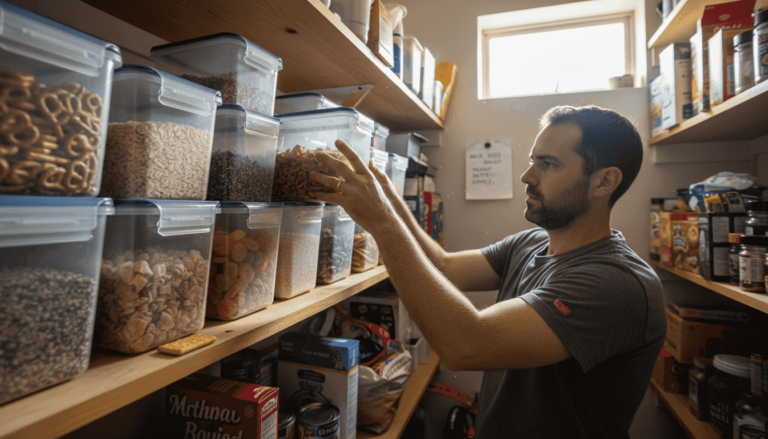
16) Keep one backstock basket. Store your extra toothpaste, soap, trash bags, and paper products in one place. When you buy in bulk to save money, keeping everything in one spot prevents you from buying duplicates because you assume you are out.
17) Use reusable alternatives for everyday messes. Save paper towels for greasy jobs, pet messes, or truly gross cleanup. For counters, spills, and lunchbox drips, old washcloths and cut up T-shirts serve as washable rags that do the work for free.
18) Measure detergent and switch to store options. Most people use more laundry soap and dish soap than they need. The bottle empties faster, your clothes do not get cleaner, and you end up paying for extra product. Try using generic brands, as they often work just as well as name brands for a fraction of the cost.
19) Use multi-use cleaners instead of a spray for every surface. One or two basics can handle most rooms in your house, or you can mix your own DIY cleaning products with vinegar and water. Fewer bottles means less clutter, fewer impulse buys, and fewer half-used products shoved under a sink.
20) Repair simple things or buy second-hand before you replace them. Sew a loose button, tighten a wobbly chair, patch a backpack, or replace a vacuum belt. If an item is beyond repair, look for a replacement second-hand rather than buying new. Small fixes and pre-owned finds are often much cheaper when kids and daily life are hard on your belongings.
21) Keep a donate or sell bin near the laundry room or garage. If something no longer fits, works, or gets used, do not let it sit there forever. That habit frees space, cuts future duplicate purchases, and can bring in a little extra cash.
22) Borrow or rent the stuff you barely use. Carpet cleaners, power tools, party tables, and specialty kitchen gear do not all need to live in your house. If you use it once or twice a year, borrowing makes more sense than buying.
23) Use the library harder. Books are the obvious win, but many libraries also offer movies, audiobooks, puzzles, activity kits, and digital apps. If you want more everyday ideas, this list of smart money-saving hacks also points back to selling and reusing what you already have.
Smarter buying routines for busy family homes
Sometimes the cheapest fix isn’t a coupon. It is a better system.
24) Keep a shared running list or use a budgeting app. When you and your family add items as you notice them, you avoid forgotten essentials and random guesswork. Using a digital tool to track spending helps you spot patterns, meaning fewer emergency trips and fewer unnecessary purchases.
25) Use a 24-hour pause for non-essential home buys. Baskets, organizers, decor, gadgets, and seasonal items often look useful in the moment, leading to frequent impulse purchases. If you still want the item tomorrow, fine. If not, you just kept that money in your pocket.

26) Sweep unused subscriptions once a month. Streaming services, meal apps, kid activity boxes, cloud storage, and auto-ship orders can pile up quietly. Pick one date each month, scan your bank statement, and cut anything you forgot you were paying for.
27) Set reminders for due dates and renewals. Late fees are one of the most annoying ways to lose money. A few phone alerts, or autopay on stable bills, can keep your cash from slipping out over something avoidable. While you are at it, remember to use cash-back rewards on necessary purchases to get a little extra value from your routine spending.
28) Compare unit prices, not just sticker prices. Bigger is not always cheaper. Warehouse packs only save money when your family will use them before they expire, dry out, or get shoved behind something else and forgotten. Always check the shelf tag for the price per ounce or count.
29) Save measurements, filter sizes, and paint colors on your phone. That one habit can stop wrong purchases and wasted return trips. It also keeps you from buying something “close enough” and then having to purchase a second version later.
30) Plan one no-spend home weekend each month. Use what you already have for meals, entertainment, and errands. It is a great way to track spending and see where your household resources are actually going. Need a little fresh inspiration while you clean out a drawer? This video with 135 savings ideas is handy background fuel.
Frequently Asked Questions
Can I really save money by changing my thermostat by only a few degrees?
Yes, adjusting your thermostat by just a couple of degrees can lead to noticeable savings on your monthly energy bill. By wearing layers or using curtains to manage sunlight, you can maintain comfort without forcing your HVAC system to work harder than necessary.
How can I stop buying things I don’t actually need?
The 24-hour pause rule is an excellent way to curb impulse spending on non-essential items like decor or gadgets. If you still feel the need for the item the next day, you can reconsider, but often the desire fades, keeping that money firmly in your pocket.
Are generic store brands always worth buying?
In many cases, generic store brands offer the same quality as name-brand cleaning products and detergents at a fraction of the cost. The key is to check the unit price rather than just the sticker price to ensure you are getting the best value for your specific household needs.
What is the best way to handle ‘leftover’ food?
Instead of letting leftovers go to waste, designate one night a week for a ‘clean-out’ meal or freeze portions in family-sized containers immediately. Keeping a visible ‘eat this first’ bin in your fridge also helps ensure that ingredients nearing their expiration date are used before they end up in the trash.
Final thoughts
The sneaky part of home spending is that it rarely looks dramatic. It is the extra grocery stop, the half-cap of wasted detergent, the forgotten app charge, and the dryer cycle you did not need.
That is why these hacks work. They cut the repeat costs, and those are the ones that shape your month. Frugal living is not about deprivation or cutting out everything you love; it is about efficiency. When you master these small habits, you can redirect the money you save directly into your emergency fund, providing a safety net for when you need it most.
As a final power move, consider calling your providers to negotiate bills for services like internet, cable, or insurance. You might be surprised at how much they are willing to lower your rate just to keep you as a customer.
Pick three strategies and start there. Small leaks are easier to fix than big financial emergencies, and your budget will feel that difference faster than you think.
Want a little more help with this? Grab my free Finance & Life Planner over on the Free Resources page — and when you’re ready to go deeper, the First Budget in 30 Minutes will carry you the rest of the way.