How to Organize Pantry for Stress-Free Family Living
Over half of American households report wasting food every month, often due to pantry chaos. An organized pantry not only saves money but also makes daily meal prep faster and less stressful for busy families. This step by step guide reveals how to transform cluttered shelves into a streamlined space that is easy to maintain and enjoyable to use.
Table of Contents
- Step 1: Clear Out Shelves And Assess Contents
- Step 2: Group Items By Family Needs And Frequency
- Step 3: Select Smart Containers And Label Everything
- Step 4: Arrange Essentials For Easy Access
- Step 5: Review System And Maintain Order Weekly
Quick Summary
| Key Insight | Explanation |
|---|---|
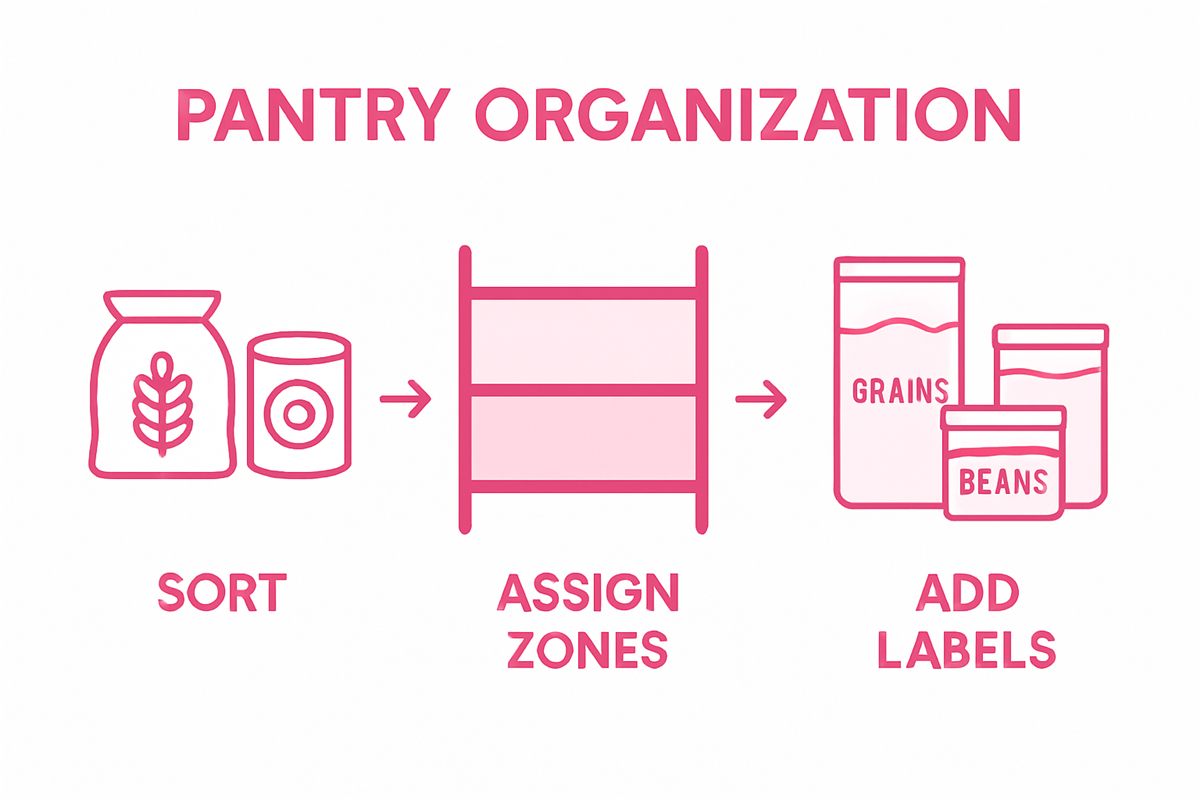
| 1. Clear Out and Clean Shelves | Empty your pantry completely, checking expiration dates and cleaning surfaces to prevent spoilage and pests. Organize items into keep, donate, and trash piles. |
| 2. Organize by Frequency and Type | Group food items according to their usage frequency and type, placing everyday items at eye level for easy access. Create zones for meals and snacks. |
| 3. Use Smart Containers and Labeling | Choose clear, airtight containers for easy identification of contents. Implement a labeling system to help family members find and replace items. |
| 4. Arrange Essentials for Easy Access | Organize your pantry strategically by placing frequently used items within easy reach. Create logical zones to enhance meal preparation efficiency. |
| 5. Maintain Order Weekly | Set a weekly schedule to review pantry contents, check dates, and reorganize. Involve the family in this task to promote responsibility and teamwork. |
Step 1: Clear Out Shelves and Assess Contents
Cleaning out your pantry is like hitting a reset button for your kitchen organization. Your goal is to create a fresh, functional space that makes meal preparation easier and prevents food waste.
Start by completely emptying your pantry shelves. This means taking out every single item – no exceptions. As you remove items, check expiration dates and signs of spoilage carefully. Toss anything past its prime or showing signs of potential contamination. Pro tip: Create three piles – keep, donate, and trash.
While your shelves are empty, this is the perfect opportunity for a deep clean. Use a food-safe sanitizing solution to wipe down all surfaces thoroughly. The USDA recommends paying special attention to preventing potential pest infestations during this process. Look for any signs of rodents or insects and address any potential entry points.
As you prepare to restock your shelves, consider grouping similar items together. Baking supplies in one area, canned goods in another, and snacks in a designated zone. This strategic approach will make future meal planning and grocery shopping significantly smoother. Your future self will thank you for this moment of organization.
Step 2: Group Items by Family Needs and Frequency
Organizing your pantry is more than just putting things away – it is about creating a system that works for your family’s unique eating habits and lifestyle. Strategically arranging your pantry items can transform your cooking and meal planning experience.
Start by categorizing your food items based on their usage frequency and type. Group similar items together such as grains, baking supplies, canned goods, and snacks. Place everyday items like breakfast cereals, cooking oils, and frequently used spices at eye level for easy access. Less frequently used ingredients can be stored on higher or lower shelves.
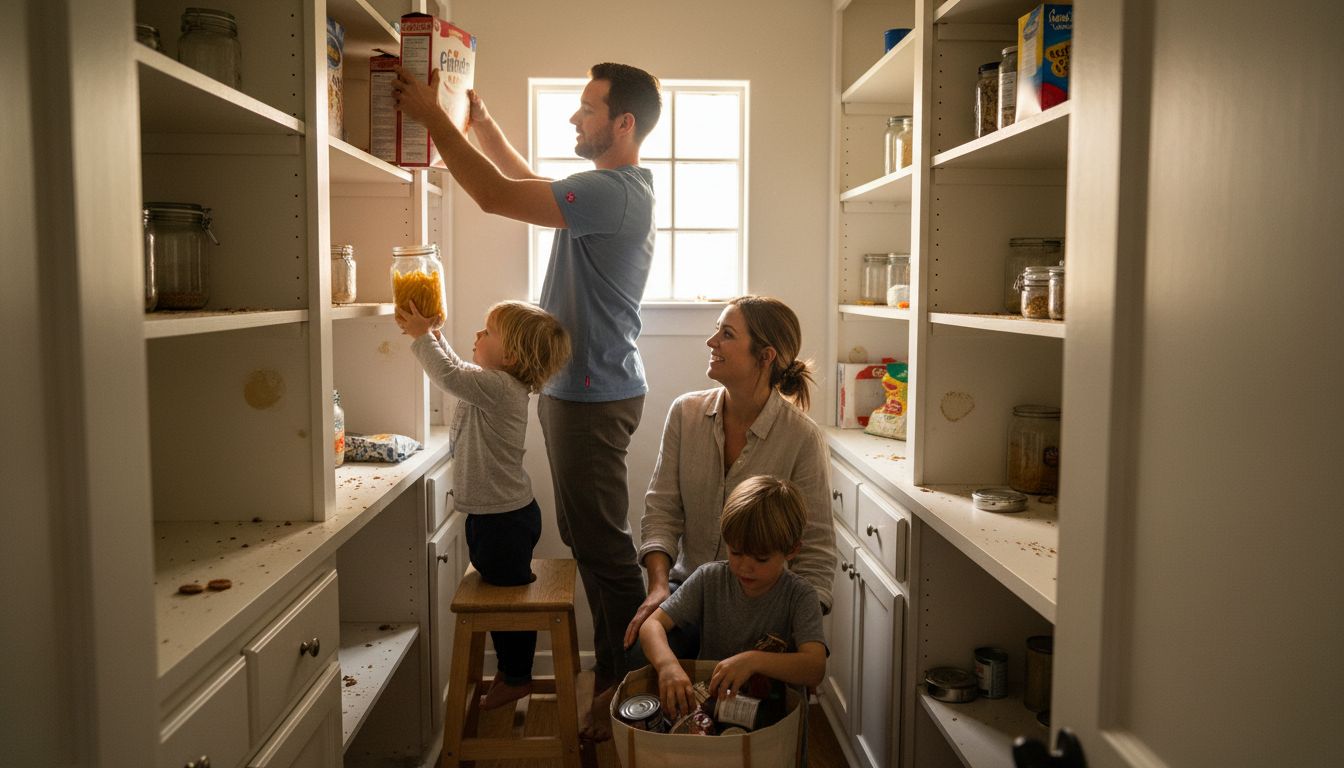
Consider creating designated zones for different meal types or family needs. A breakfast zone might include oatmeal, pancake mix, and morning staples. A baking section could house flour, sugar, and baking powder. For families with kids, create a snack zone with healthier options at child-friendly heights. This approach not only makes finding items easier but also helps with meal planning and grocery shopping. Your newly organized pantry will save you time and reduce daily kitchen stress.
Step 3: Select Smart Containers and Label Everything
Transforming your pantry organization starts with choosing the right storage solutions that make accessing ingredients simple and stress free. Using clear containers helps you quickly identify contents and prevent unnecessary purchases.
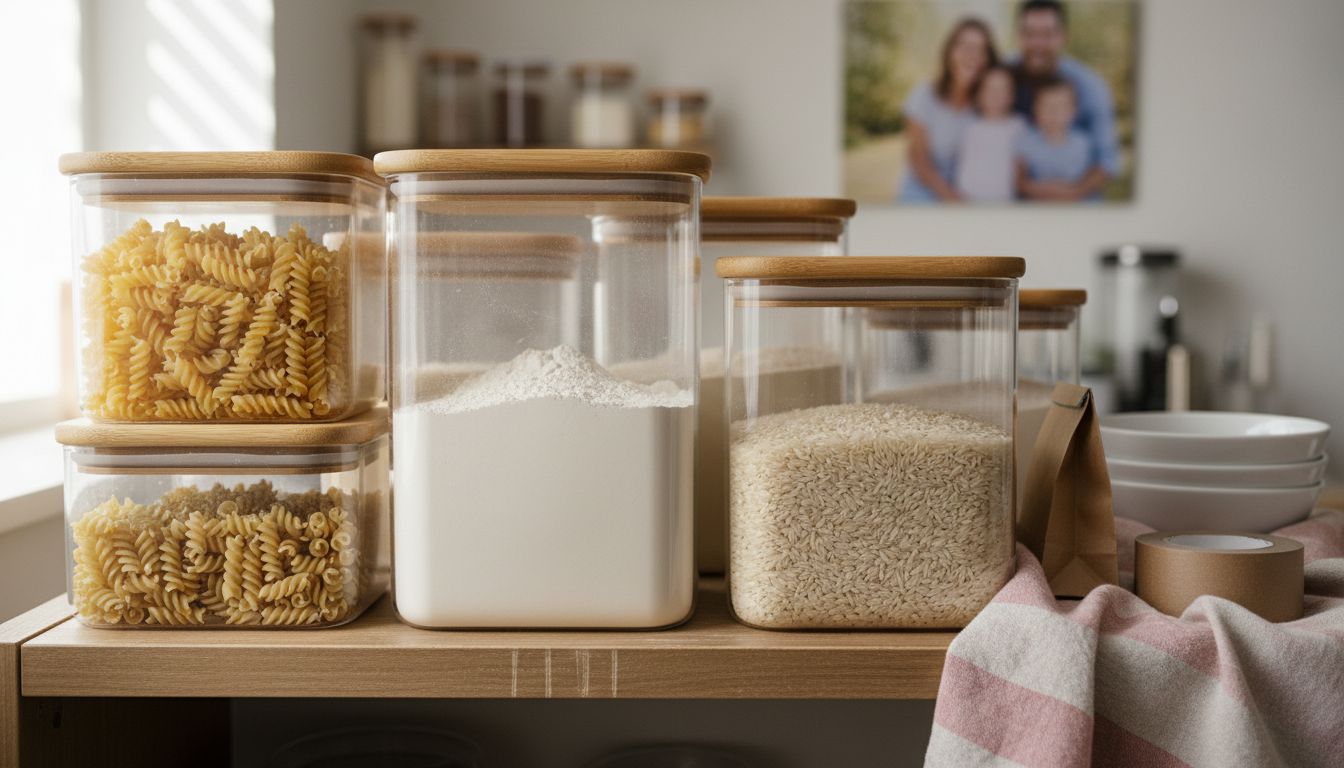
Invest in a mix of transparent glass and plastic containers with airtight seals. Choose containers in similar sizes and shapes to maximize shelf space and create a uniform look. Different sizes work well for various ingredients like grains, pastas, baking supplies, and snacks. Labeling these containers and shelf spaces ensures everyone in the family can find and return items to their designated spots.
Consider creating a labeling system that works for your entire family. Use a label maker or chalkboard labels for a clean look. Include the item name and potentially the purchase or expiration date. For families with kids, you might use color coded labels or picture labels to help younger members participate in maintaining the pantry organization. This approach turns pantry management from a chore into a fun family activity that teaches responsibility and teamwork.
Step 4: Arrange Essentials for Easy Access
Designing a pantry layout that works for your family means thinking strategically about where you place everything. Placing frequently used items at eye level ensures quick and easy access during busy meal preparation times.
Create logical zones within your pantry based on usage and meal types. Organize items into categories like grains, canned goods, baking supplies, and snacks, strategically positioning them for maximum efficiency. Consider creating a breakfast zone with cereals, oatmeal, and morning staples at easy reach. Your baking section might include flour, sugar, and spices grouped together. Keep kid friendly snacks at a lower height so children can independently grab healthy options.
Pro tip for families with limited space: Use stackable containers and vertical storage solutions to maximize every inch of your pantry. Think about your family’s daily routines and customize your arrangement to make meal preparation smoother and more enjoyable. By creating an intentional system, you will reduce mealtime stress and make your kitchen feel more organized and welcoming.
Step 5: Review System and Maintain Order Weekly
Creating an organized pantry is just the beginning a consistent maintenance routine will keep your system running smoothly. Establishing a weekly review schedule helps prevent food waste and ensures your pantry remains clean and functional.
Set aside a specific time each week to assess your pantry contents and reorganize as needed. Start by checking expiration dates and removing any items that have gone bad. Take a few minutes to wipe down shelves, reorganize containers, and make note of items running low. Involve your family members in this process make it a quick team effort that teaches everyone about food management and responsibility.
Pro tip create a simple checklist or use a notes app to track pantry inventory. Rotate older items to the front and newer items to the back to ensure nothing gets forgotten. By dedicating just 15 minutes each week to pantry maintenance, you will save time and money in the long run while keeping your kitchen running like a well oiled machine.
Make Your Pantry a Stress-Free Zone for Your Family
Feeling overwhelmed by cluttered shelves and mealtime stress is common for busy families trying to manage their pantry. This article highlights key challenges like expired items, lack of a clear system, and hard-to-find essentials that slow down meal preparation and increase frustration. Imagine transforming your pantry into a perfectly organized space where every item has its place, and weekly upkeep feels effortless rather than a chore.
At Its a Southern Life Yall, we understand that organizing your pantry is just one part of creating a peaceful home environment. Our practical decluttering solutions, home management systems, and time management tools are designed to help you maintain order and reduce daily chaos. Start building your stress-free family life today by exploring our easy strategies and make your pantry the heart of smooth, simple meal preparations.
Frequently Asked Questions
How can I clear out my pantry effectively?
Start by emptying your entire pantry and checking expiration dates on all items. Create three piles: keep, donate, and trash, ensuring that you remove any expired or spoiled foods.
What is the best way to group pantry items for my family’s needs?
Categorize your pantry items based on usage frequency, such as daily essentials at eye level and less frequently used items on higher shelves. Designate specific zones for breakfast, baking, and snacks to streamline meal preparation.
How should I choose containers for my pantry?
Opt for clear, airtight containers that are all similar in size and shape to maximize shelf space. Make sure to label each container clearly so that all family members can easily find and return items to their proper places.
What are effective strategies for maintaining an organized pantry?
Set a weekly review schedule to check expiration dates and reorganize as necessary. Keeping track of your pantry inventory can help you prevent food waste and ensure that your organized system remains functional over time.
How can I make my pantry more accessible for kids?
Create a designated snack zone at a height that is easy for children to reach and include healthier options. Use colorful or picture labels on containers to encourage kids to help with pantry organization and learn about food management.
Recommended
- How to Declutter Home Naturally for Busy Families – It’s a Southern Life Ya’ll
- 7 Simple Ways to Refresh Your Home for Busy Families – It’s a Southern Life Ya’ll
- 7 Effective Types of Home Organization Systems – It’s a Southern Life Ya’ll
- How to Create a Peaceful Home for Your Family – It’s a Southern Life Ya’ll
- Cozee Bay – 7 Essential Tips for Your Kitchen Organization Checklist
Want a little more help with this? Grab my free Kitchen Reset Kit over on the Free Resources page — and when you’re ready to go deeper, the Meal Genie will carry you the rest of the way.