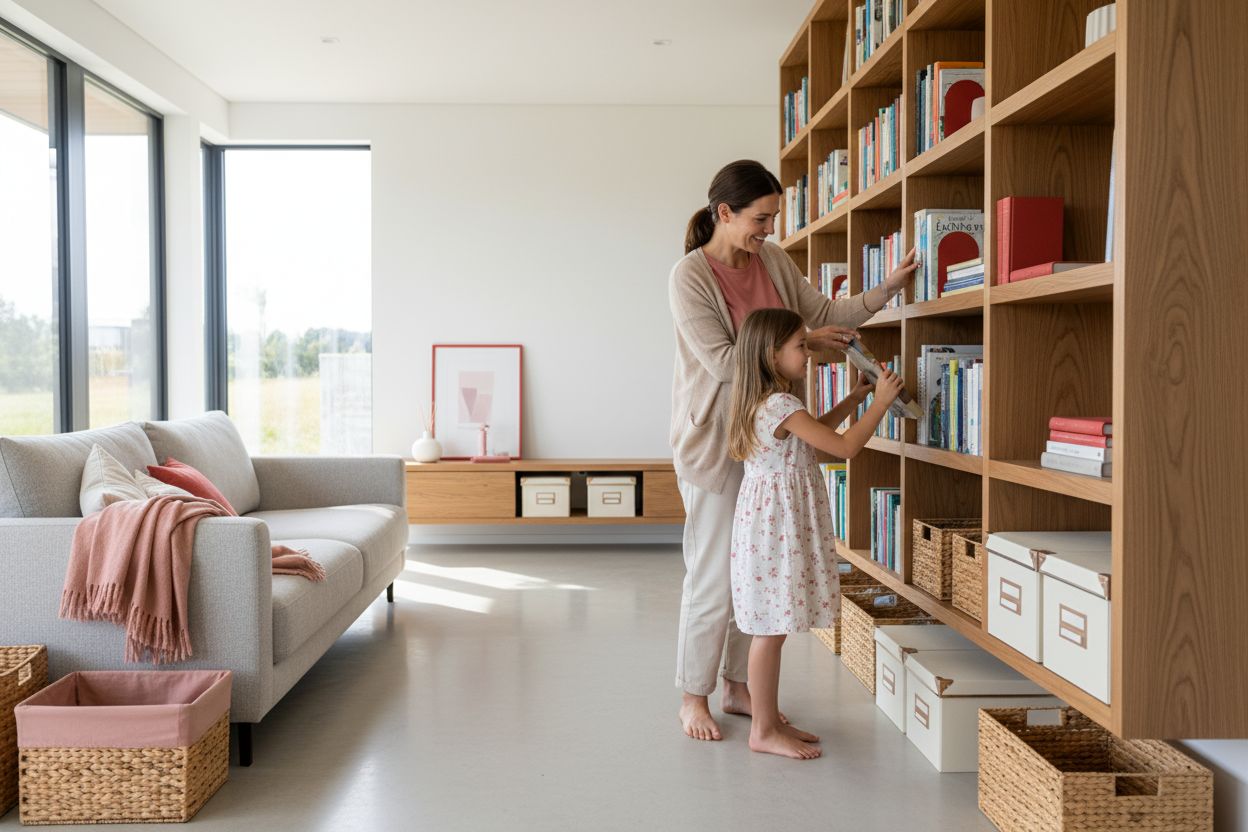
What is Home Organization: Understanding Its Importance
Home organization sounds like it is just about keeping things tidy and clean. But studies show that organizing your home can reduce daily stress levels by up to 40 percent and help your brain function better. It is not about perfect magazine-ready rooms, but about creating real spaces that actually make your life easier and your days more peaceful.
Table of Contents
- Defining Home Organization And Its Purpose
- The Importance Of Home Organization For Families
- How Home Organization Influences Daily Life
- Key Concepts And Principles Of Home Organization
Quick Summary
| Takeaway | Explanation |
|---|---|
| Home organization reduces daily stress | Structured spaces minimize the mental burden of searching for items, leading to a calmer environment. |
| Effective organization enhances productivity | Organized areas help you find what you need quickly, allowing more time for meaningful tasks. |
| Families benefit from collaborative organization | Working together on organizing fosters teamwork, communication, and develops valuable life skills in children. |
| An organized environment supports mental health | Clutter-free spaces contribute to lower stress levels, promoting emotional balance and clarity. |
| Purposeful placement is key to organization | Every item should have a designated spot that logically aligns with its use, enhancing function and efficiency. |
Defining Home Organization and Its Purpose
Home organization is more than just tidying up your living spaces. It’s a strategic approach to managing your home environment that creates efficiency, reduces stress, and improves overall quality of life. At its core, home organization involves creating systematic methods to arrange, store, and maintain your personal spaces in a way that maximizes functionality and minimizes clutter.
What Home Organization Really Means
Think of home organization as a personalized blueprint for how you want your living spaces to work for you. It’s not about creating a picture-perfect home that looks like it belongs in a magazine, but about designing spaces that support your daily life and help you move through your routines with greater ease. This means different things for different families – a working parent might prioritize quick access to work materials, while a homeschooling family might need dedicated learning spaces.
According to organizational psychology research, effective home organization can significantly reduce mental stress and improve overall cognitive function. When your physical environment is structured and predictable, your brain expends less energy on managing chaos and more energy on important tasks.
The Core Purposes of Home Organization
Home organization serves several critical purposes that extend beyond simple cleanliness:
- Reduce Daily Stress: By creating clear systems and designated spaces for items, you minimize the mental burden of constant searching and reorganizing.
- Increase Productivity: Well-organized spaces help you find what you need quickly, saving time and reducing frustration.
- Create Peaceful Environments: Organized homes feel calmer and more inviting, which can positively impact mental health and family dynamics.
For those looking to dive deeper into home organization strategies, check out our guide on organizing life which offers practical insights into creating more structured and harmonious living spaces.
The Importance of Home Organization for Families
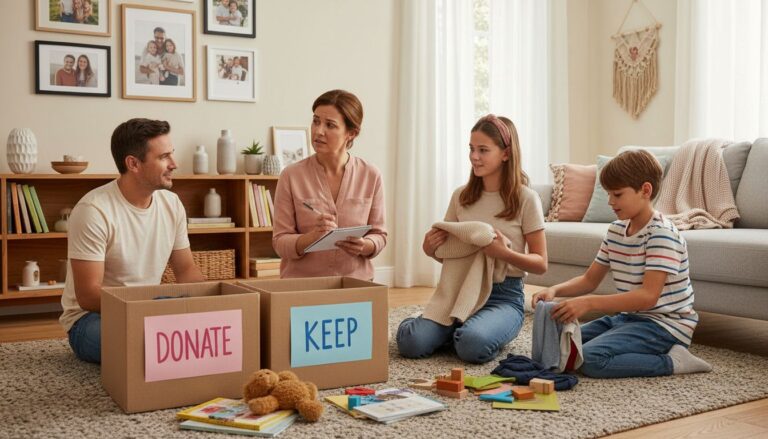
Home organization is not just a personal task but a critical family strategy that impacts everyone under your roof. When families work together to create organized living spaces, they build more than just tidy rooms – they create supportive environments that enhance communication, reduce stress, and promote collective well-being.
How Family Organization Transforms Home Dynamics
Organization acts like an invisible framework that supports family interactions. By establishing clear systems and expectations, families can reduce daily friction points that often lead to arguments or frustration. For instance, a well-organized mudroom with designated spaces for each family member’s shoes, backpacks, and jackets eliminates morning chaos and helps everyone start their day smoothly.
Research from family dynamics experts suggests that families with structured home environments experience fewer conflicts and demonstrate stronger collaborative skills. This means children learn valuable life skills by observing and participating in organizational processes.
Key Benefits of Family Home Organization
Families gain numerous advantages when they prioritize home organization:
- Improved Time Management: Reduced time searching for lost items means more quality time together
- Enhanced Financial Health: Organized spaces prevent duplicate purchases and help track household expenses
- Better Mental Wellness: Reduced physical clutter contributes to lower stress levels for all family members
For families seeking practical strategies to improve their organizational skills, explore our time management tips that can transform your home’s daily rhythm.
By treating home organization as a collective family project, you create more than just an efficient living space – you build a supportive system that nurtures individual growth and strengthens family bonds.
To clarify the practical benefits of home organization described in the article, the table below summarizes the main advantages for families and individuals, along with their direct impact on daily life.
| Benefit | Description | Impact on Daily Life |
|---|---|---|
| Reduced Daily Stress | Systems reduce searching and chaos | Calmer, more predictable routines |
| Increased Productivity | Quick access to needed items | More time for important tasks |
| Improved Time Management | Less time spent looking for things | Extra quality time together |
| Enhanced Financial Health | Less duplicate purchases, easier expense tracking | Smarter spending, less waste |
| Better Mental Wellness | Clutter reduction lowers stress for everyone | More relaxed atmosphere |
| Supports Teamwork | Shared organization develops collaboration and respect | Unified approach to household tasks |
| Purposeful Placement | Everything has a logical, assigned spot | Greater efficiency and ease |
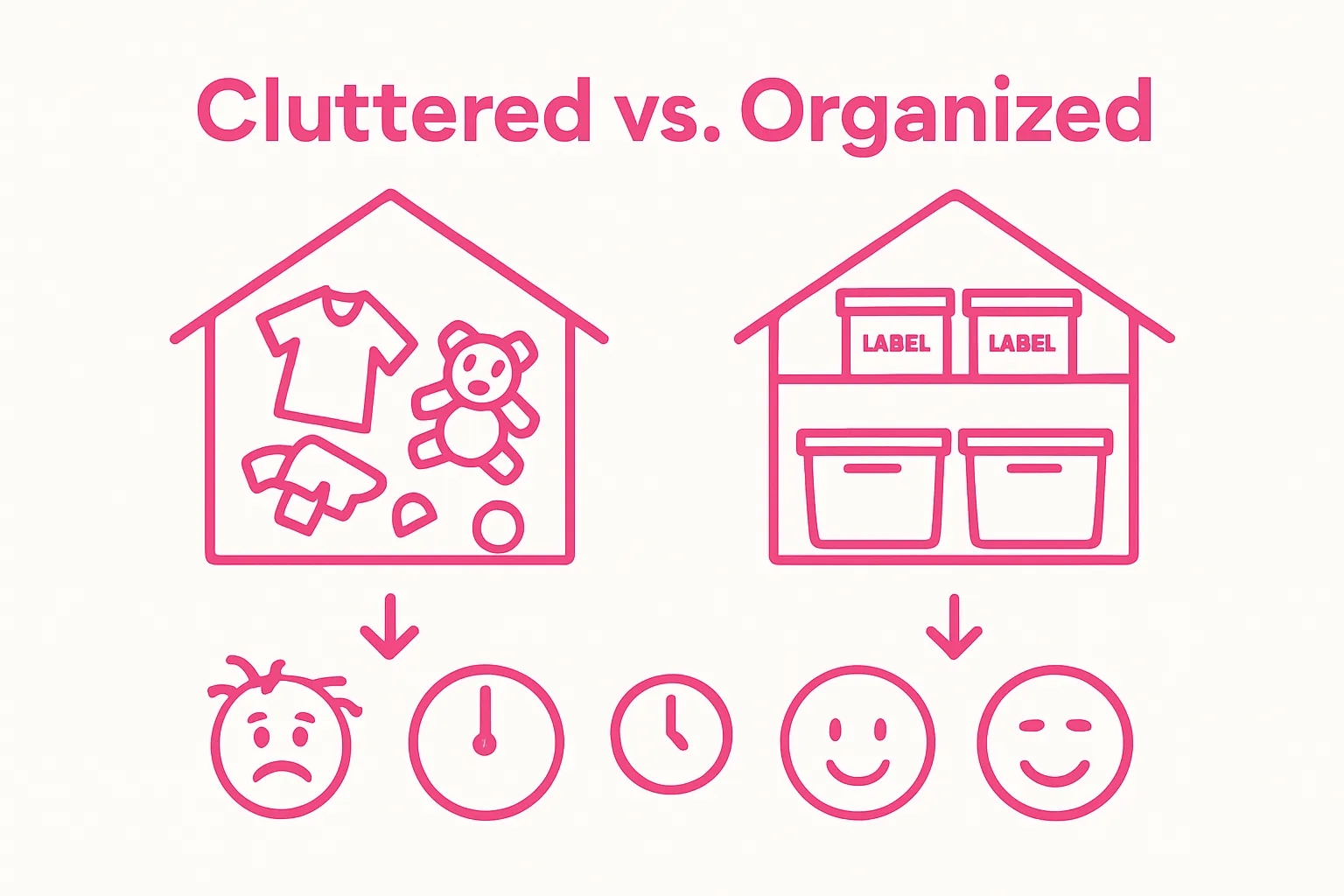 Each small organizational win becomes a shared achievement that reinforces teamwork and mutual respect.
How Home Organization Influences Daily Life
Home organization is not merely a visual aesthetic but a powerful tool that fundamentally transforms how we experience our daily routines. It acts as an invisible framework that shapes our interactions, productivity, and emotional well-being, touching every aspect of our personal and professional lives.
The Psychological Impact of Organized Spaces
Our physical environment directly influences our mental state. Cluttered spaces create mental noise that constantly competes for our attention, draining cognitive resources and increasing stress levels. When your home is organized, you create a sense of predictability and control that helps your brain function more efficiently. This means less mental energy spent on managing chaos and more focus on meaningful tasks and personal growth.
Psychological research reveals that individuals living in organized environments experience lower cortisol levels, which translates to reduced stress and improved emotional regulation. A tidy living space becomes a sanctuary that supports mental clarity and emotional balance.
Practical Everyday Transformations
Home organization creates tangible improvements in daily life through several key mechanisms:
- Reduced Decision Fatigue: Organized spaces minimize unnecessary choices about where things belong
- Increased Efficiency: Streamlined systems help you move through tasks more quickly
- Enhanced Personal Performance: Clear environments support better concentration and workflow
For those seeking practical strategies to optimize their living spaces, explore our kitchen organizing tips that can help you create more functional and peaceful home environments.
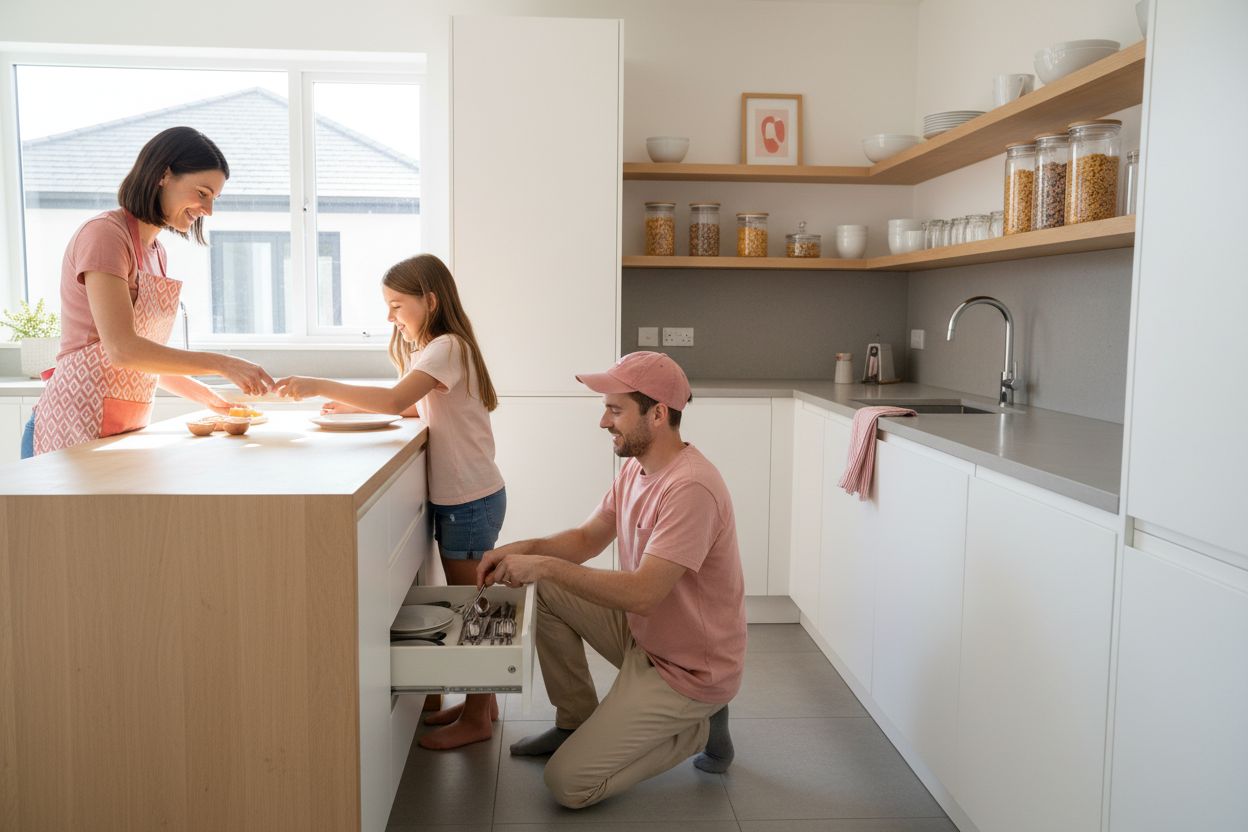
Ultimately, home organization is about creating intentional living spaces that support your goals, reduce unnecessary stress, and allow you to invest your energy in what truly matters. By understanding and implementing strategic organizational approaches, you transform your home from a mere physical structure into a dynamic support system for your life’s aspirations.
Key Concepts and Principles of Home Organization
Home organization is a strategic approach that goes beyond simple cleaning or tidying. It involves understanding fundamental principles that transform how we interact with our living spaces. By mastering these core concepts, individuals can create more functional, peaceful, and efficient home environments.
The Foundation of Organizational Thinking
At its core, home organization is about intentional space management. This means every item in your home should have a purposeful place and a clear rationale for being there. The goal is not to create a sterile environment, but to design spaces that support your lifestyle, reduce unnecessary stress, and enhance your daily experiences.
According to organizational psychology research, effective organization is less about perfection and more about creating systems that work uniquely for you. Each household has different needs, rhythms, and challenges, which means there’s no universal one-size-fits-all approach to home organization.
Core Principles of Effective Home Organization
Successful home organization relies on several key principles that can be applied across different spaces and living situations:
- Purposeful Placement: Every item should have a designated home that makes logical sense for its use
- Regular Reassessment: Periodically review and adjust your organizational systems as your life and needs change
- Simplification: Reduce unnecessary items and complexity in your storage and management approaches
For those looking to start their organizational journey, learn how to clear clutter from your home and create more intentional living spaces.
Understanding these principles is about recognizing that home organization is not a destination but an ongoing process of creating living spaces that support your personal and family goals. It’s a dynamic approach that evolves with your lifestyle, helping you maintain environments that feel both functional and nurturing.
Ready to Turn Chaos Into Calm? Discover Solutions That Work for Your Family
Struggling with clutter, daily stress, and disorganized routines can leave your home feeling overwhelming and your mind exhausted. As explored in the article, effective home organization is much more than tidying up. It is about creating systems that reduce stress, boost productivity, and nurture a peaceful living environment for your entire family. If you have found yourself wishing for clear routines or a more supportive home structure, you are not alone. Many busy families share the same goal of transforming their homes into functional and harmonious spaces.
Now is the perfect time to make a real change. Get inspired and start building your own organization blueprint with proven hacks and routines here. With practical decluttering solutions, time management tools, and easy systems for everyday living, our resources bridge knowledge with action. Do not wait for tomorrow. Visit itsasouthernlifeyall.com today to take the first step toward a calmer and more organized home.
Frequently Asked Questions
What is home organization?
Home organization is the strategic management of your living spaces to enhance efficiency, reduce stress, and improve quality of life. It involves creating systems for arranging, storing, and maintaining personal spaces to minimize clutter and maximize functionality.
Why is home organization important for families?
Home organization fosters better communication, enhances time management, and reduces conflicts within families. It creates a supportive environment where everyone can thrive, leading to improved mental health and collective well-being.
How does an organized home impact mental health?
An organized home helps reduce clutter, which in turn decreases stress and mental noise. A tidy living space contributes to lower cortisol levels, promoting emotional balance and mental clarity.
What are the core principles of effective home organization?
The core principles of effective home organization include purposeful placement of items, regular reassessment of organizational systems, and simplification by reducing unnecessary items. These principles help create functional, nurturing living spaces.
Recommended
- organizing –
- organize kitchen –
- organizing tips –
- organizing life –
- Understanding Homesteading Essentials for Sustainable Living – FenceFast Ltd.
- 8 Kitchen Organization Ideas for Busy Families
Ready to put this into practice? The Room-by-Room Reset turns all of this into a plan you can work through one room at a time.