Fun Outdoor Hobbies for Families to Learn Together
Over 1,500 family friendly trails invite families in the United States to step outside and make new memories together. Time spent exploring nature does more than offer fresh air and sunlight. It helps families connect, unplug, and build lasting bonds through discovery and adventure. Whether your group is filled with tiny explorers or seasoned hikers, you will find activities that inspire everyone to enjoy the benefits of outdoor fun together.
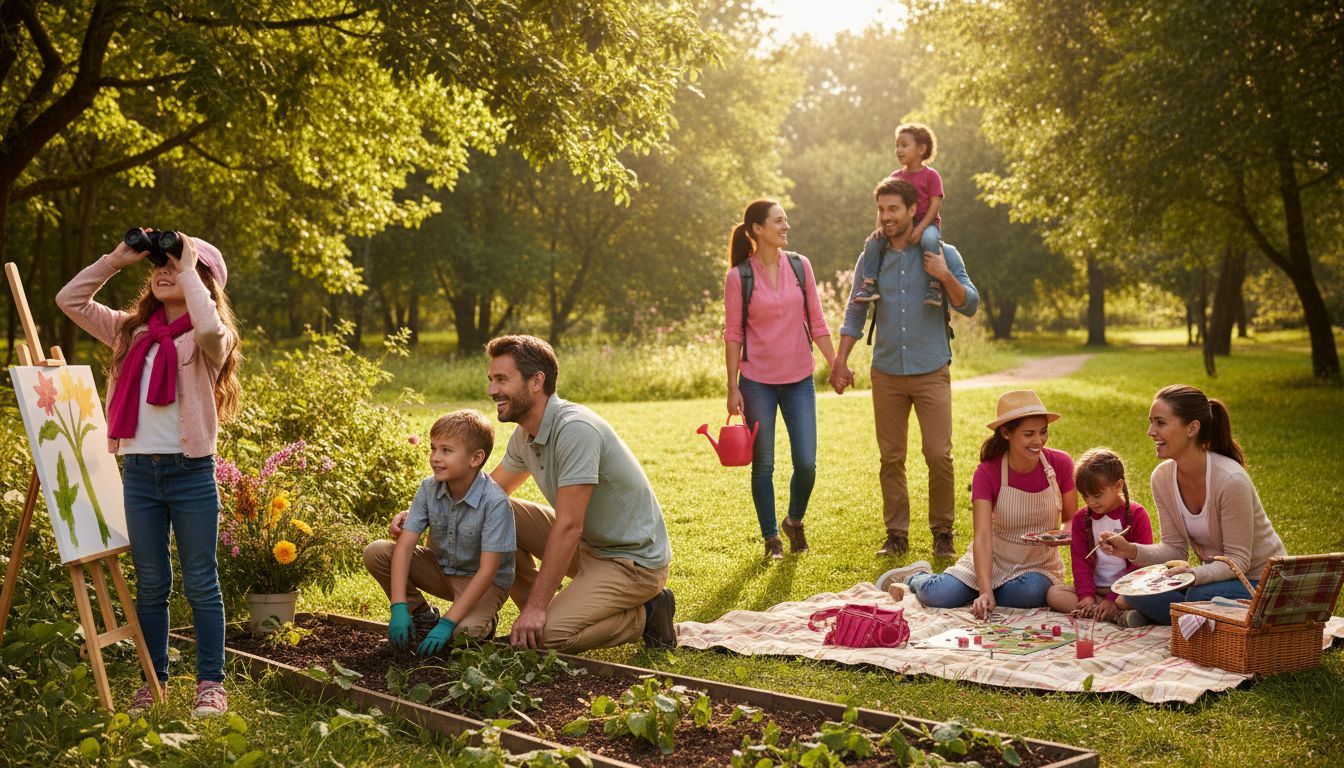
The short answer: The outdoor hobbies families stick with are the ones with a low setup cost and a built-in reason to go back — trail hiking, a small vegetable garden, nature art, geocaching, picnics with games, birdwatching, and backyard camping. Start with one, keep the first outing under two hours, and let the kids choose the next one.
Table of Contents
- Explore Nature Trails and Family Hikes
- Start a Family Garden for Fresh Vegetables
- Create Outdoor Art with Natural Materials
- Try Geocaching for Family Treasure Hunts
- Plan Fun Picnics with Outdoor Games
- Learn Birdwatching and Wildlife Observation
- Camp in Your Backyard or at Local Parks
Quick Summary
| Takeaway | Explanation |
|---|---|
| 1. Family hikes enhance bonding and learning. | Hiking together strengthens family relationships while teaching kids about nature and teamwork. |
| 2. Start a vegetable garden for shared experiences. | Gardening fosters responsibility in children and encourages healthier eating habits through firsthand experience. |
| 3. Create art using natural materials outdoors. | Nature art projects inspire creativity and help children connect with the environment while developing fine motor skills. |
| 4. Engage in geocaching for adventure and navigation skills. | This activity transforms ordinary outings into exciting treasure hunts that encourage teamwork and problem-solving. |
| 5. Enjoy picnics with fun games to bond. | Combining meals outdoors with playful activities fosters family connections and creates joyful memories together. |
1. Explore Nature Trails and Family Hikes
There is something magical about walking through a forest, breathing fresh air, and discovering the wonders of the natural world with your loved ones. Family hikes are more than just exercise they are incredible opportunities to connect, learn, and create lasting memories together.
According to We Are Outgrown, there are over 1,500 family friendly trails across the United States waiting to be explored. This means you have countless options to match your family’s skill level and interests.
Why Nature Trails Matter
Hiking together builds more than just physical fitness. It develops teamwork, communication skills, and creates shared experiences that strengthen family bonds. Kids learn about ecosystems, wildlife, and environmental awareness while parents get quality time away from screens and daily distractions.
Getting Started with Family Hiking
Begin with short, easy trails that match your youngest family member’s abilities. Look for paths with interesting features like streams, rock formations, or wildlife viewing spots. Pack plenty of water, snacks, comfortable shoes, and a basic first aid kit.
Hiking Tips for Success
- Choose trails under 3 miles for younger children
- Bring a small backpack with water and energy snacks
- Wear comfortable walking shoes with good grip
- Take breaks and let kids set the walking pace
- Make the hike fun with nature scavenger hunts or wildlife spotting games
With patience and preparation, family hikes can become a cherished tradition that everyone looks forward to. Start small, stay flexible, and enjoy exploring the great outdoors together.
2. Start a Family Garden for Fresh Vegetables
Imagine stepping into your backyard and picking fresh, crisp vegetables that you and your family grew together. Starting a family vegetable garden is not just about growing food it is about creating memories and teaching valuable life skills.
KidsGardening.org offers incredible resources to help families transform their outdoor spaces into thriving vegetable gardens. Gardening together provides an opportunity to learn about nutrition, understand plant science, and appreciate where food comes from.
Why Family Gardening Matters
Gardening teaches children patience, responsibility, and the incredible connection between hard work and delicious rewards. When kids are involved in growing their own food, they are more likely to try new vegetables and develop healthier eating habits.
Getting Started with Your Family Garden
Begin with easy vegetables that grow quickly and excite children. Tomatoes, lettuce, radishes, and green beans are excellent starter plants that offer quick gratification and high success rates. Choose a sunny spot in your yard or even create a container garden on a patio or balcony.
Family Garden Starter Tips
- Select vegetables that grow quickly and are visually interesting
- Involve children in every step from planning to planting
- Create small individual garden plots for each family member
- Use child sized gardening tools to make work feel like play
- Track plant growth with a shared garden journal
The United States Department of Agriculture supports family gardening through various community programs, recognizing the immense educational and nutritional value of growing your own food. Your family garden can be a small patch or a few containers the important thing is starting and learning together.
3. Create Outdoor Art with Natural Materials
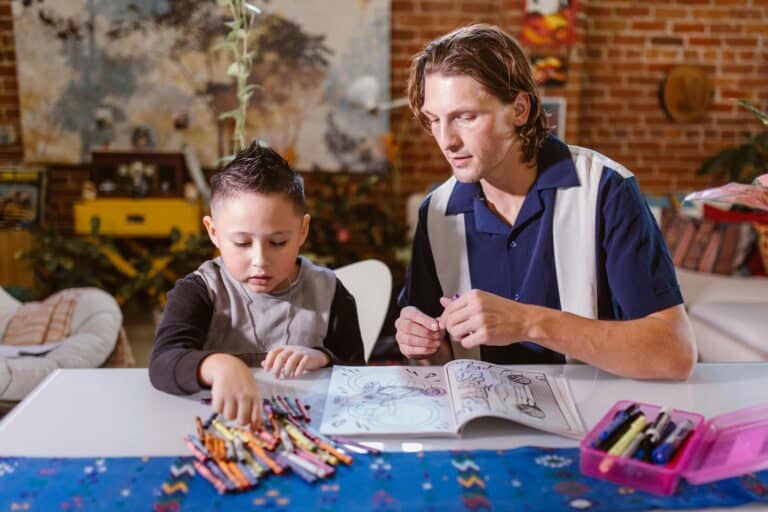
Nature is an incredible art studio just waiting for your family to explore. Creating art with natural materials transforms a simple outdoor activity into a magical adventure of creativity and discovery.
According to the U.S. Forest Service, engaging children with nature through artistic activities promotes environmental stewardship and helps them develop a deeper connection with the world around them.
Why Natural Art Matters
Making art from leaves, stones, twigs, and flowers teaches children to observe their environment carefully. It encourages creativity, develops fine motor skills, and helps kids understand that art can be found everywhere not just in traditional art supplies.
Getting Started with Nature Art
Begin by exploring your backyard, local park, or nearby nature trail. Collect interesting items like colorful leaves, smooth stones, interesting twigs, flower petals, and pine cones. Set up a workspace outside where everyone can spread out and let their imagination run wild.
Fun Natural Art Projects
- Create leaf rubbings using white paper and crayons
- Design mandala patterns using flower petals and small stones
- Build nature sculptures using sticks and found objects
- Make pressed flower bookmarks
- Create animal shapes using twigs and leaves
Remember that the goal is not perfection but exploration and fun. Let each family member express their creativity freely and celebrate the unique artwork that emerges from your outdoor adventure.
4. Try Geocaching for Family Treasure Hunts
Imagine a real world treasure hunt that turns the entire planet into your playground. Geocaching is an exciting outdoor adventure that combines technology navigation skills and family teamwork into one awesome experience.
Geocaching.com describes this global activity as a modern treasure hunting game where participants use GPS coordinates to find hidden containers called caches in locations all around the world.
Why Geocaching is Amazing for Families
This activity transforms an ordinary walk or hiking trip into an exciting mission. Kids learn navigation skills problem solving and develop a sense of adventure while spending quality time outdoors. Geocaching teaches digital literacy GPS usage and provides a fun way to explore new environments together.
Getting Started with Geocaching
Begin by downloading a free geocaching app on your smartphone. Most apps show nearby caches with difficulty ratings and terrain information. Start with easy local caches in parks or neighborhoods to build confidence and excitement.
Geocaching Tips for Families
- Choose caches labeled as beginner friendly
- Bring small trade items to exchange in cache containers
- Pack a small notebook to log your finds
- Always follow leave no trace principles
- Respect private property and local regulations
Remember that geocaching is about the journey not just finding the cache. Celebrate teamwork exploration and the unexpected discoveries you make along the way. Your family will create memories that last far beyond the treasure hunt.
5. Plan Fun Picnics with Outdoor Games
Picnics are more than just eating outdoors they are opportunities for families to disconnect from technology and connect with each other through playful experiences. Creating memorable outdoor meals combined with engaging games can transform an ordinary afternoon into an extraordinary family adventure.
If you are looking for some stylish inspiration for your outdoor gathering, check out these garden party outfit ideas that can make your picnic both fun and fashionable.
Why Picnic Games Matter
Outdoor games encourage physical activity communication and teamwork. They help children develop social skills problem solving abilities and create lasting family memories. The best picnic games require minimal equipment and can be adapted to different ages and skill levels.
Picnic Game Planning Tips
Choose games that involve everyone and do not require extensive preparation. The goal is spontaneity and enjoyment not complex rules or expensive equipment. Focus on activities that make everyone laugh and interact.
Fun Family Picnic Games
- Frisbee or catch with a soft ball
- Simon Says outdoor edition
- Scavenger hunt using natural objects
- Tag or hide and seek
- Simple relay races
Pack light portable games that fit easily in a picnic basket. Bring extra snacks to keep energy levels high and always have a backup plan in case weather or enthusiasm changes. The most important ingredient in any family picnic is a sense of joy and adventure.
6. Learn Birdwatching and Wildlife Observation
Imaging turning a simple walk outside into an exciting adventure of discovery where every rustle in the bushes and flutter of wings becomes a fascinating mystery. Birdwatching transforms ordinary outdoor experiences into extraordinary explorations of nature’s hidden world.
Why Birdwatching Matters
Wildlife observation teaches families patience observation skills and develops a deep appreciation for the intricate ecosystems surrounding us. Children learn scientific curiosity problem solving and develop respect for living creatures while practicing quiet concentration and careful attention to detail.
Getting Started with Birdwatching
Begin with simple tools like binoculars a field guide and a small notebook. Start in your own backyard or local park where birds are abundant and accessible. Learn to identify common birds in your region by their size color and distinctive sounds.
Essential Birdwatching Tips
- Wear neutral colored clothing to blend into the environment
- Move slowly and quietly to avoid startling wildlife
- Learn basic bird calls and sounds
- Use binoculars designed for children if watching with kids
- Keep a family wildlife journal to track your observations
Pro Tips for Family Wildlife Watching
Make observations a game by creating a family checklist of birds and animals you want to spot. Take turns identifying species and share interesting facts about each creature you encounter. Remember that patience and quiet are your best tools for successful wildlife watching.
7. Camp in Your Backyard or at Local Parks
Camping does not always require a long journey or expensive gear. Your backyard or nearby local park can become an incredible outdoor adventure playground that transforms an ordinary evening into an extraordinary family experience.
According to the National Park Service, camping offers families a unique opportunity to connect with nature and each other in ways that everyday life rarely allows.
Why Backyard Camping Matters
Backyard camping introduces children to outdoor skills builds confidence and creates magical memories without the complexity of traveling to distant locations. It provides a safe controlled environment where families can practice camping techniques learn about wildlife and enjoy uninterrupted quality time together.
Getting Started with Backyard Camping
Begin with simple equipment like a tent sleeping bags and flashlights. Set up camp before nightfall and involve everyone in the preparation process. Create a fun routine that includes setting up the tent preparing snacks and planning evening activities like stargazing or storytelling.
Essential Camping Preparation Tips
- Practice setting up your tent before nightfall
- Pack warm layers and extra blankets
- Bring battery powered lanterns or flashlights
- Plan simple outdoor games and activities
- Prepare easy camping friendly snacks
Remember that the goal is not perfection but creating joyful shared experiences. Some of the best family memories happen when plans go slightly off track and unexpected adventures emerge. Your backyard can become a gateway to exploring the great outdoors one magical night at a time.
Below is a comprehensive table summarizing various family-friendly outdoor activities discussed in the article to promote connection and skills.
| Activity | Description | Benefits |
|---|---|---|
| Nature Trails & Family Hikes | Exploring trails with family, starting with easy ones. | Enhances fitness, teamwork, and environmental awareness. |
| Family Vegetable Garden | Growing vegetables together, starting with easy plants. | Teaches patience and healthy eating, fosters responsibility. |
| Outdoor Natural Art | Creating art with natural materials found outdoors. | Encourages creativity, motor skills, and environmental observation. |
| Geocaching Treasure Hunts | Using GPS to find hidden “caches” globally. | Promotes navigation skills, teamwork, and digital literacy. |
| Fun Picnics with Games | Combining meals with simple outdoor games. | Encourages communication, physical activity, and laughter. |
| Birdwatching & Wildlife Observation | Observing local wildlife with simple tools. | Enhances patience, observation, and curiosity about nature. |
| Backyard or Local Park Camping | Camping locally to practice outdoor skills. | Builds confidence and creates memorable family experiences. |
Create Lasting Family Memories While Bringing Order to Your Life
The article highlights how outdoor hobbies like hiking, gardening, and backyard camping help families reconnect and build joyful memories together. But busy families often struggle to balance quality time with the daily chaos of managing home, schedules, and responsibilities. You want your family adventures to be stress-free and your home to support peace and productivity instead of overwhelm. The key challenges are managing time, organizing outdoor gear, and creating routines that allow more moments for connection.
Discover proven strategies to transform your home and lifestyle so you can embrace family fun without extra stress. Learn how to free up your schedule and declutter your spaces so outdoor hobbies and quality family moments become part of everyday life. Start today and watch your family thrive with less hassle and more happiness.
Ready to bring balance and joy to your family life while enjoying these outdoor adventures? Explore organization hacks for busy families, check out productivity tips, and create your most peaceful home environment now. Make every family outing and hobby a rich, worry-free experience. Your best family life is waiting to begin.
Frequently Asked Questions
What are some beginner-friendly hiking trails for families?
To start family hiking, look for trails that are under 3 miles in length and suitable for younger children. Choose paths with interesting features like streams or wildlife spots to keep everyone engaged.
How can we create a vegetable garden as a family?
To start a family garden, select easy-to-grow vegetables like tomatoes or radishes that grow quickly. Get everyone involved in planning, planting, and caring for the garden to enhance teamwork and enjoyment.
What natural materials can we use for outdoor art projects?
You can use leaves, stones, twigs, and flowers to create outdoor art. Gather these materials during a nature walk, then set up an outdoor workspace to explore creative projects like leaf rubbings or nature sculptures.
How do we get started with geocaching as a family?
Begin geocaching by downloading a free app that shows nearby caches. Start with beginner-friendly caches in local parks or neighborhoods to ensure a fun and engaging experience for everyone.
What are some simple games we can play during a family picnic?
Engage in picnic games like frisbee, tag, or a nature scavenger hunt that require minimal equipment. Focus on activities that allow everyone to participate and have fun together, making memories in the process.
How can we begin birdwatching with our children?
To start birdwatching, equip your family with binoculars and a field guide to local birds. Begin in your backyard or a nearby park, encouraging your children to observe and identify the birds they see, fostering patience and curiosity.
Recommended
- 7 Types of Family Time Activities You Can Enjoy Together – It’s a Southern Life Ya’ll
- Cool Crafts for Kids to Make at Home –
- How to Plan Family Activities for Memorable Fun – It’s a Southern Life Ya’ll
- 7 Best Ideas for White Elephant Gifts for Families – It’s a Southern Life Ya’ll
- 35 Engaging Summer Camp Games Kids Love – Academic Entertainment
Want a little more help with this? I made a free Mental Load Kit that pairs right up with this post — y’all can grab it over on my Free Resources page.