Complete Guide to Garbage Disposal Dos and Don’ts
Most american kitchens rely on garbage disposals to keep things running smoothly, yet many families overlook how crucial these appliances have become. Over 50 percent of american homes now use a garbage disposal to manage food waste every day. This small device cuts down on kitchen mess, prevents nasty odors, and makes daily cleaning a lot faster. Understanding how a disposal works and what it needs can help any family use it safely while avoiding common breakdowns and costly repairs.
Table of Contents
- Garbage Disposals Explained For Families
- Items Safe To Put Down The Disposal
- Foods And Objects You Should Never Grind
- Risks From Misuse And Common Damages
- Family-Friendly Disposal Maintenance Tips
Key Takeaways
| Point | Details |
|---|---|
| Garbage Disposals Benefit Families | They reduce kitchen waste, expedite cleanup, and combat odors, making family life easier. |
| Safe Items for Disposal | Soft fruits, cooked meat, and small bones are safe to dispose of, while oily, fibrous, and starchy foods should be avoided. |
| Risks of Misuse | Improper use can lead to motor burnout, clogs, and overall disposal failure, highlighting the need for careful maintenance. |
| Maintenance Practices | Regularly run cold water, grind ice monthly, and clean components to prolong disposal life and efficiency. |
Garbage Disposals Explained for Families
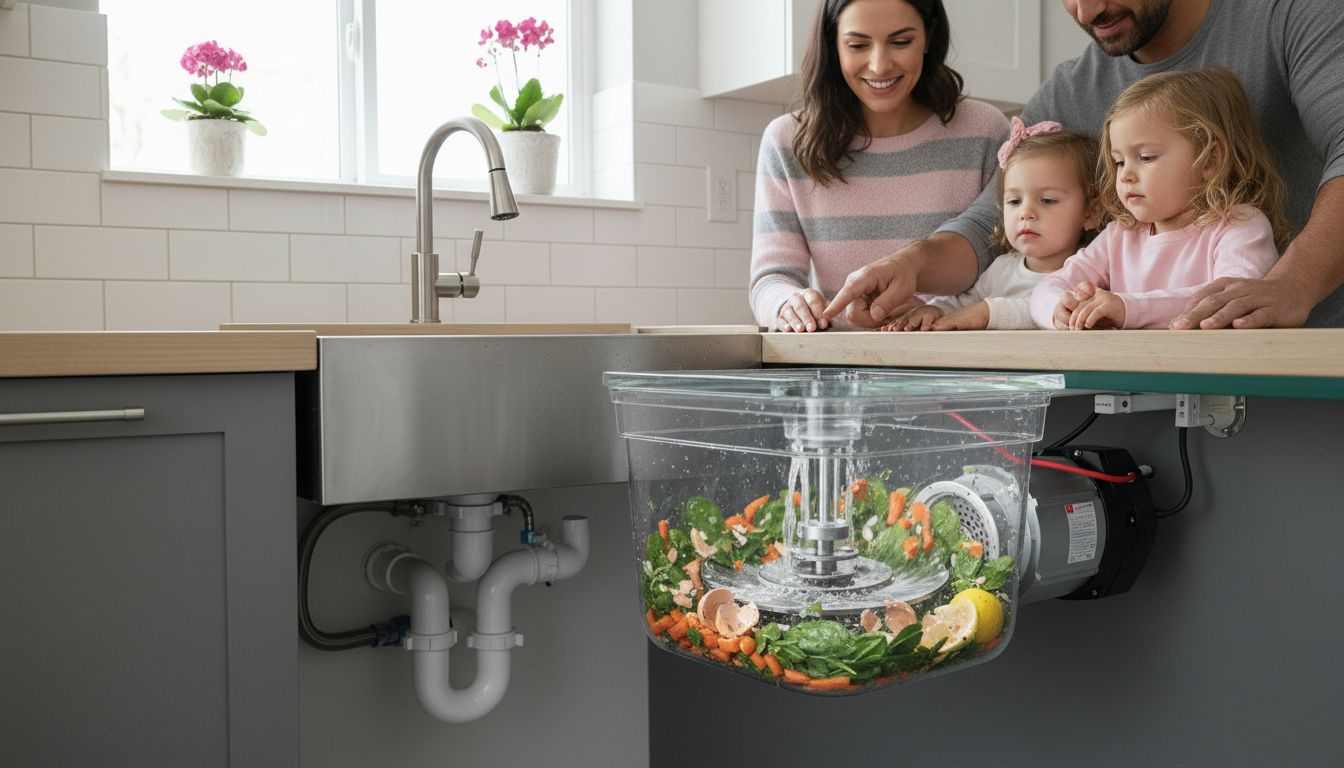
As a family’s kitchen workhorse, a garbage disposal transforms how we handle food waste daily. These under-sink appliances are more than just convenient—they’re smart kitchen solutions that help reduce trash and make cleanup easier. According to InterNACHI, garbage disposals grind food scraps into tiny particles that can safely flow through plumbing systems.
How do these magical kitchen helpers actually work? A garbage disposal uses a spinning metal plate (called an impeller) and small sharp teeth to break down food waste. When you turn it on, the plate spins rapidly, throwing food against stationary grind rings that pulverize everything into tiny pieces. Consumer Reports notes that modern disposals are designed to be incredibly efficient and environmentally friendly.
For families, garbage disposals offer several key benefits:
- Reduces kitchen waste sent to landfills
- Makes cleaning dishes faster and easier
- Helps prevent food odors in trash cans
- Can lower overall household garbage volume
Choosing the right garbage disposal means considering your family’s specific needs. Factors like motor power, noise levels, and installation complexity matter. Most residential models range from 1/3 to 1 horsepower, with larger families typically benefiting from more powerful units that can handle larger quantities of food waste quickly and efficiently.
Items Safe to Put Down the Disposal
Knowing what’s safe for your garbage disposal can help keep your kitchen running smoothly and prevent expensive plumbing repairs. According to ResLife, certain foods and materials can actually help maintain your disposal’s performance. Cold water, dish soap, and soft food scraps are generally good candidates for grinding.
Consumer Reports suggests several food items that are perfectly safe for your disposal. Here’s a comprehensive list of disposal-friendly items:
- Soft fruit and vegetable scraps
- Cooked meat pieces (small amounts)
- Small fish bones
- Citrus peels (in moderation)
- Crushed ice
- Liquids and running water
- Cooled cooking grease (in tiny amounts)
When using your disposal, remember the golden rules: always run cold water, cut larger items into smaller pieces, and avoid overloading the unit. The key is gradual introduction of food waste while maintaining a steady stream of cold water. This helps flush ground particles through the system and prevents potential clogs or mechanical strain on your kitchen’s hardworking appliance.
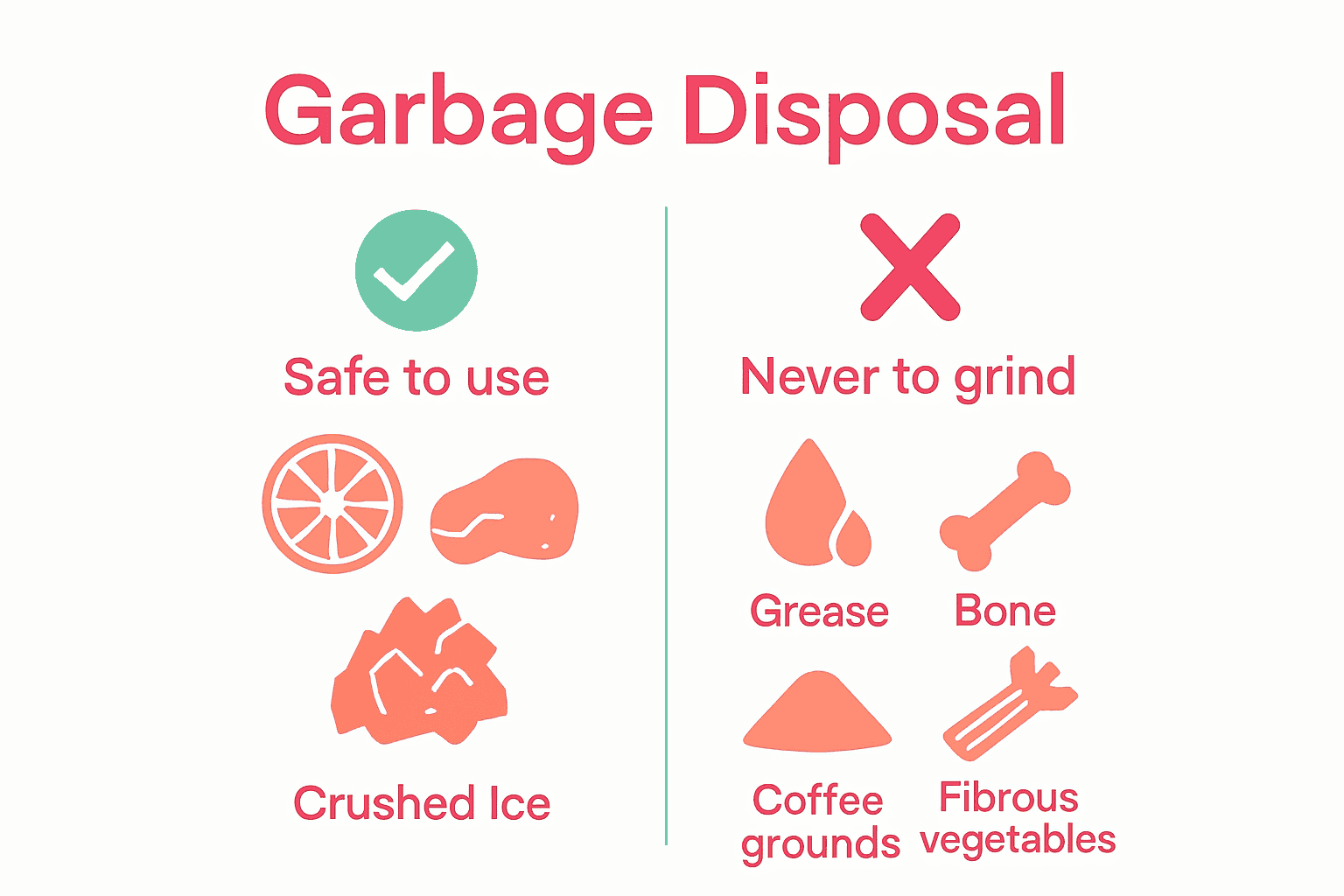
Foods and Objects You Should Never Grind
Protecting your garbage disposal means knowing exactly what not to throw inside. ResLife warns that certain foods and objects can cause significant damage to your kitchen’s most helpful appliance. Understanding these restrictions is crucial for preventing expensive repairs and maintaining smooth kitchen operations.
Madison Metropolitan Sewerage District highlights several problematic items that should never enter your garbage disposal:
- Fats, oils, and greasy substances
- Uncooked pasta and rice
- Coffee grounds
- Large animal bones
- Eggshells
- Fruit pits
- Fibrous vegetables (celery, corn husks)
- Potato peels
- Expandable foods
- “Flushable” wipes
These items can cause serious issues like blade dulling, motor strain, and complete disposal breakdown. Fibrous materials can wrap around grinding mechanisms, while starchy foods like pasta and rice expand and create sticky clogs that block your pipes. Think of your garbage disposal like a delicate kitchen tool – treating it with care means being selective about what you put inside. When in doubt, toss food waste in the trash or compost bin to keep your disposal running smoothly and prevent costly plumbing emergencies.
Risks From Misuse and Common Damages
Understanding the potential risks and damages associated with garbage disposal misuse is crucial for protecting your kitchen’s most hardworking appliance. InterNACHI warns that improper use can lead to significant mechanical failures and expensive repairs. The consequences of careless disposal practices can extend far beyond a simple appliance breakdown.
Consumer Reports highlights several common damage scenarios families might encounter:
- Motor burnout from overloading
- Blade dulling from hard objects
- Plumbing system clogs
- Mechanical bearing damage
- Electrical system complications
- Complete disposal unit failure
The most frequent culprits behind disposal damage include forcing large quantities of food waste, grinding inappropriate items, and neglecting basic maintenance. Hard objects like silverware can chip grinding components, while fibrous materials can wrap around internal mechanisms, causing strain and potential motor failure. Imagine your garbage disposal as a delicate kitchen machine – it requires gentle, strategic use to remain functional. Regular maintenance, careful feeding, and understanding its limitations are key to preventing costly repairs and ensuring your disposal remains a reliable kitchen companion.
Family-Friendly Disposal Maintenance Tips
Maintaining your garbage disposal doesn’t have to be complicated. ResLife recommends several simple maintenance techniques that can help keep your kitchen’s most hardworking appliance running smoothly. Regular care can prevent unexpected breakdowns and extend the life of your disposal, saving you money and frustration.
InterNACHI highlights key maintenance practices every family should follow:
- Run cold water before, during, and after grinding
- Chop large food items into smaller pieces
- Grind ice cubes monthly to clean and sharpen blades
- Use citrus peels occasionally to freshen the unit
- Clean the rubber splash guard regularly
- Avoid chemical drain cleaners
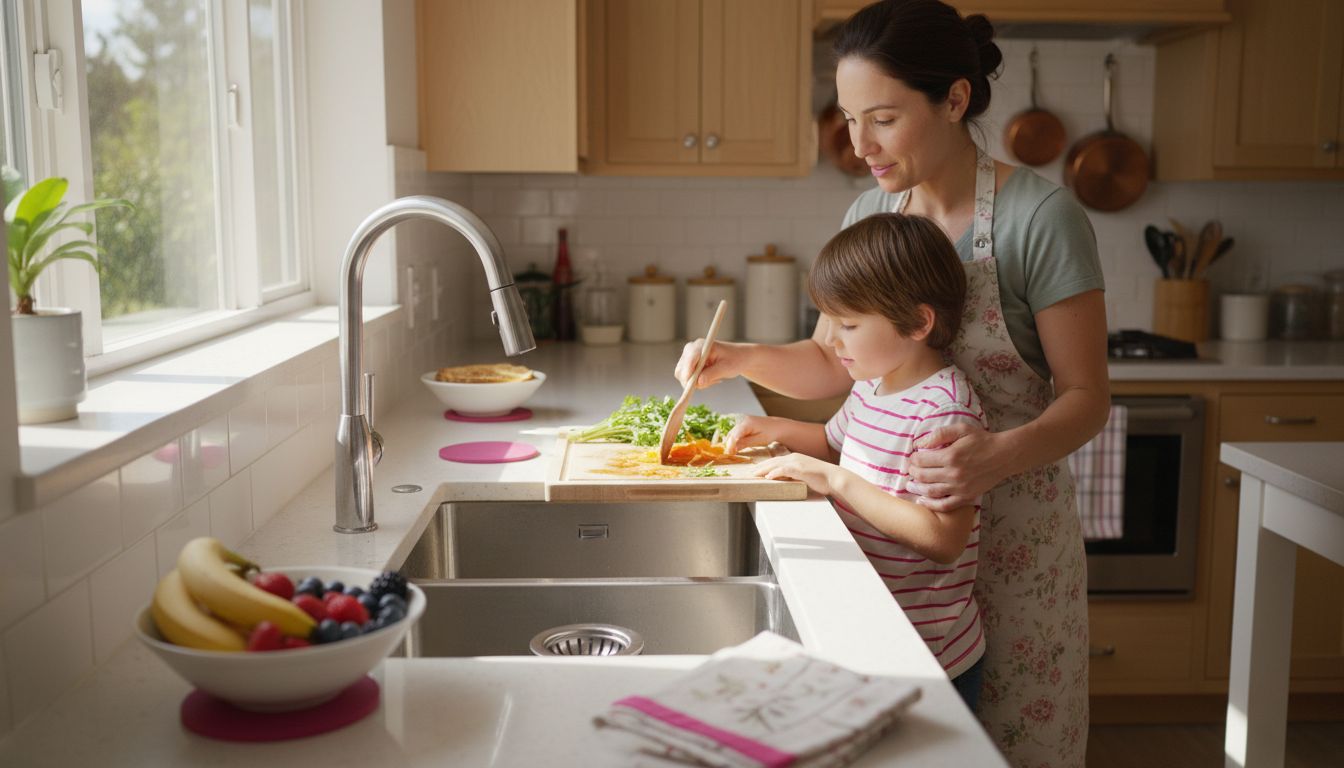
Think of your garbage disposal like a car – it needs consistent, gentle care to perform its best. Regular maintenance prevents buildup, reduces odors, and keeps the unit operating efficiently. When teaching kids about kitchen responsibilities, involve them in safe disposal maintenance tasks like running cold water or dropping in ice cubes. 11 Ways to Reduce Food Waste can provide additional insights into smart kitchen practices that complement proper disposal maintenance. By making these simple habits part of your family’s routine, you’ll ensure a clean, functional kitchen that runs like a well-oiled machine.
Keep Your Kitchen Running Smoothly With Smart Home Solutions
The article highlights a common challenge for families: avoiding costly garbage disposal damage caused by improper use and lack of maintenance. Many readers want to protect their kitchen appliances while simplifying daily cleanup and reducing food waste. Key pain points include preventing clogs from fibrous or starchy foods, managing odors, and making disposal maintenance easy and family-friendly. With concepts like “gradual food waste introduction” and “regular maintenance tips,” this guide shows how small changes protect your disposal and keep your kitchen efficient.
If clutter and chaotic spaces add stress to your home life, there is a way to regain control. At Its A Southern Life Yall, you will discover proven organization hacks and practical home management systems designed to create peaceful, efficient spaces that busy families love. Imagine having easy routines that reduce kitchen frustrations and keep your disposal humming smoothly every day. Take the first step toward a calmer, more organized home by exploring helpful ideas now. Visit Its A Southern Life Yall and unlock strategies perfect for work-life balance and smart kitchen living.
Frequently Asked Questions
What can I safely put down my garbage disposal?
You can safely dispose of soft fruit and vegetable scraps, cooked meat pieces in small amounts, small fish bones, citrus peels (in moderation), crushed ice, liquids, and a bit of cooled cooking grease.
What should I avoid putting in my garbage disposal?
Avoid placing fats, oils, and greasy substances, uncooked pasta and rice, coffee grounds, large animal bones, eggshells, fruit pits, fibrous vegetables like celery, potato peels, and expandable foods into your garbage disposal.
How can I maintain my garbage disposal?
To maintain your garbage disposal, run cold water before, during, and after use, chop large food items into smaller pieces, grind ice cubes monthly to sharpen blades, use citrus peels occasionally for freshness, and clean the rubber splash guard regularly.
What are the common risks associated with using a garbage disposal improperly?
Common risks include motor burnout from overloading, blade dulling from grinding hard objects, plumbing clogs, mechanical bearing damage, electrical complications, and potentially complete failure of the disposal unit.