
Advantages of digital calendars for busy families
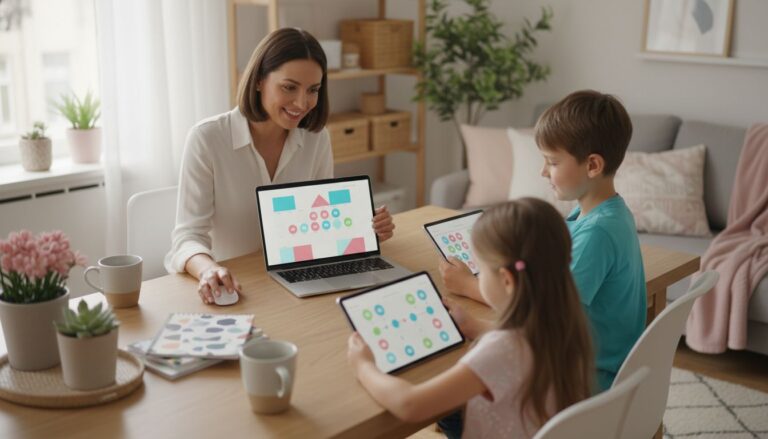
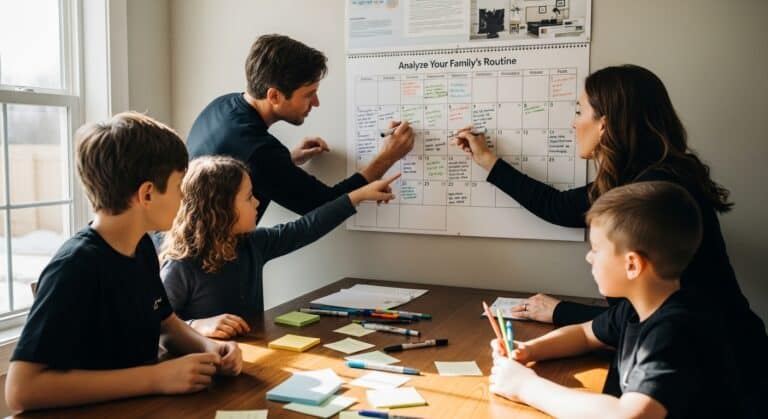
Managing multiple schedules across family members creates daily chaos that paper planners simply cannot solve. Between soccer practice, doctor appointments, work meetings, and school events, busy families need a centralized system that updates in real time and keeps everyone on the same page. Digital calendars enable real-time sharing and syncing across devices, reducing confusion and scheduling conflicts that derail your day. This article explores how digital calendars transform family organization, cut stress, and help you reclaim balance through automatic reminders, shared visibility, and collaborative features that engage every family member.
Table of Contents
- Key takeaways
- How digital calendars create shared visibility and reduce scheduling conflicts
- Automatic reminders and device accessibility for stress-free management
- Visual engagement and extra features for family collaboration and motivation
- Balancing digital and paper planners: when and why to combine both
- Try these productivity hacks tailored for busy families
- Frequently asked questions
Key Takeaways
| Point | Details |
|---|---|
| Shared schedules reduce confusion | A centralized real time calendar keeps everyone on the same page and minimizes scheduling conflicts. |
| Automatic reminders prevent misses | Automatic reminders alert family members before events, reducing missed appointments and last minute scrambling. |
| Device sync enables flexibility | Syncing across multiple devices lets you check and update schedules from anywhere. |
| Color coding boosts clarity | Color coded entries let family members identify who has what on their plate at a glance. |
| Chores and meal planning support | Integrations and additional features help manage chores and plan meals within the calendar. |
How digital calendars create shared visibility and reduce scheduling conflicts
Juggling separate planners for each family member creates a recipe for disaster. Mom’s work calendar lives in Outlook, Dad tracks appointments on his phone, kids have school schedules on paper, and nobody knows what anyone else is doing until conflicts emerge. This fragmentation causes missed pickups, double-booked evenings, and constant stress about who needs to be where.
Digital calendars solve this fundamental problem through instant syncing across every family member’s device. When you add your daughter’s dance recital to the shared family calendar, it appears immediately on your partner’s phone, your tablet in the kitchen, and even your laptop at work. This creates what experts call a single source of truth, where everyone accesses the same up-to-date information about family activities, appointments, and commitments. Research shows that 75% of parents aged 35-44 rely on calendars daily to manage their schedules and avoid overlap.
The practical benefits transform daily family life:
- No more double-booking the car when both parents need it
- Clear visibility into kids’ extracurricular activities and school events
- Easier coordination of carpools with other families
- Reduced last-minute scrambling when appointments conflict
- Better long-term planning for vacations and family gatherings
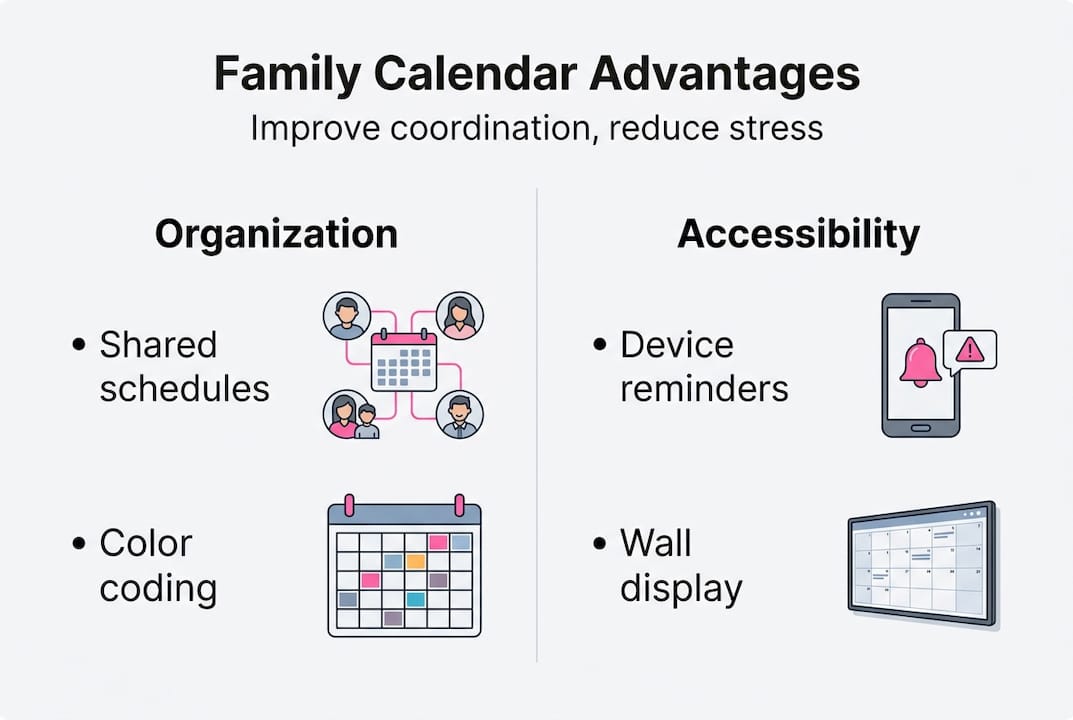
Color-coding takes shared visibility even further by assigning each family member a distinct color. At a glance, you see that blue events belong to your son, green to your daughter, and red to you. This visual system helps busy parents quickly identify whose schedule needs attention without reading every entry. Many families integrate their digital calendars with comprehensive time management tools for parents and home management systems to create seamless household coordination.
Pro Tip: Choose calendar apps that allow custom color schemes for each family member and event type, making your shared calendar instantly readable even during hectic mornings.
The reduction in scheduling conflicts directly improves family harmony. When everyone knows the plan, fewer arguments erupt about forgotten commitments or transportation mix-ups. Parents report feeling more in control and less reactive when they can see the full family schedule at any moment.
Automatic reminders and device accessibility for stress-free management
The mental load of remembering every family commitment exhausts even the most organized parents. Digital calendars eliminate this burden through automatic reminders that reduce missed appointments and stress compared to traditional paper methods. Instead of mentally tracking when your son needs his sports physical or when the dentist appointment happens, notifications arrive on your phone exactly when you need them.
Device accessibility amplifies this advantage by keeping schedules synchronized across Google Calendar, Apple Calendar, Outlook, and family-specific apps. Whether you’re checking your phone during a work break, glancing at your tablet while cooking dinner, or reviewing your laptop before bed, the same current schedule appears everywhere. This mobility supports work-life balance by ensuring you never miss updates regardless of which device you’re using.
Here’s how to maximize automatic reminders and device access:
- Set default reminder times for different event types (30 minutes for local appointments, 24 hours for events requiring preparation)
- Configure notifications to appear on all family members’ devices who need to know about specific events
- Enable location-based reminders that alert you when leaving work to pick up groceries on the way home
- Use recurring event features for weekly activities so they auto-populate without manual entry
- Sync your calendar with smart home devices for voice-activated schedule checks
Color-coding becomes even more powerful when combined with device notifications. You can configure your phone to use different notification sounds or vibration patterns for different family members’ events, creating an audible signal about whose appointment is approaching. This helps parents quickly prioritize without pulling out their phone to read the notification.
The step-by-step approach to time management becomes significantly easier when your calendar actively reminds you of commitments rather than requiring you to remember everything. Many busy parents also integrate their family schedules with content calendars for planning household tasks and meal preparation.
Pro Tip: Configure reminder frequency carefully to prevent notification fatigue. Too many alerts create overwhelm and train your brain to ignore important notifications. Aim for one reminder per event, timed strategically based on how much preparation that activity requires.
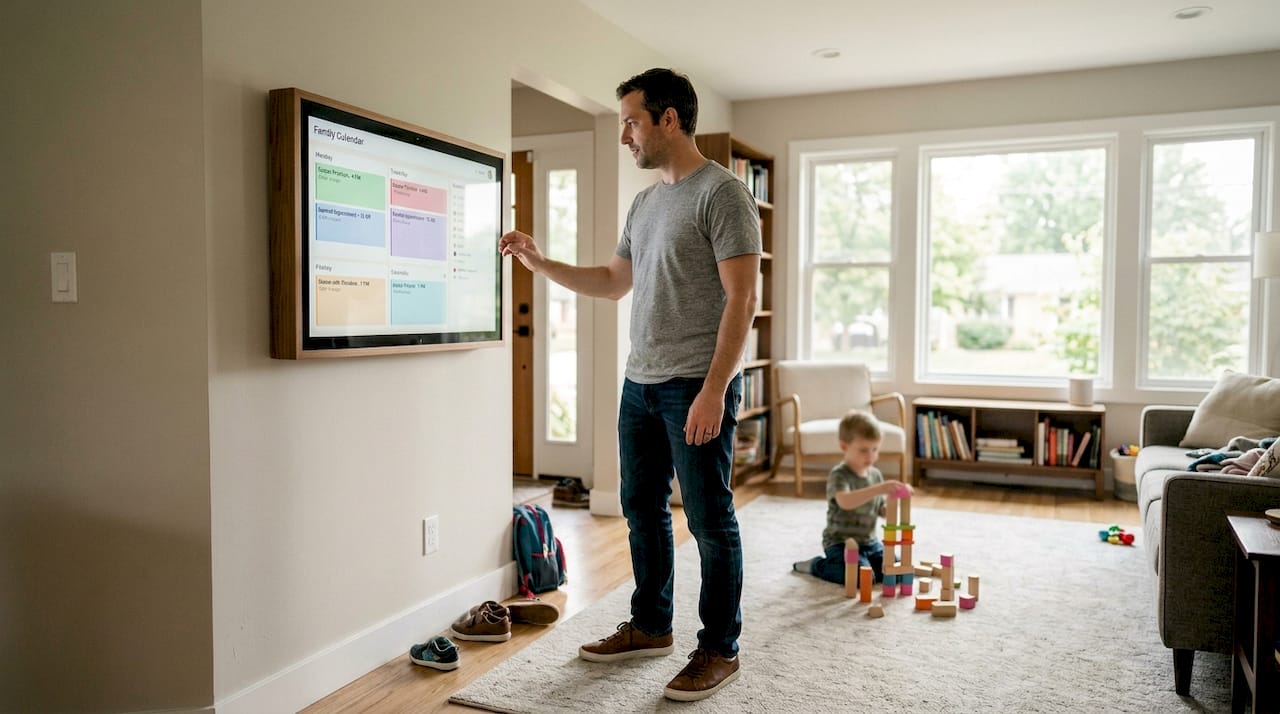
Device accessibility extends beyond phones and tablets to include wall-mounted digital displays that show your family calendar in high-traffic areas like the kitchen. These screens update automatically as you modify the schedule on your phone, creating a centralized family command center without requiring everyone to check their devices constantly.
Visual engagement and extra features for family collaboration and motivation
Getting kids invested in family schedules transforms them from passive passengers to active participants in household management. Wall-mounted digital calendars placed in high-traffic areas like the kitchen or mudroom create an at-a-glance scheduling hub that even young children can understand and reference throughout the day. The visual nature of these displays makes abstract concepts like time and planning concrete for developing minds.
Modern family calendar apps extend far beyond simple appointment tracking to include features that support complete household management:
- Visual chore charts that assign tasks and track completion
- Integrated meal planning with recipe links and grocery lists
- Shared to-do lists for household projects and errands
- Photo attachments for permission slips and school notices
- Weather forecasts alongside daily schedules
These extra features create a comprehensive family coordination system that replaces multiple paper charts, sticky notes, and separate apps. The integration reduces mental clutter and keeps all family information in one accessible location.
| Feature | Digital Calendar Benefit | Traditional Paper Limitation |
|---|---|---|
| Chore charts | Automatic rotation, completion tracking, reward integration | Static assignments, manual checking, easy to ignore |
| Meal planning | Recipe links, auto-generated grocery lists, dietary tracking | Separate planning required, no integration with schedule |
| Photo storage | Attach permission slips and notices directly to events | Papers get lost, no connection to relevant dates |
| Weather integration | See conditions alongside activities for planning | Requires separate weather check, no proactive alerts |
Wall-mounted digital calendars and chore charts engage children and reduce household friction by making expectations visible and non-negotiable. When kids see their chores listed on the family calendar with clear deadlines, arguments about whose turn it is to unload the dishwasher disappear. The visual accountability motivates children to complete tasks without constant parental reminders.
Motivation increases further when chore charts link to reward systems. Many family calendar apps allow you to assign points for completed tasks that kids can redeem for privileges or treats. This gamification taps into children’s natural desire for achievement and makes household contributions feel less like drudgery. Parents report that instituting chores through digital systems creates more consistent follow-through than traditional paper charts.
Meal planning integration reduces food waste and weeknight stress by connecting dinner plans directly to your schedule. When you can see that Tuesday includes soccer practice until 6:30pm, you know to plan a quick meal or prep ahead. Some apps even suggest recipes based on your schedule’s busyness and generate grocery lists automatically. This seamless connection between scheduling and meal prep exemplifies how digital calendars support comprehensive home management systems rather than just tracking appointments.
Pro Tip: Link chore charts to specific rewards that motivate your children, whether that’s screen time, special outings, or small purchases. The visible connection between effort and reward on the family calendar display reinforces positive behavior and accountability.
Balancing digital and paper planners: when and why to combine both
Despite the clear advantages of digital calendars for family coordination, expert perspectives reveal important nuances about when paper planning still serves valuable purposes. Digital tools excel at collaboration and real-time updates, essential for managing kids’ volatile schedules and coordinating multiple family members. However, hybrid use of digital and paper planners balances collaboration with mental clarity and reflection that some parents need for deep work and long-term planning.
Paper planners offer distinct cognitive benefits that digital calendars cannot fully replicate. The physical act of writing engages different brain pathways that enhance memory retention and thoughtful planning. When you write out your weekly priorities by hand, you process information more deeply than when typing or tapping on a screen. This makes paper planners particularly valuable for personal goal-setting, reflective journaling, and strategic planning that requires focused thinking away from digital distractions.
Common pitfalls of relying exclusively on digital calendars include:
- Notification fatigue that trains your brain to ignore important alerts
- Screen dependency that increases overall device time for the whole family
- Over-scheduling because adding events feels effortless with a few taps
- Reduced mindfulness about commitments when planning lacks the intentionality of writing
- Technical failures or dead batteries that leave you without access to your schedule
These limitations don’t negate digital calendars’ advantages for family coordination, but they suggest thoughtful integration rather than complete replacement of analog methods. Many productivity experts recommend using digital calendars for shared family scheduling while maintaining personal paper planners for individual reflection, goal-setting, and deep work planning.
“The ease of digital scheduling can lead to chronic over-commitment. When adding an event requires only seconds on your phone, families often say yes to too many activities without considering the cumulative impact on their time and energy. Paper planning forces a more deliberate evaluation of each commitment.”
Practical hybrid approaches balance the best of both systems. Use your digital family calendar for all shared events, appointments, and activities that require coordination across family members. This ensures everyone stays informed and reduces scheduling conflicts. Simultaneously, maintain a personal paper planner for work projects, personal goals, weekly reviews, and reflective planning that benefits from focused, screen-free thinking time.
Weekend planning sessions provide an ideal opportunity for paper-based reflection. Sit down with your paper planner to review the upcoming week, identify priorities, and ensure your family’s digital schedule aligns with your values and capacity. This proactive planning approach creates intentionality that purely digital systems sometimes lack. The act of writing your top three priorities for the week in a paper planner creates cognitive commitment that complements your digital calendar’s logistical coordination.
Some families successfully use paper planners for specific domains while keeping digital calendars for others. For example, you might maintain a paper meal planning journal that you reference when adding dinner prep time to your digital calendar. Or keep a paper reading log and goal tracker while using digital calendars for all time-based scheduling. This domain-specific approach lets you leverage each tool’s strengths without creating duplicate systems that require constant synchronization.
The key is recognizing that digital and paper planning serve different cognitive and practical purposes. Digital excels at coordination, collaboration, and real-time updates across multiple people and devices. Paper excels at reflection, memory retention, and intentional planning that resists the over-scheduling trap. Busy families benefit most from thoughtfully combining both approaches based on their specific needs and values.
Try these productivity hacks tailored for busy families
Now that you understand how digital calendars transform family organization through shared visibility, automatic reminders, and collaborative features, you’re ready to implement even more strategies that busy families use to stay balanced and productive. Our website offers comprehensive guides on productivity hacks specifically designed for families managing multiple schedules and competing priorities. These practical tips complement your digital calendar system by addressing the broader challenges of household management, from morning routines to evening wind-down strategies. Explore our detailed resources on effective home organization systems that work alongside digital calendars to create peaceful, organized spaces where your family thrives. Visit our home management systems guide to discover how successful families integrate technology, routines, and physical organization to reduce stress and reclaim quality time together.
Frequently asked questions
What are the best digital calendar apps for families?
Google Calendar and Apple Calendar lead for their seamless device syncing and free accessibility across platforms. Family-specific apps like Cozi and FamCal add features like chore charts and meal planning that general calendars lack. Choose based on which devices your family uses most and whether you need extra household management features beyond scheduling. Compare options using comprehensive time management tools for parents to find your best fit.
How can digital calendars help kids learn time management?
Visual chore charts on digital calendars motivate children by making expectations clear and tracking completion automatically. When kids see their responsibilities displayed alongside family activities, they develop awareness of how their tasks fit into the household’s daily rhythm. Shared family schedules teach responsibility by showing children that their actions affect other family members’ plans. This visible accountability builds time management skills that serve them throughout life, especially when reinforced through structured chore systems.
Are digital calendars better than paper planners for families?
Digital calendars excel at family collaboration and real-time coordination across multiple people and devices, making them superior for shared scheduling. Paper planners offer advantages for personal reflection, deep work planning, and reducing screen time. Most families benefit from hybrid systems that use digital calendars for shared family events while maintaining paper planners for individual goal-setting and thoughtful planning. This balanced approach leverages each tool’s strengths, as detailed in our proactive planning guide.
How do I prevent digital calendar overwhelm in my family?
Limit notifications to essential events only, using one strategically timed reminder per appointment rather than multiple alerts. Color-code family members and event types so you can quickly scan without reading every entry. Schedule weekly planning sessions to review upcoming commitments and remove non-essential activities before they create overwhelm. Set boundaries around how many activities each family member commits to, remembering that empty calendar space is valuable for rest and spontaneity.
Can digital calendars integrate with smart home devices?
Most major digital calendars sync with smart home assistants like Amazon Alexa and Google Home for voice-activated schedule checks. You can ask your smart speaker what’s on today’s schedule while making breakfast or set voice reminders for upcoming events. Some families use smart displays in their kitchen as always-on calendar screens that show the day’s activities without requiring anyone to pull out a phone. This hands-free access keeps everyone informed while reducing screen time and device dependency.
Recommended
- Content Calendars: Streamlining Blogging for Busy Parents –
- Time Management Tools for Parents – A Comparison 2025 –
- Why Schedule Family Time—Better Balance for Busy Homes –
- 7 Practical Work-Life Balance Tips for Busy Families –
- Top 4 Cozi Calendars 2026 — Zenframe
- Schnelle Wochenplanung 2026: Familien stressfrei organisieren
Want a little more help with this? The Sunday Blueprint gives the calendar something to hold — a fifteen-minute Sunday ritual that sets the week.