
Raising Grateful Kids in an Entitled World: A Mom’s Practical Guide
Every parent in the United States and Canada knows that teaching children to appreciate what they have can feel impossible when busy schedules take over. Feeling frustrated by frequent complaints and a lack of thankfulness is common, yet developing genuine gratitude at home is more than wishful thinking. This guide offers practical, research-backed steps to build consistent family guidelines and daily gratitude rituals that nurture responsibility and reduce entitlement, even in the most hectic American households.
Table of Contents
- Step 1: Assess Your Family’s Gratitude Habits
- Step 2: Set Clear Expectations and Boundaries
- Step 3: Incorporate Daily Gratitude Practices
- Step 4: Encourage Giving and Acts of Service
- Step 5: Reinforce Progress and Celebrate Wins
Quick Summary
| Key Insight | Explanation |
|---|---|
| 1. Assess current gratitude habits | Understanding existing family dynamics helps identify areas for improvement in gratitude practices. |
| 2. Set clear expectations and boundaries | Establish rules that foster respect and appreciation, adaptable as children grow. |
| 3. Practice daily gratitude | Regular moments of appreciation build emotional resilience and shift focus to positivity. |
| 4. Encourage giving and acts of service | Involve children in helping others to instill empathy and appreciation for their own blessings. |
| 5. Celebrate progress and wins | Recognizing efforts and kindness reinforces positive behavior and strengthens family bonds. |
Step 1: Assess Your Family’s Gratitude Habits
Before transforming your family’s gratitude culture, you need a clear snapshot of your current habits. Think of this assessment like taking a family emotional temperature – understanding where you are helps determine how to move forward.
Start by observing your family’s daily interactions. Do you regularly acknowledge each other’s efforts? Are complaints more frequent than appreciation? Daily gratitude practices reveal critical insights into your family’s emotional landscape.
Here are key areas to evaluate:
- How often do family members say “thank you” unprompted?
- Do children recognize others’ kindness without being reminded?
- Are complaining and criticism your default communication style?
- Do you celebrate small wins and personal achievements?
- When challenges arise, do you focus on problems or potential solutions?
Create a simple tracking system to monitor these interactions. Use a notebook or digital spreadsheet to document moments of genuine gratitude and areas needing improvement. This isn’t about keeping score – it’s about cultivating awareness.
Awareness is the first step toward meaningful change in family dynamics.
Pro tip: Schedule a monthly family meeting to discuss gratitude observations and celebrate progress together.
Step 2: Set Clear Expectations and Boundaries
Raising grateful kids requires establishing consistent family guidelines that help children understand respect, appreciation, and personal responsibility. Parenting boundaries and expectations provide the framework for teaching valuable life skills.
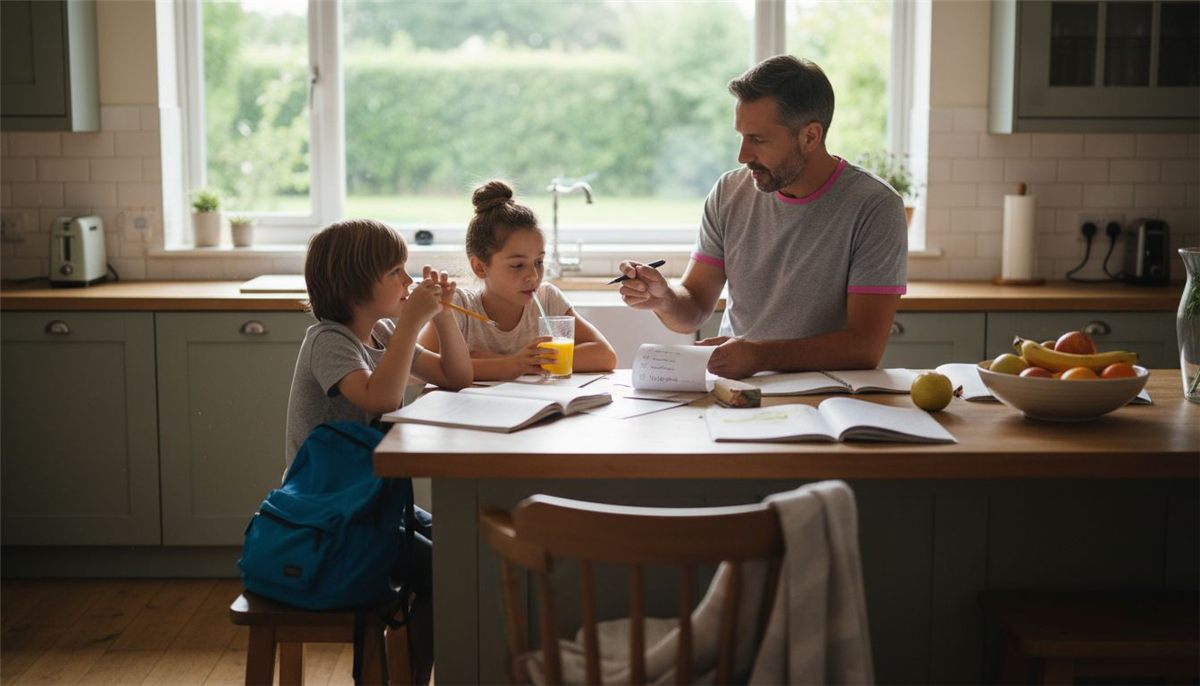
Successful boundary setting isn’t about strict control – it’s about creating a supportive environment where children learn self-discipline and understand the reasons behind family rules. Effective boundaries communicate your family’s core values and help children develop emotional intelligence.
Key strategies for setting clear expectations include:
- Explain the “why” behind each rule or limit
- Use age-appropriate language when discussing expectations
- Create consistent consequences for breaking established boundaries
- Model the behavior you want to see in your children
- Provide choices within defined limits to encourage autonomy
Children feel more secure when rules and expectations are transparent and consistently applied.
Remember that boundaries evolve as your children grow. What works for a 6-year-old won’t work the same way for a 12-year-old. Stay flexible and open to adjusting your approach while maintaining core family values.
Pro tip: Review and discuss family expectations together quarterly to ensure everyone feels heard and understood.
Step 3: Incorporate Daily Gratitude Practices
Transforming your family’s mindset starts with small, consistent actions that weave gratitude into everyday life. Daily gratitude interventions can dramatically improve psychological well-being and create lasting positive habits.
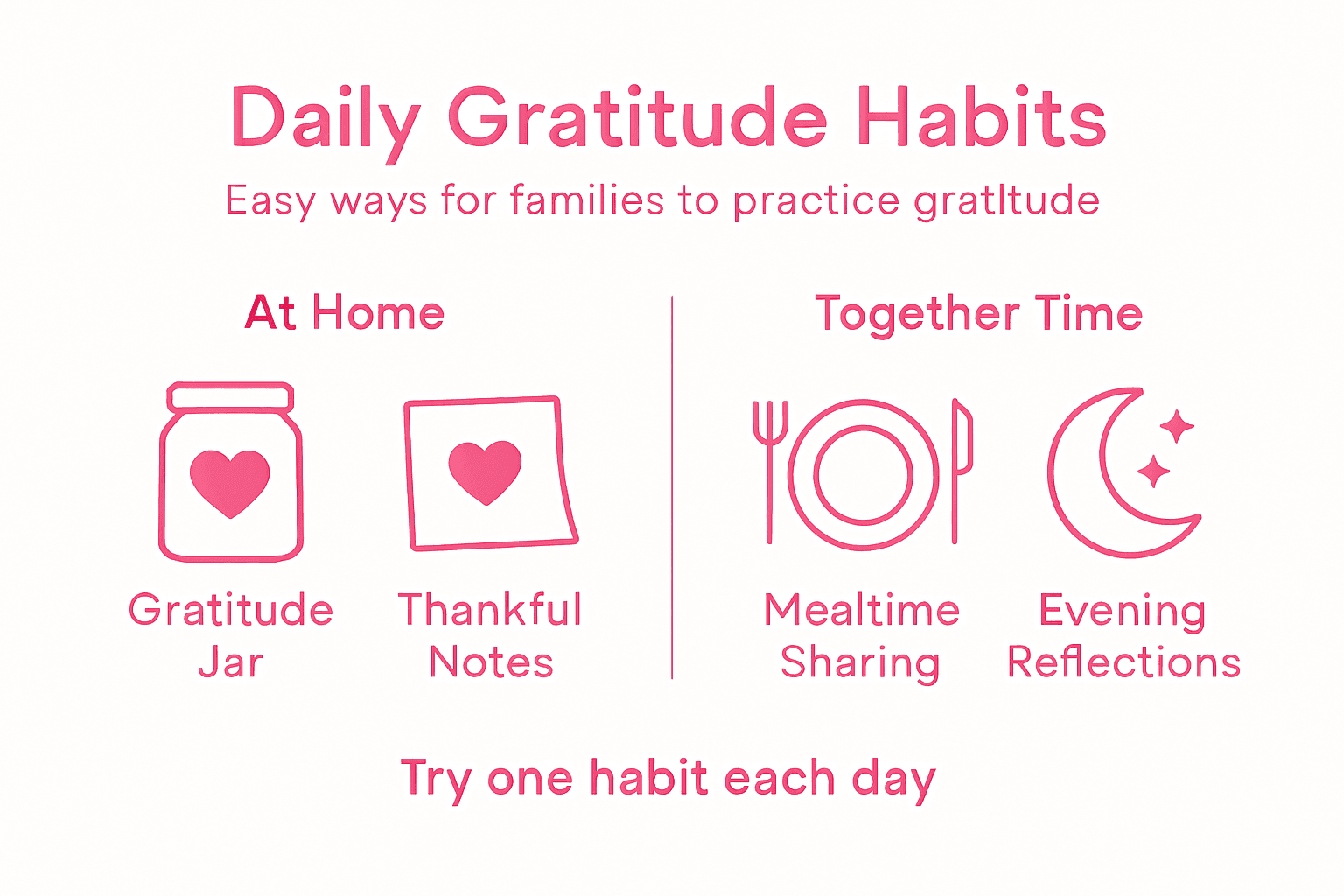
Think of gratitude practices like exercise for your emotional muscles – the more you do them, the stronger they become. These intentional moments of appreciation help children recognize the good around them, shifting focus from what they lack to what they’ve been given.
Practical ways to embed gratitude into your family routine include:
- Create a family gratitude jar where everyone adds a note daily
- Start meals with a quick round of sharing something you appreciate
- Keep a visible gratitude board in a common area
- Encourage thank-you notes for gifts and kind gestures
- Practice bedtime gratitude reflections
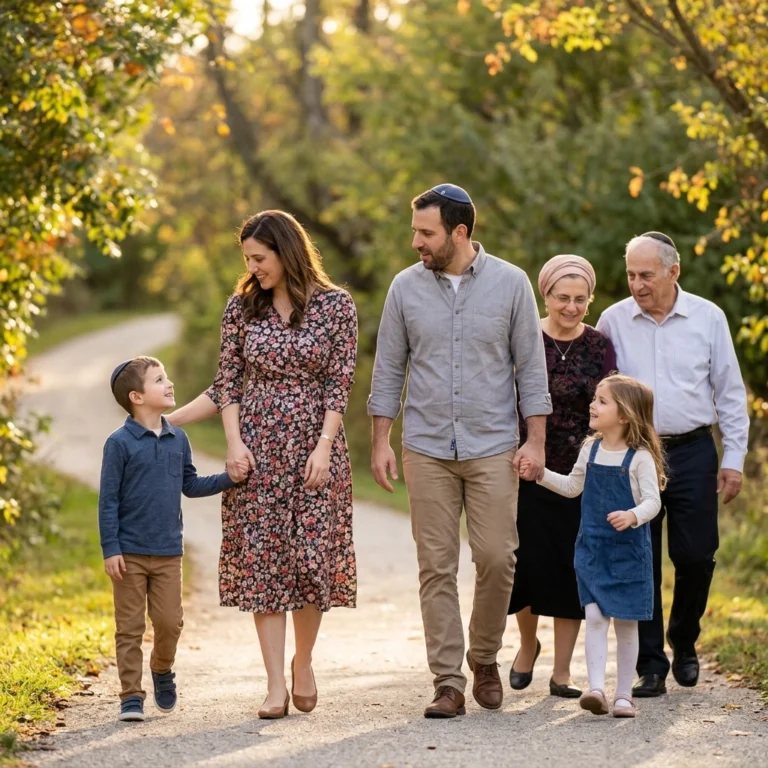
- Take weekly family walks and discuss positive moments
Consistent gratitude practices transform perspective and build emotional resilience.
Remember that children learn best through observation. Your own attitude of gratitude will be the most powerful teacher. Be genuine, be consistent, and watch how these small practices gradually reshape your family’s emotional landscape.
Pro tip: Use visual reminders like colorful sticky notes or a dedicated gratitude journal to make these practices fun and engaging for kids.
Step 4: Encourage Giving and Acts of Service
Raising grateful children means teaching them that true joy comes from giving, not just receiving. Parental involvement in social skills plays a crucial role in developing empathy and responsibility in children.
Acts of service transform abstract concepts of compassion into tangible experiences that children can understand and internalize. When kids actively participate in helping others, they develop a deeper appreciation for their own blessings and learn the profound satisfaction of making a difference.
Here are practical ways to cultivate a spirit of giving:
- Volunteer as a family at local food banks or shelters
- Create care packages for homeless shelters or veterans
- Participate in neighborhood cleanup events
- Help elderly neighbors with yard work or grocery shopping
- Donate gently used toys and clothes together
- Bake cookies or make cards for community helpers
Small acts of kindness can create ripples of compassion that extend far beyond the initial gesture.
Remember that children learn by watching. Your own commitment to serving others will be the most powerful lesson. Approach giving not as a chore, but as a joyful opportunity to connect with your community and spread kindness.
Pro tip: Make a family tradition of monthly service projects to consistently reinforce the value of giving.
Step 5: Reinforce Progress and Celebrate Wins
Gratitude is a skill that grows stronger with acknowledgment and positive reinforcement. Positive parental support strategies can dramatically boost your children’s motivation and emotional development.
Celebrating wins isn’t about creating a trophy culture – it’s about recognizing effort, growth, and genuine moments of kindness. When children feel seen and appreciated for their positive actions, they’re more likely to repeat those behaviors and develop intrinsic motivation.
Strategies for meaningful celebration include:
- Create a family “gratitude wall” to highlight weekly achievements
- Use specific, genuine praise that highlights the action, not just the result
- Take time for spontaneous family dance parties after accomplishments
- Write personal notes recognizing specific acts of kindness
- Share stories of family members’ positive contributions during meals
- Take photos of moments demonstrating gratitude and growth
Small, consistent acknowledgments create lasting emotional connections.
Remember that celebration looks different for every child. Some love public recognition, while others prefer quiet, personal affirmation. The key is making your child feel genuinely seen and valued for their character, not just their achievements.
Pro tip: Rotate celebration responsibilities so each family member gets a chance to recognize and honor others’ progress.
The following table summarizes key parent roles in fostering gratitude and their impact:
| Parent Role | Example Action | Impact on Children |
|---|---|---|
| Role model | Expressing daily thankfulness | Children imitate gratitude |
| Boundary setter | Explaining rule reasons | Kids learn respect |
| Facilitator | Scheduling family service events | Reinforces community values |
| Positive reinforcer | Praising acts of kindness | Fosters intrinsic motivation |
Here’s a comparison of gratitude-building strategies and the benefits they provide for families:
| Strategy Type | Main Benefit | Suitable Age Range |
|---|---|---|
| Daily gratitude routine | Builds emotional awareness | Preschool to teen |
| Family volunteering | Increases empathy and giving | School age and up |
| Celebration of wins | Encourages positive behaviors | All ages |
| Clear boundaries | Teaches responsibility | Preschool to teen |
| Thank-you writing | Boosts communication skills | School age to teen |
Build a Grateful Family Environment with Simple Home Solutions
Raising grateful kids in today’s entitled world comes with many challenges like setting clear expectations, encouraging daily appreciation, and modeling acts of service. This guide highlights how cultivating gratitude builds emotional resilience and strengthens family bonds but maintaining these habits requires organization and consistent routines. If you find it difficult to keep track of family habits or create meaningful routines that encourage gratitude, you are not alone.
At Its A Southern Life Yall, we understand that busy families need practical tools to support these important changes. Our proven organization hacks, home management systems, and time management strategies empower you to create a peaceful, structured environment where gratitude can thrive naturally. Explore our tips for establishing clear family boundaries, daily routines, and positive reinforcement techniques to make fostering gratitude easier and more consistent.
Transform your home and family life today with simple living strategies that support meaningful growth and emotional connection. Start building a grateful family culture with resources designed just for busy parents. Don’t wait to create the loving and organized home your children deserve.
Frequently Asked Questions
How can I assess my family’s current gratitude habits?
Understanding your family’s gratitude habits begins with observation. Spend a week taking note of how often family members express appreciation or focus on complaints. This will give you a clear snapshot of areas for improvement, which can help you set goals for enhancing gratitude in your home.
What are some effective daily gratitude practices for families?
Incorporating daily gratitude practices can be as simple as sharing appreciation during meals or keeping a gratitude jar. Aim to include at least one practice each day, like writing down something you’re thankful for, to help foster a habit of gratitude in your children.
How can I set clear expectations and boundaries around gratitude?
Establish clear expectations by explaining the reasons behind rules and using age-appropriate language. Regularly discuss and review these boundaries, ensuring your children understand the importance of gratitude and respect in family interactions.
What types of acts of service can we do as a family to foster gratitude?
Participate in community service projects together, such as volunteering at local food banks or creating care packages for those in need. Schedule a monthly service project to build a routine of giving and help children see the impact of their contributions.
How should I celebrate my children’s acts of kindness?
Celebrating acts of kindness can be done by recognizing specific behaviors with heartfelt praise or creating a family gratitude wall. Take time each week to acknowledge your children’s contributions, which reinforces positive behaviors and builds their motivation to be kind.
How can I model gratitude effectively for my children?
Demonstrate gratitude in your daily life by expressing thanks openly and sharing positive moments. Be consistent in your gratitude practices, allowing your children to witness and internalize the joy and importance of being thankful, both in small moments and significant interactions.
Recommended
- 10 Simple Ways to Teach Kids Gratitude and Kindness – It’s a Southern Life Ya’ll
- Raising Confident Kids: Practical Strategies for Resilience – It’s a Southern Life Ya’ll
- The Top 5 Ways To Save Money While Raising Kids in 2024 – It’s a Southern Life Ya’ll
- Talking to Kids About Money—Building Lifelong Skills – It’s a Southern Life Ya’ll
Want a little more help with this? I made a free Age-by-Age Chore Chart that pairs right up with this post — y’all can grab it over on my Free Resources page.