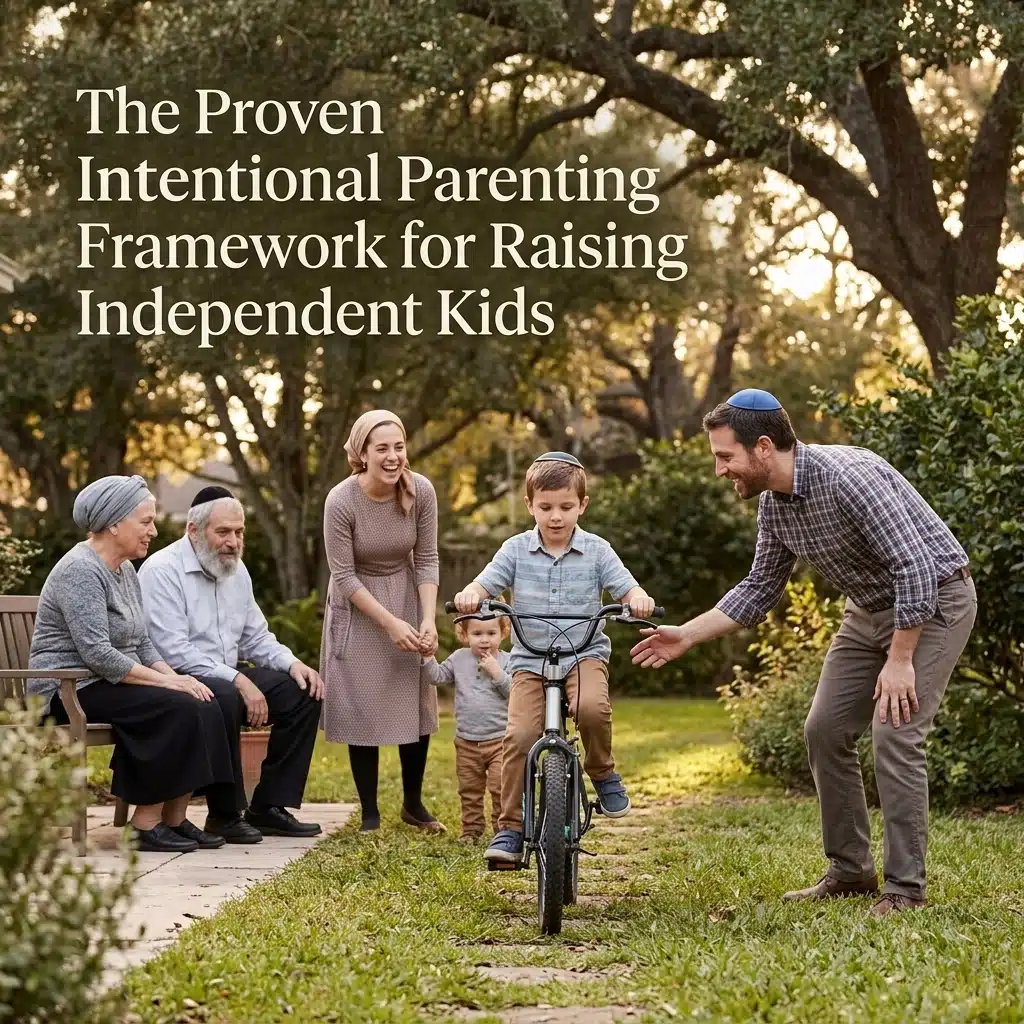
The Proven Intentional Parenting Framework for Raising Independent Kids
Parenting isn't a hobby. It isn’t something we just "fit in" between work and sleep. It is the most important job we will ever have! But if we aren't careful, we end up "winging it" every single day. We react instead of respond. We shout instead of coach. We do everything for our kids because it’s faster, and then we wonder why they can’t boil an egg at age sixteen.
It is time to stop the cycle of accidental parenting! We need a plan. We need a strategy. We need intentional parenting. This isn't about being perfect. It’s about being purposeful. It’s about teaching kids responsibility so they can step out into the world with confidence and grit.
What Exactly Is Intentional Parenting?
Intentional parenting means you are playing the long game. You aren't just trying to survive until bedtime (though some days, that is a victory!). You are looking at the adult you want your child to become and making choices today that lead them there.
It’s about moving away from being a "manager" who controls every move and becoming a "coach" who guides their growth. When we are intentional, we create an environment where kids feel safe to fail, learn from their mistakes, and eventually, take the reins of their own lives. This is how we raise independent kids!
The Four Pillars of a Well-Rounded Child
If we want to raise kids who can handle the real world, we have to look at the whole person. A proven framework for intentional parenting focuses on four critical areas of growth:
- Wisdom: This isn't just book smarts. It’s practical discernment. It’s knowing how to make a good decision when Mom and Dad aren't looking.
- Stature: This covers physical health and personal discipline. Teaching them to care for the bodies they were given.
- Favor with God: Cultivating a spiritual foundation and a sense of purpose that goes beyond themselves.
- Favor with Others: This is all about social intelligence. How do they treat the waiter? How do they handle a disagreement with a friend?
When you focus on these four pillars, you aren't just raising a "good kid." You are raising a capable, compassionate adult.
The Three-Part Strategy for Success
You can’t just wish for these things to happen. You need a delivery system! The intentional parenting framework uses three specific strategies to build these pillars into your child’s life.
1. Small Habits
Small habits are the "everyday" things. These are the daily routines that stick. Think about family meals, morning prayers, or the way you greet each other after school. These tiny moments build the foundation of their character.
If you're struggling to get your daily routines in order, start with something simple like your kitchen. Grab the Meal Genie to get your family meals on track. When the food is handled, you have more mental energy to focus on your kids!

2. Big Moments
Big moments are the "milestones." These are the planned experiences that stand out in their memory. It could be a specific rite of passage, a family mission trip, or a yearly one-on-one retreat with each child. These moments solidify the values you’ve been teaching in the small habits. They give kids something to look forward to and a sense of belonging to something bigger than themselves.
3. Strategic Relationships
You cannot be the only voice in your child’s life. You shouldn't be! Intentional parenting involves bringing in mentors, coaches, and family friends who reinforce your values. Sometimes a kid needs to hear the same truth from an uncle or a youth leader before it finally "clicks." Look for people who model the independence and responsibility you want your kids to have.
Coaching Over Controlling: The Shift You Need
If you want to raise independent kids, you have to stop controlling and start coaching! A controller dictates every move. A coach asks questions.
When your child hits a snag, don’t just bark out the solution. Ask them, "What’s your plan for that?" or "How do you think we should handle this?" This forces them to use their brain! It builds their "decision-making muscle."
Model collaboration. Set clear boundaries, but give them the freedom to operate within those boundaries. If they choose poorly, the consequence is the teacher, not your anger. This shift changes everything!
Teaching Kids Responsibility Through Real Choices
You cannot teach responsibility without giving them actual responsibilities! Teaching kids responsibility starts with allowing them to make choices: and live with the results.
Start small. Let them pick their clothes. Let them decide which chore to do first. As they get older, the stakes get higher. They might choose how to spend their allowance or how to manage their homework schedule.
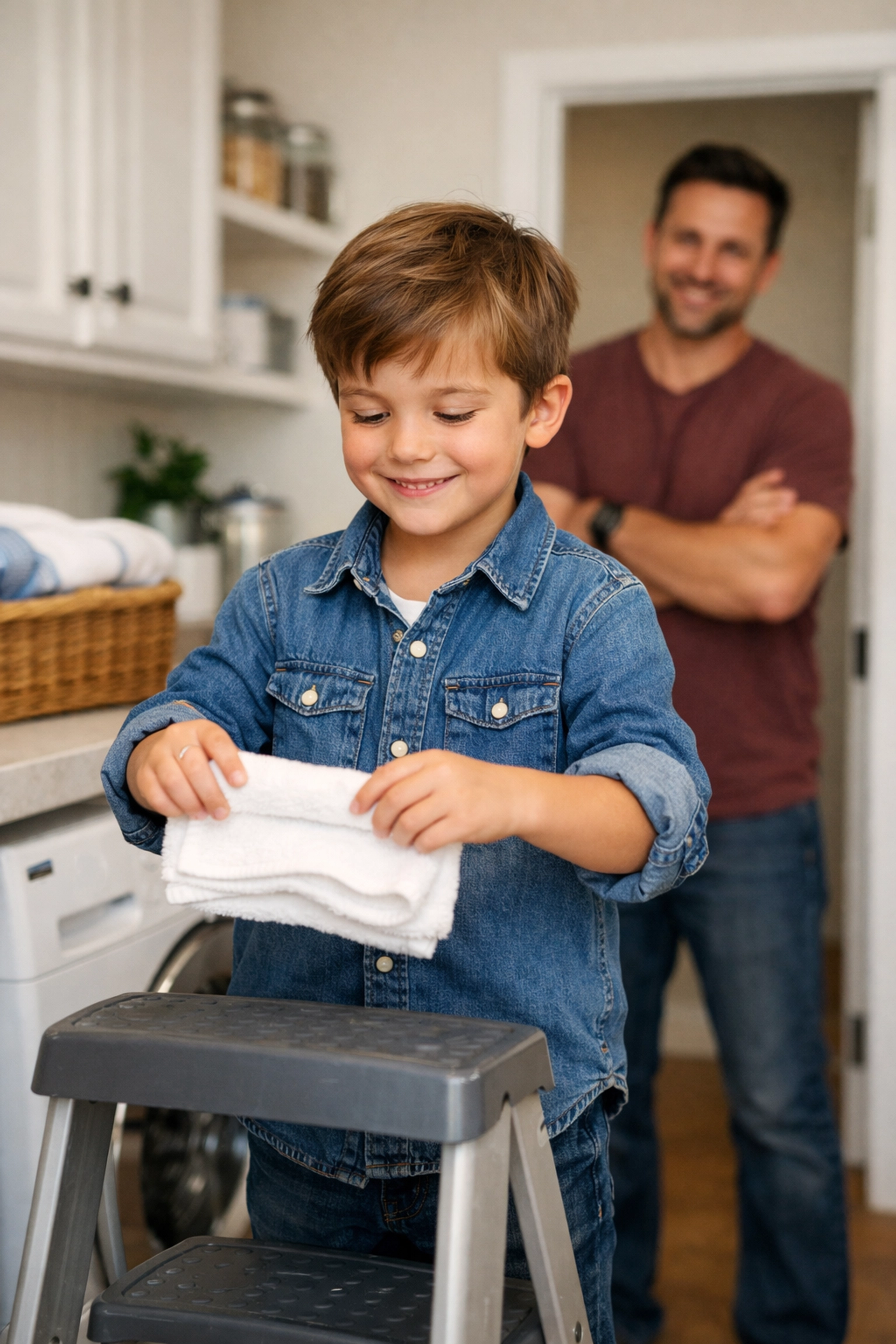
When they make a choice, they gain self-confidence. They realize, "I can do this!" Even if they fail, they learn they can survive the failure. That is the heartbeat of independence! If you need help mapping out these responsibilities and setting goals for your family, the Goal Planner is a fantastic tool to get everyone on the same page.
Building Competence Through Scaffolding
How do we actually teach a skill? We use "scaffolding." You don't just throw a kid into a kitchen and say, "Make dinner."
- I do, you watch. (Model the behavior)
- I do, you help. (Collaborate)
- You do, I help. (Supervise and support)
- You do, I watch. (Observe competence)
This method works for everything from tying shoes to managing a budget. It keeps them in the "zone of proximal development": just enough of a challenge to keep them growing without causing a total meltdown.
The Emotional Safety Net
Independence is scary for a kid! They will only take risks if they know they have a safe place to land. Every child needs to hear and feel four key messages from their parents:
- You are safe with me. (Physical and emotional security)
- You are loved unconditionally. (Your performance doesn't change my love)
- You are called and capable. (I believe in your potential)
- You are responsible for your choices. (I respect you enough to let you own your life)
When a child feels safe and loved, they are much more willing to step out and try new things. They don't have to be perfect to be worthy. That freedom is the fuel for independence!

Organize Your Intentional Life
You can't be intentional if your life is a chaotic mess! You need systems that work so you can spend your time on what matters most: your family.
If you feel like you're constantly playing catch-up, it’s time to take control of your schedule and your goals. Use the Finance and Life Planner to streamline your days. When your "business of life" is organized, you have the margin to be the intentional parent your kids need.
Start Today!
Don't wait for the "perfect time" to start being intentional. That time doesn't exist! Pick one thing today. Maybe it’s a new small habit like a 10-minute check-in before bed. Maybe it’s letting them pick their own breakfast.
Raising independent kids is a marathon, not a sprint. It takes patience, a lot of grace, and a clear framework. But y'all, the reward is so worth it! Seeing your child step out into the world as a responsible, confident adult is the greatest win there is.
Get moving! Be purposeful! You've got this! For more tips on managing your busy life and staying focused on your goals, check out everything we have at It's a Southern Life Ya'll. Let's build a life we love, one intentional choice at a time!