
Intentional Parenting 101: A Beginner’s Guide to Mastering a Purposeful Family Life
Listen, we have all been there. It is 7:00 AM, the toddler is wearing a tutu over pajamas, someone spilled the orange juice, and you are currently wondering if you can count "hiding in the pantry with a granola bar" as a spa day. Most days, parenting feels like we are just trying to keep our heads above water. We are reacting to the tantrums, reacting to the mess, and reacting to the chaos. It is survival mode, plain and simple.
But what if I told you there is a way to stop just surviving and start actually leading your family? That is where intentional parenting comes in. It is not about being a "perfect" parent: because, goodness knows, those don't exist outside of social media filters. It is about making a plan and sticking to it. It is about deciding what kind of adults you want your kids to be and working backward from there.
Stop Reacting and Start Leading
Intentional parenting is exactly what it sounds like: parenting with a specific intent or purpose. It means you stop playing whack-a-mole with your kids' behaviors and start building a foundation. Think of it like building a house. You wouldn't just throw some bricks in a pile and hope they turn into a kitchen, right? You need a blueprint!
When we parent intentionally, we are looking at the long game. We are moving from "How do I get through this Tuesday?" to "How do I help my child become a kind, capable, and responsible human being?"

Identify Your Family Values Right Quick
Before you can parent with purpose, you have to know what that purpose is. This isn't just "feel-good" fluff. This is your North Star. If you don't know what you value, you can't teach it. Take ten minutes today: right now, if you can: and write down the top three traits you want your kids to have when they move out.
Is it honesty? Hard work? Compassion? Resilience? Once you have those, every decision becomes easier. When a conflict arises, ask yourself: "Does my reaction teach the value I wrote down?" If you value productivity and hard work, but you do everything for them because it's "faster," you might be working against your own goals.
Teaching Kids Responsibility: The Chores Secret
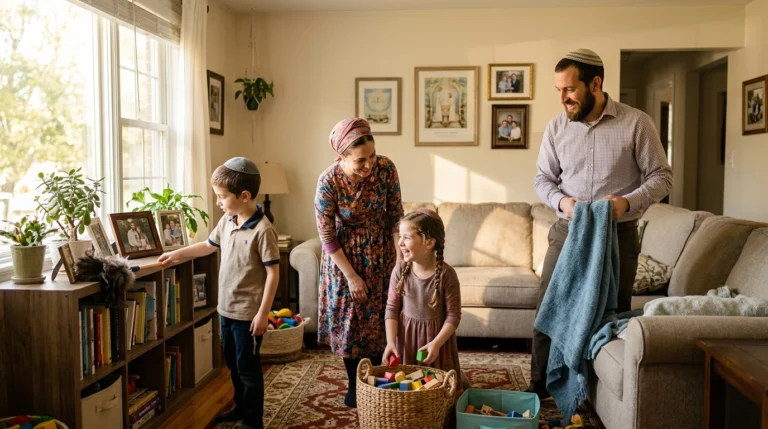
One of the biggest hurdles in any Southern household is the "I'll just do it myself" trap. We want the house clean, and we want it done now. But here is the truth: teaching kids responsibility is one of the most intentional things you can do. It takes longer to teach a five-year-old to fold towels than it does to just fold them yourself, but the payoff is huge.
Start small. Even a toddler can put their toys in a bin. By giving them "jobs," you are telling them they are a vital part of the family team. They aren't just guests in your home; they are contributors. This builds confidence and stops the "learned helplessness" that drives us all crazy.
- Ages 3-5: Put away toys, help match socks, feed the dog (with supervision).
- Ages 6-9: Set the table, fold towels, sweep the porch.
- Ages 10+: Load the dishwasher, take out the trash, basic meal prep.
If you are struggling with the mess that comes with kids, check out some tips for a tidy home to help streamline the process. Get them involved!

Create Rhythms, Not Just Schedules
Schedules are rigid. Schedules break the moment a nap time gets skipped or a soccer game runs late. Rhythms? Rhythms flow. Intentional parenting relies on rhythms that anchor your day.
Think about your morning and evening routines. Do they feel like a frantic race, or do they have a steady beat? A simple rhythm might look like: "We eat breakfast, we clear our plates, we get dressed." It sounds basic, but it removes the "What do I do now?" confusion that leads to whining.
When you establish a solid habit, you are automating the boring stuff so you have more energy for the fun stuff. It makes planning your week so much easier. You aren't reinventing the wheel every Monday morning.
The Power of the Family Meeting
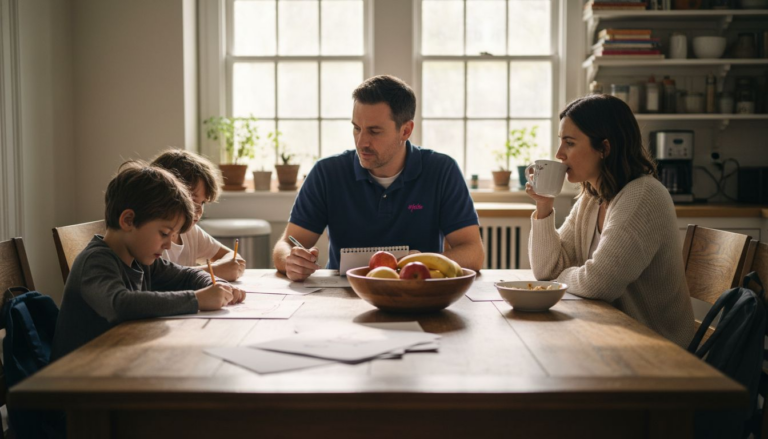
If you want to master a purposeful family life, you have to communicate. Enter: The Family Meeting. This doesn't have to be a boardroom presentation. It can be 15 minutes on Sunday night with some cookies.
Talk about the upcoming week. Who has practice? What are we eating for dinner? Is there a chore that isn't getting done? This is also the time to celebrate wins. Did someone do something kind? Shout it out! This builds a "we’re in this together" mentality that is central to intentional parenting.

Delegate to Alleviate the Stress
Mama, Papa, listen to me: You cannot do it all. You shouldn't do it all. Intentional parenting means recognizing when you are at your limit and learning to delegate.
Delegating isn't a sign of weakness; it's a sign of a well-run ship. When you delegate tasks to your spouse or your children, you are teaching them how a household functions. It helps alleviate stress for you and empowers them. If the kitchen is a disaster and you feel a breakdown coming on, call a 10-minute "Clean Sweep." Everyone grabs a rag or a broom. High energy, loud music, and everyone pitches in.
Focus on Connection Over Perfection
Here is the kicker: you can have the best chore chart in the world, but if you aren't connecting with your kids, it’s all just noise. Intentionality means choosing to put the phone down and actually looking them in the eye. It means listening to that twenty-minute story about Minecraft like it’s the most interesting thing you’ve ever heard.
Connection is the "why" behind the "what." We teach responsibility because we love them and want them to succeed. We set boundaries because we care about their character. If things get heated and you lose your cool: bless it, we’ve all been there: be intentional about the apology. Showing your kids how to make things right after a mistake is a masterclass in purposeful living.

Managing the Mental Load
Let’s talk about the "Mental Load." You know, that invisible list of everything from "When do the library books need to go back?" to "Does the toddler need new shoes?" Intentional parenting requires you to manage this load so it doesn't crush you.
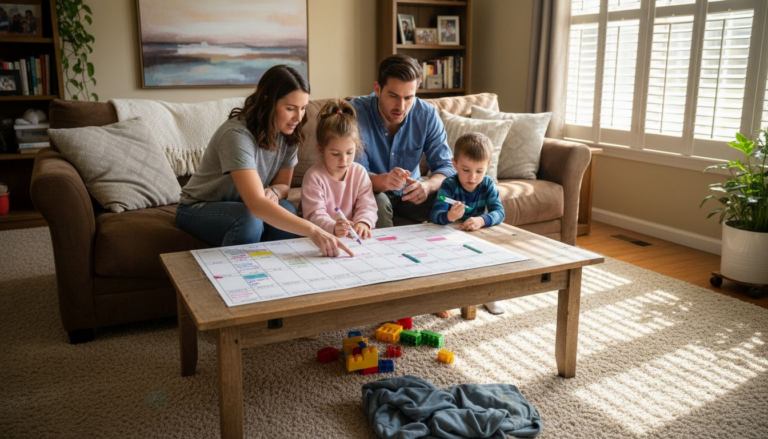
Use tools. Use a wall calendar. Use an app. Write it down! When you prioritize what actually needs to happen today versus what can wait until next month, you lessen stress significantly. If it’s not an "emergency," let it go. Focus on the people in front of you.
Your Intentional Parenting Action Plan
Ready to jump in? Don't try to change everything overnight. Pick one thing. Just one!
- Define your values: Write them down on a sticky note and put it on the fridge.
- Assign one new chore: Teach your child how to do it and hold them to it.
- Start a rhythm: Pick one part of the day to make "automatic."
- Schedule a meeting: Pick a time this week to sit down as a family.
Intentional parenting isn't a destination; it's a journey. There will be days when you nail it and days when you feel like you're failing. But by choosing to be purposeful, you are already ahead of the game. You are building a legacy, one intentional choice at a time.
You’ve got this, ya’ll! Now go get that coffee and start leading your crew with heart and purpose. For more tips on keeping your sanity and your home in order, check out our housekeeping guides. Let’s make this Southern life a purposeful one!