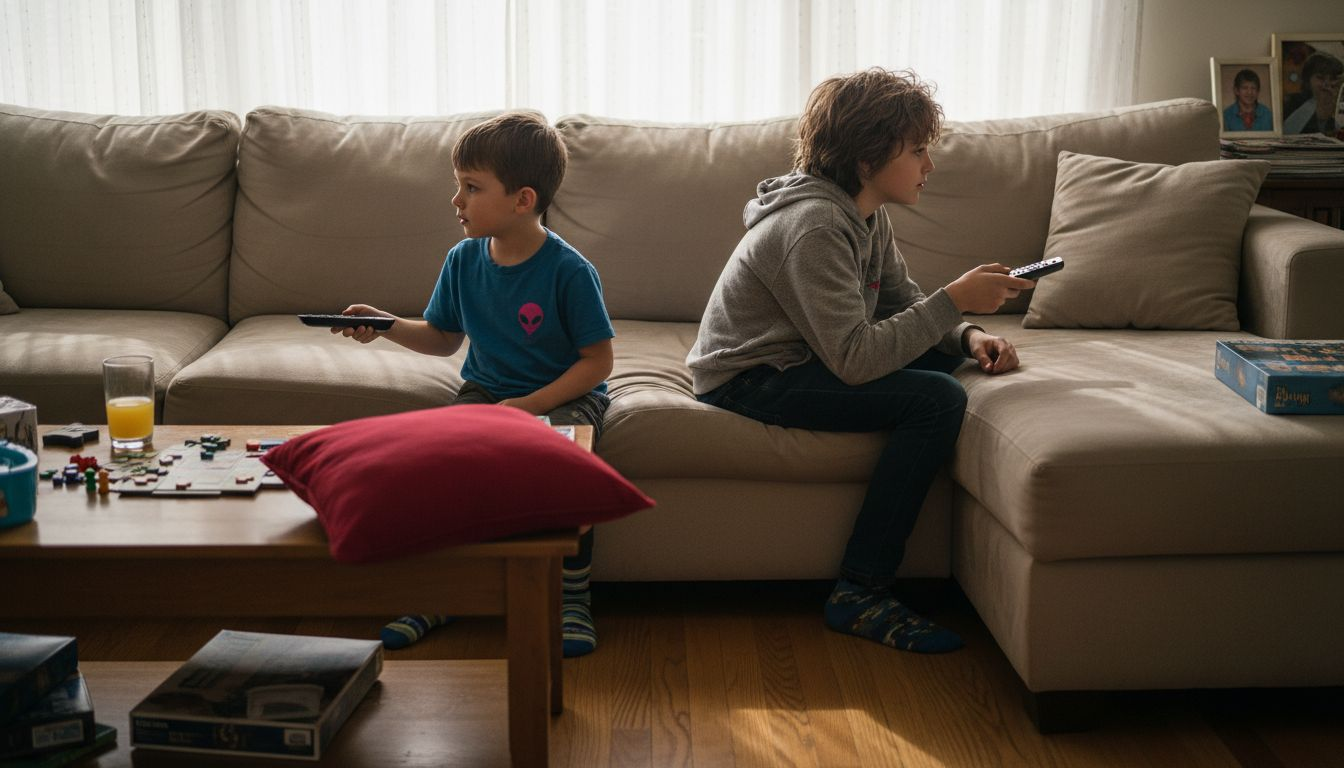
Sibling Rivalry Solutions: Transform Conflict at Home
Every parent faces the struggle of managing constant squabbles between siblings, especially when busy schedules leave little room for patience. Understanding sibling rivalry as a normal stage rooted in the push for parental attention can bring relief and perspective. Learning to recognize common misconceptions, spot warning signs, and use practical tools helps American families transform daily conflicts into valuable moments that build emotional intelligence and lasting family bonds.
Table of Contents
- Defining Sibling Rivalry And Common Misconceptions
- Why Siblings Compete And Types Of Rivalry
- How Age, Temperament, And Family Dynamics Influence Conflict
- Effective Strategies For Preventing And Managing Rivalry
- Mistakes To Avoid And Signs Sibling Conflict Needs Intervention
- Building Connection: Tools For Fostering Harmony
Key Takeaways
| Point | Details |
|---|---|
| Understanding Sibling Rivalry | Sibling rivalry is a natural emotional phenomenon, shaped by competition for parental attention and resources, which can foster important social skills. |
| Impact of Family Dynamics | Factors such as birth order, individual temperament, and parenting styles significantly influence sibling interactions and conflict levels. |
| Effective Strategies for Management | Proactive parenting strategies that emphasize individual attention and conflict resolution can reduce rivalry and promote positive sibling relationships. |
| Recognizing Warning Signs | Interventions are necessary when sibling conflict escalates to violence or emotional manipulation, indicating underlying issues that require professional attention. |
Defining Sibling Rivalry and Common Misconceptions
Sibling rivalry is a complex emotional landscape that every family navigates differently. At its core, it represents the natural competition and tension between brothers and sisters as they vie for parental attention, resources, and individual identity. Developmental researchers define sibling rivalry as a normal psychological phenomenon involving competition and occasional conflict among siblings.
Contrary to popular belief, sibling rivalry isn’t just about fighting or being mean to each other. It’s a nuanced interaction rooted in deeper psychological mechanisms. The key misconceptions many parents hold include:
- Believing all sibling conflict is inherently negative
- Thinking rivalry will automatically disappear with age
- Assuming equal treatment means equal experience
- Expecting siblings to always like each other
The reality is far more complex. Sibling dynamics are influenced by multiple factors such as birth order, individual temperament, parental treatment, and family environment. Some rivalry is actually healthy, helping children develop crucial social skills like negotiation, empathy, and emotional regulation.
Here’s a concise comparison of common misconceptions and the actual realities of sibling rivalry:
| Misconception | Reality |
|---|---|
| All sibling conflict is harmful | Some competition aids social development |
| Conflict disappears with age | Rivalry often changes form but persists over time |
| Equal treatment yields fairness | Children experience parental actions differently |
| Siblings must always get along | Occasional tension is normal and expected |
Psychological research suggests that sibling relationships are dynamic and evolving. Competitive interactions between siblings typically peak during middle childhood and adolescence, when children are most actively defining their individual identities and testing family hierarchies.
Pro tip: View sibling interactions as opportunities for teaching emotional intelligence rather than problems to be suppressed.
Why Siblings Compete and Types of Rivalry
Understanding why siblings compete requires diving deep into the complex emotional landscape of family dynamics. Sibling conflict emerges from fundamental psychological needs to establish individual identity, gain parental attention, and secure emotional resources within the family unit.
The primary motivations behind sibling rivalry include:
- Seeking parental validation and attention
- Establishing personal boundaries and unique identity
- Competing for limited family resources
- Developing social and emotional competence
- Testing personal power and influence within family hierarchy
Types of sibling rivalry range from mild verbal disagreements to more intense psychological competitions. Sibling aggression research distinguishes between normal competitive interactions and potentially harmful behaviors.
Three primary categories of sibling rivalry emerge:
- Verbal competition: Arguments, teasing, and verbal challenges
- Resource competition: Fighting over toys, parental time, or personal space
- Achievement-based rivalry: Competing for academic, athletic, or social recognition
Importantly, not all rivalry is negative. Some competitive interactions actually help children develop crucial social skills like negotiation, emotional regulation, and empathy. The key is understanding the underlying motivations and managing these interactions constructively.
Pro tip: Recognize rivalry as a natural developmental process and an opportunity to teach emotional intelligence skills.
How Age, Temperament, and Family Dynamics Influence Conflict
Family dynamics play a critical role in shaping sibling relationships, with multiple factors interacting to create unique patterns of interaction. Age differences, individual temperaments, and family emotional environments significantly impact how siblings relate to and compete with each other.
Key factors influencing sibling conflict include:
- Birth order and age gap between siblings
- Individual personality traits and emotional regulation skills
- Parenting styles and emotional support
- Family stress levels and emotional climate
- Gender composition of sibling groups
Temperament variations dramatically affect how siblings interact. Some children are naturally more competitive, while others are more collaborative and empathetic. Sibling conflict research demonstrates that closer age gaps and same-gender siblings often experience more intense rivalry.
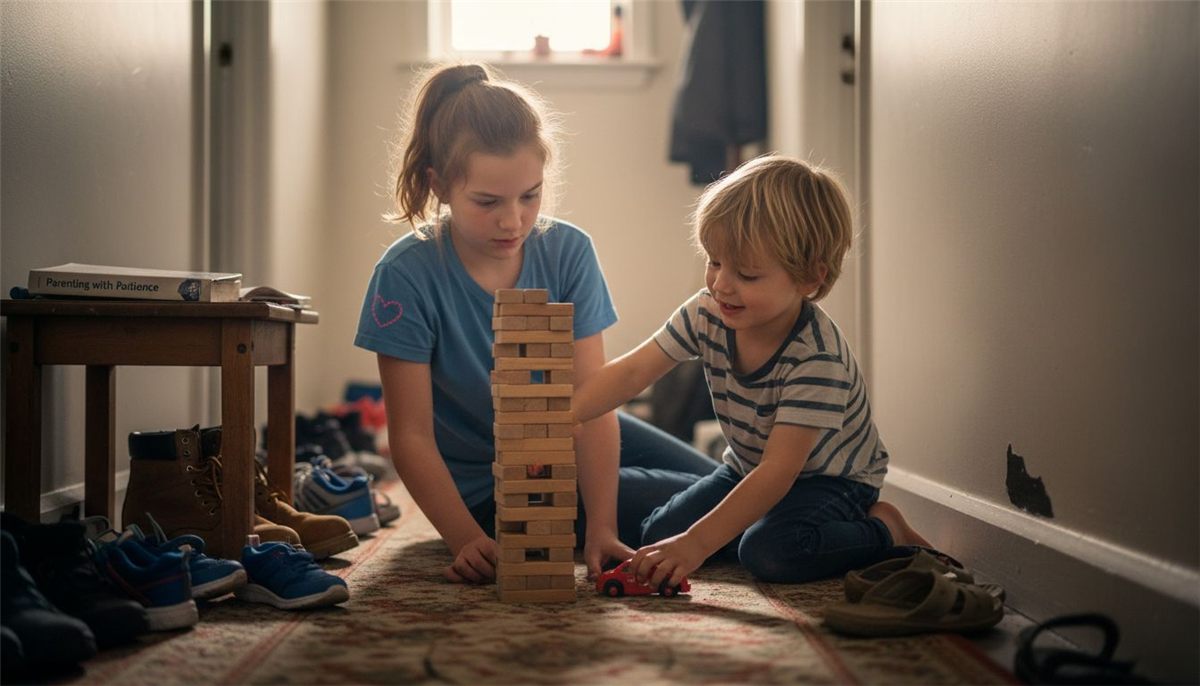
Interestingly, the emotional environment created by parents plays a pivotal role. Positive parenting approaches that encourage individual expression while maintaining fair treatment can significantly reduce sibling conflict. Conversely, inconsistent or overly critical parenting can escalate competitive behaviors.
Three primary temperament types that influence sibling dynamics include:
- Competitive personalities: More likely to engage in direct conflicts
- Collaborative personalities: Tend to negotiate and compromise
- Passive personalities: Often avoid direct confrontation
Pro tip: Recognize each child’s unique temperament and create personalized strategies that support their individual emotional needs.
Effective Strategies for Preventing and Managing Rivalry
Parental approaches play a crucial role in reducing sibling rivalry and creating a harmonious home environment. Proactive strategies that focus on emotional intelligence and fair treatment can significantly minimize competitive behaviors and promote positive sibling interactions.
Key prevention strategies include:
- Creating individual attention time for each child
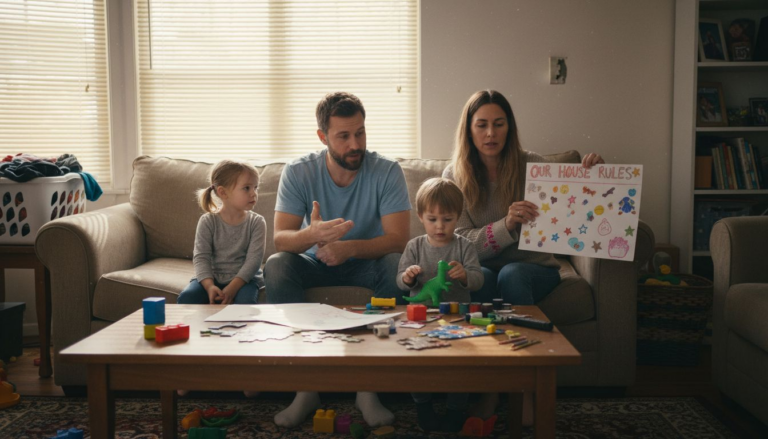
- Establishing clear family rules about respect
- Teaching emotional regulation skills
- Avoiding direct comparisons between siblings
- Promoting cooperative activities
Conflict resolution techniques are essential for managing inevitable sibling disputes. Effective parental interventions involve validating emotions, teaching communication skills, and maintaining consistent boundaries without showing favoritism.
Successful rivalry management requires a multi-step approach:
- Listen to each child’s perspective without judgment
- Help children articulate their feelings constructively
- Guide them toward collaborative problem-solving
- Model respectful communication
- Reward cooperative behaviors
Parents must also recognize that some competition is normal and can be a healthy part of sibling development. The goal is not to eliminate all rivalry but to transform it into an opportunity for emotional growth and mutual understanding.
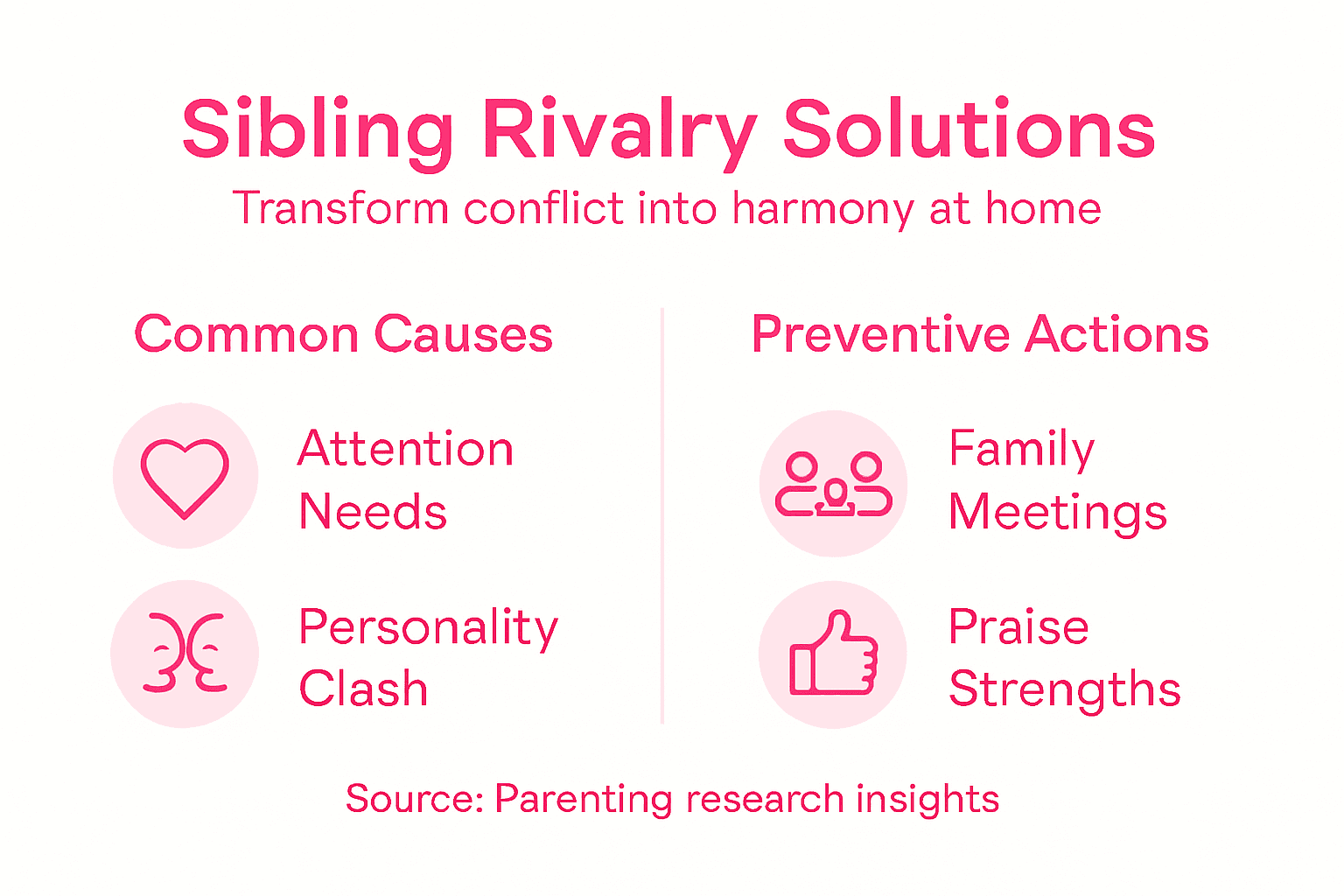
Pro tip: Create a family culture that celebrates each child’s unique strengths instead of fostering competitive comparisons.
Mistakes to Avoid and Signs Sibling Conflict Needs Intervention
Parental mistakes can significantly escalate sibling conflicts, making it crucial to recognize and address problematic interaction patterns early. Understanding common pitfalls helps parents create more supportive family environments that minimize destructive rivalry.
Common parental mistakes that worsen sibling conflict include:
- Comparing siblings directly
- Taking sides during arguments
- Inconsistent discipline approaches
- Ignoring underlying emotional needs
- Failing to teach conflict resolution skills
Warning signs that sibling conflict requires professional intervention are serious and should never be overlooked. Sibling aggression research indicates several critical red flags parents must recognize:
- Repeated physical violence between siblings
- Consistent emotional manipulation
- One sibling using intimidation tactics
- Significant age-inappropriate aggressive behaviors
- Emotional or psychological trauma symptoms
Parents must understand that not all sibling interactions are healthy, and some behaviors extend beyond normal competitive dynamics. Persistent negative patterns can lead to long-term psychological damage and require immediate, compassionate intervention.
To better understand prevention and intervention, here’s a summary of strategies and red flags for sibling conflict:
| Strategy or Red Flag | Purpose or Meaning | Example or Indicator |
|---|---|---|
| Dedicated attention for each child | Fosters individuality and reduces jealousy | One-on-one outings |
| Clear family rules | Sets boundaries to minimize disputes | Rules about respect and sharing |
| Teaching emotional regulation | Helps children manage frustration | Deep breathing, labeling feelings |
| Repeated physical violence | Warning sign needing intervention | Frequent hitting or pushing |
| Emotional manipulation | Sign of unhealthy rivalry | Guilt-tripping or exclusion |
Pro tip: Document specific incidents of concerning sibling interactions to help professionals understand the full context of family dynamics.
Building Connection: Tools for Fostering Harmony
Sibling relationships represent critical developmental opportunities for children to learn crucial social and emotional skills. Intentional strategies can transform potentially competitive dynamics into supportive, lifelong connections that nurture mutual understanding and emotional intelligence.
Effective tools for building sibling harmony include:
- Creating dedicated one-on-one time with each child
- Designing cooperative family activities
- Teaching emotional communication skills
- Celebrating individual strengths
- Establishing fair and consistent family rules
Bonding techniques require thoughtful approaches that recognize each child’s unique personality. Relationship research highlights the importance of understanding sibling dynamics as complex, nuanced interactions rather than simple competitive relationships.
Three powerful connection-building strategies parents can implement:
- Schedule regular family activities that require teamwork
- Practice active listening during sibling interactions
- Mediate conflicts using compassionate communication
Successful sibling relationships aren’t about eliminating all conflict, but creating a foundation of mutual respect, understanding, and emotional safety where differences can be celebrated and navigated constructively.
Pro tip: Create a family culture that views siblings as teammates rather than competitors.
Transform Sibling Rivalry into Harmony in Your Home
Sibling rivalry often leaves parents feeling overwhelmed and unsure how to restore peace. This article highlights the struggle to manage competition and conflict among brothers and sisters while fostering emotional intelligence and healthy connections. If you want to move beyond just managing fights and start building a calmer, more organized household that supports each child’s unique needs and strengths, you are in the right place.
At ItsASouthernLifeYall.com, we understand the challenges busy families face. Our simple living strategies include proven home management systems, time management tools, and organization hacks designed to reduce stress and create an environment encouraging cooperation rather than conflict. Why wait for sibling rivalry to escalate when you can take control today? Explore ways to bring harmony to your family with practical tips right now. Visit ItsASouthernLifeYall landing page to discover effective solutions and start transforming your home into a peaceful, supportive space your children will thrive in.
Frequently Asked Questions
What are some common causes of sibling rivalry?
Sibling rivalry often arises from the need for parental attention, competition for resources, and the desire to establish individual identities. Factors like age gaps, personality differences, and family dynamics also play a significant role.
How can I manage sibling conflicts effectively?
To manage sibling conflicts, listen to each child’s perspective, teach emotional regulation and communication skills, and promote constructive problem-solving. Establishing clear family rules about respect and cooperation can also help.
Is sibling rivalry always harmful?
No, sibling rivalry isn’t always harmful. Some competition is normal and can help children develop social skills such as negotiation and empathy. The key is to recognize when rivalry becomes destructive and address it constructively.
When should I seek professional help for sibling rivalry?
Seek professional help if you notice repeated physical violence, emotional manipulation, or significant age-inappropriate aggressive behaviors. If sibling conflict leads to emotional trauma or distress, it’s important to get assistance from a mental health professional.
Recommended
- Sibling Rivalry: Restore Harmony and Build Lifelong Bonds – It’s a Southern Life Ya’ll
- Raising Confident Kids: Practical Strategies for Resilience – It’s a Southern Life Ya’ll
- How to Create a Peaceful Home for Your Family – It’s a Southern Life Ya’ll
- Understanding Why Set Family Traditions Matters – It’s a Southern Life Ya’ll