How to Handle Toddler Tantrums Like a Pro: A Mom’s Survival Guide
Every parent faces that moment when a toddler’s meltdown threatens to derail even the best-laid plans. For busy moms juggling a bustling household in American and Canadian homes, constant tantrums make it hard to maintain a peaceful and organized space. The answer lies in creating a supportive environment and recognizing early patterns. This guide reveals practical steps and actionable strategies that help you prepare your family for calmer responses and a more balanced daily rhythm.
Table of Contents
- Step 1: Prepare Your Home For Calm Responses
- Step 2: Recognize Early Warning Signs Of Tantrums
- Step 3: Implement Consistent Calming Techniques
- Step 4: Redirect Attention Effectively
- Step 5: Review And Adjust Your Strategy
Quick Summary
| Key Insight | Explanation |
|---|---|
| 1. Create a calm environment | A peaceful home reduces chaos and helps toddlers feel safe, minimizing triggers for tantrums. |
| 2. Identify early warning signs | Recognizing subtle cues of frustration enables early intervention before tantrums escalate. |
| 3. Stay calm during tantrums | Your response models emotional regulation, teaching toddlers how to manage their feelings effectively. |
| 4. Use redirection techniques | Shifting focus away from triggers can prevent tantrums or lessen their intensity when they start. |
| 5. Review and adjust strategies | Tracking tantrum patterns allows for timely adjustments in your approach as your child develops. |
Step 1: Prepare Your Home for Calm Responses
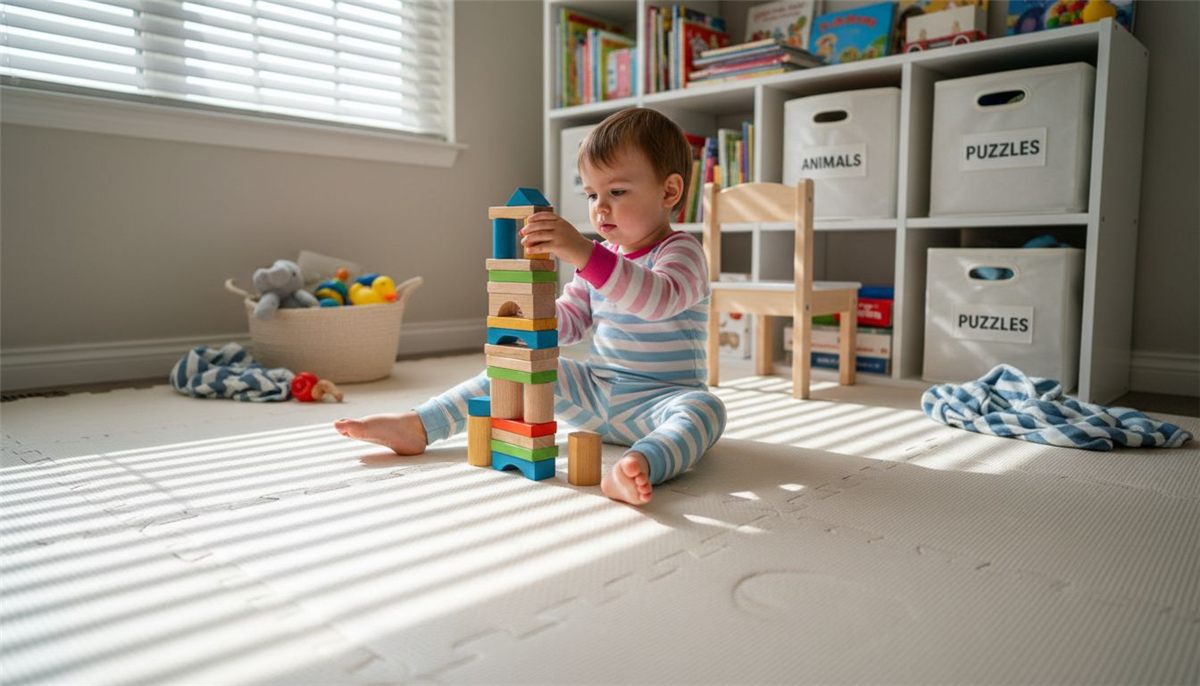
Your home environment plays a bigger role in toddler tantrums than you might think. When your space is chaotic, overstimulating, or unpredictable, your toddler’s nervous system stays in a heightened state of alert. That means even small frustrations can trigger a meltdown. But here’s the good news: you don’t need a magazine-perfect house to create the conditions for calmer responses. You just need intentional spaces and routines that help your little one feel safe and regulated.
Start by identifying your child’s tantrum patterns. Do meltdowns happen consistently around bedtime? During transitions between activities? When your toddler gets hungry or tired? Understanding what triggers your child’s tantrums helps you anticipate these moments before emotions spiral. Once you know the patterns, you can adjust your environment and routines strategically. For example, if homework time is always explosive, build in a calming activity beforehand. If outings go sideways, plan them when your child is well-rested and fed. Keeping regular sleeping and eating schedules actually reduces how often tantrums happen in the first place. Overtired and hungry toddlers are tantrum machines. There’s no getting around it.
Next, set up your physical space for fewer frustrations. This means reducing visual clutter, keeping toys accessible (so your toddler isn’t constantly frustrated trying to reach things), and creating a dedicated quiet corner where your child can retreat when emotions feel big. You might also want to create a peaceful home where calm becomes the default setting. Think about offering your toddler controlled choices throughout the day too. Instead of “get dressed now,” try “do you want the red shirt or the blue shirt?” Giving toddlers autonomy in small ways prevents a lot of power struggles that spark tantrums. The goal isn’t perfection. It’s creating an environment where your toddler feels secure, somewhat in control, and less likely to become emotionally overwhelmed.
Pro tip: Model the calm behavior you want to see during tantrums by breathing slowly and speaking in a gentle voice when your toddler is upset, showing them that emotions can be handled without chaos.
Step 2: Recognize Early Warning Signs of Tantrums
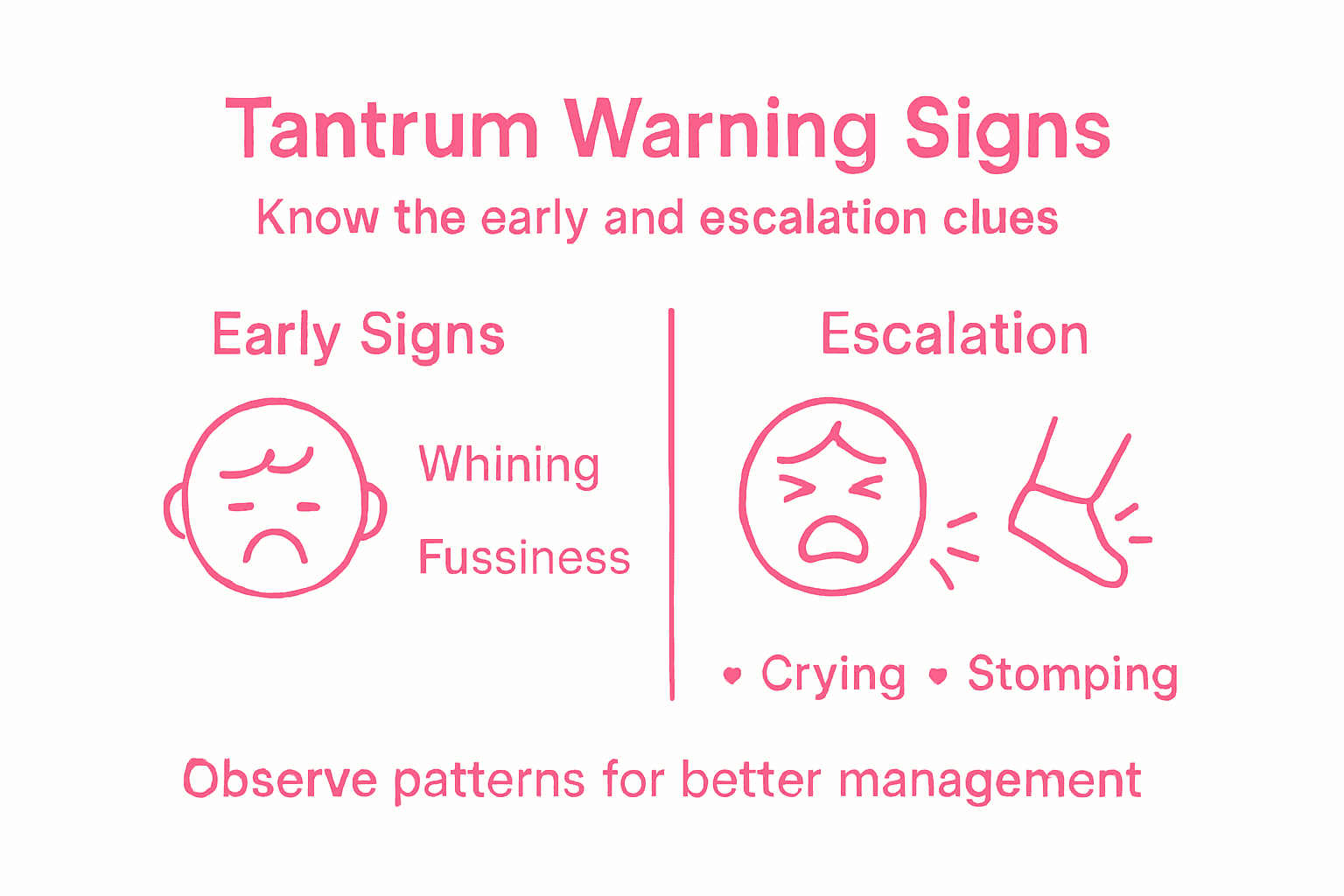
The key to managing tantrums before they spiral is catching them in the early stages when your toddler is just starting to lose it. You know that moment when your child shifts from happy to frustrated but hasn’t completely melted down yet? That’s your window. Learning to spot these subtle cues gives you time to redirect, comfort, or adjust the situation before emotions take over completely.
Watch for behavioral changes that signal frustration is building. Increased whining, fussiness, and restlessness often come first. Your toddler might cling to you more than usual or seem unusually clingy and demanding. These aren’t just annoying behaviors, they’re your child’s way of communicating that something feels overwhelming. Look at your child’s body language too. You’ll notice tense muscles, a flushed face, or clenched fists. Some toddlers get very still and rigid, while others become more wound up. Every kid shows frustration differently, so pay attention to what your individual child does when stress starts building. The beauty of catching these early signs is that you can intervene with simple redirects, a snack, a quiet moment together, or a shift in activity before everything explodes.
Understand that temper tantrums often start when toddlers become frustrated due to their desire for independence mixed with an inability to express complex feelings verbally. Your toddler wants to do things but can’t, or wants something but can’t communicate why. As things escalate, you might see more dramatic signs like throwing themselves on the floor, hitting, or arching their backs. But if you’ve been watching for those initial warning signs, you’ll likely catch the tantrum before it reaches that point. Think of it like spotting a small fire before it becomes a blaze. Early intervention takes so much less energy and creates a much better outcome for everyone. Once you know your child’s individual warning signs, you become remarkably good at preventing full meltdowns.
Pro tip: Keep a small notebook for one week and jot down what your toddler does right before a tantrum happens, so you can identify their unique early warning pattern and respond faster next time.
Compare signs of escalation vs. early warning cues in toddlers:
| Early Warning Signs | Escalation Signs |
|---|---|
| Whining or minor fussiness | Intense screaming or crying |
| Clinginess or restlessness | Hitting or flailing |
| Tense body or flushed face | Throwing objects |
| Seeking comfort | Refusing all redirection |
| Stillness or growing quiet | Floor tantrum, back arching |
Step 3: Implement Consistent Calming Techniques
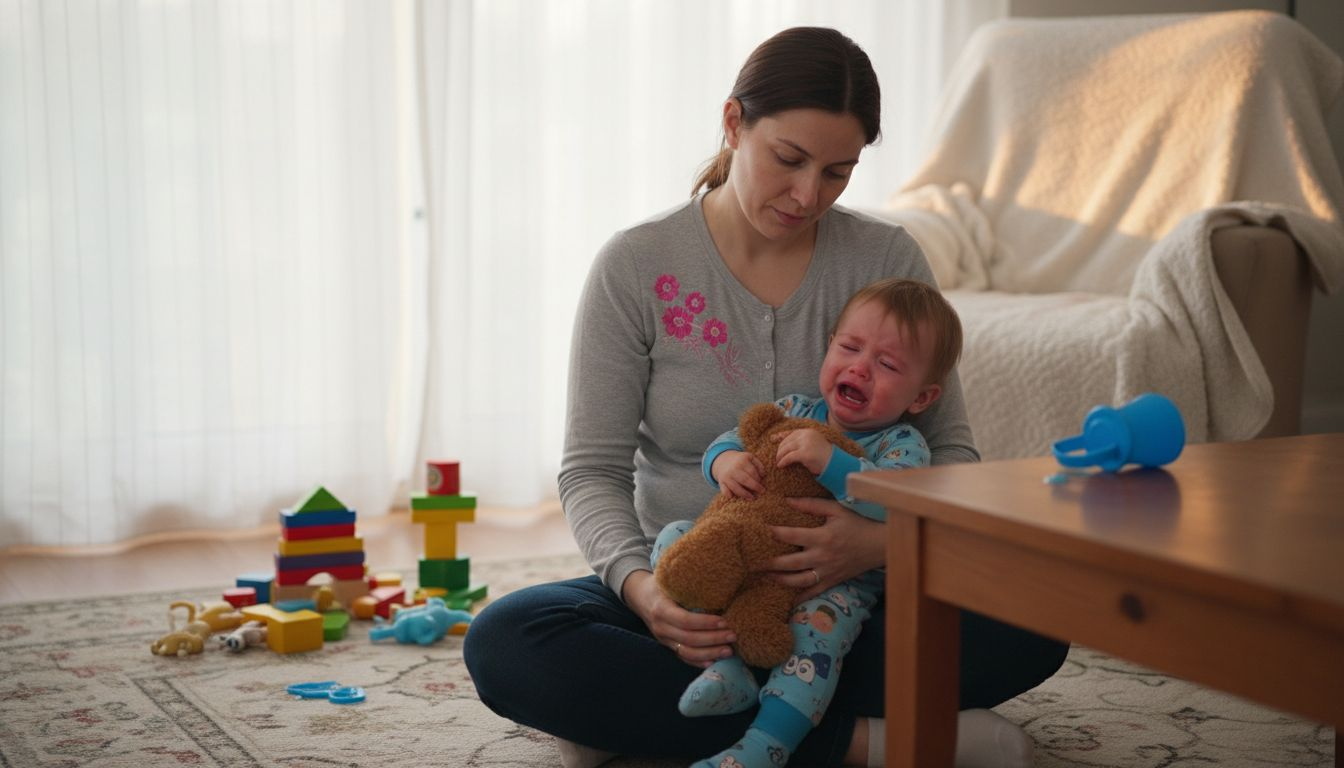
Once a tantrum starts, your response matters more than you might realize. The way you react teaches your toddler how to handle big emotions. If you stay calm and consistent, your child learns that feelings are manageable. If you react with frustration or anger, the situation escalates faster than a toddler can say “no.” The goal isn’t to eliminate tantrums entirely, but to help your child move through them with your steady presence and proven techniques.
Start by focusing on yourself first. Your calm is contagious. Take a slow breath, lower your voice, and remember that your toddler isn’t trying to ruin your day. They’re overwhelmed and need you to be the stable adult in the room. Staying calm yourself models emotional regulation for your child and shows them that big feelings don’t require big reactions. While your toddler is spiraling, use simple calming techniques together. Try slow breathing (in through the nose, out through the mouth), counting to ten slowly, or naming the emotion you see. You might say, “I see you’re really angry right now. Let’s take some deep breaths together.” These aren’t magical fixes that stop tantrums instantly, but they’re tools that help your child’s nervous system gradually shift from chaos back to calm. Teach these techniques during calm times too, so your toddler recognizes them and knows what to expect.
Consistency is absolutely crucial. Use the same calming approaches every single time. When your toddler knows you’ll respond the same way, they feel safer and more secure. Using empathetic, calm responses while setting simple limits helps children learn that their emotions are valid even when their behavior isn’t acceptable. Validate what your child is feeling without giving in to unreasonable demands. You might say, “I know you wanted the blue cup, and that’s disappointing. The answer is still no, and I’m here with you while you have these feelings.” Consider co-regulation strategies like sitting near your child, offering comfort, or simply being present without trying to fix everything immediately. Your steady, predictable presence teaches your toddler that they can trust you through the storm.
Pro tip: Create a simple calming routine you use every time, like sitting together in a quiet spot with a specific stuffed animal or blanket, so your toddler’s brain recognizes the pattern and begins to settle faster over time.
Step 4: Redirect Attention Effectively
Redirection is your secret weapon when you catch a tantrum early or when emotions are starting to spiral. The basic idea is simple: shift your toddler’s focus away from whatever is triggering the meltdown and toward something else entirely. This works best before a tantrum is in full swing, but it can also help interrupt one that’s already started. Think of it like gently steering a boat away from rough waters rather than trying to fight the current head on.
Timing is everything with redirection. Distraction by shifting attention to a different object, activity, or topic before a tantrum fully develops can be highly effective at preventing escalation. The moment you notice your toddler getting frustrated, offer something new. Maybe your child wants a toy your sibling has. Instead of waiting for the full meltdown, point out something interesting happening outside the window. Or suddenly remember that special snack in the pantry. Suggest a different game or activity that feels equally appealing. The key is acting quickly and making the new thing genuinely interesting to your toddler. If your child is already mid tantrum, trying to reason or argue usually makes things worse. Instead, calmly redirect their physical location or focus. You might gently say, “I see you’re upset. Let’s go look at the fish tank,” and physically move them away from the trigger if needed.
Remember that redirection works best when combined with safety. Removing the child from a situation or redirecting them to a safer activity interrupts the tantrum cycle while keeping everyone safe. If your toddler is doing something dangerous or unacceptable, calmly move them away and suggest an appropriate alternative. This approach doesn’t ignore the behavior or reward the tantrum. It simply prevents the situation from escalating while teaching your child that there are other choices available. The combination of staying calm, redirecting quickly, and offering genuine alternatives works because your toddler’s attention span is limited. Once their mind shifts to something new and engaging, the original trigger fades into the background. This isn’t avoiding the real problem, it’s preventing unnecessary meltdowns while your child develops the emotional skills to handle frustration better.
Pro tip: Keep a small bag of “emergency redirection items” (special books, small toys, or musical items) that you only bring out during difficult moments, so they feel fresh and genuinely interesting to your toddler.
Step 5: Review and Adjust Your Strategy
Here’s the thing about parenting strategies: what works brilliantly one month might need tweaking the next. Your toddler is growing and changing constantly, and their tantrum patterns shift along with their development. That’s why reviewing what’s actually working (and what isn’t) keeps you from spinning your wheels trying the same approach over and over when it’s no longer effective.
Start tracking your observations. Pay attention to when tantrums happen, what triggers them, how long they last, and what response seemed to help most. You don’t need anything fancy. A simple note on your phone or a quick journal entry works fine. After a week or two of notes, patterns emerge that you might not see day to day when you’re exhausted. Maybe tantrums spike on days your toddler misses a nap. Perhaps certain transitions consistently cause meltdowns. Or you might notice that one calming technique works great at home but falls flat when you’re out. Keeping track of when and why tantrums occur reveals patterns that need adjustments. Once you see the pattern, you can address the root cause instead of just managing the symptoms.
After you’ve identified what’s working and what isn’t, get intentional about adjusting. If a particular calming technique isn’t helping after consistent effort, try something different. If redirection works beautifully but your kiddo still struggles at bedtime, maybe the real issue is that they’re overtired and need an earlier wind down routine. Continuously adapting your tantrum management plan based on your child’s development and changing behavior patterns helps reduce tantrum frequency over time. This isn’t about being perfect or finding the one magic solution. It’s about staying flexible and willing to tweak things as your child grows. Some strategies you loved might become unnecessary as your toddler develops better emotional regulation skills. New challenges emerge, and you adapt your response. The parents who have the most success with tantrums aren’t the ones who found one perfect approach. They’re the ones who stayed willing to observe, learn, and adjust.
Pro tip: Set a reminder on your phone for the first Sunday of every month to review your notes and ask yourself what’s improved, what’s gotten harder, and what one adjustment you’ll try next month.
Here’s a quick reference comparing key tantrum management strategies:
| Approach | When to Use | Main Benefit |
|---|---|---|
| Environmental Adjustments | Before tantrums start | Reduces likely triggers |
| Early Warning Response | As frustration builds | Prevents escalation |
| Consistent Calming | During tantrum | Teaches emotional regulation |
| Redirection | Early or mid-tantrum | Diverts attention, minimizes upset |
| Ongoing Review | After repeated incidents | Improves effectiveness over time |
Create a Calmer Home and Take Control of Toddler Tantrums Today
Handling toddler tantrums can leave any parent feeling overwhelmed and exhausted. This article highlights the challenges of managing early warning signs, maintaining calm during meltdowns, and setting up environments that reduce triggers. If you are seeking real solutions to ease daily stress and bring more peace to your family life, you are in the right place.
At Its A Southern Life Yall, we offer practical organization hacks, simple living strategies, and home management systems designed to create calm, safe spaces that support your toddler’s emotional growth. Discover how small changes like decluttering and establishing clear routines can dramatically reduce frustrations and tantrums. Don’t wait until the next meltdown. Start transforming your home and lifestyle now with proven tools to foster calm and control. Explore our resources on productivity tips and time management tools to take the first step toward a more peaceful family environment.
Frequently Asked Questions
How can I prepare my home to reduce toddler tantrums?
Creating a calming home environment can significantly reduce toddler tantrums. Focus on organizing your space to minimize chaos and set consistent routines for eating and sleeping to help your toddler feel secure and less overwhelmed.
What are the early warning signs that my toddler is about to have a tantrum?
Early warning signs include whining, fussiness, and clinginess. Watch for changes in your toddler’s body language, such as tense muscles or a flushed face, so you can intervene before the emotional escalation happens.
What calming techniques can I use during a tantrum?
When a tantrum starts, use calming techniques like slow breathing or counting to ten. Practice these techniques regularly so your toddler recognizes them and can begin to self-regulate over time.
How effective is redirection in handling tantrums?
Redirection is a powerful tool, especially when used early on to shift your toddler’s focus from a frustrating situation to a different activity. Act quickly to introduce a new toy or game to divert attention before the tantrum escalates.
How should I review and adjust my tantrum management strategies?
Regularly assess what strategies are working and which aren’t by tracking tantrum occurrences and responses. Make adjustments as needed, perhaps once a month, to ensure your approach evolves with your toddler’s development.
What can I do to model calm behavior during a tantrum?
To model calm behavior, take deep breaths and speak softly when your toddler is upset. Displaying your own emotional regulation teaches your child that big feelings can be managed calmly.
Recommended
- 7 Ways to Handle What to Do if Your Teen Refuses to Take Responsibility – It’s a Southern Life Ya’ll
- Understanding Productivity Tips for Parents Guide – It’s a Southern Life Ya’ll
- 7 Effective Tips on How to Get Your Teen to Do Chores Without Nagging – It’s a Southern Life Ya’ll
- Instituting Chores for your Children and Teens Easily – It’s a Southern Life Ya’ll
- Geschichten gegen Angst: Verständnis für Eltern und Kinder – Edory AI – Edukative Kindergeschichten
Keep reading: more parenting help
Want a little more help with this? The Toddler Toolkit has word-for-word scripts for the five hardest toddler moments, Kroger meltdowns included.