
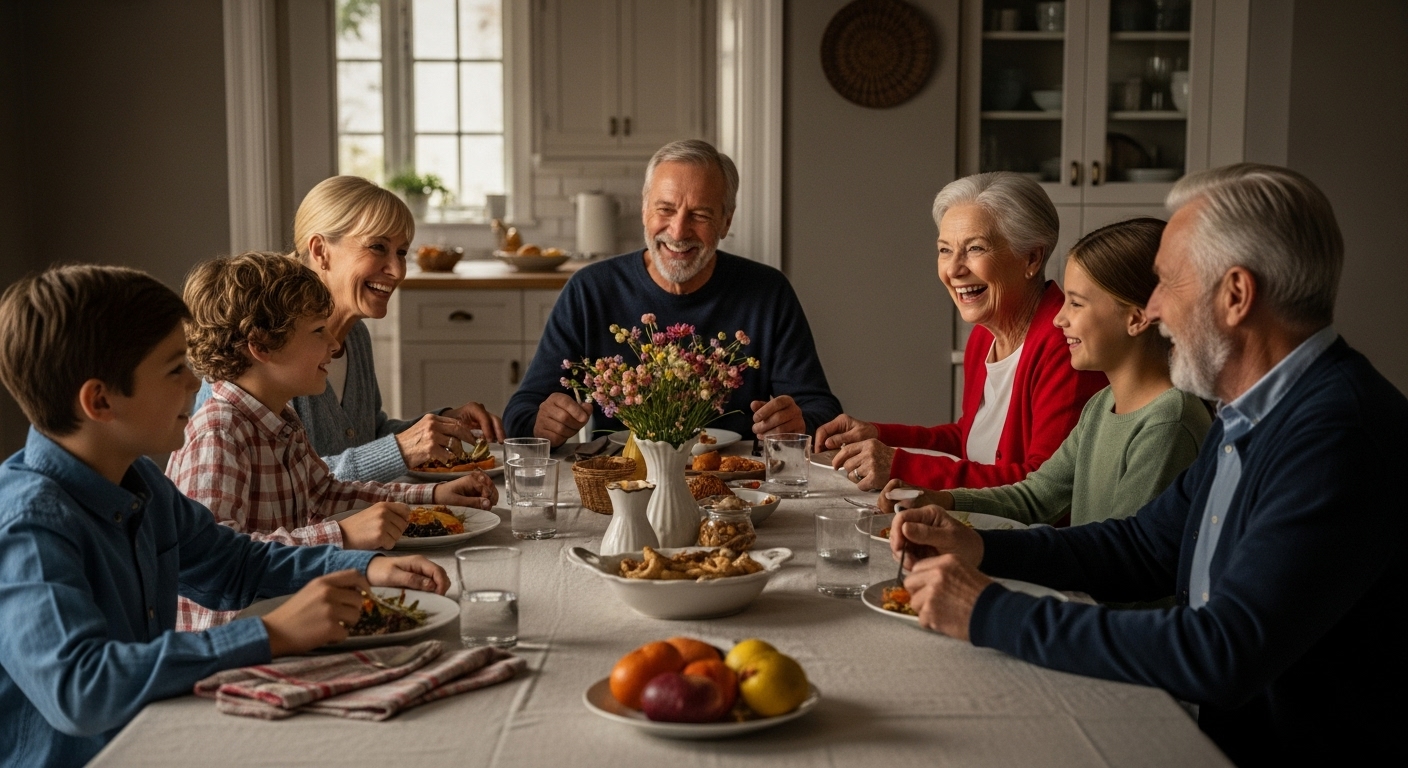
Understanding Why Set Family Traditions Matters
Family traditions seem like small, ordinary rituals at first glance. Think about it—families who regularly share traditions report higher satisfaction and emotional well-being, with some studies showing children from these families score better in emotional intelligence. Most people think these routines are just nice-to-have or nostalgic leftovers. But the real surprise is that these traditions are actually powerful tools for building stability, shaping identity, and creating deep, lasting connections across generations.
Below is a table that summarizes the key psychological and emotional benefits of family traditions discussed in this section, making it easy to compare how each benefit supports family members.
| Benefit | Description |
|---|---|
| Emotional Bonds | Strengthen connections and foster a sense of belonging among family members. |
| Stability for Children | Provide predictable rituals that foster psychological safety and help children handle change. |
| Passing Down Values and History | Connect younger generations to heritage and deepen appreciation for family narratives. |
| Boosting Emotional Resilience | Build adaptability in adversity and reinforce family support systems. |
| Improving Social Skills | Teach communication and interpersonal skills essential for children’s development. |
Quick Summary
| Takeaway | Explanation |
|---|---|
| Family traditions create emotional bonds. | These practices strengthen connections and foster a sense of belonging among family members. |
| Consistent rituals provide stability for children. | Predictable family traditions foster psychological safety, helping children navigate uncertainties in life. |
| Traditions pass down cultural values and history. | They connect younger generations to their heritage, enhancing understanding and appreciation for family narratives. |
| Shared experiences boost emotional resilience. | Participating in family rituals helps build adaptability in challenging situations and reinforces family support systems. |
| Rituals improve children’s social skills. | Involvement in family activities teaches children important communication and interpersonal skills essential for their development. |
What Are Family Traditions and Their Importance?
Family traditions are meaningful, intentional practices passed down through generations that connect family members and create a sense of shared identity. These special rituals, activities, or customs represent more than just routine behaviors they are powerful emotional anchors that strengthen family bonds and provide a sense of continuity and belonging.
Understanding Family Traditions
At their core, family traditions are deliberate experiences that families create and repeat over time. They can range from simple daily routines to elaborate annual celebrations. Research highlights that these traditions play a crucial role in preserving family values and helping individuals find their place within their family and broader community.
Some common examples of family traditions include:
- Weekly family dinner nights
- Holiday celebrations with specific cultural or personal significance
- Annual vacation trips
- Birthday and milestone celebration rituals
- Sharing stories about family history
Why Family Traditions Matter
Family traditions serve multiple important psychological and emotional functions. They create predictability and security for family members, especially children, by establishing consistent patterns of interaction. These shared experiences build emotional resilience and help family members develop a strong sense of identity.
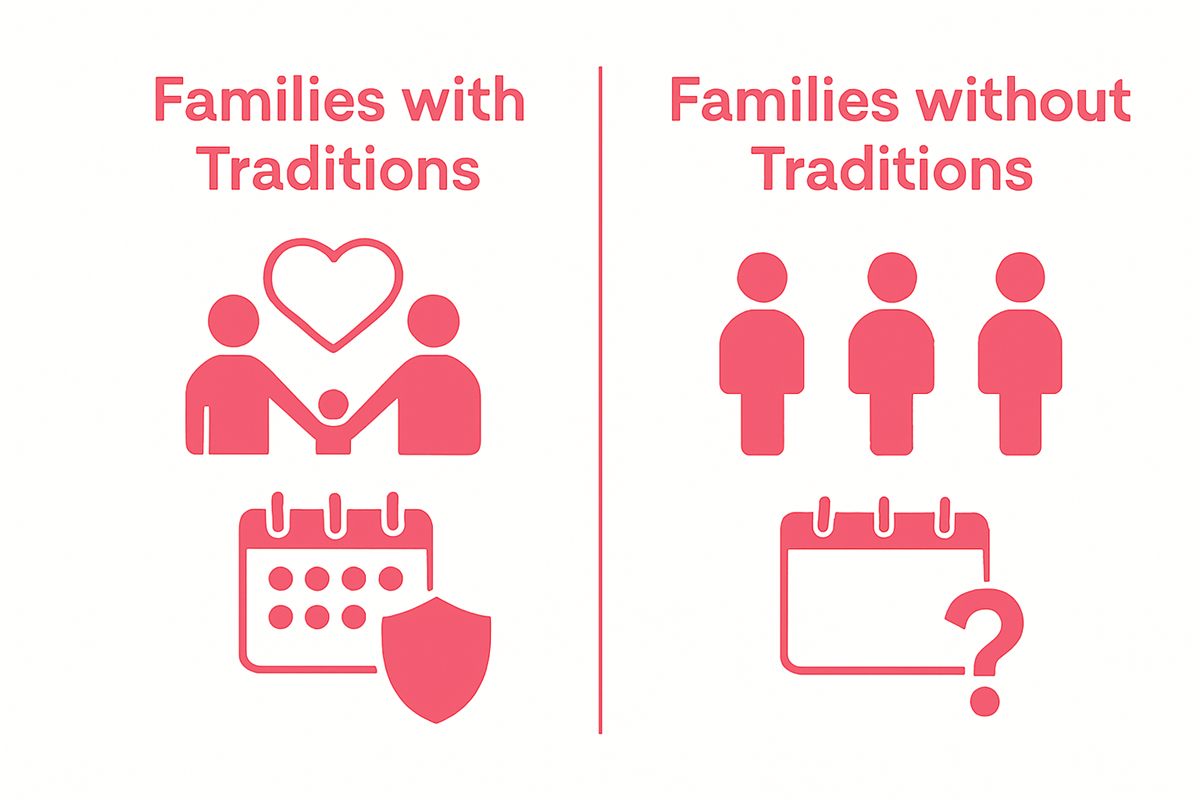
Traditions provide a framework for passing down cultural knowledge, values, and family history. They connect younger generations with their roots and help them understand their family’s unique story. By participating in traditions, family members learn important social skills, create lasting memories, and develop a sense of belonging and connection.
When families consistently practice meaningful traditions, they build emotional trust and create a supportive environment where members feel valued and understood. These shared experiences become the glue that holds families together, especially during challenging times.
The Role of Family Traditions in Building Connections
Family traditions serve as powerful connective threads that weave individual family members into a cohesive, supportive unit. These shared experiences go far beyond simple repeated activities they represent a complex mechanism for emotional bonding, communication, and mutual understanding.
Creating Emotional Intimacy
Research from Cornell University demonstrates that family traditions create positive feelings and a sense of belonging among family members. By establishing predictable, meaningful interactions, families develop a unique language of connection that transcends verbal communication.
Key elements of emotional intimacy through traditions include:
- Shared experiences that generate collective memories
- Opportunities for open communication
- Consistent demonstrations of love and commitment
- Reinforcement of family identity and values
Psychological Benefits of Connection
Through consistent family traditions, members develop emotional resilience and a stronger sense of personal identity. These rituals provide psychological anchoring, especially for children, who gain a sense of security and understanding about their place within the family structure.
Moreover, traditions help navigate life’s transitions by offering stability and continuity. When families maintain consistent family time activities, they create a supportive environment that helps members feel valued and understood.

Strengthening Intergenerational Bonds
Family traditions play a crucial role in transferring cultural knowledge, values, and family narratives across generations. By participating in shared rituals, younger family members learn about their heritage, understand family history, and develop a deeper appreciation for their familial roots.
These connections become particularly important during challenging times, serving as a source of strength, comfort, and mutual support. When family members can rely on established traditions, they build trust, empathy, and a profound sense of belonging that sustains them through life’s ups and downs.
How Family Traditions Promote Stability and Identity
Family traditions act as foundational pillars that provide psychological stability and help individuals develop a strong sense of personal and collective identity. These intentional practices create a predictable framework that supports emotional development and reinforces family connections across generations.
Psychological Foundations of Stability
Research from the International Journal of Child, Youth and Family Studies reveals that consistent family rituals are critical protective factors that give children a secure environment. By establishing predictable patterns and routines, families create a sense of emotional safety that helps members navigate life’s uncertainties.
Key elements of psychological stability through traditions include:
- Creating predictable emotional landscapes
- Reducing anxiety through familiar experiences
- Establishing clear family boundaries and expectations
- Providing consistent emotional support
Building Personal and Family Identity
Family traditions serve as powerful mechanisms for transmitting cultural heritage, values, and personal narratives. These shared experiences help individuals understand their roots, develop a sense of belonging, and construct a meaningful personal identity rooted in family history.
Children who participate in regular family traditions develop a stronger understanding of who they are and where they come from. Explore different family time activities that can help reinforce these connections and create lasting memories.
Navigating Life Transitions
During periods of change or stress, family traditions become critical emotional anchors. They provide continuity and reassurance, helping family members maintain a sense of normalcy and connection even when external circumstances might feel unpredictable.
Through consistent rituals and shared experiences, families build emotional resilience that allows them to support one another through challenging times. These traditions communicate a powerful message: no matter what changes occur, the family remains a stable, supportive unit that can be relied upon.

The Impact of Family Traditions on Children’s Development
Family traditions play a profound role in shaping children’s psychological, social, and emotional development. These intentional practices are more than simple activities they are powerful developmental tools that help children understand themselves, their family, and the world around them.
Emotional Intelligence and Security
Research from the American Psychological Association indicates that consistent family traditions provide children with a sense of emotional security and predictability. By participating in regular rituals, children develop emotional intelligence and learn complex interpersonal skills that will serve them throughout their lives.
Key developmental benefits include:
- Learning emotional regulation
- Understanding family dynamics
- Developing a sense of belonging
- Building self-confidence through shared experiences
Cognitive and Social Skill Development
Family traditions serve as interactive learning environments where children acquire critical social skills and cognitive abilities. Through participation in family rituals, children learn communication strategies, problem solving, and collaborative behaviors.
Moreover, these traditions help children understand complex social concepts like empathy, respect, and cultural heritage. Explore engaging family activities that can enhance your child’s developmental journey and create meaningful connections.
Long Term Psychological Impact
The psychological benefits of family traditions extend far beyond childhood. Children who grow up with consistent, positive family rituals are more likely to develop resilience, strong interpersonal skills, and a healthy sense of personal identity.
These traditions create a psychological blueprint that helps children navigate life’s challenges, providing them with a stable emotional foundation.
The following table provides a side-by-side comparison of the main ways family traditions impact children’s development, organizing key areas discussed in the article for clearer understanding.
| Developmental Area | Influence of Family Traditions |
|---|---|
| Emotional Intelligence | Teach emotional regulation and understanding of family dynamics, building self-confidence. |
| Social Skill Development | Foster communication, problem solving, and collaborative behaviors through shared family rituals. |
| Sense of Belonging | Create a stable environment where children feel valued and connected to family identity. |
| Long Term Resilience | Offer a psychological blueprint that helps children handle challenges throughout life. |
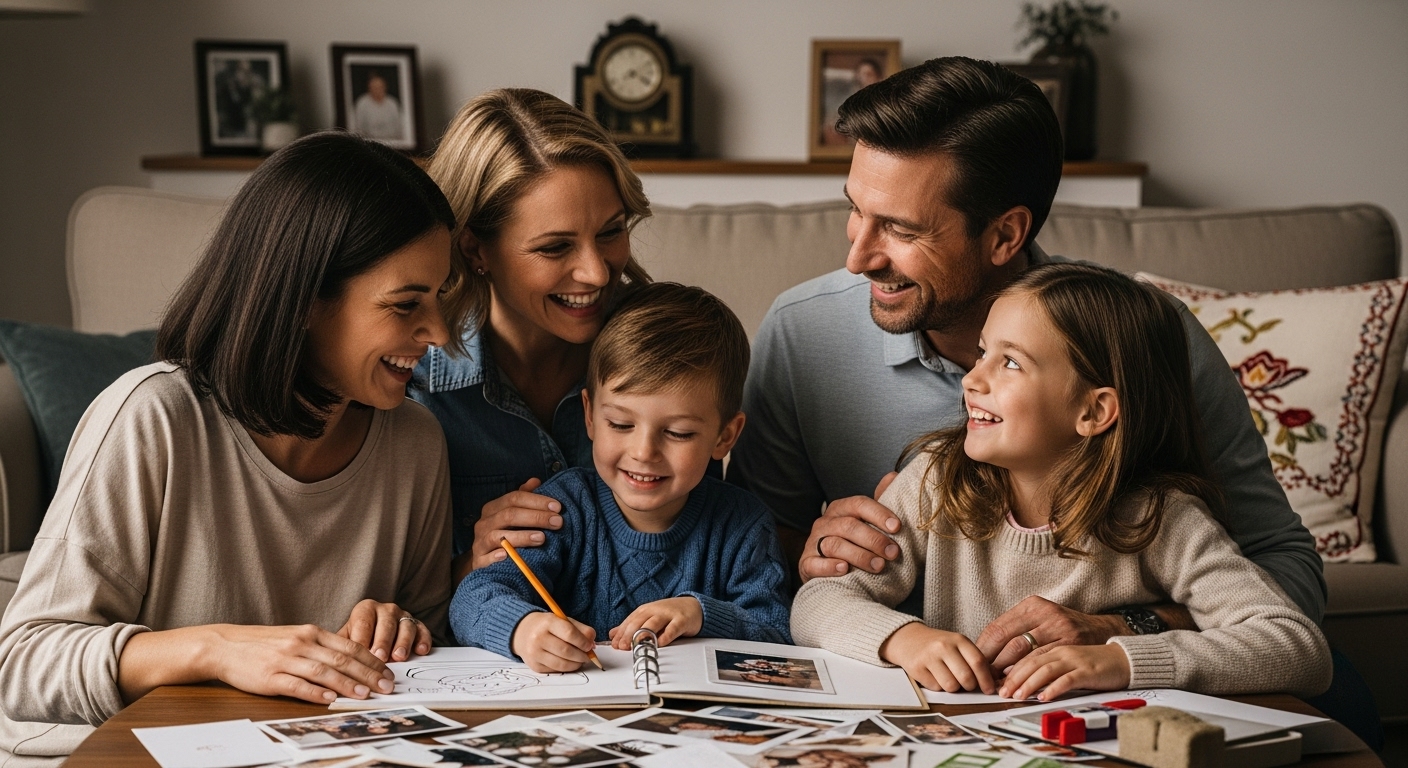 By consistently experiencing love, support, and shared experiences, children learn to build and maintain healthy relationships throughout their lives.
Start Building Stronger Family Traditions Today for a Happier, More Organized Home
Do you ever struggle to keep meaningful family traditions alive while managing the chaos of a busy home? The article highlights how intentional rituals give families a sense of belonging, stability, and emotional resilience. But when the pressures of clutter, disorganization, and hectic schedules get in the way, it can be hard to maintain those powerful connections.
You do not have to sacrifice cherished family time for the sake of a well-run home. Here, you will find proven organization hacks, creative family time activities, and smart home management solutions that make it easier to create and sustain family traditions. If you want more peace, more connection, and a truly supportive family environment, explore our strategies now. Transform your routines and take the next step toward a more connected family life today.
- How to Use Inspirational Quotes to Build Stronger Family Values –
- 7 Types of Family Time Activities You Can Enjoy Together –
- Teaching Kids About Money: Southern Values & Practical Tips That Actually Stick –
- How to Host an Amazing Family Party for 30 People Without Breaking Your Budget –
- How to Address the Role of Family Traditions in Overeating and Weight Gain? – LeanAndFit
- Relationship Rituals to Connect Amidst Chaos and Stress