Sibling Rivalry: Restore Harmony and Build Lifelong Bonds
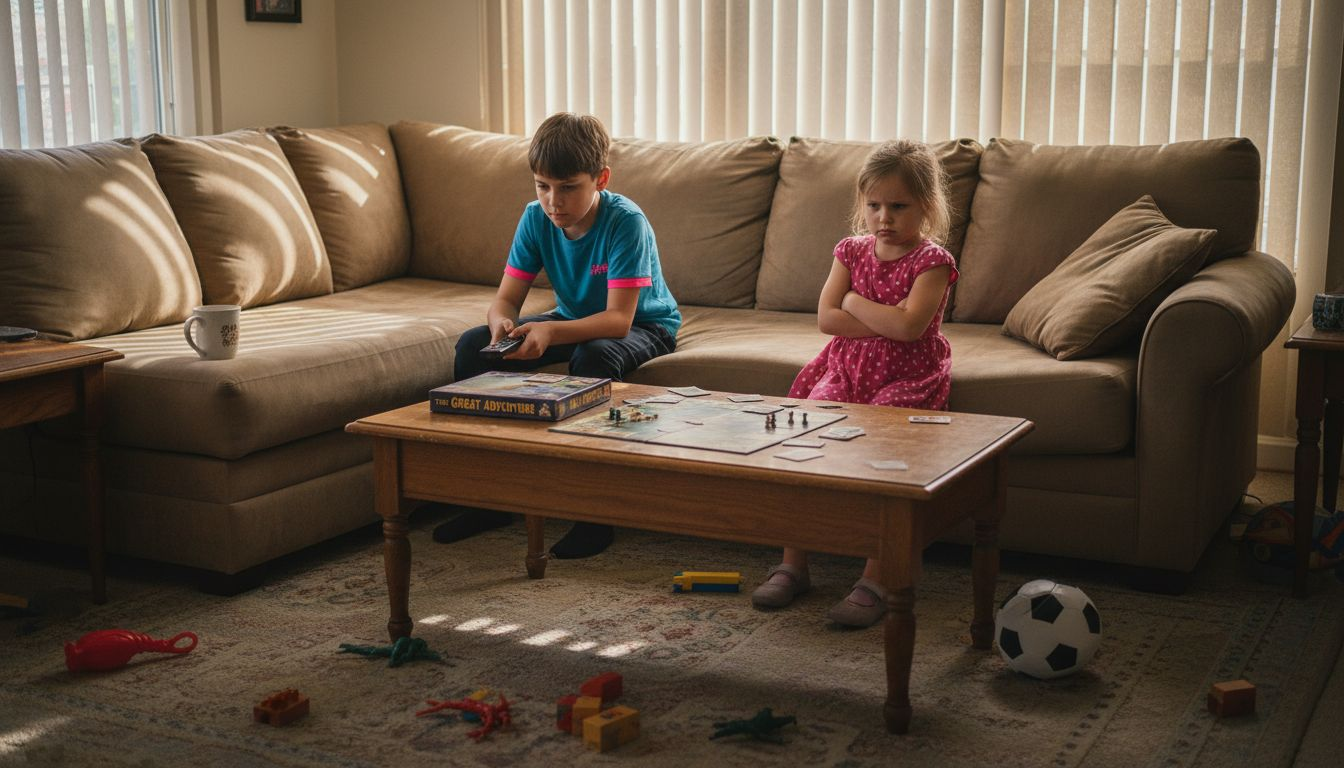
Every American parent knows that rivalry between siblings rarely feels simple. Those daily arguments, bursts of jealousy, and fights for attention can turn even the calmest home upside down. Understanding that sibling rivalry is a natural part of childhood development—not just a sign of misbehavior—makes a real difference in finding solutions that last. This guide offers busy families clear ways to tackle common misconceptions, recognize rivalry triggers, and bring out the best in each child for a more peaceful home.
Table of Contents
- Defining Sibling Rivalry and Key Misconceptions
- Common Triggers and Forms of Rivalry
- How Birth Order and Personality Shape Dynamics
- Strategies for Minimizing Conflict at Home
- Daily Practices to Foster Strong Sibling Bonds
- When to Seek Support for Persistent Issues
Key Takeaways
| Point | Details |
|---|---|
| Understanding Sibling Rivalry | Sibling rivalry is a natural competition driven by the desire for parental attention, rather than solely negative behavior. |
| Common Misconceptions | Rivalry can exist among adopted siblings and is not limited to childhood; some conflicts persist into adulthood. |
| Triggers and Expressions | Unequal attention and developmental differences are major rivalry triggers, leading to various manifestations such as emotional manipulation and physical confrontations. |
| Positive Strategies | Parents can reduce sibling conflict by providing individual attention, teaching emotional regulation, and creating structured family activities that promote cooperation. |
Defining Sibling Rivalry and Key Misconceptions
Sibling rivalry isn’t just random bickering between brothers and sisters. It’s a complex psychological phenomenon with deep roots in family dynamics. Sibling rivalry represents a natural type of competition that emerges between children sharing the same household, often driven by an intense desire for parental attention and recognition.
Most parents misunderstand sibling rivalry as purely negative behavior. In reality, it’s a nuanced interaction that helps children develop critical social skills like negotiation, conflict resolution, and emotional intelligence. The psychological foundations of rivalry stem from complex emotional needs and developmental stages, not simple meanness or aggression.
Key misconceptions about sibling rivalry include believing it only happens between biological siblings or that it automatically disappears with age. Research shows rivalry can occur between adopted siblings, stepfamily members, and even close cousins. Age doesn’t guarantee resolution – some sibling conflicts persist well into adulthood, creating lifelong relationship challenges.
Common Sibling Rivalry Myths:
- Rivalry is always destructive
- Only children close in age experience competition
- Parents can completely eliminate sibling conflict
- Siblings who fight will never have a good relationship
Pro tip: Track and document sibling interactions to understand underlying patterns and emotional triggers causing competitive behaviors.
Common Triggers and Forms of Rivalry
Sibling rivalry is more complex than simple arguments or competition. Dynamic family interactions create multiple rivalry triggers that can emerge unexpectedly, transforming seemingly peaceful households into emotional battlegrounds. Children develop competitive behaviors through various psychological and environmental factors that challenge parents’ understanding and management strategies.
The most prevalent triggers include unequal parental attention, perceived favoritism, and significant developmental differences between siblings. Personality variations play a massive role in how rivalry manifests. A high-achieving older sibling might create unconscious pressure on younger siblings, while temperamentally different children might struggle to find common ground. Family dynamics significantly influence sibling interactions, with factors like age gaps, gender differences, and individual temperaments creating unique competitive landscapes.
Rivalry typically expresses itself through several recognizable patterns. Physical fighting represents the most obvious form, but more nuanced expressions include emotional manipulation, academic or athletic competition, passive-aggressive behaviors, and strategic attempts to gain parental approval. Some children develop sophisticated rivalry tactics like deliberate comparison, strategic tattling, or emotional triangulation that can create long-lasting family tension.
Common Rivalry Manifestations:
- Physical confrontations
- Verbal arguments
- Emotional manipulation
- Competition for parental attention
- Academic or talent-based comparisons
Rivalry Impact Spectrum:
Here’s how typical rivalry triggers differ in their effects and signs:
| Trigger Type | Typical Signs | Potential Long-term Effect |
|---|---|---|
| Unequal attention | Jealousy, acting out | Ongoing resentment |
| Favoritism | Withdrawal, sibling competition | Poor self-esteem |
| Age gap or stages | Misunderstandings, avoidance | Distant sibling relationships |
| Personality clash | Frequent disputes, exclusion | Lasting communication barriers |
- Mild competition
- Frequent arguments
- Persistent emotional tension
- Serious relationship damage
Pro tip: Create structured family activities that encourage cooperation instead of competition, helping siblings learn to appreciate each other’s strengths.
How Birth Order and Personality Shape Dynamics
Birth order profoundly influences sibling relationships in ways most parents never fully comprehend. Complex family dynamics shape personality development through intricate psychological mechanisms that go far beyond simple age differences. Each child’s position in the family creates unique pressures, expectations, and survival strategies that fundamentally impact their interpersonal interactions and emotional growth.
Firstborns typically emerge as natural leaders and perfectionists, often experiencing intense pressure to meet parental expectations. They frequently demonstrate higher levels of responsibility and achievement orientation. Middle children frequently develop remarkable negotiation skills and emotional intelligence as they navigate between older and younger siblings. Sibling competition emerges through birth order differences, with each position creating distinct psychological adaptations that influence future relationship patterns.
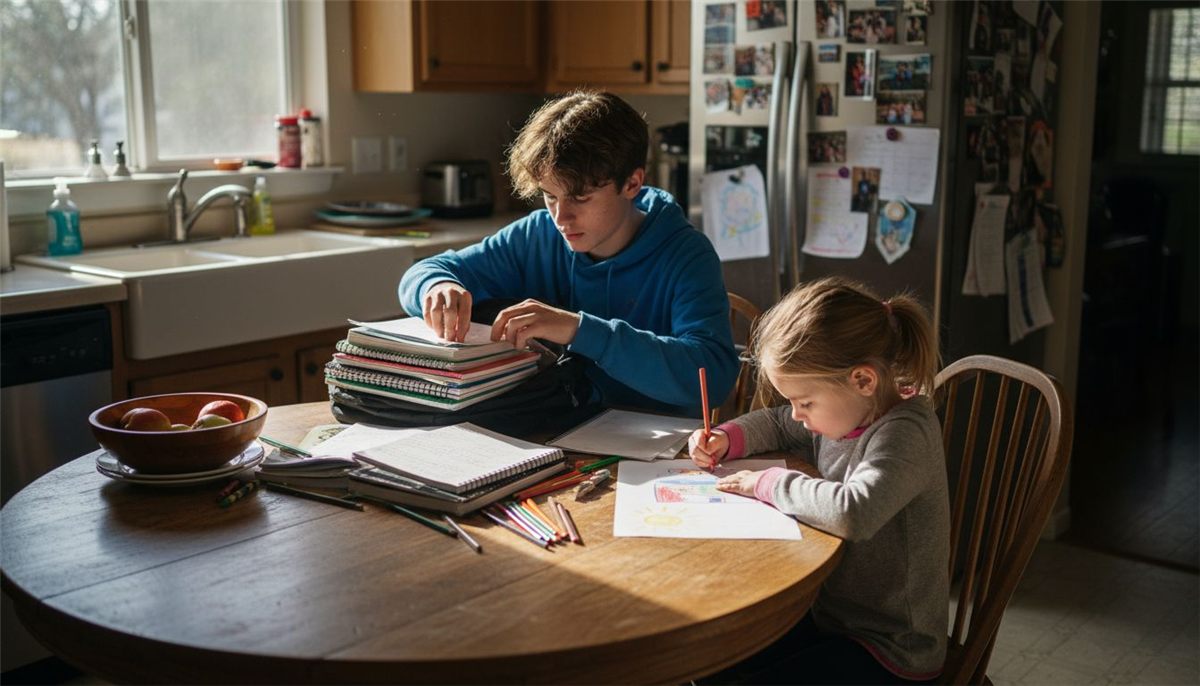
Personality development within sibling groups isn’t predetermined but emerges through complex interactions. Youngest children often become more creative and charming, developing sophisticated social strategies to gain attention. Some children deliberately differentiate themselves from siblings, creating unique family roles to establish individual identity. This strategic niche formation helps reduce direct competition and allows each child to feel valued for their distinct characteristics.
Typical Birth Order Personality Traits:
- Firstborns: Responsible, achievement-oriented
- Middle Children: Diplomatic, adaptable
- Youngest: Creative, social, charming
- Only Children: Independent, mature
Personality Development Factors:
- Parental expectations
- Sibling age gaps
- Individual temperament
- Family communication patterns
Pro tip: Recognize and celebrate each child’s unique strengths, avoiding comparisons that might reinforce competitive dynamics.
Strategies for Minimizing Conflict at Home
Reducing sibling rivalry requires intentional, consistent parental strategies that transform competitive dynamics into cooperative relationships. Effective conflict management techniques can dramatically reshape family interactions, turning potential battlegrounds into opportunities for mutual understanding and growth. Parents play a crucial role in creating an environment where siblings learn to respect and support each other.
Individual attention becomes a cornerstone of conflict reduction. Each child needs dedicated one-on-one time that validates their unique identity and feelings. Preventing sibling conflict demands proactive parental approaches that recognize individual needs and emotional triggers. This means creating personalized interaction routines, actively listening to each child’s concerns, and avoiding comparisons that might fuel competitive feelings.
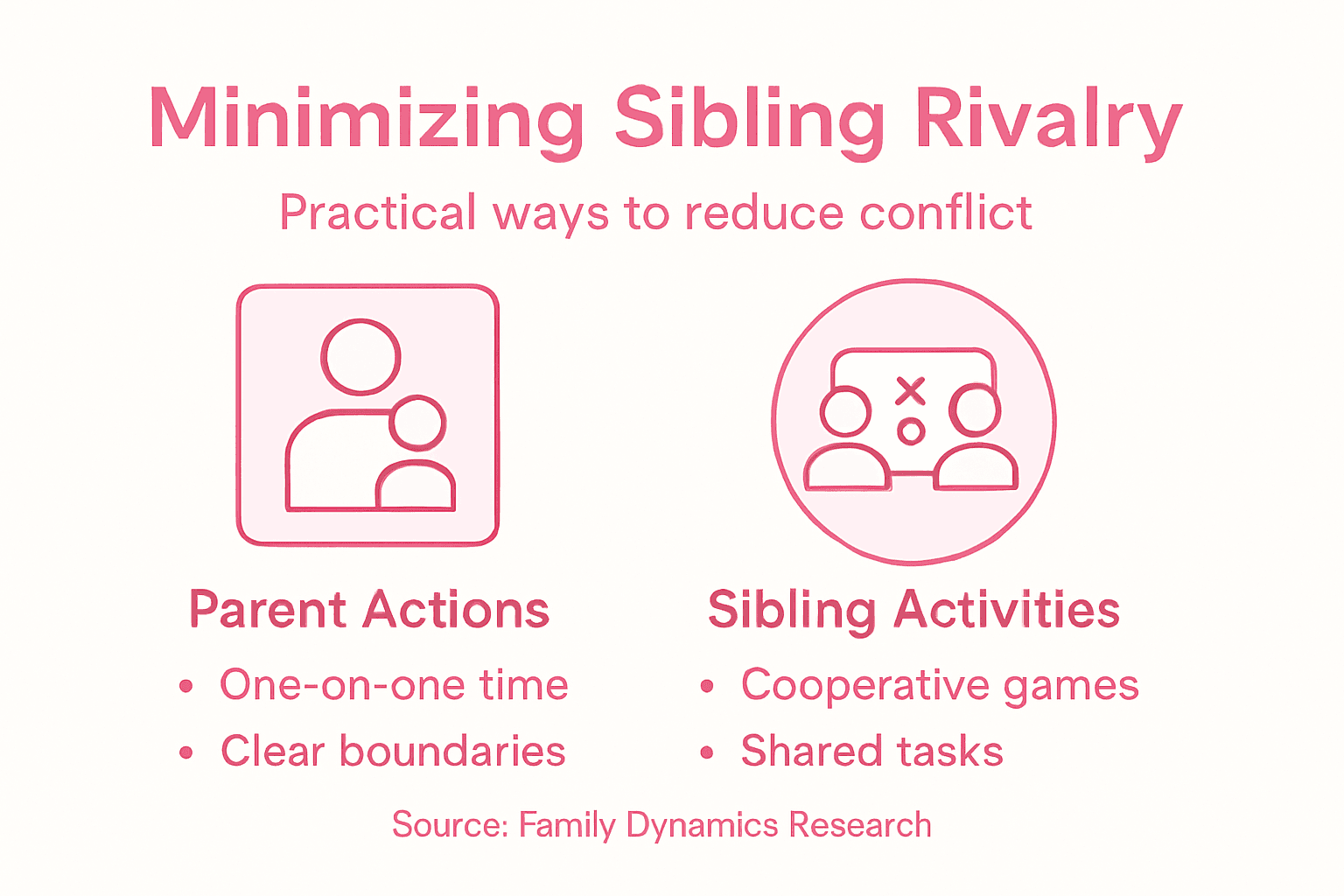
Establishing clear family communication protocols helps minimize potential confrontations. This involves teaching children constructive problem-solving skills, setting consistent behavioral expectations, and modeling respectful conflict resolution. Siblings need frameworks for negotiation, emotional regulation, and mutual understanding. By creating structured opportunities for positive interaction and teaching empathy, parents can gradually transform rivalry into genuine connection.
Key Conflict Reduction Strategies:
- Provide individual attention
- Create personal connection time
- Establish clear behavioral boundaries
- Teach emotional regulation skills
- Model respectful communication
Conflict Resolution Steps:
- Listen to each child’s perspective
- Validate individual feelings
- Guide collaborative problem solving
- Reinforce positive interactions
- Celebrate cooperative moments
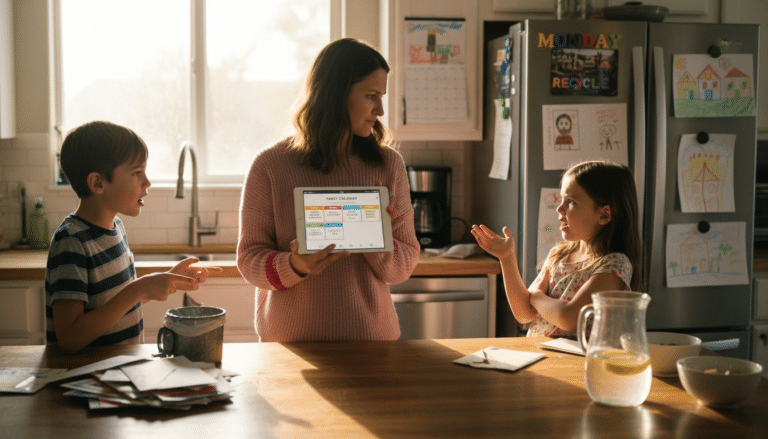
Pro tip: Implement a weekly family meeting where siblings can discuss challenges and celebrate each other’s achievements.
Daily Practices to Foster Strong Sibling Bonds
Building meaningful connections between siblings requires consistent, intentional effort from parents. Strategic family interaction techniques transform daily routines into opportunities for bonding, mutual understanding, and shared experiences. The magic happens not through grand gestures, but through small, repeated moments of connection that gradually weave stronger relational threads.
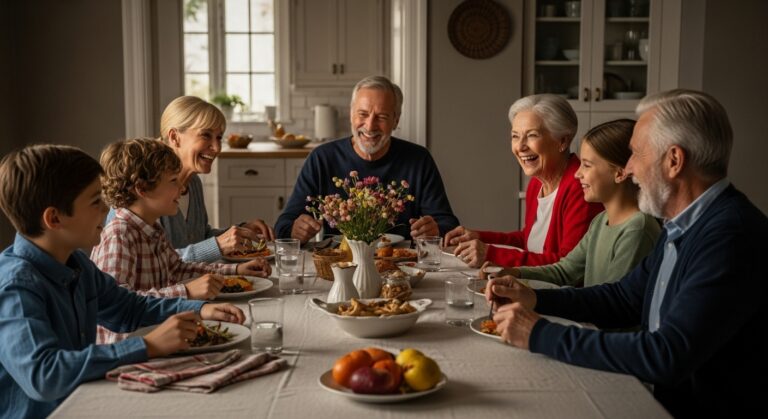
Screen-free family activities become powerful tools for nurturing sibling relationships. Shared meals, game nights, and collaborative household tasks create natural environments for communication and teamwork. Raising siblings who support each other demands creating structured opportunities where children learn to appreciate each other’s strengths, negotiate differences, and develop genuine respect.
Successful sibling relationships are cultivated through deliberate practices that encourage mutual care and understanding. This means creating family traditions that celebrate individual achievements while emphasizing collective support. Parents can design experiences that require siblings to work together, solve problems collaboratively, and recognize each other’s unique contributions. By consistently modeling and encouraging positive interactions, families can transform potential rivalry into lifelong friendship.
Daily Bonding Strategies:
- Schedule regular screen-free family time
- Create collaborative household projects
- Establish shared mealtime conversations
- Encourage problem-solving together
- Celebrate individual and collective achievements
Sibling Connection Activities:
- Weekly family game nights
- Shared cooking or baking sessions
- Collaborative household chores
- Joint creative projects
- Storytelling and memory-sharing moments
Pro tip: Design a rotating “sibling helper” system where children take turns assisting and supporting each other in age-appropriate tasks.
When to Seek Support for Persistent Issues
Recognizing when sibling rivalry crosses from normal childhood conflict into potentially harmful territory requires careful parental observation and understanding. Professional intervention strategies become critical when negative interactions start impacting emotional well-being, academic performance, or family dynamics in significant ways. Parents must learn to distinguish between typical developmental competition and more serious relationship disruptions.
Certain warning signs indicate the need for professional support. Physical aggression that becomes repetitive, persistent emotional manipulation, extreme jealousy, or consistent bullying behaviors suggest deeper psychological challenges. Mental health professionals can address complex sibling dynamics through targeted interventions that help children develop healthier communication and emotional regulation skills. These signs might include prolonged periods of intense conflict, dramatic changes in a child’s social or academic functioning, or emerging patterns of anxiety and depression.
Seeking external support is not a sign of parental failure but a proactive approach to family healing. Professional counselors, family therapists, and child psychologists can provide objective perspectives, teach conflict resolution skills, and help families understand underlying emotional triggers. They offer specialized techniques to rebuild trust, improve communication, and create more supportive sibling relationships. Early intervention can prevent long-term relationship damage and help children develop emotional intelligence and empathy.
Critical Warning Signs:
- Persistent physical aggression
- Consistent emotional manipulation
- Extreme jealousy or resentment
- Significant changes in behavior
- Emerging mental health symptoms
Professional Support Options:
Compare professional support options for persistent sibling rivalry:
| Support Type | Best For | Expected Outcome |
|---|---|---|
| Family counseling | Ongoing group conflicts | Improved communication, unity |
| Individual therapy | Deep emotional distress | Personal coping skills |
| Group sibling work | Mutual resentment or hostility | Stronger empathy, collaboration |
| Parental coaching | Need for new parenting strategies | Consistent conflict management |
- Family counseling
- Individual child therapy
- Group sibling counseling
- Parental coaching
- Conflict resolution workshops
Pro tip: Document specific interaction patterns and emotional triggers before seeking professional help to provide a comprehensive picture of family dynamics.
Restore Peace and Organization in Your Home Today
Sibling rivalry can turn even the calmest households into daily struggles for attention and harmony. When unequal parental focus and constant competition create emotional tension, the stress can overwhelm busy families. You want to foster cooperation and build lifelong bonds, but managing these complex dynamics alongside everyday responsibilities may feel impossible.
Our site offers simple living strategies and proven organization hacks designed to create peaceful, structured environments where siblings can thrive emotionally and socially. From time management tools to effective home management systems each resource helps you reduce conflict and promote positive connection. Discover how to transform rivalry into collaboration by implementing practical routines tailored to your family’s needs.
Take the first step toward nurturing harmony and strong sibling relationships by exploring simple living strategies. Find actionable tips on creating focused daily practices and effective productivity tools that free up your time and energy for what matters most. Don’t wait until frustration grows—start building a peaceful home and efficient lifestyle now.
Frequently Asked Questions
What is sibling rivalry?
Sibling rivalry is a complex psychological phenomenon characterized by competition and conflict between siblings, often driven by a desire for parental attention and recognition.
How can I minimize sibling rivalry in my home?
To minimize sibling rivalry, provide individual attention to each child, establish clear behavioral boundaries, teach emotional regulation skills, and model respectful communication.
When should I seek professional support for sibling rivalry?
Seek professional support if you notice persistent physical aggression, emotional manipulation, extreme jealousy, or significant changes in behavior that affect emotional well-being or family dynamics.
What are common triggers for sibling rivalry?
Common triggers for sibling rivalry include unequal parental attention, perceived favoritism, significant developmental differences, and personality clashes between siblings.
Recommended
- Understanding Why Set Family Traditions Matters – It’s a Southern Life Ya’ll
- 7 Types of Family Celebration Traditions to Try Together – It’s a Southern Life Ya’ll
- Role of Family Traditions: Complete Guide for Families – It’s a Southern Life Ya’ll
- How to Create a Peaceful Home for Your Family – It’s a Southern Life Ya’ll
Want a little more help with this? I made a free Age-by-Age Chore Chart that pairs right up with this post — y’all can grab it over on my Free Resources page.