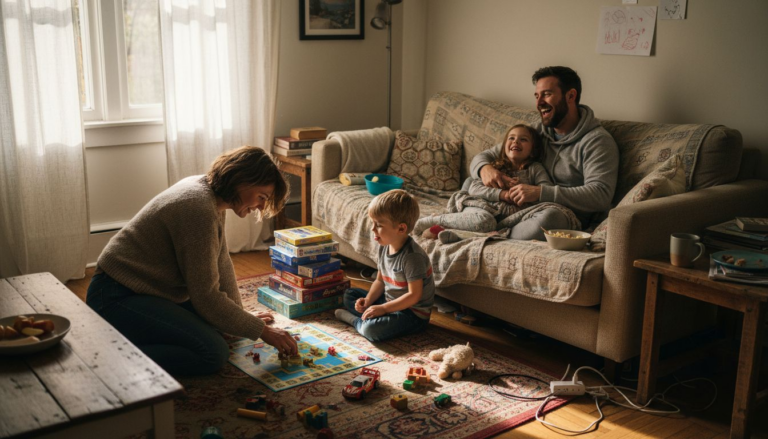
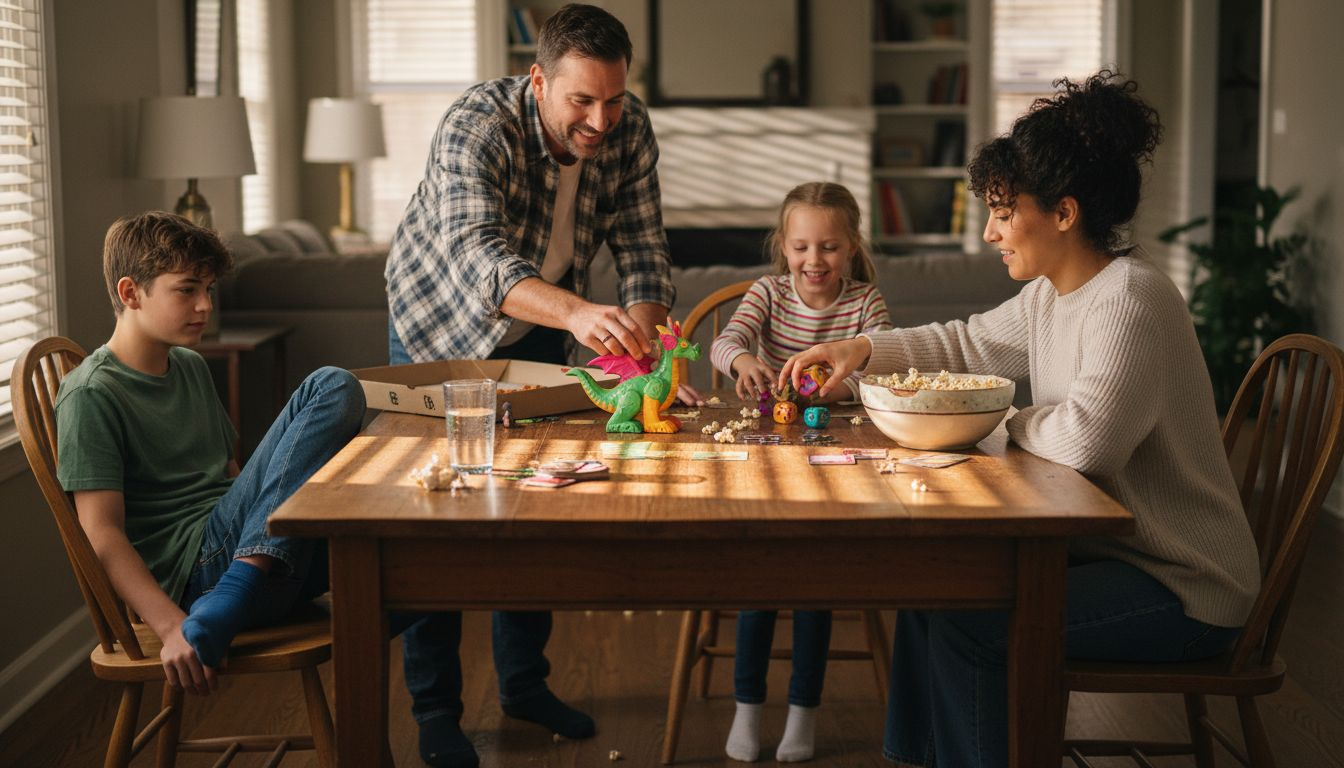
10 Screen-Free Activities for Family Bonding Success
Every American parent knows the daily struggle of keeping children entertained while limiting digital distractions. With over 60 percent of American kids exceeding recommended screen time, finding engaging, screen-free ways to connect as a family has become a pressing challenge. Understanding what truly counts as screen-free activities can help you nurture creativity, boost real-life communication, and create moments your family will remember long after the devices are off.
Table of Contents
- Defining Screen-Free Activities For Kids
- Popular Types Of Screen-Free Play
- Key Skills Kids Develop Through Offline Fun
- Practical Tips To Start Screen-Free Routines
- Safety, Supervision, And Common Mistakes
Key Takeaways
| Point | Details |
|---|---|
| Engagement in Screen-Free Play | Screen-free activities foster hands-on learning and promote critical skills such as problem-solving and emotional intelligence through direct interaction. |
| Diverse Play Categories | Engaging in physical, constructive, imaginative, and social play supports holistic child development and improves creativity and teamwork. |
| Importance of Supervision | Active supervision during screen-free play ensures children’s safety and encourages exploration while teaching them basic safety skills. |
| Establishing Screen-Free Routines | Intentional planning and clear boundaries help reduce screen dependency, enhancing family engagement and fostering meaningful interactions. |
Defining Screen-Free Activities for Kids
Screen-free activities are engaging experiences for children that intentionally exclude digital devices like smartphones, tablets, and televisions. These purposeful interactions focus on direct, hands-on learning and play that stimulate multiple developmental domains. Interactive play experiences help children develop critical skills through physical, cognitive, and social engagement.
Traditionally, screen-free activities involve creative pursuits like arts and crafts, outdoor play, board games, reading, and direct social interactions. These experiences are crucial because they encourage imagination, problem solving, and interpersonal communication in ways digital screens cannot replicate. By limiting screen time, parents create opportunities for children to explore their environment, develop motor skills, and build meaningful connections with family members.
Research increasingly highlights the importance of reducing screen exposure, particularly for young children. Screen time guidance from child development experts suggests that excessive digital device use can negatively impact language development, attention spans, and emotional regulation. By intentionally designing screen-free activities, parents can support healthier developmental trajectories and create more meaningful family interactions.
Pro tip: Create a weekly family screen-free challenge where everyone participates in analog activities together, making connection and play a fun, shared experience.
Popular Types of Screen-Free Play
Screen-free play offers children diverse opportunities for learning and development through engaging activities that go beyond digital interactions. North American children enjoy a wide range of play styles that stimulate creativity, physical fitness, and social skills. These activities can be categorized into several key types that support holistic child development.
Physical play represents one of the most essential screen-free play categories, involving active movement like running, climbing, sports, and outdoor exploration. Constructive play follows, where children build and create using blocks, puzzles, and construction sets that enhance spatial reasoning and problem-solving skills. Screen-free play categories also include imaginative play, where children engage in role-playing, dress-up, and storytelling, developing emotional intelligence and communication abilities.
Social and creative play further expand children’s developmental opportunities. Group games, cooperative tasks, art projects, musical activities, and collaborative challenges help children learn teamwork, self-expression, and interpersonal skills. By intentionally rotating through these different play types, parents can ensure their children receive a balanced, stimulating play experience that supports cognitive, physical, and emotional growth.
Here’s a summary of popular screen-free play categories and their benefits:
| Play Category | Primary Benefit | Example Activities |
|---|---|---|
| Physical Play | Improves fitness and motor skills | Tag, biking, climbing |
| Constructive Play | Enhances problem-solving skills | Building blocks, puzzles |
| Imaginative Play | Boosts creativity and empathy | Storytelling, dress-up |
| Social Play | Develops teamwork and communication | Group games, music making |
Pro tip: Create a weekly play rotation chart that intentionally includes different types of screen-free play, ensuring your children experience a diverse range of developmental activities.
Key Skills Kids Develop Through Offline Fun
Executive function skills represent the foundational cognitive abilities that help children navigate complex social and learning environments. Through offline play, children naturally develop critical mental capabilities like memory management, flexible thinking, and self-regulation. These skills are essential for academic success and emotional intelligence, allowing children to adapt to new challenges and manage their emotions effectively.
Social and emotional development emerges as another crucial benefit of screen-free play. Children learn complex interpersonal skills such as cooperation, negotiation, and conflict resolution through direct interaction. By engaging in group activities, imaginative play, and collaborative challenges, kids practice reading social cues, understanding emotional responses, and building meaningful connections with peers and family members.
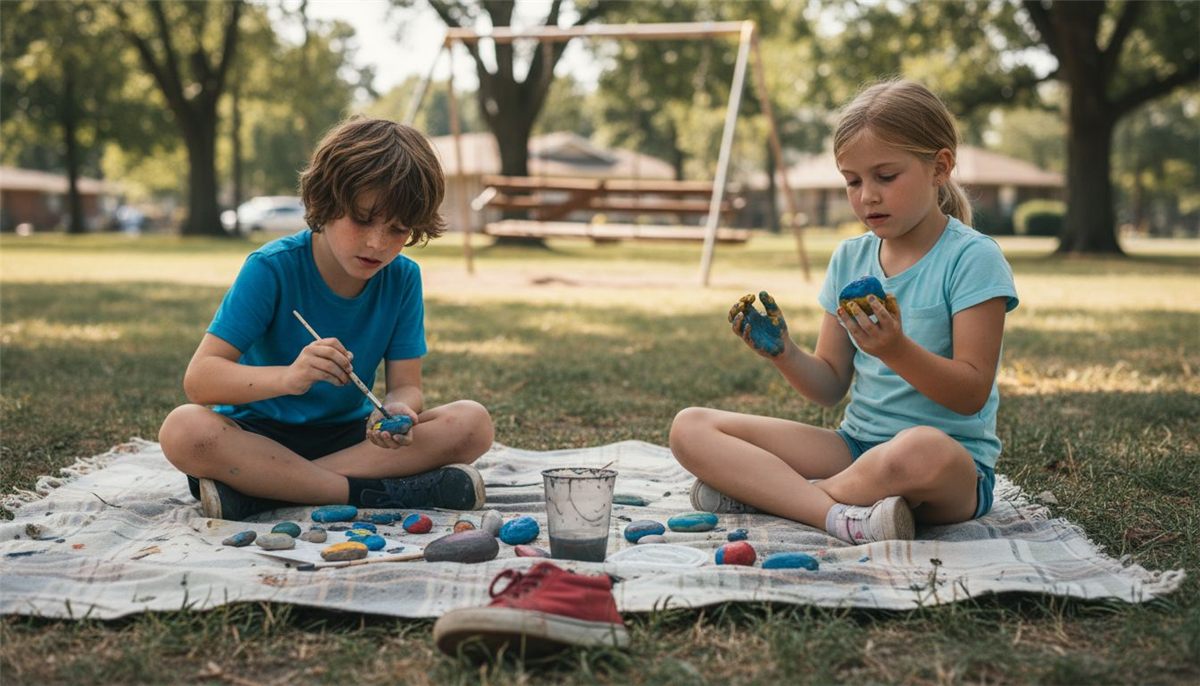
Physical and creative skill development also flourish during offline play. Motor skills improve through active movement, while creativity blossoms when children are encouraged to imagine, experiment, and solve problems without digital guidance. Free play supports holistic growth by providing children with opportunities to take risks, explore their environment, and develop a sense of initiative and resilience that cannot be replicated through screen-based interactions.
Pro tip: Create a daily “skill challenge” during offline play where children are gently encouraged to practice a specific social, emotional, or physical skill through interactive games.
Practical Tips to Start Screen-Free Routines
Screen-free family routines require intentional planning and consistent implementation. Parents play a crucial role in modeling healthy device behaviors and creating environments that encourage alternative activities. By establishing clear boundaries and engaging alternatives, families can successfully reduce screen dependency and foster more meaningful interactions.
Designing effective screen-free routines involves multiple strategic approaches. Designate specific times and spaces as completely screen-free, such as mealtimes, bedrooms, and family activity hours. Introduce compelling alternative activities like board games, reading sessions, outdoor explorations, and creative projects that capture children’s attention and imagination. Successful routine strategies emphasize involving children in rule-making, which increases their intrinsic motivation and commitment to the new family guidelines.

Consistent implementation requires patience and flexibility. Start with small, manageable changes like removing devices during dinner or creating weekend screen-free challenges. Use positive reinforcement, celebrate screen-free achievements, and gradually expand restrictions. Recognize that individual family members might adapt differently, so maintain an understanding and supportive approach that makes the transition feel collaborative rather than punitive.
Pro tip: Create a visual family tracking board where everyone can mark and celebrate their screen-free accomplishments, turning the routine into an engaging, motivational experience.
Compare approaches for starting successful screen-free routines:
| Approach | Key Element | Expected Outcome |
|---|---|---|
| Set Clear Boundaries | Define no-device times | Easier habit formation |
| Offer Attractive Alternatives | Introduce compelling activities | More engaged participation |
| Involve Children | Let kids help set rules | Higher motivation |
| Track Progress Visually | Use family boards | Increased accountability |
Safety, Supervision, and Common Mistakes
Active supervision strategies are fundamental to ensuring children’s safety during screen-free play. Parents must develop systematic monitoring techniques that go beyond passive observation. This involves strategic positioning, maintaining clear lines of sight, and being mentally present and engaged with children’s activities. Anticipating potential risks and understanding developmental stages help prevent accidents before they occur.
Several common mistakes can compromise child safety and undermine screen-free play effectiveness. Parental supervision techniques reveal that over-restriction or inconsistent boundary setting can backfire, causing children to resist guidelines. Parents should focus on creating balanced, supportive environments that encourage safe exploration. This means establishing clear rules, preparing safe play spaces, and maintaining age-appropriate supervision levels that provide guidance without stifling independence.
Developing a comprehensive safety approach requires understanding individual child needs and potential risks. Different play environments demand unique supervision strategies. Outdoor spaces need different monitoring compared to indoor settings. Always assess potential hazards, teach children basic safety skills, and maintain open communication about potential risks. Encourage children to communicate their feelings and experiences, creating a collaborative safety culture that empowers them to make smart decisions.
Pro tip: Create a family safety checklist that outlines specific supervision guidelines for different play environments, involving children in developing and reviewing these protocols.
Create Lasting Family Connections with Screen-Free Success
Struggling to find meaningful ways to reduce screen time and boost family bonding The article highlights the challenge of replacing digital devices with enriching offline activities that foster creativity, social skills, and emotional growth. Your goal is clear to nurture strong family ties while managing daily distractions and busy schedules. Key ideas like screen-free play routines and skill-building challenges reveal how intentional screen-free time supports both child development and peaceful home environments.
Unlock your family’s full potential by integrating simple living strategies and proven organization hacks. These tools help you create calming, clutter-free spaces perfect for engaging screen-free activities. Discover effective time management techniques and home management systems to design routines where everyone participates joyfully without feeling overwhelmed.
Ready to transform your home into a sanctuary for family connection and growth Take action now to start implementing actionable strategies that support your screen-free family goals today.
Frequently Asked Questions
What are some examples of engaging screen-free activities for families?
Screen-free activities can include outdoor play like hiking or biking, creative projects such as arts and crafts, board games, reading together, and engaging in imaginative play like role-playing games. These activities foster bonding and development in various ways.
How do screen-free activities benefit children’s development?
Screen-free activities promote critical skills such as creativity, problem-solving, social skills, and physical fitness. Engaging in these activities helps children develop emotional intelligence, cooperation, and cognitive abilities essential for their growth.
How can I create a screen-free routine for my family?
To create a screen-free routine, designate specific times and spaces as device-free, introduce exciting alternative activities, and involve children in setting the rules. Start small and gradually increase screen-free time while using positive reinforcement to maintain motivation.
What are some tips for ensuring safety during screen-free play?
Active supervision is key to ensuring safety. Maintain a clear line of sight, anticipate potential risks, and prepare safe play environments. Teach children basic safety skills and encourage open communication about their experiences to foster a safe and supportive atmosphere.
Recommended
- 7 Types of Family Time Activities You Can Enjoy Together – It’s a Southern Life Ya’ll
- Fun Outdoor Hobbies for Families to Learn Together – It’s a Southern Life Ya’ll
- How to Plan Family Activities for Memorable Fun – It’s a Southern Life Ya’ll
- Cool Crafts for Kids to Make at Home –
- 7 ideas para sorprender a tu pareja y fortalecer la relación – reKindle | The Relationship Assistant AI
Keep reading: more parenting help
Want a little more help with this? I made a free Mental Load Kit that pairs right up with this post — y’all can grab it over on my Free Resources page.