

Effective Ways to Manage Homework Time for Families
Family homework time can feel like a never ending battle, with tension often rising the moment books hit the table. Yet research shows that the right homework routine can actually reduce household stress by up to 30 percent and boost kids’ academic confidence. Most families think they just need more discipline, but the real key is tailoring simple strategies that fit your unique home rhythm. This flips the script and turns homework from a nightly headache into real progress you can see and celebrate.
The short answer: Homework goes best at the same time, in the same spot, every day. Pick the window that fits your child’s energy — right after a snack for most kids, after dinner for others — keep the space clear and the phone in another room, and break long assignments into short blocks with a clear stopping point. Consistency does more here than discipline.
Table of Contents
- Step 1: Assess Your Homework Routine And Challenges
- Step 2: Set Clear Goals And Prioritize Assignments
- Step 3: Create A Dedicated Homework Space
- Step 4: Establish A Consistent Schedule
- Step 5: Monitor Progress And Adjust As Needed
- Step 6: Celebrate Achievements And Reflect On Improvements
Quick Summary
| Key Point | Explanation |
|---|---|
| 1. Assess homework routines and challenges | Observe your family’s current homework dynamic to identify friction points and areas needing improvement. |
| 2. Set clear goals and prioritize assignments | Introduce goal tracking to help children discern urgent tasks from longer-term projects, fostering better time management. |
| 3. Create a dedicated homework space | Designate a consistent, distraction-free zone with necessary supplies and comfort to enhance focus and productivity. |
| 4. Establish a consistent schedule | Develop a flexible homework schedule that aligns with children’s natural rhythms to reduce resistance and improve time management. |
| 5. Celebrate achievements and reflect on progress | Acknowledge both small wins and areas for growth, nurturing a positive learning mindset and motivation for further improvement. |
Step 1: Assess Your Homework Routine and Challenges
Understanding your family’s current homework dynamics is the critical first step toward creating a more effective and less stressful academic support system. Every household has unique challenges, and recognizing these specific patterns allows you to develop targeted strategies that work for your family’s specific needs.
Begin by observing and documenting your existing homework routine over one full week. Pay close attention to key friction points that disrupt smooth learning: when do arguments start? Where do children struggle most? What times of day seem most challenging? These observations will become your roadmap for improvement.
During this assessment period, track several crucial elements. Notice your children’s energy levels at different times, their preferred study locations, and how external factors like hunger, fatigue, or digital distractions impact their concentration. Learn more about optimizing work-from-home schedules which can help you understand time management techniques applicable to homework routines.
A comprehensive assessment involves multiple perspectives. Talk directly with your children about their homework experiences. Ask open ended questions: What feels difficult? When do they feel most productive? What helps them focus? Their insights are invaluable and often reveal challenges adults might overlook.
Document your findings systematically. Create a simple tracking sheet or digital note that captures observations about each child’s homework patterns. Include details like average homework completion time, typical distractions, emotional responses, and individual learning preferences. This data transforms your approach from guesswork to strategic planning.
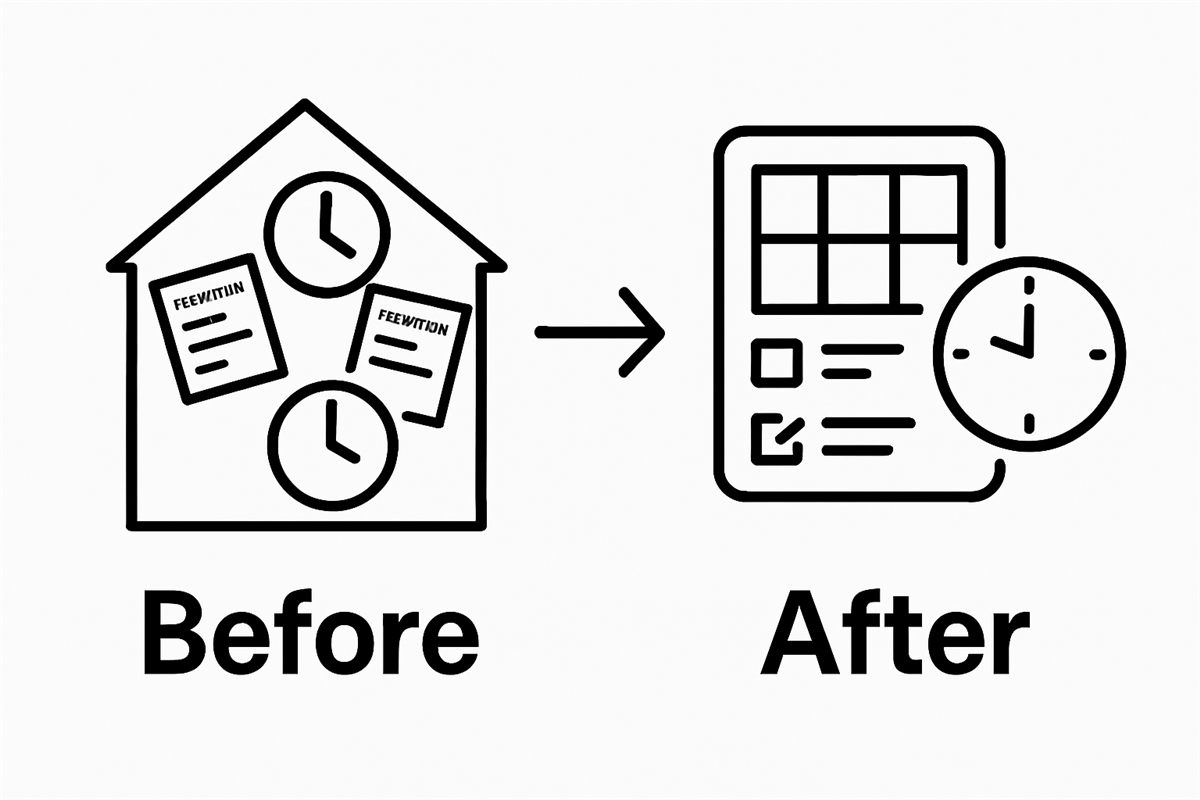
Successful assessment means being honest about current challenges without judgment. Recognize that every family’s homework routine is a work in progress. The goal is incremental improvement, not instant perfection.
Below is a table that outlines common homework challenges families may face, likely causes, and article-recommended solutions to improve your homework routine.
| Challenge | Possible Cause | Solution |
|---|---|---|
| Arguments during homework | Stress, fatigue, unclear expectations | Assess routine, set clear goals |
| Distraction and lack of focus | Poor environment, digital devices | Create dedicated space, minimize screens |
| Last-minute homework panic | Poor time management, unclear priorities | Prioritize assignments, visual tracking |
| Inconsistent routine | Unpredictable schedules | Establish a consistent homework schedule |
| Children reluctant to work | Low motivation, lack of ownership | Personalize space, celebrate small wins |
Step 2: Set Clear Goals and Prioritize Assignments
Transforming homework from a chaotic experience into a structured process requires establishing clear goals and developing a strategic approach to assignment management. This step moves beyond basic organization and creates a framework that helps children understand how to tackle their academic workload effectively.
Start by introducing a visual goal tracking system that makes priorities tangible. A large family whiteboard or digital planning tool can become your central homework command center. Work with each child to break down their assignments into manageable chunks, distinguishing between urgent tasks that require immediate attention and longer term projects that need incremental progress.
Explore our guide on creating productive home schedules to understand how strategic planning applies across different family activities. When prioritizing assignments, teach children to evaluate each task based on three critical factors: deadline, complexity, and personal energy levels. A math worksheet due tomorrow might take precedence over a research project with a distant submission date.
Encourage children to estimate the time required for each assignment. This skill helps them develop realistic expectations and prevents last minute panic. Create a color coded system where red indicates high priority urgent assignments, yellow represents medium complexity tasks, and green signifies longer term projects. This visual method transforms abstract priorities into a clear, actionable roadmap.
Develop a consistent evening review ritual where family members discuss the next day’s assignments. During this time, help children organize materials, review upcoming deadlines, and anticipate potential challenges. This proactive approach reduces stress and builds crucial planning skills that extend far beyond homework management.
Successful goal setting means remaining flexible. Some days will not go according to plan, and that is perfectly acceptable. The objective is to create a supportive system that helps children learn self management, not to achieve robotic perfection. By consistently practicing these prioritization techniques, families can transform homework from a dreaded chore into an opportunity for growth and skill development.

Step 3: Create a Dedicated Homework Space
Designing an effective homework environment transforms the entire learning experience, turning a potentially stressful task into a focused and productive activity. The right physical space can significantly improve concentration, motivation, and overall academic performance. This step goes beyond simply finding a quiet corner it involves creating a purposeful learning zone that supports each child’s unique studying style.
Begin by identifying potential homework locations within your home. Kitchen tables, home office spaces, or quiet corners can work wonderfully. The key is consistency and minimal distractions. Learn more about optimizing home work environments to understand how strategic space planning impacts productivity. Choose an area with good natural lighting, comfortable seating, and enough surface space for spreading out books and materials.
Equip the homework space with essential organizational tools. A small caddy or container holding pencils, erasers, calculators, and other frequently used supplies eliminates unnecessary interruptions. Consider individual preferences some children work best with complete silence, while others might appreciate soft background music or white noise. Noise canceling headphones can be an excellent compromise for families with multiple children or active household environments.
Ergonomics matter significantly in creating an effective homework space. Ensure chairs provide proper back support and desks or tables are at a comfortable height. Proper posture reduces physical strain and helps maintain focus. Position the workspace away from high traffic areas and potential distractions like televisions, gaming systems, or frequently used family spaces. If space is limited, consider folding desks or dedicated homework stations that can be easily set up and put away.
Personalization can make the homework space more inviting. Allow children to contribute to the design by choosing a desk lamp, adding a small plant, or displaying motivational quotes. This sense of ownership can increase their enthusiasm for using the designated area. Remember that the goal is creating a space that feels comfortable, functional, and conducive to learning. Regularly assess and adjust the homework environment based on your children’s changing needs and feedback.
To help families create an effective homework environment, the following table summarizes key homework space essentials, their purposes, and setup tips for maximizing productivity at home.
| Item | Purpose | Setup Tip |
|---|---|---|
| Consistent location | Reduces distractions and signals study time | Choose a spot away from TVs and high traffic |
| Good lighting | Prevents eye strain and increases alertness | Use natural light or an adjustable desk lamp |
| Comfortable seating | Supports posture for longer focus | Select chairs with proper back support |
| Storage for supplies | Minimizes interruptions and keeps area organized | Use caddies or bins for pencils, erasers, etc |
| Personalization touches | Boosts motivation and ownership | Add a plant, poster, or favorite color items |
| Ergonomic desk/table height | Supports writing and computer work comfortably | Adjust to child’s height for correct posture |
| Noise management | Helps children focus based on their preferences | Use white noise, headphones, or quiet zones |
Step 4: Establish a Consistent Schedule
Consistency transforms homework from a sporadic, stressful activity into a predictable, manageable routine. A structured schedule reduces daily negotiation, minimizes resistance, and helps children develop strong time management skills. The key is creating a flexible yet reliable framework that adapts to your family’s unique rhythms and individual children’s needs.
Begin by identifying the optimal homework time for each child. Some students perform best immediately after school when information is fresh, while others need a short break to decompress. Explore our insights on creating productive home schedules to understand how timing impacts overall effectiveness. Consider factors like after school activities, energy levels, and family dinner routines when designing your homework schedule.
Implement a visual scheduling system that makes the routine transparent and predictable. A large family calendar or digital tracking app can help everyone understand expectations. Block out consistent homework windows that align with each child’s natural productivity cycles. For younger children, this might mean 30 to 45 minute sessions, while older students might benefit from longer, more focused study blocks.
Recognize that consistency does not mean rigidity. Build in flexibility that allows for unexpected events, emotional days, or occasional needed breaks. Create a backup plan for days when the regular schedule gets disrupted. Perhaps this means a floating homework time or a weekend catch up session. The goal is maintaining overall structure while understanding that perfect adherence is not always possible.
Encourage children to participate in schedule creation. When kids feel ownership over their homework routine, they are more likely to follow through. Discuss potential challenges, listen to their preferences, and collaboratively adjust the schedule. Some families find success with a reward system that acknowledges consistent schedule adherence, such as extra screen time or a special weekend activity.
Regularly review and adjust the homework schedule. What works brilliantly in September might need modification by November. Pay attention to academic performance, stress levels, and overall family dynamics. A successful homework schedule evolves with your children, supporting their growth and changing academic demands while maintaining a sense of predictability and calm.

Step 5: Monitor Progress and Adjust as Needed
Monitoring homework progress is not about micromanaging, but creating a supportive system that helps children develop self regulation and academic confidence. The most effective homework management strategies remain flexible and responsive to each child’s evolving needs. This step transforms monitoring from a passive observation to an active, collaborative process of growth and improvement.
Establish regular check in moments that feel more like supportive conversations than interrogations. Learn more about creating productive home schedules to understand how consistent communication can enhance family dynamics. Schedule weekly family meetings where each child can share their academic challenges, victories, and insights. These conversations provide opportunities to identify patterns, celebrate achievements, and proactively address emerging difficulties.
Develop a tracking system that makes progress visible and tangible. This could be a shared digital spreadsheet, a physical progress board, or a simple notebook where children log completed assignments, upcoming deadlines, and personal goals. Encourage children to participate in tracking their own progress, which builds accountability and self management skills. Color coding or sticker systems can make this process more engaging and less intimidating.
Remain attentive to emotional and psychological signals, not just academic performance. Changes in attitude, increased stress, or sudden reluctance to discuss schoolwork can indicate underlying challenges. Pay attention to non academic indicators like sleep patterns, mood shifts, and social interactions. Sometimes, homework struggles reflect broader issues that require compassionate conversation and potential professional support.
Be prepared to make meaningful adjustments quickly. If a particular homework strategy is not working after two to three weeks of consistent implementation, it is time to recalibrate. This might mean changing study times, introducing new organizational tools, or seeking additional academic support. The most successful families view homework management as an ongoing experiment, always willing to adapt and try new approaches.
Ultimately, monitoring is about maintaining open communication and creating a supportive learning environment. Celebrate incremental improvements, approach challenges with curiosity rather than criticism, and remember that every child’s academic journey is unique. Your consistent, compassionate involvement is the most powerful tool in helping children develop lifelong learning skills.

Step 6: Celebrate Achievements and Reflect on Improvements
Celebrating achievements and reflecting on improvements transforms homework from a mundane task into a meaningful journey of personal growth. Recognizing progress, no matter how small, builds confidence and motivates children to continue developing their academic skills. This final step bridges the gap between completing assignments and developing a positive lifelong learning mindset.
Explore our guide on setting meaningful monthly goals to understand how reflection can drive continuous improvement. Create a family celebration ritual that goes beyond traditional reward systems. Instead of focusing solely on grades, acknowledge effort, improvement, and specific skills mastered. This might involve a special family dinner where each child shares their most significant learning moment, or a visual progress wall that highlights individual achievements and growth areas.
Develop a reflection practice that turns homework challenges into learning opportunities. At the end of each week or month, gather as a family to discuss what worked well and what could be improved. Encourage children to identify their own strengths and areas for growth. This approach transforms potential criticism into a collaborative problem solving experience. Use open ended questions like What did you find most challenging this week? What strategy helped you overcome a difficult assignment? How can we support you better?
Create a tangible record of progress that children can look back on and feel proud of. This might be a portfolio of completed work, a digital folder of achievements, or a journal documenting academic and personal growth. Visual representations of progress can be incredibly motivating, helping children see how far they have come and building confidence in their abilities.
Remember that celebration is not about perfection but about recognizing effort and improvement. Some weeks will be more successful than others, and that is perfectly normal. The goal is to create a supportive environment that views challenges as opportunities for learning and growth. By consistently acknowledging efforts, reflecting on experiences, and maintaining a positive attitude, families can transform homework from a dreaded task into a meaningful part of a child’s educational journey.
Bring Calm and Order to Your Family’s Homework Routine
Are you tired of daily homework battles, unproductive study hours, and the constant stress of juggling assignments with family life? You are not alone. The article highlighted common pain points like inconsistent routines, distracting workspaces, and the struggle to keep kids focused and motivated. These challenges can leave any parent feeling overwhelmed, but you do not have to tackle them alone.
Take control of your family’s evenings and create a homework system that actually works. Discover more ways to boost productivity and unlock meaningful family time by exploring our expert tips on creating productive home schedules and setting monthly goals. Stop letting homework chaos rule your evenings.
Recommended
- 20 Time-Tested Family Hacks to Break the Paycheck-to-Paycheck Cycle (Strategies That Actually Work with Kids) – It’s a Southern Life Y’all
- Tips for Creating a Bullet-Proof Work at Home Mom Schedule – Mommy on Purpose
- How To Time Block Your Day – It’s a Southern Life Y’all
- Easy quick meal prep tips you need to know to help you save money.
Want a little more help with this? I made a free Mental Load Kit that pairs right up with this post — y’all can grab it over on my Free Resources page.