
Family self-care checklist 2026: balance and organize
Juggling work, school schedules, meal prep, and endless to-do lists leaves little room for self-care in busy households. Many parents feel disconnected from their partners and children, struggling with stress that builds day after day. A well-designed family self-care checklist offers a practical solution, helping everyone prioritize well-being while staying organized. This guide walks you through selecting criteria, essential items, format comparisons, and maintenance strategies to create a checklist that reduces stress by up to 30% and strengthens family bonds.
Table of Contents
- Criteria For Choosing An Effective Family Self-Care Checklist
- Essential Items On A Family Self-Care Checklist
- Comparison Of Popular Family Self-Care Checklist Formats
- Deciding And Maintaining Your Family Self-Care Checklist
- How Home Management Systems Enhance Your Family Self-Care Routine
- What If My Family’s Needs Change Frequently?
- How Do I Get Everyone Involved In The Checklist?
- What If I Feel Burned Out Despite Following The Checklist?
- How Can I Avoid Making My Checklist Too Ambitious?
Key takeaways
| Point | Details |
|---|---|
| Stress reduction | A good family self-care checklist reduces parental stress by 20-30% through structured routines and shared accountability. |
| Family involvement | Involving all family members in checklist creation increases motivation and long-term success. |
| Mindfulness matters | Regular mindfulness and self-compassion practices reduce burnout and improve emotional connection. |
| Regular updates | Review and adjust your checklist frequently to keep it relevant as family needs evolve. |
| Keep it simple | Avoid overly ambitious lists that become burdensome rather than helpful. |
Criteria for choosing an effective family self-care checklist
Selecting the right checklist starts with understanding your family’s unique rhythm and needs. Implementing a family self-care checklist can significantly reduce parental stress and improve family cohesion when tailored properly. A realistic approach beats an elaborate system that nobody maintains.
Begin by identifying your family’s core stressors and priorities. Do mornings feel chaotic? Does everyone need more quality time together? Are you struggling with clutter or meal planning? Your checklist should address these specific pain points rather than generic advice. Involve every family member in the planning conversation, even young children who can share what makes them feel happy and calm.
Focus on essential categories that support well-being: emotional connection, adequate rest, physical activity, and basic home organization. These pillars create stability without overwhelming your schedule. A checklist covering too many areas becomes another source of stress rather than relief. Start with three to five key habits and expand gradually as routines solidify.
Pro Tip: Schedule a monthly family meeting to review what’s working and what needs adjustment. Kids grow, seasons change, and work demands shift, so your checklist should evolve too.
Integrating work-life balance tips for busy families helps maintain realistic expectations. Pair your checklist with time management step by step family success strategies to maximize effectiveness without adding complexity.
- Assess current family stress points and daily rhythms
- Include age-appropriate tasks for each family member
- Prioritize connection over perfection
- Build in flexibility for unexpected events
- Set clear, measurable goals you can celebrate
Essential items on a family self-care checklist
Your checklist should balance individual needs with shared family experiences. Start with emotional check-ins that create safe spaces for everyone to express feelings. A simple “How are you feeling today?” at breakfast or bedtime opens communication channels and prevents small frustrations from becoming major conflicts.
Repairing ruptures with your child strengthens relationships more than avoiding mistakes. Include specific repair strategies like apology scripts, cooling-down techniques, and reconnection rituals. These tools transform conflicts into growth opportunities rather than relationship damage.
Physical wellness items keep everyone energized and healthy. Schedule regular movement, whether that’s a family walk after dinner, weekend bike rides, or dance parties in the living room. Pair activity with adequate sleep by establishing consistent bedtimes and wake times. Add mindfulness moments like deep breathing before school or gratitude sharing at meals.
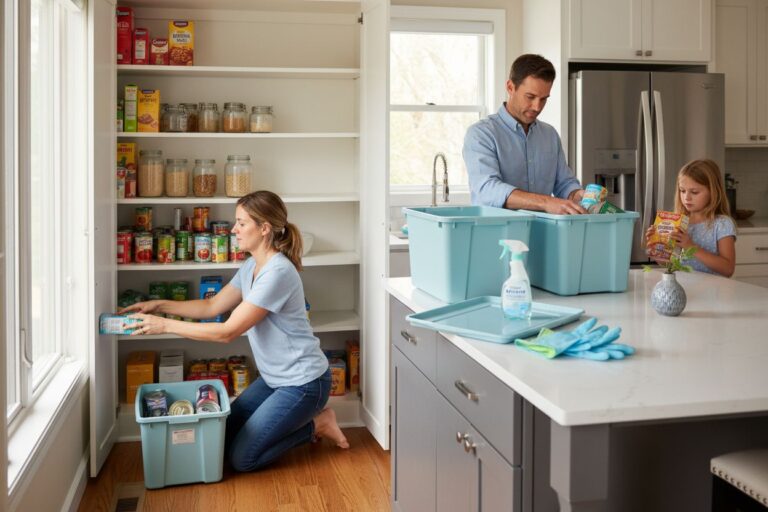
Home organization tasks reduce background stress that drains mental energy. Simple actions like a 10-minute evening tidy, weekly meal planning, or Sunday prep sessions create order without consuming entire weekends. These habits complement refresh your home naturally for families approaches that maintain peaceful spaces.

Parental self-care deserves dedicated checklist space. You cannot pour from an empty cup, so include items like 15 minutes of alone time, hobby engagement, or connection with your partner. Model healthy boundaries and self-compassion so children learn these vital skills by example.
Pro Tip: Color code checklist items by category (emotional, physical, organizational, parental) so everyone quickly identifies what needs attention each day.
Explore examples of productivity hacks for families to streamline checklist completion without sacrificing quality time together.
- Daily emotional check-ins with each family member
- Conflict repair and reconnection practices
- Scheduled physical activity and outdoor time
- Consistent sleep routines for all ages
- Weekly meal planning and prep sessions
- 10-minute daily home reset
- Individual parent self-care time
- Shared family fun activities
Comparison of popular family self-care checklist formats
Choosing between paper, digital, and physical command centers depends on your family’s tech comfort and visibility preferences. Each format offers distinct advantages that suit different household dynamics.
| Format | Benefits | Drawbacks | Best For |
|---|---|---|---|
| Printable paper | Tactile, no tech required, easy customization | Less flexible, can get lost, no automatic reminders | Families who prefer tangible tracking and minimal screen time |
| Digital apps | Automatic reminders, easy sharing, cloud backup | Requires devices, learning curve, potential tech resistance | Tech-savvy families with multiple schedules to coordinate |
| Whiteboard/command center | High visibility, family involvement, interactive | Takes wall space, requires manual updates, not portable | Households with central gathering spaces and young children |
| Hybrid approach | Combines best features, adapts to preferences | More complex to maintain, potential duplication | Families transitioning between systems or with mixed preferences |
Paper checklists work beautifully for families who value simplicity and hands-on engagement. Print weekly templates, hang them in visible spots, and let everyone check off completed items with satisfying pen strokes. However, you’ll need discipline to create new sheets regularly and storage for tracking progress over time.
Digital solutions through apps like Cozi, OurHome, or shared Google Tasks offer powerful features like push notifications, recurring tasks, and progress reports. These tools excel at coordinating complex schedules across multiple family members. The downside? Not everyone enjoys screen-based task management, and technical glitches can disrupt routines.
Command centers using whiteboards, cork boards, or chalkboards create focal points in kitchens or mudrooms where families naturally gather. Visual accessibility encourages participation and accountability. Young children especially enjoy erasing completed tasks or moving magnets to track progress. This format requires dedicated wall space and regular manual updates.
Avoid creating overly ambitious checklists that are difficult to maintain regardless of format. Start simple with your chosen system, then add complexity only if needed. Balance your format selection with how to declutter home naturally families principles and time management tips for families to create sustainable routines.
- Consider who will update and check the system daily
- Match format to your family’s natural habits
- Test one format for two weeks before committing
- Combine formats if needed (digital reminders with paper tracking)
Deciding and maintaining your family self-care checklist
Implementation matters more than perfection when launching your family self-care system. Create a simple starter checklist with five to seven essential items and test it for one full week. Notice what gets completed easily, what feels forced, and what everyone forgets. This trial period reveals realistic expectations versus wishful thinking.
Hold weekly family check-ins every Sunday evening to review the past week and plan ahead. Celebrate wins, no matter how small. Did everyone complete morning routines three days this week? That’s progress worth acknowledging. Discuss obstacles honestly and brainstorm solutions together. Maybe bedtime needs adjustment, or the after-school snack routine needs simplification.
Your behavior sets the tone for family participation. Model self-care by protecting your own checklist items like morning coffee alone, evening walks, or hobby time. When children see you prioritizing well-being without guilt, they internalize that self-care is valuable and necessary, not selfish.
Mindfulness and self-compassion-based programs can reduce parental stress significantly. Incorporate brief mindfulness practices into your checklist, such as three deep breaths before responding to conflicts or gratitude journaling before bed. These micro-habits compound into substantial stress reduction over weeks and months.
Adjust checklist items seasonally as family rhythms change. Summer schedules differ dramatically from school year routines. Holiday periods require flexibility. Children’s developmental stages bring new needs and capabilities. Review and revise quarterly to keep your system relevant and effective.
Pro Tip: Create a “wins jar” where family members drop notes about completed checklist items or positive moments. Read them together monthly to reinforce progress and motivation.
Connect your checklist maintenance with productivity tips for parents guide and family hacks to break paycheck cycle for comprehensive family wellness.
- Launch with a simple, achievable checklist for one week
- Schedule weekly family reviews every Sunday evening
- Celebrate all progress, even partial completion
- Model self-care through your own consistent habits
- Practice daily mindfulness moments together
- Adjust items quarterly as seasons and needs shift
- Keep communication open about what works and what doesn’t
How home management systems enhance your family self-care routine
Your self-care checklist works even better when supported by organized home systems that reduce daily friction. Implementing effective home management systems creates the foundation for sustainable self-care by eliminating chaos that drains energy before the day begins.
Exploring types of home organization systems helps you identify which structures complement your checklist best. Command centers, meal planning frameworks, and paper management systems all reduce decision fatigue and free mental space for genuine self-care activities.
Combining your checklist with proven productivity hacks for families multiplies effectiveness without adding time. Small efficiency gains in morning routines or evening prep create margins for connection and rest. These integrated approaches transform isolated habits into comprehensive lifestyle improvements that genuinely reduce stress and increase family harmony.
What if my family’s needs change frequently?
Frequent changes are normal in growing families, so build flexibility directly into your checklist system. Schedule monthly reviews instead of waiting for quarterly check-ins if your household experiences rapid transitions. During these sessions, identify which items no longer serve your current reality and what new needs have emerged.
Communication becomes your most valuable tool when navigating change. Create a simple feedback method like a family suggestion box or shared notes app where anyone can propose checklist adjustments anytime. This ongoing dialog prevents frustration from building when items feel irrelevant or burdensome. Young children might draw pictures of activities they want included, while teens can text suggestions to a family chat.
Embrace seasonal templates rather than one permanent checklist. Maintain core items that apply year-round, like emotional check-ins and basic organization, but swap out 30% of activities based on current circumstances. Summer might emphasize outdoor time and flexible schedules, while school months focus on homework routines and earlier bedtimes. This approach honors your family’s natural rhythms instead of fighting them. Integrate time management for family success principles to adapt smoothly without losing momentum.
How do I get everyone involved in the checklist?
Involvement starts with co-creation rather than top-down assignment. Gather everyone for a family meeting and explain that you’re building a system to help everyone feel better and spend more quality time together. Ask each person to name one thing that would make their day easier or happier. Write down every suggestion without judgment, then identify common themes.
Visibility drives participation, especially for younger children who need concrete reminders. Place your checklist in a high-traffic area like the kitchen or family room where everyone passes multiple times daily. Use colorful markers, stickers, or magnets to make tracking fun rather than tedious. Digital families can set up shared apps with notifications that ping everyone at relevant times.
Celebrate small wins together to build momentum and positive associations. When someone completes their checklist items for three consecutive days, acknowledge it at dinner. Create simple rewards like choosing the weekend movie, picking the dinner menu, or earning extra screen time. These incentives reinforce that the checklist serves everyone’s well-being, not just parental control. Connect this approach with work-life balance tips for families to maintain enthusiasm long-term.
What if I feel burned out despite following the checklist?
Burnout signals that your current approach needs adjustment or that deeper support is required. First, review your checklist honestly to identify if you’ve created an overly ambitious system that adds pressure instead of relief. Pare down to absolute essentials and give yourself permission to do less. Sometimes the checklist itself becomes another obligation rather than a helpful tool.
Mindfulness and self-compassion-based programs can reduce parental stress when practiced regularly, even in small doses. Add dedicated self-compassion practices to your personal checklist items, such as speaking to yourself with the same kindness you’d offer a friend. Notice self-critical thoughts and gently redirect them toward understanding and patience.
Recognize when professional support is needed beyond self-help strategies. Persistent burnout, anxiety, or depression require qualified assistance from therapists or counselors who specialize in parental stress and family dynamics. Your checklist can include scheduling and attending these appointments as a vital self-care item. Explore productivity tips for parents that specifically address overwhelm and boundary setting to prevent future burnout.
How can I avoid making my checklist too ambitious?
Start with the minimum viable checklist that addresses your top three stress points. If mornings are chaotic, focus solely on a simple morning routine checklist for two weeks before adding anything else. This focused approach builds confidence and demonstrates tangible results without overwhelming anyone. Avoid creating overly ambitious checklists that collapse under their own complexity.
Involve your whole family in setting realistic goals based on current capacity, not idealized visions of perfect family life. Ask everyone honestly how much time and energy they can commit. A working parent juggling a demanding job cannot maintain the same checklist as someone with more flexible hours. Honor these real constraints rather than fighting them.
Review your checklist weekly and ruthlessly eliminate items that consistently get skipped. These aren’t failures but signals that the activity doesn’t fit your current reality. Maybe daily family dinners aren’t feasible right now, but Sunday brunch together is achievable. Adjust expectations to match actual behavior patterns rather than forcing compliance with unrealistic standards. Apply time management step by step family success methods to identify what truly matters versus what sounds good in theory.
Recommended
- 7 Practical Work-Life Balance Tips for Busy Families –
- Essential Tips for Simplifying Schedules in 2025 –
- 7 Simple Ways to Refresh Your Home for Busy Families –
- 7 Time Management Tips for Families to Balance Life –
- Silver Link Companion — AI Voice Companion for Seniors
Want a little more help with this? Quiet Minutes gives you nine ways to take fifteen minutes back, without adding one more thing to the list.