Best Indoor Plants: Transform Family Homes Naturally
Over 66 percent of American families now add indoor plants to their homes, transforming living spaces into healthier and more inviting retreats. In a world where stress and pollution are common, these green companions make a surprising difference in daily well-being. Discover how the right plants can naturally purify air, lift moods, and teach your family valuable lessons about responsibility without sacrificing safety or style.
Table of Contents
- Indoor Plants: What Makes Them Ideal
- Top 10 Indoor Plants for Homes and Kids
- Caring for Indoor Plants Year-Round
- Benefits for Air Quality and Family Health
- Potential Risks and Safety Considerations
Key Takeaways
| Point | Details |
|---|---|
| Indoor Plants Enhance Well-Being | Indoor plants improve air quality, reduce stress, and promote cognitive function, making them beneficial for both physical and mental health. |
| Choosing Safe Plants for Families | Selecting non-toxic and low-maintenance plants ensures a safe and educational experience for children while caring for indoor greenery. |
| Seasonal Plant Care is Essential | Understanding and adapting care routines for different seasons helps maintain plant health and enhances their benefits throughout the year. |
| Awareness of Plant Toxicity | Families should research plant safety and toxicity to prevent potential health risks for children and pets in the home environment. |
Indoor Plants: What Makes Them Ideal
When it comes to transforming your family home, indoor plants are more than just decorative elements. They’re living, breathing companions that bring remarkable benefits to your everyday environment. A systematic review of scientific research reveals that these green friends do much more than sit pretty in a pot.
Indoor plants offer incredible advantages for both physical and mental wellness. Physiological benefits include measurable improvements in human body functions. The research shows they can help reduce diastolic blood pressure and create a more relaxed home atmosphere. Imagine having a natural stress reducer right in your living room that doesn’t require any complicated setup or expensive equipment.
Beyond physical health, these plants significantly enhance cognitive performance. Studies from the Royal Horticultural Society demonstrate that strategically placed greenery can boost productivity and create more stimulating indoor environments. This makes them perfect for home offices, study areas, and spaces where family members need to concentrate and feel calm.
What makes indoor plants truly special for families? Here are some key reasons:
- Improve air quality naturally
- Reduce stress and anxiety levels
- Create a sense of connection with nature
- Teach children about responsibility through plant care
- Enhance aesthetic appeal of living spaces
Whether you have a large home or a small apartment, indoor plants can be your secret weapon for creating a healthier, more vibrant living environment. They’re not just decorations – they’re silent partners in your family’s wellness journey.
Top 10 Indoor Plants for Homes and Kids
Finding the perfect indoor plants for families with children requires careful consideration of safety, care requirements, and overall appeal. Safe indoor plant selections provide parents peace of mind while introducing beautiful greenery into their living spaces.
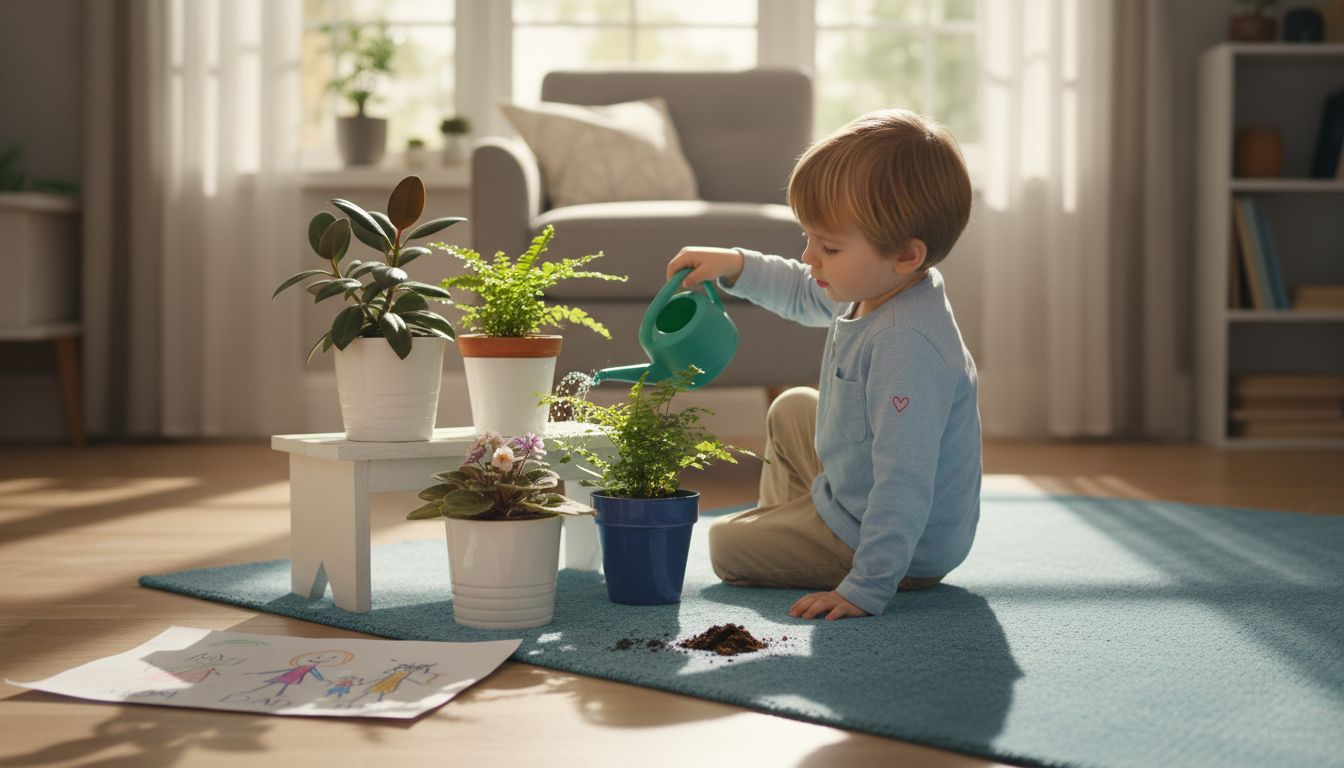
Kid-Friendly Plants offer more than just aesthetic value. They can be incredible educational tools that teach children about nature, responsibility, and plant care. Choosing plants that are non-toxic and relatively easy to maintain ensures a positive experience for the entire family.
Here are the top 10 indoor plants that are perfect for homes with children:
-
Spider Plant
- Extremely resilient and hard to kill
- Safe for kids and pets
- Produces adorable baby plantlets
- Excellent air purifier
-
Areca Palm
- Soft, feathery fronds
- Child-friendly and non-toxic
- Adds tropical feel to rooms
- Helps improve indoor air quality
-
Baby Rubber Plant
- Compact and cute
- Low maintenance
- Safe for children
- Thrives in moderate light conditions
-
Boston Fern
- Lush and dramatic appearance
- Excellent humidity regulator
- Non-toxic to children
- Requires consistent moisture
-
African Violet
- Produces beautiful small flowers
- Perfect for windowsills
- Child-safe
- Adds color to indoor spaces
-
Calathea
- Stunning leaf patterns
- Low light tolerance
- Safe for curious kids
- Requires moderate humidity
-
Peperomia
- Compact size
- Variety of leaf textures
- Child-friendly
- Minimal watering needs
-
Parlor Palm
- Elegant and slim
- Tolerates low light
- Non-toxic
- Slow growing
-
Money Tree
- Braided trunk design
- Symbolizes good fortune
- Safe for children
- Thrives in indirect light
-
Air Plants
- Unique, no-soil plants
- Fun for kids to observe
- Minimal care requirements
- Can be displayed creatively
Research from child-friendly plant guides consistently emphasizes the importance of selecting non-toxic, resilient plants that can withstand a bit of curious handling. When introducing plants to your home, involve your children in the care process to help them develop a sense of responsibility and connection with nature.
Caring for Indoor Plants Year-Round
Maintaining indoor plants throughout different seasons requires understanding their unique needs and adapting your care routine accordingly. Each season brings its own challenges and opportunities for nurturing your green companions, ensuring they remain healthy and vibrant all year long.
Seasonal Plant Care is more than just watering and occasional pruning. Scientific research demonstrates that consistent maintenance directly impacts plants’ ability to provide environmental and health benefits. Different seasons demand different strategies to keep your indoor plants thriving.
Here’s a comprehensive guide to year-round plant care:
Spring Care
- Gradually increase watering as daylight hours lengthen
- Check for potential pest infestations
- Fertilize with balanced, water-soluble plant food
- Rotate plants to ensure even light exposure
Summer Care
- Protect plants from direct, intense sunlight
- Increase humidity with occasional misting
- Water more frequently during hot periods
- Move sensitive plants away from air conditioning vents
Fall Care
- Reduce watering frequency
- Stop fertilizing approximately six weeks before winter
- Clean leaves to remove dust and improve photosynthesis
- Check plants for signs of stress from temperature changes
Winter Care
- Minimize watering to prevent root rot
- Provide additional indirect light
- Keep plants away from cold drafts and heating sources
- Monitor humidity levels with a small humidifier
Consistent observation is key. Watch for signs like yellowing leaves, drooping stems, or changes in growth patterns. Each plant is unique, and learning its specific needs will help you become a successful indoor gardener. Remember, plant care is a journey of patience and attentiveness – don’t be discouraged by occasional setbacks.
With thoughtful care and attention, your indoor plants can be resilient companions that not only survive but truly flourish throughout the changing seasons.
Benefits for Air Quality and Family Health
Scientific research reveals that indoor plants are far more than decorative elements – they are powerful contributors to family wellness. These green companions work silently to transform your home environment, offering remarkable health benefits that extend beyond simple aesthetic appeal.
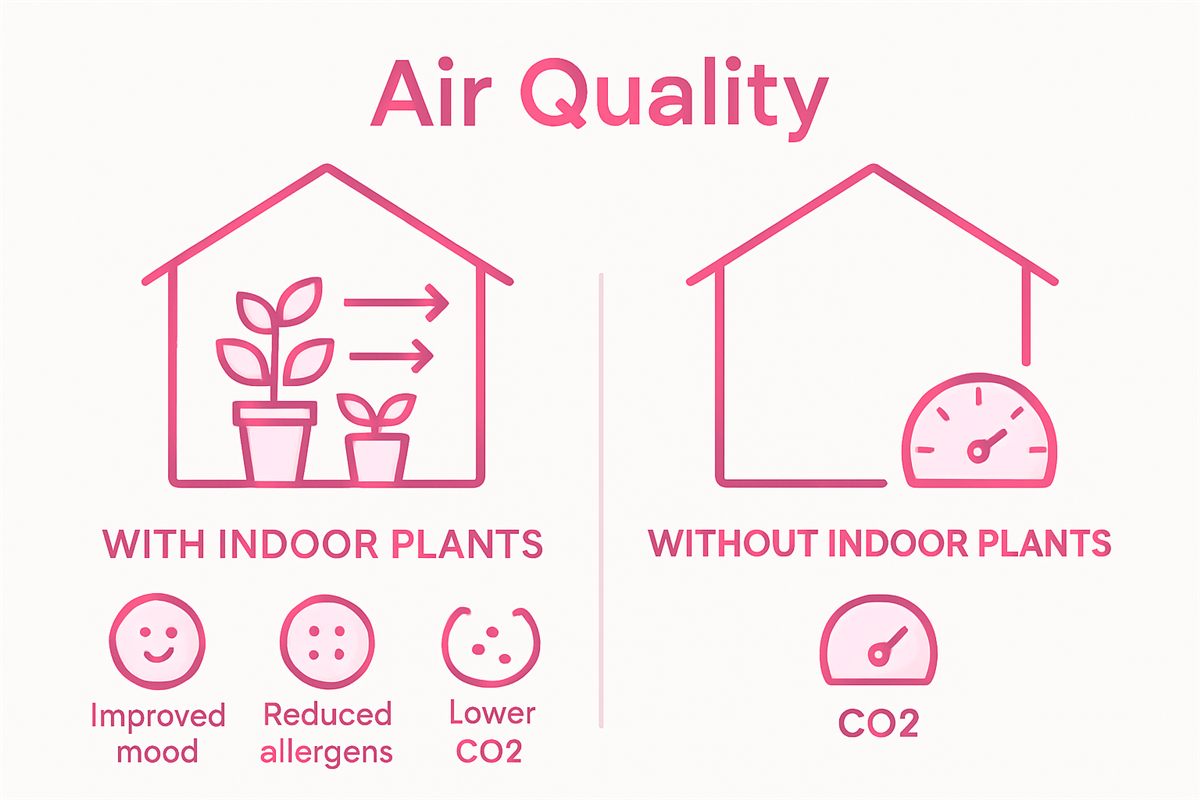
Air Purification is one of the most significant advantages of indoor plants. They act as natural filters, removing toxins and pollutants from indoor air while simultaneously releasing oxygen. Studies in physiological research demonstrate that plants can dramatically improve air quality and reduce psychological stress for entire families.
Key health benefits of indoor plants include:
- Reduce airborne toxins and pollutants
- Lower stress and anxiety levels
- Improve respiratory function
- Enhance overall mental well-being
- Boost immune system performance
- Create a calming home atmosphere
The psychological impact of indoor plants is particularly profound. They can lower blood pressure, reduce sympathetic nervous system activity, and create a sense of calm. For families with children or high-stress environments, these green companions offer a natural, non-invasive method of promoting emotional and physical wellness.
Parents should view indoor plants as more than decorations – they’re strategic wellness tools. Placing plants in bedrooms, home offices, and living areas can create microenvironments of tranquility and health. From improving air quality to reducing stress, these silent guardians work continuously to support your family’s well-being.
Potential Risks and Safety Considerations
Selecting indoor plants for families requires careful consideration of potential risks, especially when young children and pets are present. Not all plants are created equal, and some can pose unexpected challenges to home safety.
Plant Toxicity is a critical concern for families. Scientific research highlights that while indoor plants offer numerous benefits, certain varieties can trigger allergic reactions or contain harmful substances that might impact indoor air quality and family health.
Key safety considerations include:
Toxic Plant Risks
- Some plants contain poisonous leaves, stems, or roots
- Certain plants can cause skin irritation
- Some plants produce harmful sap
- Potential allergenic properties
Child and Pet Safety Strategies
- Research plant toxicity before purchasing
- Keep potentially dangerous plants out of reach
- Use hanging planters for high-risk plants
- Teach children not to touch or taste plants
Potential Health Considerations
- Monitor for allergic reactions
- Be aware of potential respiratory irritants
- Check for mold growth in plant soil
- Ensure proper plant maintenance
Families should approach indoor plants with an informed perspective. Consulting botanical experts, reading plant labels carefully, and conducting thorough research can help mitigate potential risks. Remember, knowledge and prevention are your best tools in creating a safe, green home environment.
Enhance Your Family Home with Green Living and Simple Organization
Bringing indoor plants into your family home tackles common challenges like stress reduction, improving air quality, and creating calming spaces mentioned in the article “Best Indoor Plants: Transform Family Homes Naturally.” Balancing plant care with a busy family lifestyle can feel overwhelming. That’s why combining the natural benefits of indoor greenery with proven organization hacks and home management strategies can create a truly peaceful and efficient environment for everyone.
Discover how to seamlessly integrate plant care routines with your daily schedule while boosting productivity and maintaining a clutter-free home. At Its a Southern Life Yall, we offer simple living strategies and time management tools designed to help you nurture healthier spaces for your family. Start transforming your home today and unlock the full potential of a vibrant, organized lifestyle. Visit Its a Southern Life Yall now and take the first step toward a naturally balanced family home.
Frequently Asked Questions
What are the benefits of indoor plants for families?
Indoor plants improve air quality, reduce stress, enhance cognitive performance, and create a calming atmosphere. They offer both physiological and psychological benefits, making them great companions for family wellness.
Which indoor plants are safe for children?
Kid-friendly options include Spider Plants, Areca Palms, Baby Rubber Plants, Boston Ferns, African Violets, Calathea, Peperomia, Parlor Palms, Money Trees, and Air Plants. These plants are non-toxic and easy for children to care for.
How can I care for indoor plants throughout the seasons?
Seasonal care involves adjusting watering, light exposure, and humidity levels. In spring, increase watering and fertilize; in summer, protect from intense sunlight; in fall, reduce watering and clean leaves; in winter, minimize watering and ensure adequate light.
Are there any risks associated with indoor plants for families?
Yes, some indoor plants can be toxic to children and pets, cause skin irritation, or produce allergens. It’s essential to research plant types and keep potentially harmful varieties out of reach to ensure a safe home environment.
Recommended
- 6 Herbs You Can Grow In Water for Busy Families – It’s a Southern Life Ya’ll
- 7 Simple Ways to Refresh Your Home for Busy Families – It’s a Southern Life Ya’ll
- How to Create a Peaceful Home for Your Family – It’s a Southern Life Ya’ll
- Fun Outdoor Hobbies for Families to Learn Together – It’s a Southern Life Ya’ll
- Eco Friendly Cleaning Tips For Busy European Mums – The Zoofamily
- 7 Smart Ways to Boost Office Design Inspiration Today – Projector Display