

Budgeting for Families – Creating Stability at Home
Most American families are surprised to learn that up to 60 percent of households do not consistently follow a set budget. Managing money as a family shapes more than just daily spending habits, it impacts your long-term security and peace of mind. By understanding what family budgeting really means, you can make intentional choices that reflect your priorities and give everyone a clearer path to financial stability.
Table of Contents
- What Family Budgeting Really Means
- Different Approaches to Family Budgets
- Setting Realistic Financial Goals for Families
- Tools and Strategies for Managing Expenses
- Avoiding Common Budgeting Mistakes with Kids
Key Takeaways
| Point | Details |
|---|---|
| Family Budgeting as a Strategy | Family budgeting is a roadmap that helps manage finances by aligning spending with values and goals. It is about making intentional choices, not restricting spending. |
| Engaging Children in Budgeting | Involving children in budgeting fosters financial literacy and responsibility from a young age, creating transparency and shared financial goals. |
| Setting Realistic Goals | Effective budgeting includes setting SMART financial goals, ensuring clarity and focus on both short-term needs and long-term objectives. |
| Choosing the Right Tools | Families should find budgeting tools that suit their financial personality, whether that’s apps, spreadsheets, or cash methods, to manage expenses effectively. |
What Family Budgeting Really Means
Family budgeting is far more than just tracking dollars and cents. At its core, it’s a strategic approach to managing your household’s financial health and creating long-term stability. Effective family budgeting involves forecasting and controlling income and expenditures to help your family achieve specific financial goals.
Think of a budget like a roadmap for your family’s financial journey. It’s not about restricting spending, but about making intentional choices that align with your values and dreams. The key is understanding where your money goes and creating a plan that balances necessities, savings, and the occasional family treat. A well-structured budget helps distribute income effectively, manage expenses, and develop a habit of saving to accumulate wealth over time.
So what does family budgeting really look like in practice? It means sitting down together, being transparent about income and expenses, and making collaborative decisions. This might involve:
- Creating a shared understanding of financial priorities
- Tracking monthly expenses together
- Setting realistic savings goals
- Planning for both short-term needs and long-term dreams
- Teaching children about financial responsibility
Remember, a budget isn’t a punishment – it’s a powerful tool for creating financial peace and turning your family’s monetary hopes into reality.
Different Approaches to Family Budgets
Budgeting strategies are not one-size-fits-all. Families have multiple approaches to managing their finances, each with unique benefits and challenges. Various budgeting strategies include zero-based budgeting, envelope budgeting, and the ‘pay yourself first’ method, offering families flexible tools to manage their money effectively.
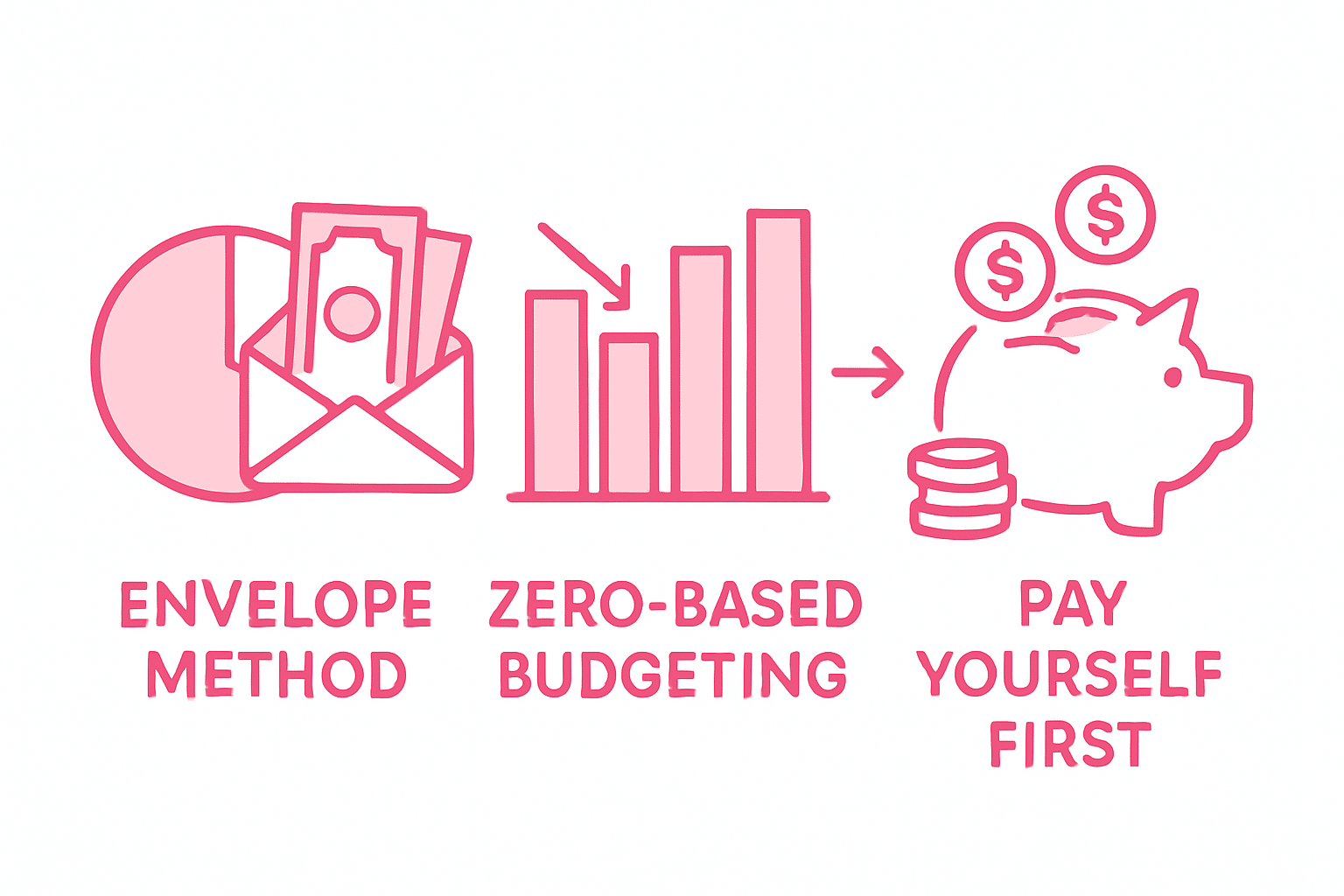
Zero-based budgeting requires every dollar to be assigned a specific purpose, ensuring no money is unaccounted for. The envelope method involves allocating cash into different spending categories, helping families visually track and limit expenses. The ‘pay yourself first’ approach prioritizes savings and investments before addressing other spending needs, creating a proactive financial mindset.
Involving children in budgeting discussions can transform financial planning into an educational experience. This collaborative approach helps children understand money management, creates transparency, and builds financial literacy from an early age. Some practical ways to engage kids include:
- Creating visual savings trackers
- Setting family financial goals together
- Discussing household expenses age-appropriately
- Teaching the difference between needs and wants
- Encouraging small savings challenges
Whether you choose a structured approach or a more flexible method, the key is finding a budgeting strategy that works for your family’s unique financial situation and goals.
Setting Realistic Financial Goals for Families
Financial goal setting is the cornerstone of successful family budgeting. Identifying the family’s biggest money needs involves balancing income and spending, paying off overdue bills, and saving for significant expenses. These goals are not just about numbers, but about creating a sense of financial security and shared purpose for your entire family.
Budgeting encourages families to set both short-term and long-term financial objectives, providing direction and motivation. Effective goal setting follows the SMART framework, ensuring your financial targets are:
- Specific: Clearly defined financial outcomes
- Measurable: Quantifiable targets you can track
- Achievable: Realistic within your current income
- Relevant: Aligned with your family’s core values
- Time-bound: Having clear deadlines for completion
Some practical examples of family financial goals might include saving for a family vacation, building an emergency fund, paying off credit card debt, or setting aside money for your children’s education. The key is to involve all family members in the process, creating transparency and collective commitment to your financial journey. Start small, celebrate progress, and remember that financial goals are not about perfection, but about consistent, intentional progress.

Tools and Strategies for Managing Expenses
Expense management goes beyond simple tracking. Developing a family living budget is foundational for sound financial management, allowing families to pinpoint unnecessary spending and discover more effective money allocation strategies. Understanding where your money goes is the first critical step in taking control of your financial health.
Budgeting involves creating a comprehensive plan for spending and saving income, enabling informed financial decisions that help avoid debt and achieve stability. Practical tools and strategies can make this process smoother and more effective:
- Expense Tracking Apps: Digital tools that automatically categorize spending
- Spreadsheet Budgeting: Customizable systems for detailed financial monitoring
- Cash Envelope Method: Physical cash allocation to limit discretionary spending
- Automatic Savings Transfers: Set up recurring transfers to savings accounts
- Monthly Family Budget Meetings: Regular check-ins to review financial progress
The key is finding a system that works for your family’s unique financial personality. Some families prefer high-tech solutions, while others thrive with traditional spreadsheets or physical tracking methods. Experiment, stay consistent, and remember that the best budgeting tool is the one you’ll actually use.
Avoiding Common Budgeting Mistakes with Kids
Family financial education starts with open communication and smart strategies. Involving children in budgeting discussions helps prevent misunderstandings and promotes responsible spending habits, transforming money management from a chore into a valuable life skill.
Discussing financial constraints and the importance of prioritizing needs over wants fosters financial literacy from a young age. Some common budgeting mistakes families make include:
- Hiding financial struggles from children
- Failing to explain the difference between needs and wants
- Inconsistent financial rules and expectations
- Not giving children opportunities to make real financial decisions
- Treating money as a taboo or stressful topic
Instead, create a positive money environment by making budgeting a collaborative family activity. Use age-appropriate strategies like visual savings trackers, allowance management, and open conversations about family financial goals. Remember that teaching kids about money is less about the numbers and more about building financial confidence and understanding.
Take Control of Your Family’s Financial Future Today
Budgeting for families often feels overwhelming, especially when trying to balance everyday expenses with long-term goals and teach kids about money management. The challenge lies in creating a family budget that is both realistic and flexible while building financial stability and confidence for everyone at home. If you are looking to transform these budgeting challenges into a manageable system, it all starts with effective planning and organized strategies.
At ItsASouthernLifeYall you will discover practical solutions tailored for busy families who want to master home and financial management without stress. From simple living strategies to budgeting systems and time management tools, our resources help you balance your family’s financial priorities with peace and clarity. Don’t wait to build the stability your family deserves. Visit ItsASouthernLifeYall now and start turning your budgeting goals into lasting success.
Want the first one done in a single sitting? First Budget in 30 Minutes walks you through it step by step, and there are free money printables waiting on our free resources page.
Frequently Asked Questions
What is family budgeting?
Family budgeting is a strategic approach to managing a household’s financial health, focusing on forecasting and controlling income and expenditures to achieve specific financial goals.
How can families set realistic financial goals?
Families can set realistic financial goals by using the SMART framework: making goals Specific, Measurable, Achievable, Relevant, and Time-bound. This helps in establishing clear targets that align with the family’s financial situation and values.
What are some effective budgeting strategies for families?
Effective budgeting strategies for families include zero-based budgeting, envelope budgeting, and the ‘pay yourself first’ method. Each method has its own benefits and can be adapted to fit the family’s financial needs.
How can I involve my children in the budgeting process?
You can involve your children in the budgeting process by discussing household expenses age-appropriately, creating visual savings trackers, setting family financial goals together, and encouraging small savings challenges.
Recommended
- Understanding What is a Family Budget: A Clear Guide – It’s a Southern Life Ya’ll
- Why Use Budgeting Systems: Complete Family Guide – It’s a Southern Life Ya’ll
- 20 Time-Tested Family Hacks to Break the Paycheck-to-Paycheck Cycle (Strategies That Actually Work with Kids) – It’s a Southern Life Ya’ll
- Family Finance Organization Guide – It’s a Southern Life Ya’ll
Want a little more help with this? First Budget in 30 Minutes walks you through your family’s first real budget in one sitting, so you have a plan on paper tonight instead of someday.