
Sinking Funds 101: A Beginner’s Guide to Budgeting for Those “Lumpy” Expenses

The quick version, y’all: A sinking fund is a little pot of money you set aside each month for a known, lumpy expense — think Christmas, car repairs, or back-to-school — so it never blindsides your budget. Pick the expense, divide the total by the months until you need it, and tuck that amount away in a separate spot. When the bill finally comes, the money’s already there. No stress, no credit card.
Stop Stressing Over "Surprise" Bills!
Ever feel like your budget is finally on track, and then, BAM, the car insurance is due? Or your kid needs $100 for a field trip? Or the air conditioner decides to take a permanent vacation in the middle of a July heatwave?
It’s frustrating. It’s exhausting. It makes you want to throw the whole budget out the window!
But here is the secret: those aren’t surprises. They are "lumpy" expenses. And you can beat them at their own game.
Welcome to the world of sinking funds! This is the tool that turns "Oh no!" into "I’ve got this." We are going to take control of your money, your home, and your peace of mind. Right here. Right now.
What in the World is a Sinking Fund?
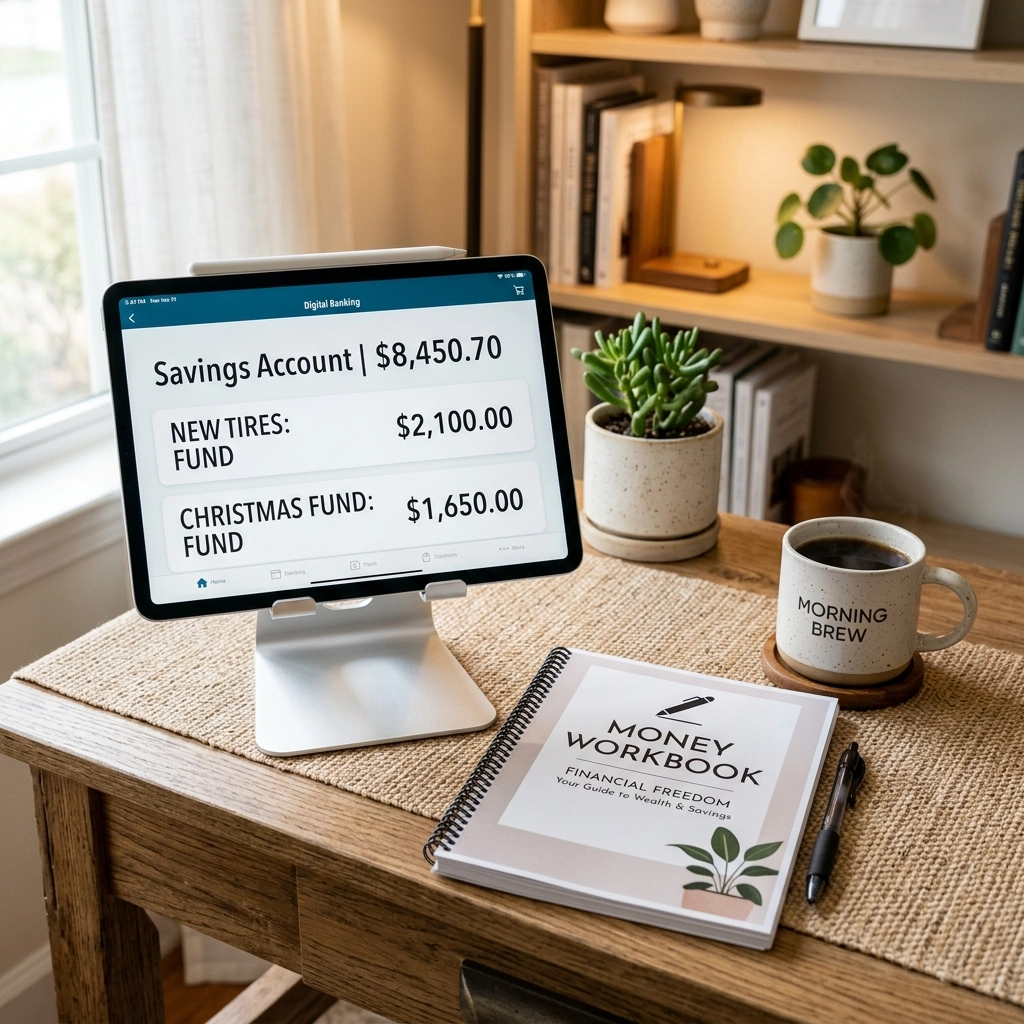
Think of a sinking fund as a specialized savings bucket. You aren't just "saving money" for a rainy day. You are saving money for a specific day.
You know that annual car registration is coming in October. You know Christmas happens every single December 25th. A sinking fund is just a way to break those big, scary bills into tiny, manageable monthly bites.
Instead of panicking when a $600 bill hits, you’ve been tucking away $50 a month all year long. When the bill arrives? You just pay it. No stress. No credit cards. No tears.
It’s about being proactive. It’s about being the boss of your bank account.
Sinking Fund vs. Emergency Fund: Know the Difference!
This is where people get tripped up. Don’t let that be you!
The Emergency Fund is for the "I didn't see this coming" moments. Think: unexpected job loss, a sudden hospital stay, or a tree falling through your roof. This is your safety net. It’s there to keep your head above water when life gets messy.
The Sinking Fund is for the "I knew this was coming" moments. You know your car will eventually need tires. You know you want to take the kids to the beach next summer. You know the property taxes are due in the fall.
If you use your emergency fund for Christmas presents, that’s not an emergency, that’s a planning problem! Sinking funds protect your emergency fund so it’s actually there when you truly need it.
Want to get a head start on organizing these categories? Grab our Free Money Workbook right now!
Let’s Talk About Those "Lumpy" Expenses
Lumpy expenses are those costs that don’t happen every month. They "lump" together and try to wreck your flow. Here are the most common culprits:
- Car Maintenance: Oil changes, tires, and those annoying registration fees.
- Holidays: Christmas, birthdays, and anniversaries. (They happen every year, y’all!)
- Home Repairs: Roof leaks, appliance upgrades, or just painting the living room.
- Annual Dues: Amazon Prime, gym memberships, or professional certifications.
- Medical/Dental: Co-pays, new glasses, or those unexpected trips to the vet.
- Vacations: Because you deserve a break without a mountain of debt following you home!
When you plan for these, you stop living paycheck to paycheck. You start building wealth.

How to Start Your Sinking Funds Today!
Don't wait until Monday. Don't wait until next month. Start now! Follow these simple steps to financial freedom.
1. Identify Your Lumps
Sit down with your bank statements from the last year. Look for those one-time hits. List them out. Every single one.
2. Do the Math
How much do you need for each category? When is the "due date"?
If you need $1,200 for a vacation in 12 months, you need to save $100 a month.
If your car insurance is $600 and it’s due in 6 months, that’s $100 a month.
3. Pick Your Spot
Where are you going to put this money? You can use:
- Physical Envelopes: Great for things like "Hair Appointments" or "School Supplies."
- Separate Savings Accounts: Many banks let you open multiple sub-accounts. Label them! "Car Fund," "House Fund," "Vacation Fund."
- High-Yield Savings Accounts: Make your money work for you while it sits there!
4. Automate It!
Set it and forget it! Arrange an automatic transfer from your checking to your sinking fund accounts the day you get paid. If you don't see it, you won't spend it. This is how you win.
Stay Organized and Empowered
Managing your money is about more than just numbers. It’s about taking control of your life. It’s about becoming the best version of yourself.
When you aren't stressed about money, you are a better parent. You are a better spouse. You have more energy to focus on your self-care and your home.
We designed the Finance and Self Care Planner specifically for this. It’s not just a budget tracker; it’s a tool to help you integrate your finances with your daily life. You can manage your time, your home, and your money all in one place!

Take Action Now!
You are tired of the cycle. You are tired of feeling like you are drowning. It is time to thrive!
- Download the Tools: Get your hands on our Free Frugality Tracker. It’s the perfect first step to seeing where your money is going.
- Pick One Fund: Don’t try to start 20 sinking funds at once. Pick the one that stresses you out the most: maybe it's the upcoming holidays or car repairs. Start that one today. Even $10 a week makes a difference.
- Check Out "Get That Money": Looking for more ways to build wealth and work from anywhere? Visit our Get That Money page for inspiration.
You've Got This!
Financial freedom isn't just for the wealthy. It's for anyone willing to make a plan and stick to it. Sinking funds are your ticket to a peaceful, organized life.
Imagine a year from now. A big bill comes in the mail. You don't sweat. You don't panic. You just smile, open your app, and pay it. That is the power of the sinking fund.
We are in this together! Let's build that life you've been dreaming of. Start your sinking funds today and watch how fast your world changes.
Go get 'em!

Want a little more help with this? Grab my free Finance & Life Planner over on the Free Resources page — and when you’re ready to go deeper, the First Budget in 30 Minutes will carry you the rest of the way.
Keep reading: more money help