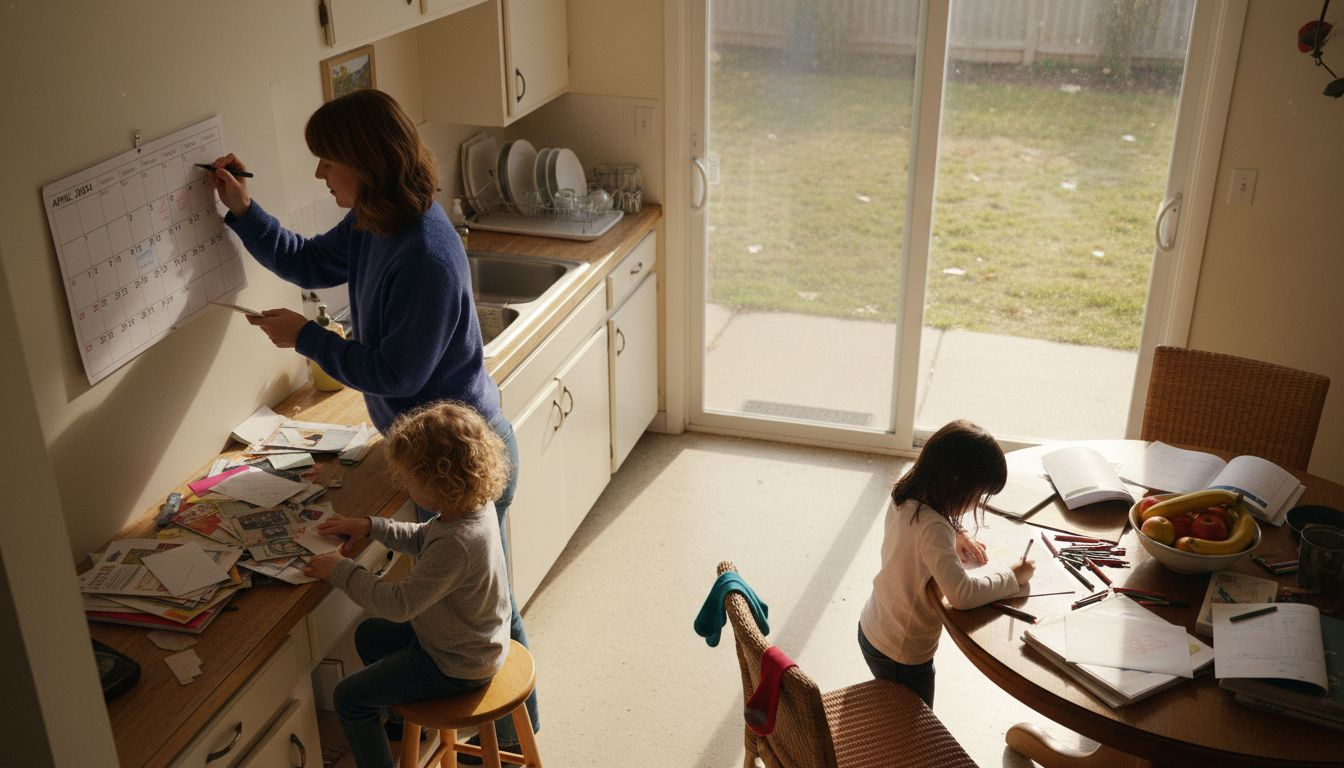
Types of Home Management Zones for Families
Every parent faces the daily challenge of juggling homework, meal prep, and endless piles of shoes by the front door. For busy American families, keeping chaos in check while supporting each child’s needs can feel overwhelming. Home management zones offer a systematic approach, breaking your living space into clear, purposeful areas that help reduce clutter and keep routines running smoothly. By using designated spaces like a family command center or wellness zone, you create visible boundaries and predictable habits for everyone.
Table of Contents
- What Are Home Management Zones?
- Common Types of Home Management Zones
- How Zones Function in Daily Life
- Key Features of Effective Zones
- Avoiding Clutter and Zone Overlap
Key Takeaways
| Point | Details |
|---|---|
| Home Management Zones Are Essential | These zones streamline organization and improve productivity by creating intentional spaces for different household activities. |
| Customization is Key | Tailor zones to fit your family’s unique needs and preferences to maximize their effectiveness. |
| Set Clear Boundaries | Establish distinct boundaries between zones to reduce clutter and maintain functionality. |
| Regular Maintenance is Important | Implement periodic reviews and resets of zones to ensure ongoing order and usability in your home. |
What Are Home Management Zones?
Home management zones are strategic areas within a family’s living space designed to streamline organization, improve productivity, and reduce household chaos. These carefully designated spaces help families create structure by defining specific functional areas for different activities and needs. Think of them like invisible boundaries that transform how your home operates.
These zones are more than just physical spaces – they’re a systematic approach to home management that helps families:
- Maximize efficiency in daily tasks
- Reduce clutter and mental overwhelm
- Create predictable routines
- Assign clear purposes to different home areas
- Support individual family members’ unique needs
The concept of home management zones draws inspiration from organizational psychology and emotional regulation frameworks that help families create intentional living environments. By dividing your home into purposeful zones, you’re essentially creating a blueprint for smoother family interactions and more streamlined daily life.
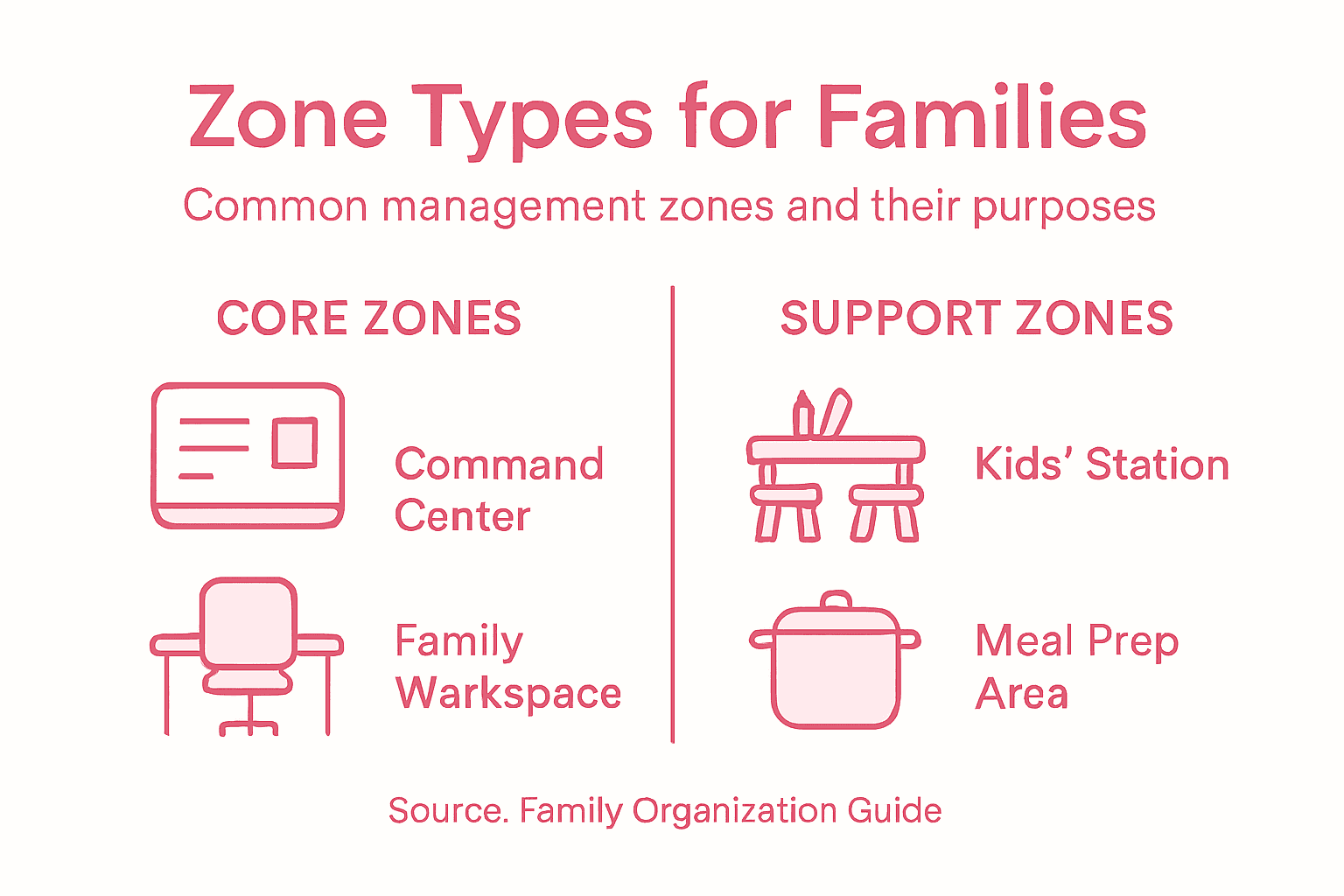
Typically, home management zones might include dedicated spaces like a family command center, home office, children’s study area, meal preparation zone, and relaxation spaces. Each zone has specific organizational systems, tools, and boundaries that support its primary function.
Pro tip: Start by identifying the most chaotic areas in your home and create your first management zone there to experience immediate organizational benefits.
Common Types of Home Management Zones
Home management zones extend far beyond simple physical spaces – they are strategic organizational systems that help families create structure, reduce stress, and maximize efficiency. While traditional organization methods focus on physical arrangement, modern home management zones consider emotional, functional, and personal needs of each family member.
Drawing from emotional regulation frameworks, these zones can be categorized into several key types:
- Family Command Center Zone: Central hub for scheduling, communication, and family planning
- Personal Workspace Zone: Individual areas for work, study, or personal projects
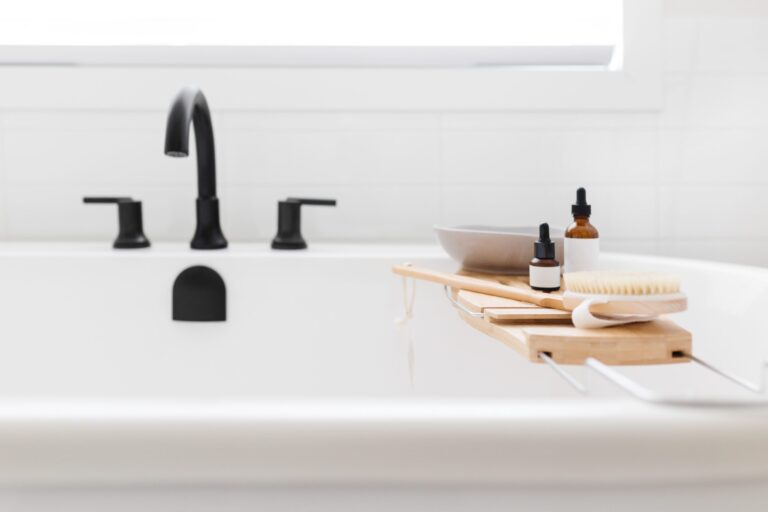
- Relaxation and Wellness Zone: Spaces dedicated to rest, mental health, and personal rejuvenation
- Activity and Hobby Zone: Areas for specific interests, crafts, or family activities
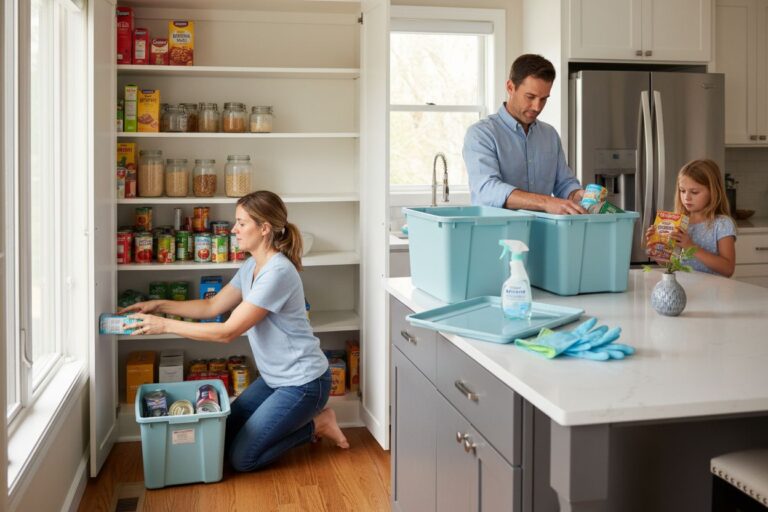
- Meal Preparation and Storage Zone: Organized kitchen and pantry spaces
Each home management zone serves a unique purpose and helps families create intentional living environments that support individual and collective needs. The goal is to create designated spaces that reduce mental clutter and streamline daily routines.
Effective home management zones are not one-size-fits-all. They should be tailored to your family’s specific lifestyle, work patterns, and personal preferences. This might mean creating a dedicated homeschooling area for families with children, a meditation corner for those seeking mindfulness, or a robust meal prep station for busy households.
Pro tip: Map out your home’s current usage and identify areas of frequent chaos to design targeted management zones that address your family’s specific organizational challenges.
Here’s a summary of common home management zones and how they contribute to household harmony:
| Zone Type | Core Function | Best For | Example Tools |
|---|---|---|---|
| Family Command Center | Streamlines planning | Busy families with schedules | Calendar, whiteboard |
| Personal Workspace | Supports focused activity | Remote workers, students | Desk, organizer |
| Relaxation & Wellness | Promotes mental health | All family members | Yoga mat, soft chair |
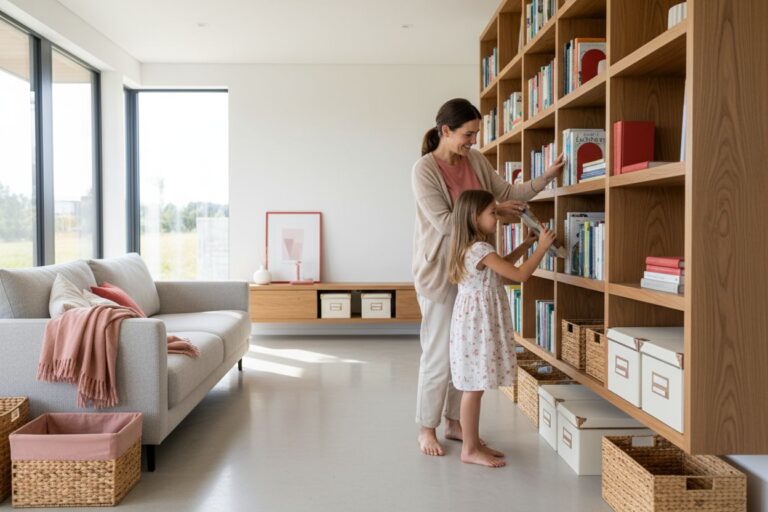
| Activity & Hobby | Encourages creativity | Kids, hobbyists | Art supplies, shelves |
| Meal Prep & Storage | Efficient food handling | Meal planners, cooks | Pantry, containers |
How Zones Function in Daily Life
Home management zones transform abstract organizational concepts into practical, actionable strategies that simplify daily family life. Emotional regulation frameworks demonstrate how these zones create predictable patterns that help families navigate complex daily interactions with greater ease and understanding.
In practical application, home management zones function through several key mechanisms:
- Communication Enhancement: Creating shared language about space and emotional states
- Stress Reduction: Establishing clear boundaries between different activities
- Individual Accountability: Helping family members understand their personal responsibilities
- Emotional Awareness: Supporting recognition of individual and collective emotional needs
- Behavioral Guidance: Providing structured approaches to managing daily challenges
For instance, a family’s command center might become a central communication hub where schedules are synchronized, chores are assigned, and daily expectations are clearly outlined. This transforms a potentially chaotic information exchange into a structured, supportive interaction that reduces misunderstandings and promotes collective harmony.

Zones also serve as powerful tools for teaching children self-management and emotional intelligence. By creating designated spaces with specific purposes, families help younger members understand boundaries, develop personal discipline, and learn how to transition between different mental and physical states more effectively.
Pro tip: Create visual indicators or simple charts that help family members quickly understand and respect each zone’s primary function and emotional expectations.
Key Features of Effective Zones
Effective home management zones require more than just physical organization – they demand a strategic approach that considers emotional intelligence, personal dynamics, and family-specific needs. Emotional regulation strategies reveal that successful zones are adaptable, intentional systems designed to support each family member’s unique requirements.
The key features of powerful home management zones include:
- Flexibility: Ability to adapt to changing family needs and developmental stages
- Clear Boundaries: Defined purposes for each designated space
- Personalization: Tailored approaches reflecting individual family member’s preferences
- Visual Communication: Easy-to-understand indicators of zone expectations
- Emotional Intelligence: Integrated strategies for recognizing and managing feelings
Successful zones function like living ecosystems within the home, dynamically responding to the family’s evolving rhythms. They’re not rigid structures, but responsive frameworks that grow and change with the family. A well-designed zone might start as a homework station and transform into a collaborative creative space as children develop new interests and skills.
Moreover, effective zones prioritize communication and mutual understanding. They create shared languages around space usage, emotional states, and family expectations. This means developing visual cues, establishing consistent routines, and fostering an environment where every family member feels heard and supported.
Pro tip: Create a flexible zone mapping system that allows periodic family reviews and adjustments, ensuring your home management zones remain relevant and supportive.
Avoiding Clutter and Zone Overlap
Managing home management zones effectively requires strategic planning to prevent chaos and maintain clear functional boundaries. Emotional regulation strategies emphasize the importance of creating distinct, well-defined spaces that minimize confusion and support family dynamics.
To prevent clutter and zone overlap, families can implement several key strategies:
- Clear Physical Boundaries: Use visual markers like rugs, shelving, or room dividers
- Designated Storage: Create specific containers and storage solutions for each zone
- Consistent Labeling: Use clear, readable labels that define zone purposes
- Regular Maintenance: Schedule periodic zone reviews and reorganization
- Intentional Transition Spaces: Design buffer areas between different functional zones
Successful zone management is about creating intentional spaces that breathe and adapt. Think of your home zones like a well-organized ecosystem, where each area has a specific purpose and role. When zones start to blur, productivity and emotional well-being can suffer. The goal is not perfection, but a flexible system that supports your family’s unique rhythm.
Technology and digital clutter can also disrupt zone integrity. Consider establishing specific rules about device usage in different zones, such as keeping work devices out of relaxation spaces and creating dedicated charging stations that don’t interfere with other zone functions.
Pro tip: Implement a monthly “zone reset” where family members collaboratively review and reorganize their spaces, ensuring continued effectiveness and preventing gradual clutter accumulation.
This table compares strategies to avoid clutter and maintain clear boundaries in home zones:
| Strategy | Purpose | Implementation Tip |
|---|---|---|
| Physical Boundaries | Prevents zone overlap | Use rugs or dividers |
| Smart Storage | Contains items per zone | Color-coded bins |
| Zone Labeling | Clarifies zone functions | Printed signage |
| Regular Reset | Maintains organization | Monthly family review |
Create Your Perfect Home Management Zones Today
Struggling to keep your family organized amid the chaos of daily life is a common challenge. This article highlights how designing clear, purposeful home management zones can reduce stress, prevent clutter, and support everyone’s unique needs. If you want to build effective Family Command Centers, Personal Workspaces, or Relaxation and Wellness Zones that truly work for your household, understanding these specific zones is just the first step.
At Its A Southern Life Yall, we specialize in turning these concepts into practical, easy-to-follow systems tailored for busy families. Discover proven organization hacks, productivity tips, and home management systems that can transform your hectic schedule into a balanced and peaceful routine. Don’t wait for chaos to take over. Visit Its A Southern Life Yall now to start creating your most efficient lifestyle and see how simple living strategies make a dramatic difference.
Frequently Asked Questions
What are home management zones?
Home management zones are specific areas within a home designed to streamline organization and improve productivity. They help families define functional spaces for different activities, reducing clutter and creating predictable routines.
How can I create effective home management zones?
To create effective zones, identify the most chaotic areas in your home, choose specific functions for each zone, and implement organizational tools. Ensure each zone is flexible, personalized, and includes clear boundaries to support your family’s unique needs.
What are some common types of home management zones?
Common types of home management zones include a Family Command Center for scheduling, a Personal Workspace for focused activities, a Relaxation and Wellness Zone for mental health, an Activity and Hobby Zone for creative pursuits, and a Meal Preparation and Storage Zone for efficient cooking and organization.
How can I prevent clutter and overlap in home management zones?
To prevent clutter, establish clear physical boundaries using visual markers, designate specific storage solutions for each zone, maintain consistent labeling, and conduct regular maintenance checks. Creating intentional transition spaces can also help to define zone functions and minimize overlap.
Recommended
- Home Management Systems: How Families Stay Organized – It’s a Southern Life Ya’ll
- Parental Time Management Types for Busy Families – It’s a Southern Life Ya’ll
- 7 Family-Friendly Examples of Productivity Hacks That Work – It’s a Southern Life Ya’ll
- 7 Effective Types of Home Organization Systems – It’s a Southern Life Ya’ll
Ready to map the whole house? The Whole Home System takes these zones and turns them into a room-by-room plan you can work one drawer at a time.