What is energy budgeting: A 2026 guide for busy parents
Most families miss out on saving up to 30% on their energy bills simply because they don’t actively track or budget their household energy use. If rising utility costs leave you feeling stressed and uncertain about where your money goes each month, energy budgeting offers a practical solution. This guide walks you through what energy budgeting is, how to create a budget that fits your busy family life, and the tools that make tracking easier so you can take control of your household energy spending.
Table of Contents
- What Is Energy Budgeting? Definition And Core Principles
- How To Create A Practical Household Energy Budget
- Benefits Of Energy Budgeting For Families
- Common Misconceptions About Energy Budgeting
- Practical Tools And Methods For Energy Budgeting
- Improve Your Family’s Time And Home Management
- Frequently Asked Questions About Energy Budgeting
Key takeaways
| Point | Details |
|---|---|
| Energy budgeting tracks and plans household energy use to cut costs | Measuring consumption across heating, cooling, appliances, and lighting helps families control spending |
| Creating a budget requires categorizing usage and setting realistic targets | Track past bills, divide energy by category, and adjust goals seasonally for accuracy |
| Families save 10-30% on bills with consistent budgeting practices | Awareness and tracking encourage smarter energy habits and reduce financial stress |
| Misconceptions like relying only on monthly bills undermine effectiveness | Detailed category tracking and understanding efficiency gains prevent common pitfalls |
| Tools like smart meters and apps simplify ongoing monitoring | Combining automated tools with simple manual logs suits busy parents best |
What is energy budgeting? Definition and core principles
Energy budgeting involves measuring, planning, and controlling household energy use to balance consumption and costs effectively. Think of it as creating a financial budget but applied specifically to electricity, gas, and other energy sources your home uses daily. Instead of guessing why your utility bill spikes or dropping unexpectedly, energy budgeting gives you clear insight into where energy goes and how to manage it.
Household energy is typically measured in kilowatt hours (kWh) for electricity and therms for natural gas. When you run an appliance, turn on heating, or charge devices, you consume energy measured in these units. Your utility company bills you based on total consumption each month. Understanding these basic measurements helps you set realistic energy goals and recognize which household activities drive costs.
Energy systems convert primary energy resources into usable energy services with inherent losses during those conversions. For example, your furnace converts natural gas into heat, but some energy escapes as exhaust. Your refrigerator converts electricity into cooling, but motor inefficiencies waste some power as heat. Recognizing these conversion losses helps families understand why certain appliances or systems consume more energy than expected and where efficiency improvements make the biggest impact.
Key energy categories for household budgeting include:
- Heating and cooling systems (often the largest energy users)
- Major appliances like refrigerators, washers, and dryers
- Lighting throughout the home
- Electronics and small devices
- Water heating for showers, dishes, and laundry
By breaking energy use into these categories, you can identify which areas consume the most and where adjustments offer the greatest savings. Energy budgeting isn’t about deprivation or living uncomfortably. It’s about awareness, planning, and making informed choices that align energy use with your family’s priorities and budget.
How to create a practical household energy budget
Building on core principles, here’s an actionable process busy parents can follow to establish an effective home energy budget. Start by gathering your recent energy bills, ideally from the past 12 months. This historical data reveals your baseline consumption patterns, seasonal variations, and average monthly costs. If you don’t have a full year, even three to six months provides a useful starting point.
Next, categorize your energy consumption by major areas. Most families can divide usage into these categories:
- Heating and cooling (HVAC systems)
- Major appliances (refrigerator, washer, dryer, dishwasher, oven)
- Lighting (all bulbs and fixtures)
- Electronics and small devices (TVs, computers, chargers, gaming systems)
- Water heating (tank or tankless heater)
You don’t need precise measurements for each category initially. Estimate based on appliance wattages, typical usage hours, and utility bill breakdowns if available. Many utility providers offer online dashboards that show daily or hourly consumption, which helps identify which times and activities drive usage.
Set realistic monthly energy use and cost targets based on past data and your family lifestyle. Energy budgeting integrates with overall household budgeting but requires specific focus on energy types, usage patterns, and seasonal variations to be effective. If your average monthly bill is $150, aim for a reduction of 10 to 15% initially rather than attempting drastic cuts that disrupt family comfort. Gradual improvements stick better than extreme changes.
Track consumption regularly using available tools or manual logs. Weekly check ins work well for busy families. Note any unusual spikes and connect them to specific events like extreme weather, guests visiting, or new appliances. Adjust targets seasonally to reflect heating and cooling needs. Winter heating and summer air conditioning naturally increase usage, so budget accordingly rather than expecting flat year round consumption.
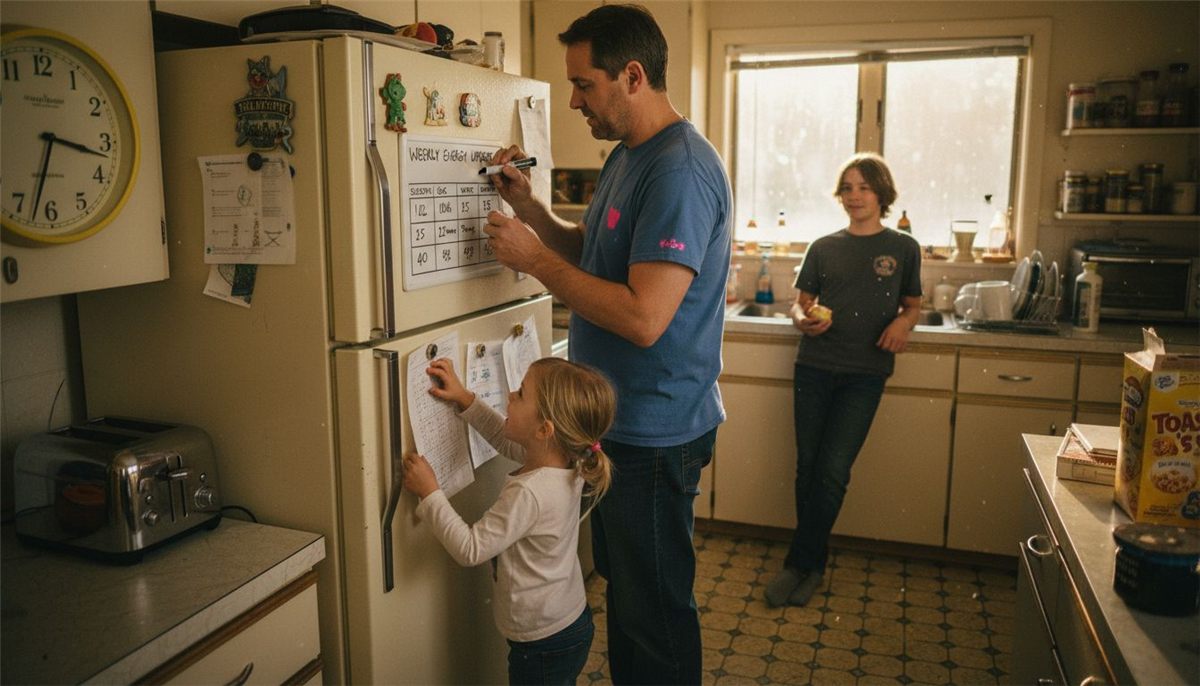
Involve family members to share responsibility and reinforce habits. When kids understand that leaving lights on or running long showers costs money, they’re more likely to develop energy conscious behaviors. Make tracking a brief family activity, perhaps during weekly planning sessions, to build accountability and teamwork. You might explore budgeting systems for families that integrate energy and financial goals seamlessly. Consider family budget tracking methods that simplify ongoing monitoring.
Pro Tip: Start with one high impact category like heating or cooling rather than trying to track everything at once. Once you see progress and build the habit, expand tracking to other areas.
Benefits of energy budgeting for families
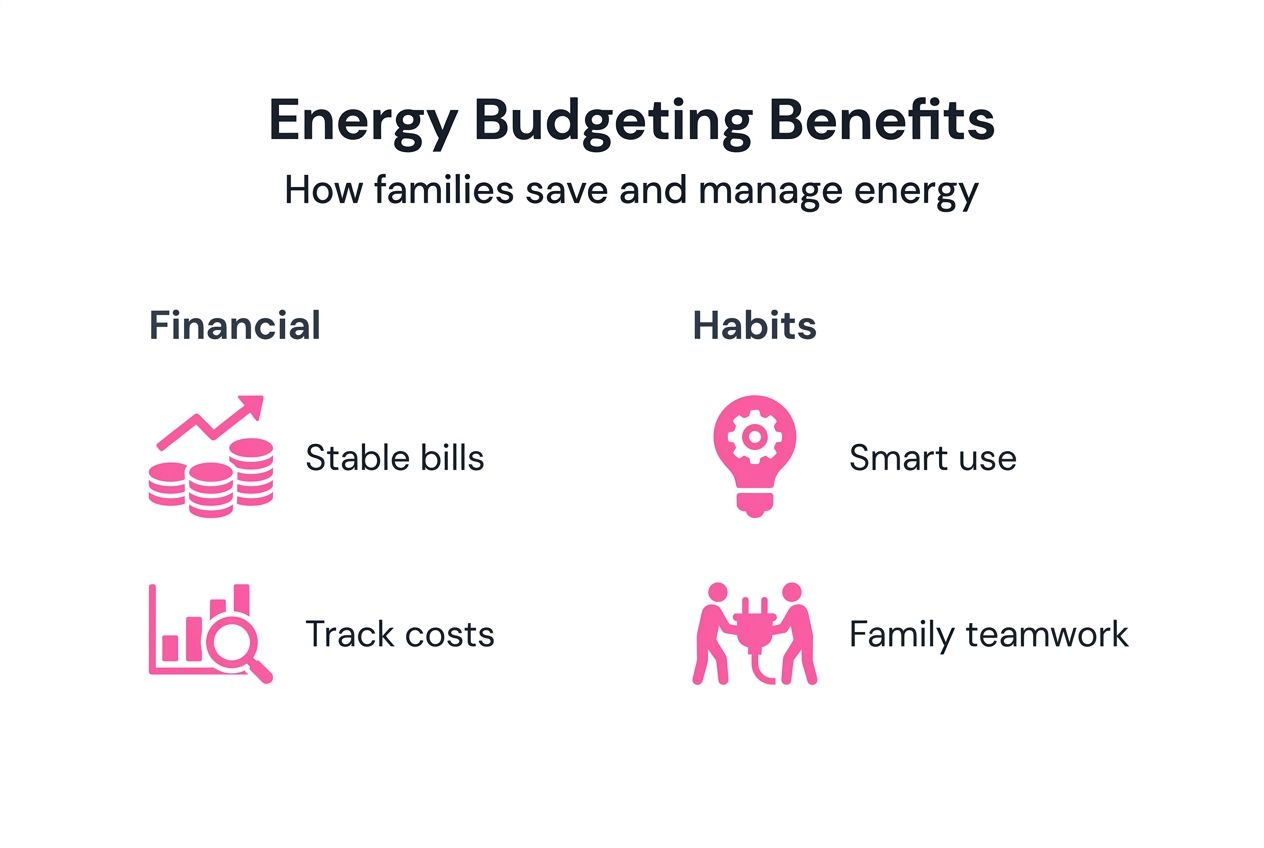
After learning how to make a budget, understanding the tangible benefits helps busy families commit to energy budgeting. Effective energy budgeting can reduce household energy bills by 10 to 30%, significantly easing monthly financial burdens for families. That savings can mean an extra $15 to $75 per month for a family with a $150 average bill, which adds up to hundreds annually. These funds can go toward other family priorities like activities, savings, or debt reduction.
Tracking energy use builds awareness and encourages smarter consumption habits. When you monitor usage weekly, you quickly notice patterns like phantom loads from devices left plugged in or the impact of thermostat settings. This awareness naturally leads to small adjustments that accumulate into meaningful savings without requiring major lifestyle changes or expensive upgrades.
Energy budgeting encourages family participation and education on energy use, which fosters smarter household habits over time. Kids who learn to turn off lights and unplug chargers carry these behaviors into adulthood. Parents model financial and environmental responsibility. The shared effort strengthens family cooperation and teaches valuable life skills around resource management.
Additional benefits include:
- Reduced financial stress related to unpredictable energy costs
- Greater control over monthly household expenses
- Improved ability to plan for seasonal variations
- Environmental benefits from lower energy consumption
- Smoother and more organized household management overall
Energy budgeting supports family budgeting stability by making utility expenses more predictable and manageable. When energy costs become a known, controllable line item rather than an unpredictable variable, overall financial planning improves. Families gain confidence knowing they can respond to rate increases or unexpected usage spikes without panic. Exploring family savings hacks alongside energy budgeting multiplies financial benefits across multiple household areas.
Common misconceptions about energy budgeting
Following benefits, understanding misconceptions helps readers avoid common pitfalls that derail budgeting progress. One widespread mistake is monitoring only the monthly energy bill without tracking detailed usage patterns. Your total bill tells you what you spent but not where or why. Without category level tracking, you can’t identify which areas offer the greatest savings opportunities or whether changes you made actually worked.
Another misconception is assuming energy efficiency improvements automatically lower bills. Energy efficiency can be offset by increased usage, a phenomenon called the rebound effect. For example, installing LED bulbs reduces lighting energy by 75%, but if family members leave lights on longer because they know LEDs use less power, actual savings shrink. True budgeting success requires both efficiency upgrades and mindful consumption habits.
Many families believe the lowest bill always indicates the best energy management. However, a low bill during mild weather when heating and cooling are minimal doesn’t reflect good management, just favorable conditions. Conversely, a higher bill during extreme weather may still represent excellent management if usage stayed controlled relative to outdoor conditions. Effective budgeting accounts for seasonal factors and quality of living, not just the bottom line number.
Household energy billing is often misunderstood; many families do not track usage closely, leading to inefficient spending and missed savings opportunities. Without detailed category tracking, families can’t distinguish between necessary consumption and wasteful habits. This lack of specificity reduces budgeting effectiveness and leads to frustration when savings don’t materialize despite good intentions.
Common misconceptions include:
- Believing energy budgeting requires expensive smart home technology
- Thinking small changes don’t matter or add up
- Assuming energy budgeting means living uncomfortably or sacrificing convenience
- Expecting immediate, dramatic savings rather than gradual improvement
- Overlooking phantom loads from devices in standby mode
Realistic goal setting and detailed tracking prevent frustration and abandonment. Start with achievable targets, celebrate small wins, and adjust expectations based on your home’s unique characteristics. Understanding budgeting systems misconceptions helps families apply realistic frameworks to energy management.
Pro Tip: Track your energy budget for at least three months before judging success. Short term fluctuations from weather or schedule changes can mask genuine progress.
Practical tools and methods for energy budgeting
After clarifying misconceptions, exploring practical, user friendly tools helps readers implement energy budgeting effectively despite busy schedules. Using energy tracking tools and apps can simplify creating and maintaining an energy budget for busy households, allowing easier monitoring and quick adjustments. The right tool depends on your budget, technical comfort, and available time.
Smart meters with companion apps offer real time and automated energy use data. These devices connect to your electrical panel and track consumption continuously, sending data to your smartphone. You can see exactly when energy spikes occur, which appliances are running, and how daily habits affect usage. The downside is initial investment, typically $50 to $200, plus installation time. However, the automation suits busy parents who want detailed data without manual effort.
Utility provider dashboards provide free billing period data but may lack detail and immediacy. Most electric and gas companies now offer online portals showing daily or hourly consumption history. While not as granular as smart meters, these dashboards cost nothing and require no installation. Check your provider’s website or call customer service to activate access. This option works well if you’re willing to check weekly rather than needing real time updates.
Manual tracking with spreadsheets or notebooks offers customization but requires discipline and time. You can create a simple spreadsheet with columns for date, meter reading, cost, and notes about household activities. Weekly readings take just a few minutes and provide enough data to spot trends. Manual tracking costs nothing and lets you record qualitative observations like “house guests stayed over” that explain usage variations. The challenge is maintaining consistency over time.
| Tool Type | Cost | Detail Level | Time Required | Best For |
|---|---|---|---|---|
| Smart Meter + App | $50 to $200 | Real time, appliance level | Minimal after setup | Tech comfortable families wanting automation |
| Utility Dashboard | Free | Daily or hourly totals | 10 minutes weekly | Budget conscious families with basic tracking needs |
| Manual Spreadsheet | Free | Customizable intervals | 15 minutes weekly | Detail oriented families preferring hands on control |
Combining minimal effort monitoring with simple manual logs suits busy parents best. Use your utility dashboard for overall consumption trends and add brief weekly notes about major events affecting usage. This hybrid approach balances effort with insight, providing enough data to guide decisions without overwhelming your schedule.
Involving family members in tracking activities promotes engagement and accountability. Assign age appropriate roles like reading meters, updating spreadsheets, or checking the app. When everyone participates, energy budgeting becomes a shared family project rather than one parent’s burden. Kids especially enjoy seeing numbers change and connecting their actions to results. Learn more about tracking guide for families and explore budgeting system options that integrate multiple household management goals.
Pro Tip: Set a recurring calendar reminder for your weekly energy check in. Consistency matters more than perfection, and a simple reminder helps maintain the habit during busy weeks.
Improve your family’s time and home management
Managing energy budgets complements overall family productivity and home organization efforts. When you master tracking and controlling one household resource, those skills transfer naturally to other areas like time management, meal planning, and financial budgeting. The awareness and discipline you build through energy budgeting strengthen your ability to manage your home efficiently across multiple dimensions.
Explore family productivity hacks to save time and reduce stress in your daily routines. Simple strategies like batch cooking, command centers, and streamlined morning routines free up mental energy and create space for activities like energy monitoring without feeling overwhelmed. Effective home organization systems streamline household management efforts by reducing clutter, improving accessibility, and creating predictable routines that everyone can follow.
Budgeting systems provide structure for sustained financial and energy efficiency. A comprehensive family budgeting systems guide helps you integrate energy goals with broader household financial planning, ensuring all your resources work together toward family priorities. When energy, money, and time management align, busy parents experience less stress and greater confidence in their ability to create the organized, efficient home life they want.
Frequently asked questions about energy budgeting
What exactly is energy budgeting and why does it matter?
Energy budgeting is the practice of measuring, planning, and controlling your household’s energy consumption to manage costs and improve efficiency. It matters because most families spend hundreds monthly on utilities without knowing where energy goes or how to reduce waste, missing potential savings of 10 to 30%.
How do I start an energy budget if I have no tracking experience?
Start by collecting your last 3 to 6 months of utility bills to establish your baseline consumption and costs. Then sign up for your utility provider’s free online dashboard to access daily usage data. Set a simple goal like reducing usage by 10% and check your dashboard weekly to monitor progress.
Do I need expensive smart home technology to budget energy effectively?
No, expensive technology isn’t required for effective energy budgeting. Free utility dashboards combined with manual tracking in a simple spreadsheet provide enough data to identify patterns and guide improvements. Smart meters and apps add convenience but aren’t essential for busy families starting out.
How long before I see real savings from energy budgeting?
Most families notice measurable savings within 2 to 3 months of consistent tracking and habit changes. Initial savings often come from addressing easy wins like phantom loads, adjusting thermostats, and fixing energy wasting behaviors. Larger savings accumulate over 6 to 12 months as awareness deepens and efficiency improvements compound.
What if my family resists participating in energy budgeting efforts?
Frame energy budgeting as a team challenge with shared benefits rather than restrictions. Show kids and partners how saved money can fund family priorities like activities or treats. Assign age appropriate roles in tracking and celebrate small wins together. When everyone sees personal benefits and feels involved, resistance typically decreases.
Recommended
- Why Use Budgeting Systems: Complete Family Guide –
- Budgeting for Families – Creating Stability at Home –
- Understanding Productivity Tips for Parents Guide –
- Guide to the Role of Proactive Planning –
Want a little more help with this? The Resilience Reset is a four-margin audit — time, energy, money, people — plus a plan for the weeks it all falls apart.