The After-School Routine That Survives a Real Tuesday
The short answer
An after-school routine that actually holds up is four blocks of about 15 minutes each: a landing zone for bags and shoes, a decompress window before anybody asks anything of them, homework, and a wind-down that sets up tomorrow morning. The decompress window is the one most of us skip, and it is the one that decides whether homework is a conversation or a fight. On a bad day you run two blocks instead of four, and that still counts as the routine working.
Hey, y’all!
Let’s talk about 3:07 on a Tuesday afternoon.
The backpack is on the floor where it landed. One shoe is in the hall and nobody knows about the other one. Somebody is already asking what there is to eat, somebody else is asking it again from another room, and you have not put your keys down yet. In about forty minutes you are going to say the words “have you started your homework?” and the whole house is going to tighten up.
I raised four kids through that hour. I want to tell you something that took me an embarrassingly long time to work out: the 3pm crash is not a discipline problem. It is a transition problem. Everybody in that house — including you — just came off six or seven hours of holding it together somewhere else, and they all walked through the same door within about ninety seconds of each other. Of course it goes sideways.
You do not fix a transition by adding rules to it. You fix it by giving it a shape.
The four blocks
Here is the whole routine. Four blocks, about 15 minutes each, always in the same order. That is roughly an hour from the door to “we’re good,” and the order matters more than the timing does.
Block one: the landing zone
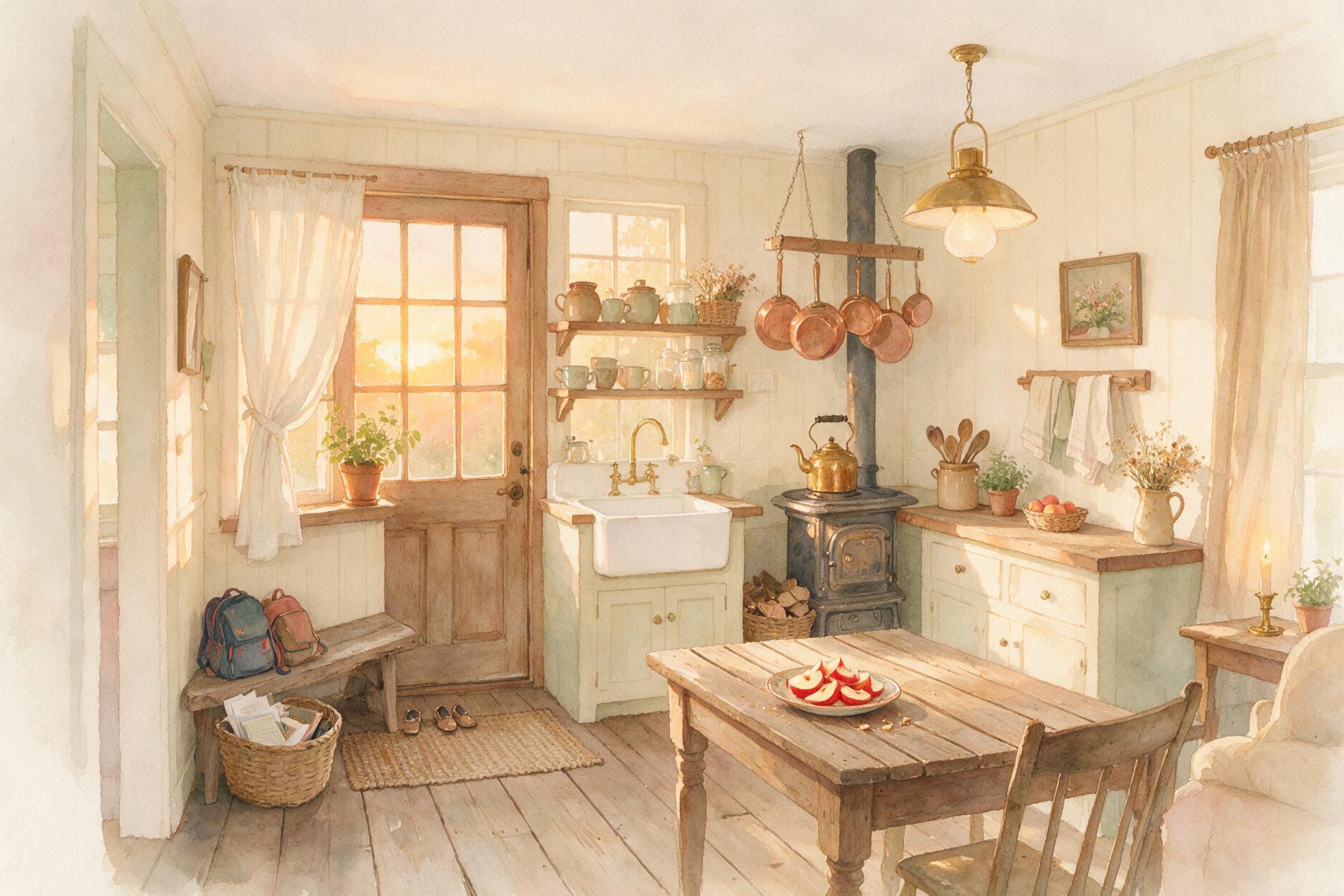
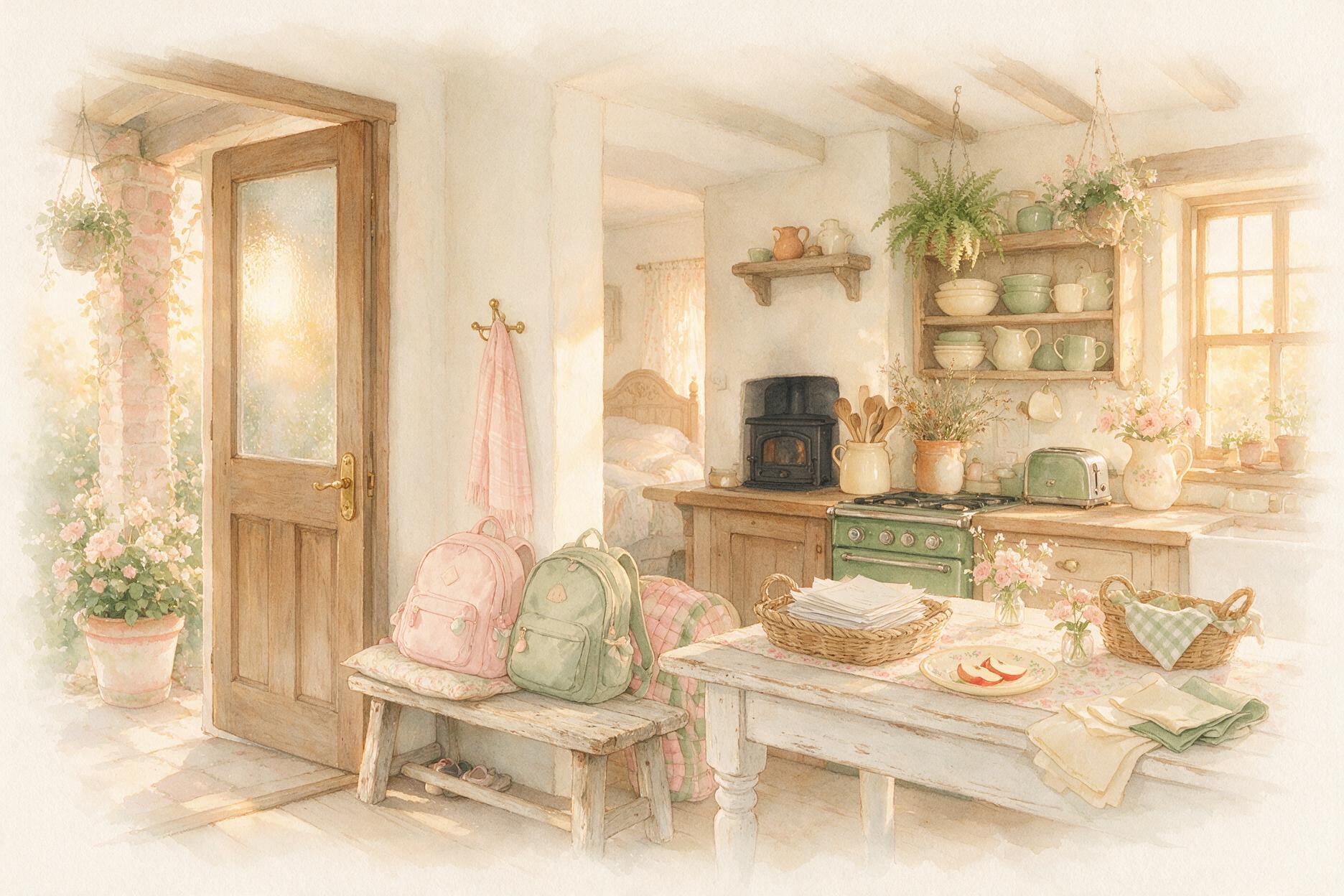
One spot by the door. Three things go in it — the backpack, the shoes, and the papers that came home. Nothing else is allowed in it, which is the part that makes it work.
The landing zone is not about tidiness. It is about ending the search. Every morning you lose to a missing shoe or an unsigned form is a morning that was decided the afternoon before. Pick the spot they already use, not the spot you wish they used. If the bags always end up in a heap by the kitchen doorway, put a basket in the kitchen doorway. You are not training them out of a habit; you are putting furniture underneath the one they have.
Papers get handled here, standing up, in about four minutes. Sign it, toss it, or put it on the calendar. Do not carry a folder of papers into the evening — that is how it becomes a Sunday-night problem.
Block two: the decompress window
Fifteen minutes where nobody asks them anything.
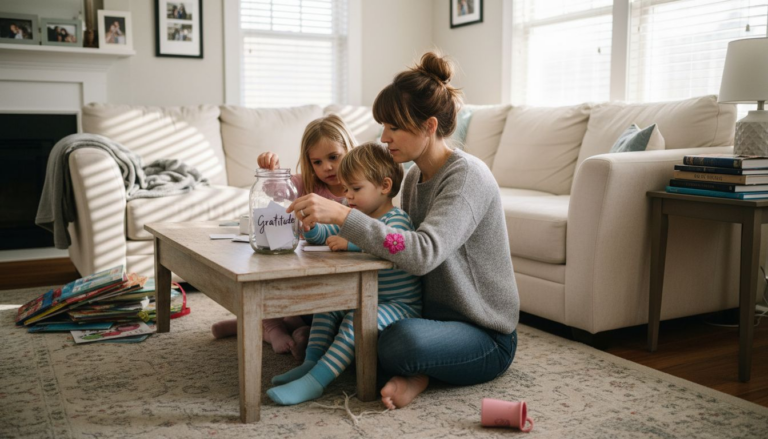
Not homework. Not “how was your day.” Not the reading log. A snack and quiet — outside if the weather allows it, on the floor with the dog if it doesn’t. If they want to talk, wonderful, let them talk. If they don’t, let them not.
I know how that sounds when you are looking at the clock and thinking about supper. Stay with me, because this is the block that pays for the other three.
Block three: homework
Fifteen minutes, at a table, with the phone somewhere else. Then a stop.
If the work takes longer than that, they take a break and run a second block. What you are protecting is the shape of it — sit down, work, stop — because a child who knows there is a stopping point will start on time. A child who believes homework is an unbounded evening will do almost anything to avoid starting it, and honestly, so would I.
You sitting nearby doing your own thing helps more than you sitting over them helps.
Block four: the wind-down
The last 15 minutes are tomorrow’s. Backpack repacked and by the door. Clothes out. Water bottle in the sink instead of found under a bed on Thursday.
This is the block everybody drops first, and it is the one with the best return, because most morning problems are evening problems wearing a different hat.
Want the four blocks on the fridge instead of in your head?
The After-School Fridge Kit is three cards you print once and tape to the fridge door — one for the landing zone, one for the decompress window, one for the wind-down. It’s free, and it lives with the rest of the free printables on the Homefire free resources page. Print it today and you can start this afternoon.
Why the decompress window is the one you cannot skip
When we skip it, we are not saving fifteen minutes. We are moving them.
A child who walks in the door and gets asked to produce something — homework, an answer, a chore — is being asked to keep performing at the exact moment their tank hit empty. What comes back is the slammed door, the “I don’t have any,” the twenty-minute negotiation over a worksheet that takes six minutes to do. You did not save the fifteen minutes. You spent them arguing, and you spent goodwill on top.
Fifteen quiet minutes with something to eat and nothing to answer for is the cheapest thing on this whole list. It is also the thing that makes block three possible.
And here is the part I wish somebody had told me: it works on you too. If you are coming in the door alongside them, take the same fifteen. The routine does not require you to be the only person in the house who is already regulated.
The same four blocks, at different ages
The blocks do not change. What changes is how much of it they run themselves.
- Early Elementary (5–7). You are doing this beside them, every day, out loud. Pictures on the cards instead of words. The homework block is closer to ten minutes of real work. Expect to re-teach the landing zone for a solid month — that is not failure, that is the age.
- Big Kids (8–10). They can run the landing zone alone once it is a habit. You are still calling the transitions. This is the age where the card starts doing the asking instead of you, which is the whole point of having a card.
- Tweens (11–12). They run all four blocks with a reminder. The homework block gets real now, so let the second block be genuinely theirs — this is the age where “decompress” starts meaning something they will protect.
- Teens (13–15). They own the shape and you own the boundary. The phone lives outside the homework block; that is the one you hold. Their landing zone may move to their room, and that is fine, as long as the papers still come to the kitchen.
- Older Teens (16+). Mostly self-run, and often shifted — a job, practice, or driving a sibling home rearranges the afternoon entirely. Keep the wind-down block and let the rest flex. At this age the routine is a habit you are handing over, not a schedule you are enforcing.
If you have a little one underfoot who is not in school yet, give them the decompress window at the same time as everybody else. The house transitions together or it doesn’t transition.
Two kids, two schedules
Almost nobody has one child arriving at one time, so here is the honest version.
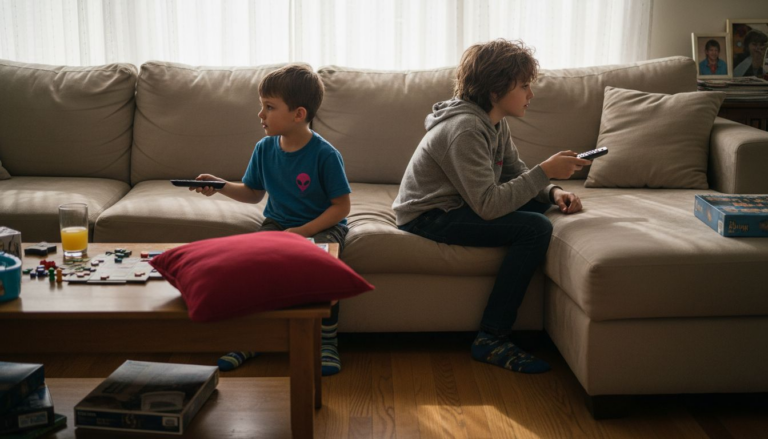
Stagger the blocks, do not stack them. The first one home starts their four blocks when they walk in. The second one starts theirs when they walk in. You are not running a single routine for the household at 3:15 — you are running the same four blocks twice, offset, and letting them overlap wherever they naturally do.
The one thing worth syncing is the homework block, if their arrivals are close enough. Two kids at the same table, both working, one timer, is meaningfully easier than two separate negotiations forty minutes apart.
And when the afternoon is genuinely broken — a practice, an appointment, a late bus — you get the wind-down block. Just that one. Bags packed, clothes out, done.
The day it all falls apart
It will. Somebody will be in tears, you will be on the phone with the insurance company, supper will not be started at 6:40.
On those days the routine is two blocks: the landing zone and the wind-down. Bags down and papers handled on the way in, bags packed and clothes out on the way to bed. Skip the middle entirely. Nobody has failed anything.
I want to be plain about that, because the reason most routines die is not that they were bad routines. It is that we ran them beautifully for nine days, missed the tenth, and quietly decided the whole thing wasn’t working. A routine that has a two-block version survives the tenth day. A routine that only exists at full strength does not.
Where to start this afternoon
Not with all four. Pick the landing zone, put something at the spot they already drop their bags, and run that one block for a week. Add the decompress window next. The other two will fall into place faster than you expect, because by then the afternoon already has a shape and they can feel it.
Fifteen minutes at a time is not a compromise. It is the whole method.
If you want the whole afternoon built for you
The Homefire After-School System is the full version of what’s on this page — the four blocks written out age by age, the staggered two-kid version, the bad-day version, and the homework and wind-down pages you can actually write on. It ships as a printable, a fill-in-on-your-computer version, and an app, all at one price.
Not ready for that? Start free. The free resources page has the Fridge Kit and a dozen other printables, and there are 10 free Homefire tools sitting right here on the site — no cost, no catch.
A few other things that live in this same hour, if you want them:
- The Screen Time Rhythm — for when the decompress window keeps turning into a two-hour screen negotiation.
- The Chore System Starter — the age-by-age version of “who does what,” so the wind-down block isn’t all on you.
- The Sunday Blueprint — the fifteen minutes on Sunday that make all five afternoons easier.
You do not have to be perfect. You just have to give the hour a shape, and then keep it in the minutes you have.
Keep tending the fire, y’all.
Want a little more help with this? The After-School System lays the whole afternoon out for you, hour by hour, so nobody has to invent it at 3:15.