7 Real-Life Examples of Time Blocking for Busy Families
Over 60 percent of American families say busy schedules make daily routines feel stressful. Juggling work, school, meals, and chores can leave everyone feeling overwhelmed before the day even begins. Building simple, time-based blocks into your family’s routine offers a reliable path to less chaos and more connection. These strategies help any American household move from frantic mornings to smoother evenings, creating space for both productivity and family fun.
Table of Contents
- Set Up A Morning Routine Block For Family Readiness
- Block Homework And Study Time After School Hours
- Dedicate Chore Time Blocks For Family Participation
- Create Focused Work-From-Home Blocks For Parents
- Schedule Family Meals And Cleanup As Daily Blocks
- Use Weekend Activity Blocks For Fun And Connection
- Reserve Evening Wind-Down Blocks For Restful Nights
Quick Summary
| Takeaway | Explanation |
|---|---|
| 1. Establish a Morning Routine | Create a morning routine to reduce chaos and set a positive tone for the day. Consistency and preparation can significantly improve family mornings. |
| 2. Block Homework Time | Designate specific time blocks for homework to enhance focus and productivity, helping children develop time management skills. |
| 3. Schedule Chore Time | Implement chore blocks to teach responsibility, teamwork, and improve household efficiency through structured participation by family members. |
| 4. Use Weekend for Connection | Plan intentional weekend activities to rebuild family connections and foster communication through shared experiences and participation. |
| 5. Create Evening Wind-Down Routines | Develop consistent evening routines to promote restful nights and smooth transitions from daytime activities to bedtime calm. |
1. Set Up a Morning Routine Block for Family Readiness
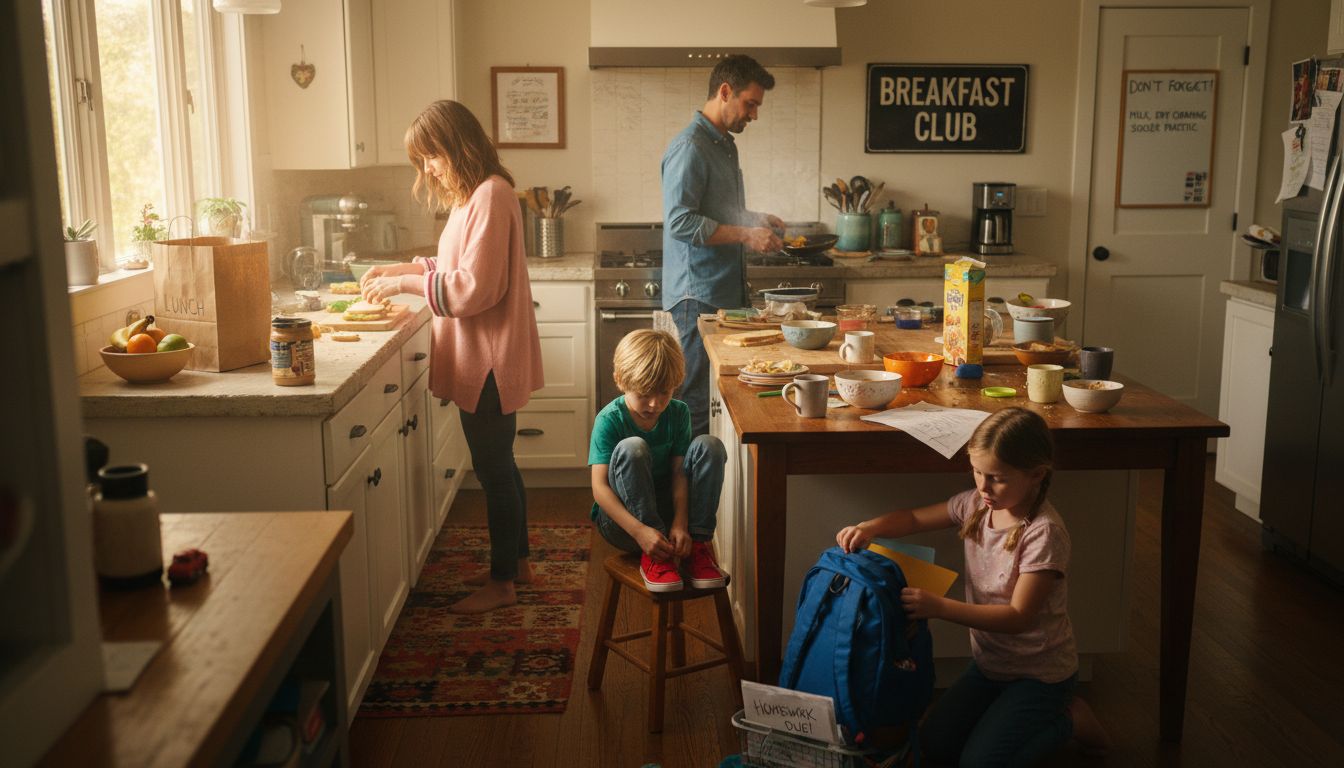
Morning chaos can quickly derail an entire day for busy families. The secret to smoother starts? A strategic morning routine block that transforms hectic moments into predictable, peaceful transitions.
Creating a consistent morning routine isn’t just about getting everyone dressed and out the door. It’s about establishing a calm, structured approach that reduces stress and sets a positive tone for the entire day. Preparing the night before by organizing clothes and supplies can dramatically simplify your family’s morning experience.
Key Elements of an Effective Morning Routine Block:
- Consistent Wake Times: Set the same wake up time for everyone, even on weekends
- Prep Station: Create a dedicated area where backpacks, lunches, and daily essentials are organized
- Visual Checklists: Design age appropriate checklists that help children understand their morning responsibilities
For younger children, make the routine feel like a game. Use sticker charts or simple reward systems that motivate them to complete their morning tasks independently. Older kids can benefit from more detailed checklists that help them manage their own preparation.
A well-designed morning routine transforms unpredictable mornings into smooth, stress free experiences. Start small, be consistent, and watch your family’s morning dynamic improve dramatically.
2. Block Homework and Study Time After School Hours
Navigating after school study time can feel like steering through a homework hurricane. The solution? A dedicated time blocking strategy that transforms chaotic study sessions into focused learning windows.
Stanford’s Center for Teaching and Learning recommends scheduling specific time slots for tasks like homework to enhance focus and productivity. By creating a structured approach, you help your children develop strong time management skills and reduce academic stress.
Creating an Effective Homework Block:
- Consistent Timing: Choose the same 60 to 90 minute block each day
- Distraction Free Zone: Designate a quiet study area without electronic devices
- Break Strategy: Include short 10 minute breaks every 30 minutes to maintain concentration
For younger students, consider sitting nearby during homework time to provide guidance and support. Older students might benefit from more independent study blocks with periodic check ins. The key is finding a rhythm that works for your specific family dynamic.
Remember that homework time is not just about completing assignments. It is an opportunity to build self discipline, time management skills, and academic confidence. Be patient and flexible as you develop a system that helps your children thrive academically.
3. Dedicate Chore Time Blocks for Family Participation
Running a household is a team sport and chore time blocks transform mundane tasks into powerful family bonding experiences. By structuring daily routines to include designated times for chores, families can enhance productivity and teach valuable life skills.
Why Chore Blocks Matter:
- Skill Building: Children learn responsibility and time management
- Shared Responsibility: Distributes household work across all family members
- Predictable Scheduling: Reduces arguments and increases household efficiency
Implementing Effective Chore Blocks:
Start by matching chores to age and ability. Younger children might handle simple tasks like putting away toys, while teenagers can manage more complex responsibilities such as laundry or kitchen cleaning. Create a visual chart that outlines each persons assigned tasks and time slots.
Delegating age appropriate chores teaches children about teamwork and personal accountability. The goal is not perfection but participation. Praise effort over flawless execution and watch your family become a well oiled machine of cooperation.
Consider making chore time fun by adding music, setting timers for friendly competitions, or offering small rewards. Remember that consistent participation matters more than spotless results.
4. Create Focused Work-from-Home Blocks for Parents
Working from home while managing family responsibilities requires strategic planning and intentional time management. Time blocking helps parents assign specific work periods to combat procrastination and maintain realistic daily schedules.
Strategic Work Block Components:
- Peak Performance Hours: Identify your most productive times
- Noise Canceling Strategies: Use headphones or quiet zones
- Clear Boundaries: Communicate work hours to family members
Implementing Effective Work Blocks:
Parents can optimize productivity by scheduling specific periods for work tasks and incorporating strategic flexibility. Consider breaking your workday into focused 90 minute blocks with short breaks between sessions. This approach helps maintain concentration and prevents burnout.
Try creating a visual schedule that everyone in the family can see. Mark your work blocks clearly and use signals like a closed door or wearing headphones to indicate when you need uninterrupted focus. Rotate childcare and work responsibilities with your partner if possible, ensuring both of you get dedicated work time.
Remember that perfection is not the goal. Some days will flow smoothly while others might feel chaotic. Flexibility and grace are your greatest allies in navigating work from home challenges.
5. Schedule Family Meals and Cleanup as Daily Blocks
Meal times are more than just eating together. They are opportunities for connection, teaching life skills, and creating family rhythms. Planning meals together as a family can significantly reduce stress and enhance family bonding.
Strategic Meal and Cleanup Blocking:
- Preparation Block: 30 minutes before meal time for cooking
- Meal Time Block: 45 minutes for eating and conversation
- Cleanup Block: 20 minutes immediately after eating
Break down your meal routine into predictable segments. Assign specific roles to each family member based on age and ability. Younger children can help set the table, while older kids might manage dishwashing or countertop cleaning.
Consider creating a rotating chore chart that makes meal cleanup feel like a team activity rather than a punishment. Play music, make it competitive, or use a timer to transform cleanup from a chore into a fun family game.
The goal is not perfection but participation. Some nights will be smoother than others. Embrace the messiness of family life and remember that these shared moments build lasting memories far beyond clean dishes.
6. Use Weekend Activity Blocks for Fun and Connection
Weekends are precious opportunities to rebuild family connections in our fast paced world. Family routines that encourage communication and cooperation can significantly strengthen family bonds.
Strategic Weekend Activity Blocking:
- Adventure Block: 2 3 hours for family outings or experiences
- Creativity Block: 90 minutes for shared projects or games
- Planning Block: 30 minutes to discuss upcoming week
Think beyond traditional activities. Some weekends might include hiking, others could involve board game tournaments or collaborative cooking experiences. The key is intentionality and full participation.
Plan activities together by involving everyone in choosing dishes and creating shared experiences. Rotate activity selection so each family member gets a chance to lead weekend planning. This approach ensures everyone feels valued and excited about family time.
Remember that connection matters more than perfection. Some activities will be magical while others might feel awkward. Embrace the journey and keep showing up for each other.
7. Reserve Evening Wind-Down Blocks for Restful Nights
Nighttime routines are the secret ingredient to peaceful family mornings and restful sleep. Preparing the night before by organizing clothes and supplies can transform your evening from chaotic to calm.
Essential Evening Wind-Down Elements:
- Preparation Block: 30 minutes for laying out next days clothes and items
- Connection Block: 20 minutes for family conversations or quiet time
- Relaxation Block: 30 minutes for winding down activities
Create a consistent routine that signals to everyone that the day is ending. This might include soft music, dim lighting, or gentle stretching. Building in connection time such as a brief hug or short conversation can help everyone feel grounded.
For younger children, develop a predictable bedtime sequence like bath, story, cuddle. Older kids might prefer quiet reading or journaling time. The goal is to create a transition that helps the entire family shift from active daytime mode to restful nighttime calm.
Remember that wind down routines are not about perfection but about creating a sense of safety and predictability. Some nights will flow smoothly while others might feel more challenging. Stay consistent and compassionate with your family.
Below is a comprehensive table summarizing the strategies for organizing family routines, focusing on morning routines, homework time, chores, work-from-home practices, family meals, weekend activities, and evening wind-downs.
| Strategy | Implementation | Expected Results |
|---|---|---|
| Morning Routine Block | Consistent wake times, prep station, visual checklists | Reduced stress, calm mornings |
| Homework Block | Consistent timing, distraction-free zone, break strategy | Enhanced focus, improved time management |
| Chore Time Blocks | Age-appropriate tasks, visual charts | Skill building, shared responsibility |
| Work-from-Home Blocks | Identify peak hours, noise-canceling, clear boundaries | Increased productivity, balanced work-life |
| Family Meals & Cleanup | Preparation, meal time, cleanup roles | Family bonding, life skill teaching |
| Weekend Activity Blocks | Adventure and creativity time, planning | Strengthened family bonds |
| Evening Wind-Down Blocks | Preparation, connection, relaxation | Restful nights, peaceful mornings |
Master Time Blocking for Your Busy Family Today
Struggling to create calm mornings or carve out focused work time at home The article breaks down how dedicated time blocks for routines, homework, chores, and meals can ease stress and boost productivity. Key challenges include managing family chaos, building strong habits, and balancing work with parenting. You want simple, effective strategies that bring peace and structure to your hectic household.
Discover proven organization hacks and home management systems that align perfectly with these time blocking techniques at Its A Southern Life Yall. Our practical tips and tools help you create peaceful spaces and streamline family life one block at a time. Start transforming your daily routines now with resources that make balance possible. Visit Its A Southern Life Yall to unlock productivity secrets and nurture a calmer, happier home today.
Frequently Asked Questions
How can I create a consistent morning routine block for my family?
Creating a consistent morning routine block involves setting the same wake-up time for everyone and preparing the night before. Start by designating a prep station for organizing daily essentials and using visual checklists to support your children with their morning responsibilities.
What is an effective way to block homework and study time after school?
An effective way to block homework and study time is to schedule a consistent 60 to 90-minute block each day in a distraction-free zone. Implement short breaks to maintain focus and check in periodically to support your children’s study habits.
How do I implement chore time blocks for my family?
Implement chore time blocks by matching tasks to the age and ability of each family member and creating a visual chore chart. Make chore time a shared and enjoyable experience, where everyone participates, to instill responsibility and teamwork.
What should I consider when creating work-from-home blocks as a parent?
When creating work-from-home blocks, identify your peak performance hours and set boundaries with your family. Schedule specific periods for focused work and communicate your work hours clearly so everyone understands when you need uninterrupted time.
How can we make family meal and cleanup time more efficient?
To make family meal and cleanup time more efficient, break these activities into clear blocks, such as preparation, mealtime, and cleanup. Assign roles and engage everyone in the process to foster teamwork, and implement fun elements like music or competitions to keep it enjoyable.
What are some weekend activity blocking ideas to strengthen family connections?
Weekend activity blocking ideas include scheduling adventure blocks for outings, creativity blocks for shared projects, and planning blocks for discussing the upcoming week. Rotate which family member picks the activities to ensure everyone feels included and engaged.
Recommended
- Time Blocking Guide for Parents – It’s a Southern Life Ya’ll
- 7 Time Management Tips for Families to Balance Life – It’s a Southern Life Ya’ll
- Top Time Management Tools – Expert Comparison 2025 – It’s a Southern Life Ya’ll
- Comment limiter les écrans : Guide pratique pour les mamans – The Zoofamily
- 7 Essential Productivity Apps for Businesses to Boost Efficiency – Projector Display
Want a little more help with this? The Sunday Blueprint is where the blocks get decided — fifteen minutes on Sunday, and the week has a shape.