Family Organization Hacks for Balanced Living
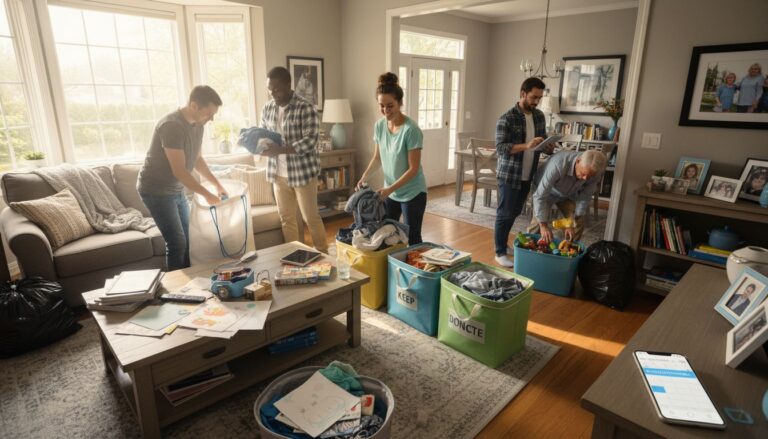
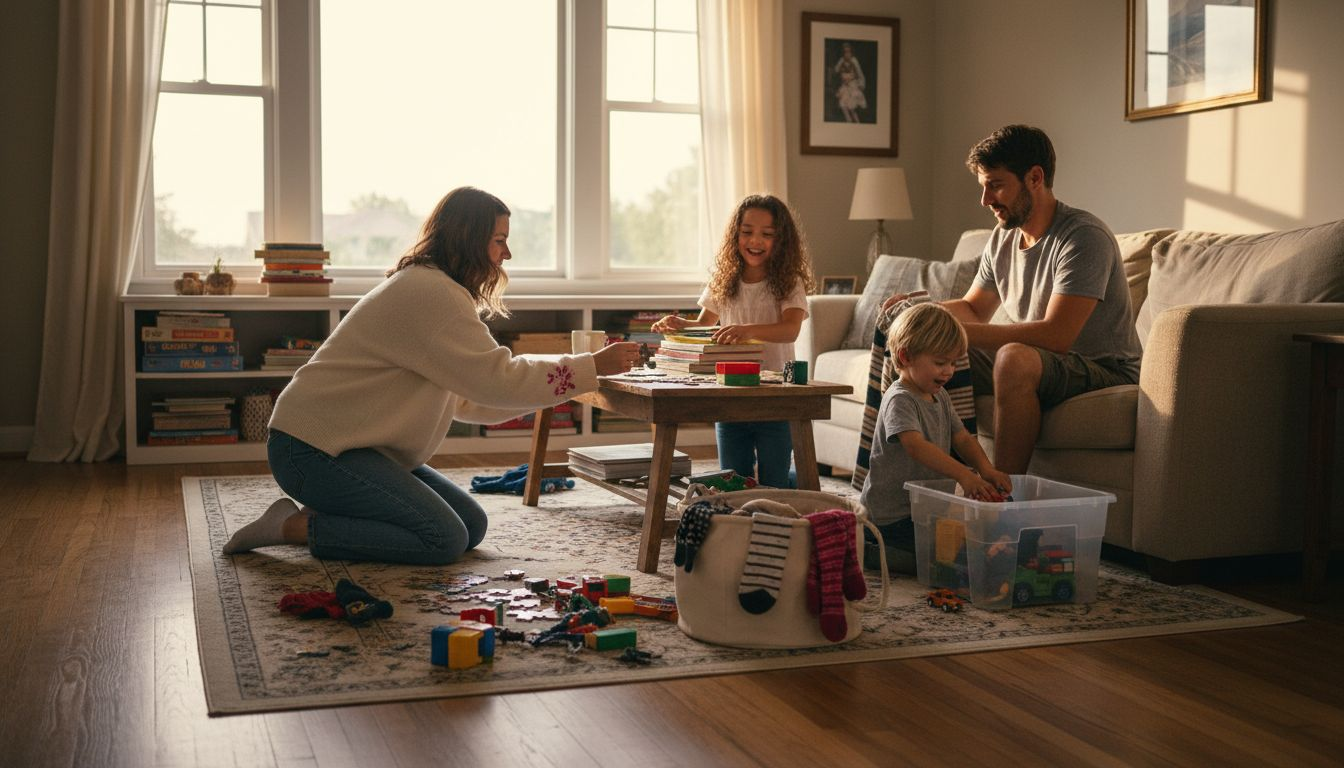
More than 60 percent of American families now juggle two or more income sources, multiplying daily demands for organization and time management. For busy parents in North America, especially working mothers, family life is no longer about following routines from past generations. Effective family organization means blending modern strategies and practical systems that work for every household. Discover fresh, actionable solutions designed to help you reclaim time, reduce stress, and build stronger connections at home.
Table of Contents
- What Family Organization Involves Today
- Major Family Organization Methods And Tools
- Core Features Of Successful Family Systems
- Parent Roles And Responsibilities In Organization
- Financial And Time Risks Families Face
- Common Pitfalls And Alternatives To Avoid
Key Takeaways
| Point | Details |
|---|---|
| Diverse Family Structures Require Flexibility | Family organization must adapt to various structures such as nuclear, single-parent, blended, and extended families, each needing tailored approaches for support and integration. |
| Collaboration Enhances Family Dynamics | Successful family organization relies on open communication, shared responsibilities, and mutual respect, fostering an environment where each member feels valued. |
| Adaptability is Key to Success | Families face complex challenges that necessitate flexible responses, allowing them to navigate transitions and conflicts effectively. |
| Strategic Tools Promote Efficiency | Implementing digital platforms and structured methods enables families to coordinate schedules and responsibilities, enhancing overall organization and harmony. |
What Family Organization Involves Today
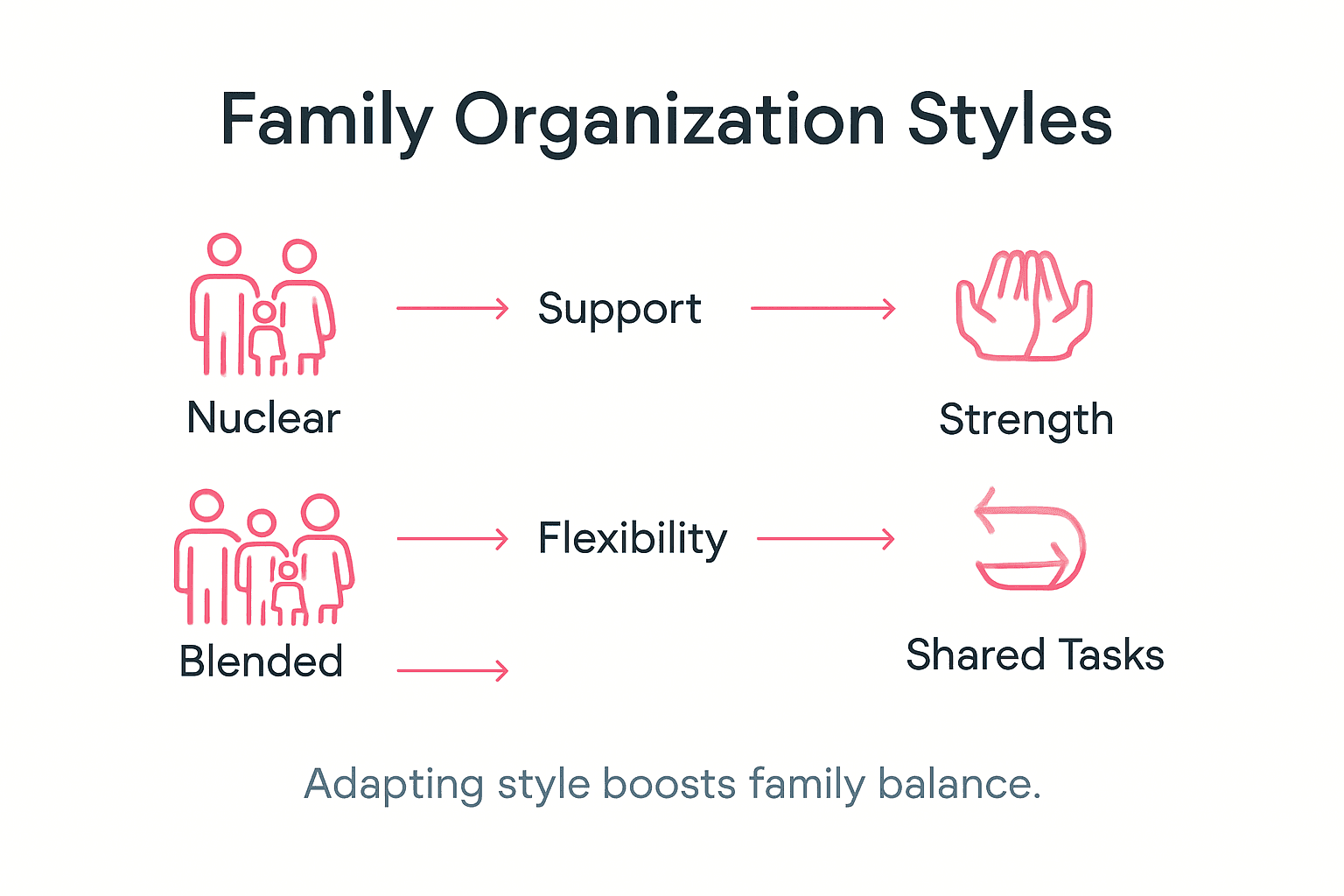
Family organization in North America has undergone significant transformation, reflecting complex societal shifts and evolving dynamics. Today, it encompasses far more than traditional household management – it’s about creating intentional systems that support individual and collective family wellbeing. Contemporary family structures now include diverse arrangements like nuclear families, single-parent households, blended families, and extended kinship networks.
Modern family organization requires strategic approaches that balance individual needs with collective goals. This means developing flexible communication systems, shared responsibilities, and adaptive strategies that recognize each family member’s unique contributions. Whether managing schedules, financial planning, emotional support, or household tasks, successful family organization demands collaboration, mutual respect, and intentional design.
Today’s families are navigating unprecedented complexity, balancing work, education, personal growth, and family commitments. The organizational approach has shifted from rigid hierarchical models to more fluid, participatory frameworks where everyone contributes and feels valued. Legal and social changes have expanded our understanding of family, emphasizing emotional connections and mutual support over traditional structural constraints.
Here’s how common family structures in North America differ in their organization needs:
| Family Structure | Key Organizational Challenge | Typical Strength |
|---|---|---|
| Nuclear Family | Balancing work and caregiving | Efficient schedule management |
| Single-Parent Family | Managing time constraints | Strong role flexibility |
| Blended Family | Integrating routines across members | Diverse perspectives |
| Extended Family | Coordinating multigenerational needs | Mutual support network |
Pro tip: Create a shared digital family calendar that allows each member to input their schedules, commitments, and personal goals, promoting transparency and collective planning.
Major Family Organization Methods and Tools
Modern family organization relies on strategic methods that integrate proven psychological principles with practical tools. Systems thinking approaches emphasize understanding family dynamics as interconnected networks where each member’s actions impact the entire system. This means moving beyond traditional top-down management to create collaborative frameworks that recognize individual contributions and collective goals.
Effective family organization tools typically involve multiple integrated strategies. These include establishing clear communication channels, developing shared calendars, creating responsibility matrices, and implementing routine-based management systems. Digital platforms and shared applications have become critical in helping families coordinate schedules, track tasks, allocate household responsibilities, and maintain transparent, real-time communication.
Organizational psychology principles suggest that successful family systems require structured yet flexible approaches. This involves defining clear roles, setting mutual expectations, creating adaptable routines, and maintaining open dialogue. Key methods include weekly family meetings, distributed task management, collective goal-setting, and regular check-ins that allow for ongoing adjustment and mutual support.
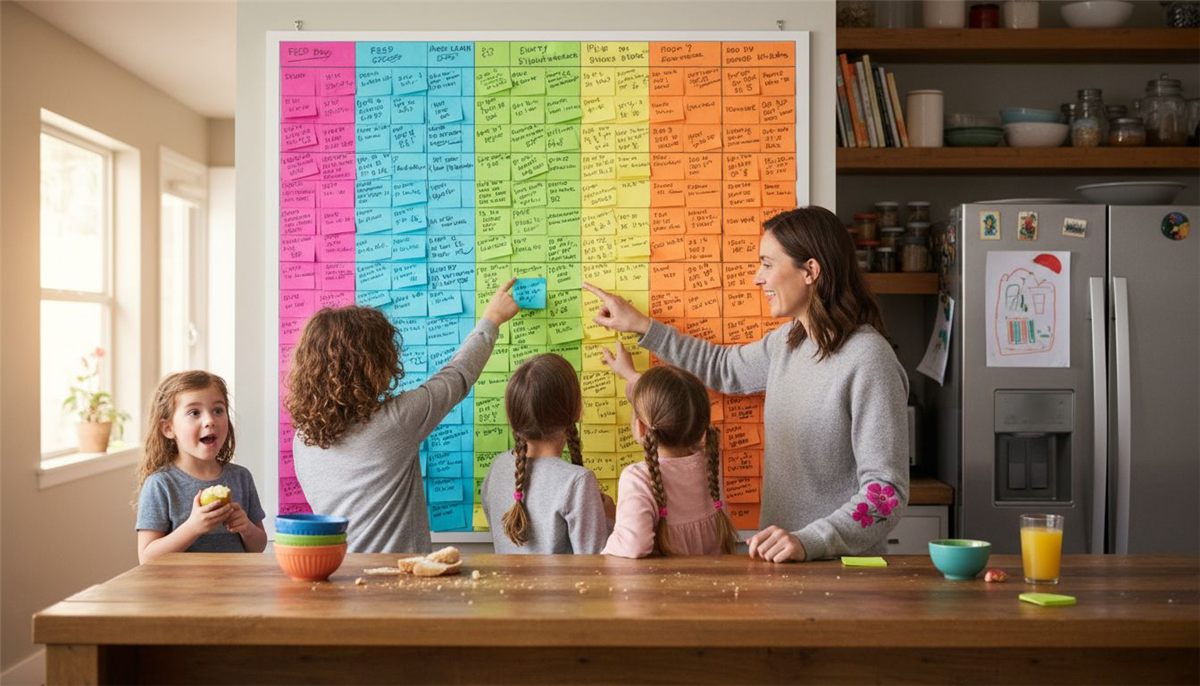
Pro tip: Implement a color-coded family organization board that visually tracks individual and collective responsibilities, making task management transparent and engaging for all family members.
Core Features of Successful Family Systems
Family systems theory reveals that successful families operate as dynamic, interconnected networks where each member plays a crucial role in maintaining overall system health. These systems are characterized by predictable interaction patterns, clear boundaries, and the ability to adapt to changing internal and external challenges. Unlike rigid organizational structures, successful family systems create flexible environments that support individual growth while maintaining strong collective bonds.
The core features of thriving family systems center on several critical dimensions. Emotional bonding emerges as a fundamental element, where family members create deep connections that transcend daily interactions. This involves developing trust, showing consistent emotional support, and creating safe spaces for vulnerability. Communication stands as another vital component, requiring active listening, open dialogue, and the ability to discuss both positive experiences and challenging topics with genuine respect and empathy.
Systematic research highlights that successful families excel in mutual support and shared decision-making. This means moving beyond traditional hierarchical models to create collaborative environments where each member’s perspective is valued. Adaptability becomes key – families must develop strategies to navigate life transitions, manage conflicts constructively, and maintain cohesion during stressful periods. Healthy families recognize that individual growth and collective unity are not mutually exclusive but deeply interconnected.
This table summarizes core features of successful family systems and their benefits:
| Core Feature | Description | Family Benefit |
|---|---|---|
| Emotional Bonding | Fostering trust and support | Enhanced resilience |
| Clear Communication | Open, active listening and dialogue | Reduced misunderstandings |
| Adaptability | Flexible response to changes | Easier conflict management |
| Shared Decision-Making | Collective input on choices | Higher member engagement |
Pro tip: Schedule monthly family reflection meetings where each member can share personal goals, discuss challenges, and collaboratively develop strategies for supporting one another’s individual and collective growth.
Parent Roles and Responsibilities in Organization
Parenting tasks and organizational responsibilities extend far beyond traditional caretaking, representing a complex system of emotional support, resource management, and strategic family coordination. Parents serve as primary architects of family structure, creating environments that balance individual needs with collective well-being. This involves establishing consistent routines, managing household logistics, and providing both physical and emotional infrastructure that supports each family member’s growth and development.
The instrumental and affective dimensions of parental responsibilities require nuanced, intentional approaches. Instrumental responsibilities include practical tasks like financial management, meal planning, scheduling, and maintaining physical spaces. Affective responsibilities involve emotional labor – creating safe emotional environments, providing psychological support, resolving conflicts, and nurturing individual and collective family relationships. Successful parents recognize these roles are interconnected, requiring constant communication, flexibility, and mutual respect.
Family role alignment emphasizes the importance of shared organizational duties. This means moving beyond traditional hierarchical models where parents solely dictate terms, instead creating collaborative frameworks where children are gradually integrated into decision-making processes. Parents become facilitators of growth, teaching organizational skills, emotional intelligence, and personal responsibility through consistent modeling and age-appropriate involvement in family management.
Pro tip: Create a family organizational manual that outlines shared responsibilities, expectations, and communication protocols, allowing each member to understand their role in maintaining family harmony.
Financial and Time Risks Families Face
Financial pressures facing North American families have become increasingly complex, creating multifaceted challenges that extend beyond simple monetary constraints. Modern families navigate a landscape of economic uncertainty characterized by rising living costs, unpredictable job markets, and escalating expenses for essential needs like childcare, education, and healthcare. These financial stressors create intricate webs of complexity that impact not just economic stability, but also family dynamics, emotional well-being, and long-term life trajectories.
The interconnected nature of financial and time risks means that economic strain directly influences family organization and individual stress levels. Resource limitations often force families into reactive management modes, where parents must constantly juggle work responsibilities, childcare, household maintenance, and personal development. This constant balancing act can lead to increased psychological pressure, reduced quality of family interactions, and potential long-term emotional and professional setbacks for all family members.
Family financial strain research reveals that economic challenges significantly reduce parents’ capacity to engage meaningfully with their children and maintain stable home environments. These pressures can create cascading effects where financial stress diminishes parental involvement, potentially impacting children’s educational outcomes, emotional development, and future economic mobility. Critically, families must develop adaptive strategies that build financial resilience while protecting emotional connections and individual potential.
Pro tip: Implement a monthly family financial review meeting where all members discuss budget challenges, share financial goals, and collaboratively brainstorm creative solutions to reduce economic stress.
Common Pitfalls and Alternatives to Avoid
Family organization strategies often fail due to fundamental structural weaknesses that undermine long-term effectiveness. Many families inadvertently create organizational systems built on assumptions, informal expectations, and unspoken rules that gradually erode communication and collective functionality. These implicit frameworks lead to misunderstandings, uneven responsibility distribution, and increasing frustration among family members who feel their contributions or perspectives are not genuinely valued.
Common organizational pitfalls emerge when families adopt rigid, hierarchical models that do not adapt to changing dynamics. Inflexible communication patterns can create barriers where younger family members feel disempowered, and parents struggle to maintain meaningful connections. These systems typically lack clear accountability mechanisms, making it difficult to redistribute responsibilities or address emerging challenges collaboratively. The most destructive patterns involve blame-oriented approaches that focus on individual failures rather than collective problem-solving.
Systematic research on family organizational models reveals that successful alternatives require continuous evaluation and intentional design. This means developing dynamic systems that prioritize transparent communication, shared decision-making, and regular reassessment of roles and expectations. Effective families create frameworks that allow for individual growth while maintaining strong collective bonds, recognizing that organizational methods must evolve alongside the family’s changing needs and individual member’s developmental stages.
Pro tip: Conduct quarterly family system reviews where all members can openly discuss what’s working, what’s not, and collaboratively redesign organizational strategies to meet evolving family dynamics.
Master Family Organization with Proven Strategies for Balanced Living
Struggling to keep up with the complex demands of modern family organization can be overwhelming. This article highlights key challenges like balancing work and caregiving, managing time constraints, and fostering clear communication while adapting to changing family dynamics. If you feel weighed down by financial pressures, unclear roles, or fragmented schedules the good news is that effective solutions are within reach.
Discover practical hacks and simple living strategies tailored for busy families at It’s a Southern Life Y’all. From creating shared calendars to managing household responsibilities and budgeting wisely our resources empower you to build a peaceful and well-organized home. Don’t wait to turn these insights into action. Visit It’s a Southern Life Y’all and start transforming your family life today with expert tips that support emotional bonding, clear communication, and adaptability for your unique family system.
Frequently Asked Questions
What are some effective family organization methods?
Modern family organization methods include establishing clear communication channels, using shared calendars, creating responsibility matrices, and implementing routine-based management systems. These strategies help families manage tasks and schedules collaboratively.
How can I improve communication within my family?
Improving family communication can be achieved through regular family meetings, active listening practices, and encouraging open dialogue. It’s important to create safe spaces for each member to express their thoughts and feelings.
What tools can help with family scheduling and task management?
Digital platforms and shared applications are crucial for family scheduling and task management. Tools like shared digital calendars and color-coded organization boards can enhance transparency and engagement among family members.
How can parents balance their roles and responsibilities effectively?
Parents can balance their roles by defining clear responsibilities, promoting shared decision-making, and involving children in household tasks. This fosters a collaborative atmosphere and teaches organizational skills and personal responsibility.
Recommended
- 7 Family-Friendly Examples of Productivity Hacks That Work – It’s a Southern Life Ya’ll
- 7 Time Management Tips for Families to Balance Life – It’s a Southern Life Ya’ll
- 7 Effective Types of Home Organization Systems – It’s a Southern Life Ya’ll
- 20 Time-Tested Family Hacks to Break the Paycheck-to-Paycheck Cycle (Strategies That Actually Work with Kids) – It’s a Southern Life Ya’ll
- Streamline Your Inventory Management Workflow for Growth | Reddog Consulting Group
Want these hacks in one place? The Room-by-Room Reset gathers them into a room-by-room plan so you are not hunting for the next step.