How to Plan Family Activities for Memorable Fun
Planning family activities can feel overwhelming, especially when everyone’s interests pull in different directions. Even with busy schedules, families who set aside just 5-10 percent of their income for shared experiences report dramatically higher satisfaction and emotional connection. The real surprise is that you do not need a huge budget or perfectly matching hobbies to make these moments unforgettable and fun for everyone.
The short answer: Ask everybody what they actually want to do, then set a budget and find the open dates before you pick the activity. Doing it in that order is what keeps plans from falling apart later. And it does not take a big budget — the shared time matters far more than what it costs.
Table of Contents
- Step 1: Identify Family Interests And Preferences
- Step 2: Set A Budget And Determine Availability
- Step 3: Research And Select Activities
- Step 4: Plan The Logistics And Schedule
- Step 5: Communicate And Confirm With Family Members
- Step 6: Execute The Plan And Enjoy The Activities
Quick Summary
| Key Point | Explanation |
|---|---|
| 1. Identify individual family interests | Host a casual family meeting to uncover each member’s unique preferences and excitement triggers for activities. |
| 2. Budget for family fun effectively | Allocate 5-10% of disposable income for activities, considering free community events for cost-effective fun. |
| 3. Research diverse activities together | Engage all family members in gathering activity ideas from various community sources, balancing enjoyment and individual preferences. |
| 4. Plan logistics meticulously | Create detailed checklists for activities, assign roles, and coordinate schedules to ensure smooth execution and readiness. |
| 5. Reflect on experiences afterwards | After each activity, discuss favorite moments and surprises, and document the experiences to enhance family bonding. |
Step 1: Identify Family Interests and Preferences
Successful family activities start with understanding what each family member genuinely enjoys. The foundation of memorable fun lies in recognizing that every individual has unique interests, preferences, and excitement triggers. Discovering these requires intentional communication and a collaborative approach.
Creating an Interest Mapping Session
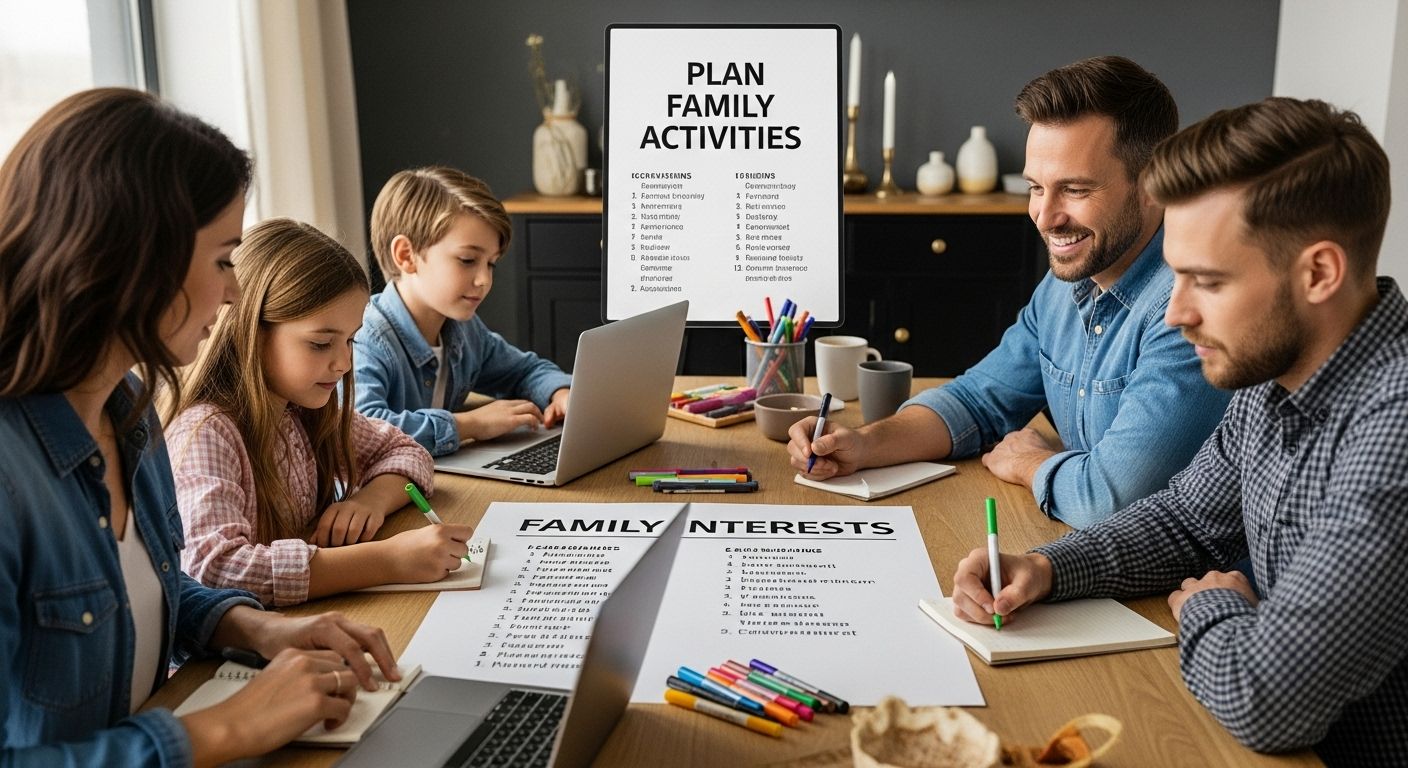
Begin by scheduling a dedicated family meeting where everyone can share their preferences openly. This isn’t a formal interrogation but a relaxed conversation where each person feels comfortable expressing their interests. Parents should model openness by sharing their own desires first, which encourages children to participate more freely.
During this discussion, ask specific questions that reveal deeper interests. Instead of generic queries like “What do you want to do?”, try more targeted approaches such as “What activities make you feel excited and energized?” or “When was the last time you had real fun as a family?” These questions help uncover nuanced preferences beyond surface level responses.
Practical Interest Assessment Techniques
Consider creating a simple visual interest tracker. Use a large poster or digital spreadsheet where family members can list activities they enjoy. Break these into categories like outdoor adventures, creative pursuits, learning experiences, and relaxation activities. Encourage everyone to contribute, highlighting that no interest is too small or unconventional.
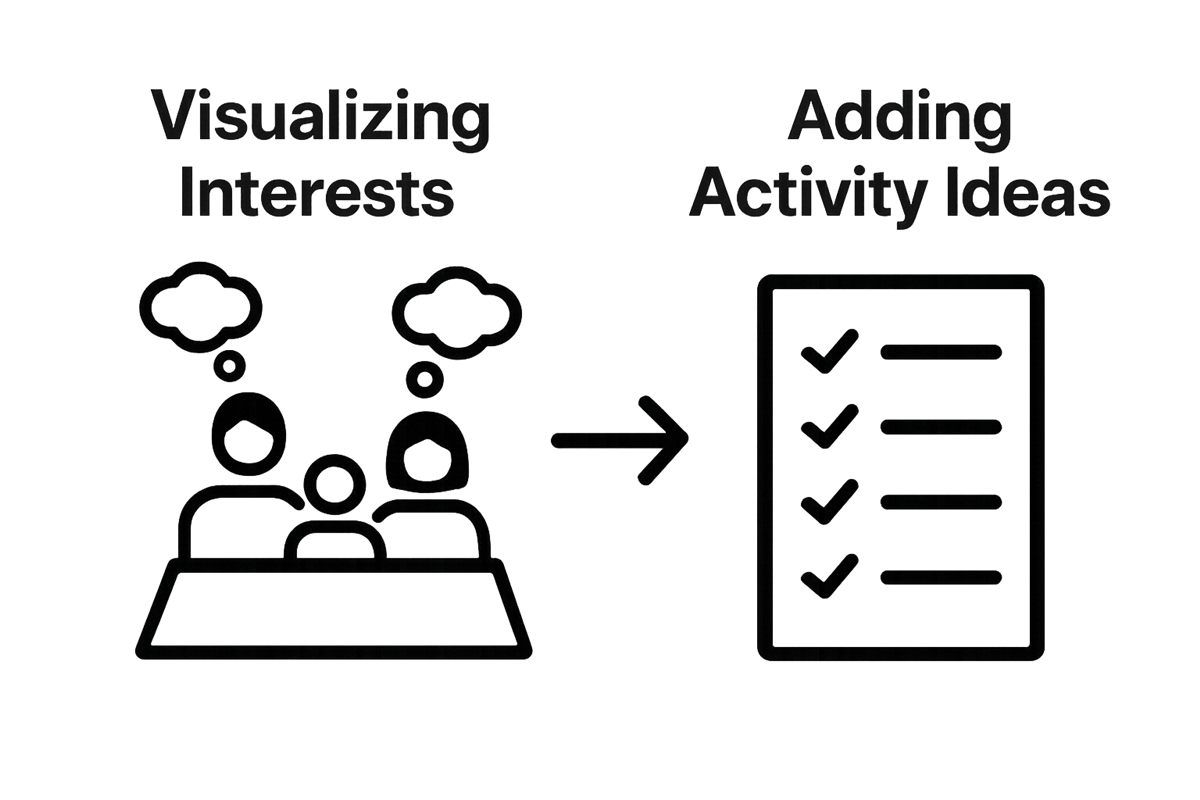
According to research from ResearchGate, systematically assessing individual family members’ leisure interests significantly correlates with positive emotional outcomes and higher family satisfaction. By investing time in understanding each person’s preferences, you create a foundation for activities that genuinely engage and delight everyone.
Remember that this process isn’t about finding perfect unanimity but discovering meaningful overlap and opportunities for shared experiences. Some family members might have wildly different interests, and that’s perfectly okay. The goal is finding creative ways to incorporate elements that spark joy for each person, ensuring everyone feels valued and excited about upcoming family activities.
Step 2: Set a Budget and Determine Availability
Budgeting and scheduling are critical components of planning family activities that transform good intentions into actual experiences. This step involves creating a realistic financial framework and synchronizing everyone’s complex schedules to make memorable moments possible.
Financial Planning for Family Fun
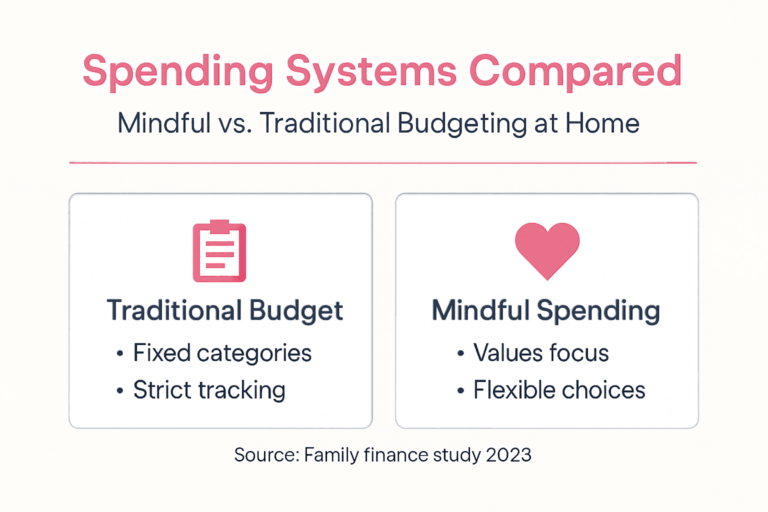
Budget planning requires honesty and transparency about your financial constraints. Start by reviewing your current monthly expenses and discretionary income. Allocate a specific percentage of your disposable income toward family activities, typically between 5-10%. This approach ensures you’re investing in shared experiences without creating financial stress. Consider using a cash envelope budget system to help track and manage these funds more effectively.
When establishing your activity budget, think creatively about cost management. Free community events, local parks, hiking trails, and public museums can offer incredible experiences without significant expense. Some families rotate between paid and free activities to maintain financial balance. The goal isn’t spending money but creating meaningful connections.

Navigating Family Schedule Challenges
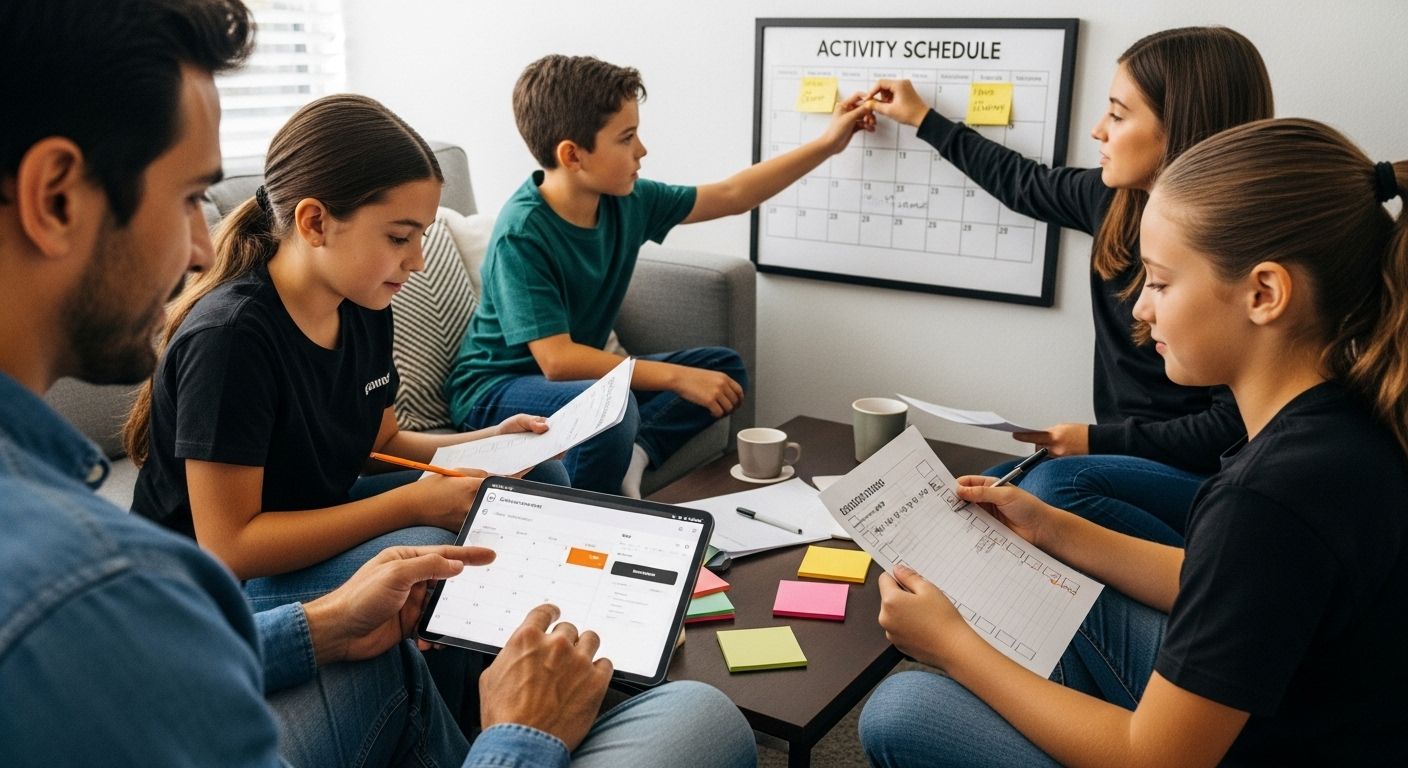
Schedule coordination represents the most complex aspect of family activity planning. Modern families juggle work commitments, school schedules, extracurricular activities, and personal obligations. Create a centralized family calendar where everyone can view and contribute their availability. Digital tools like shared Google Calendars or specialized family scheduling apps can simplify this process.
According to research published in Family Dynamics Journal, successful family activity planning requires a collaborative approach that respects individual schedules while prioritizing collective experiences. Block out potential activity windows at least one month in advance, allowing flexibility for unexpected changes.
Recommend scheduling a monthly family planning session where everyone reviews the upcoming month’s potential activities. This meeting allows collective decision making, ensures everyone feels heard, and builds anticipation for upcoming shared experiences. By treating schedule coordination as a collaborative effort, you transform logistical planning into an engaging family ritual.
Step 3: Research and Select Activities
Researching and selecting family activities transforms abstract interests into concrete plans. This crucial step bridges the gap between wishful thinking and actual experiences, turning family preferences into actionable adventures that create lasting memories.
Exploring Activity Discovery Strategies
Start your research by leveraging multiple information sources. Local community centers, libraries, parks and recreation websites, and municipal event calendars offer treasure troves of potential activities. Digital platforms like Eventbrite, Meetup, and Facebook Events can reveal unique local experiences that might otherwise go unnoticed. Pay special attention to seasonal events, festivals, workshops, and community gatherings that align with your family’s identified interests.
Consider creating a collaborative digital mood board or shared document where family members can contribute activity ideas. This approach transforms research from a solitary task into an engaging family project. Encourage everyone to propose options, share links, and discuss potential experiences. Some family members might discover activities others hadn’t considered, expanding your collective imagination.
Balancing Variety and Individual Preferences
Strategic activity selection requires a delicate balance between group enjoyment and individual satisfaction. Aim to rotate activity types, ensuring no single family member consistently compromises their interests. If one activity caters more to a child’s preferences, the next should align with a parent’s or another sibling’s interests.
According to research from the Mississippi State University Extension Service, meaningful family leisure activities do not require significant financial investment. Focus on experiences that promote interaction, communication, and shared enjoyment rather than expensive or elaborate outings.
Create a preliminary activity shortlist with estimated costs, time requirements, and potential dates. Discuss this list during your family planning session, allowing everyone to provide input, ask questions, and express excitement. The goal is building anticipation and collective investment in upcoming family experiences. By involving everyone in the selection process, you transform activity planning from a logistical task into an enjoyable family ritual that strengthens bonds and creates excitement.
Step 4: Plan the Logistics and Schedule
Logistical planning transforms exciting ideas into realistic family experiences. This critical step involves converting your selected activities into actionable plans with precise details that ensure smooth execution and minimize potential stress or last minute complications.
Comprehensive Activity Preparation
Detailed planning is the difference between a chaotic outing and a memorable adventure. Start by creating a comprehensive checklist for each planned activity. This checklist should include transportation requirements, necessary equipment or supplies, appropriate clothing, potential weather considerations, and estimated time commitments. For outdoor activities, consider backup plans in case of unexpected changes. Digital planning tools like shared spreadsheets or specialized family planning apps can help track these intricate details efficiently.
Consider creating a family activity preparation kit that can be quickly assembled based on your planned experiences. This might include a basic first aid kit, extra snacks, water bottles, portable chargers, and versatile clothing layers. Having a pre-packed kit reduces last minute scrambling and ensures you’re prepared for various scenarios.
Scheduling and Coordination Strategies
Successful logistics require military precision combined with family flexibility. Block out specific times for activity preparation, travel, and the actual experience itself. Factor in buffer times for unexpected delays, bathroom breaks, and potential spontaneous moments. Assign specific responsibilities to family members, such as packing specific items, managing navigation, or being in charge of documentation through photos or videos.
Communication becomes paramount during the logistics phase. Hold a family meeting where everyone reviews the detailed plan, understands their role, and can ask questions. This collaborative approach ensures everyone feels invested and prepared. Digital shared calendars can help everyone stay synchronized and receive real time updates about the upcoming family activity.
According to research from the United Nations Office on Drugs and Crime, structured family activities that involve collective planning and participation significantly enhance family communication and strengthen interpersonal bonds. By involving every family member in logistics planning, you’re not just organizing an event but building anticipation and connection.
Step 5: Communicate and Confirm with Family Members
Effective communication transforms carefully crafted plans into shared family experiences. This step is about ensuring everyone understands the activity details, feels excited, and is fully prepared for the upcoming adventure. Clear, inclusive communication prevents misunderstandings and builds collective anticipation.

Creating Transparent Communication Channels
Family communication requires more than simply announcing plans. Choose multiple communication methods to accommodate different family members’ preferences and communication styles. Some might prefer text messages, while others respond better to family group chats, shared digital calendars, or even old fashioned posted notes in common areas. Create a communication cascade that ensures no family member feels left out or uninformed.
Schedule a dedicated family meeting where you walk through the activity details together. This meeting isn’t about lecturing but creating an interactive discussion. Encourage questions, address potential concerns, and allow each family member to express their expectations and excitement. Visual aids like printed itineraries, maps, or digital presentations can help make the information more engaging and memorable.
Confirmation and Expectation Management
Confirmation goes beyond verbal agreement. Develop a simple tracking system where each family member acknowledges their understanding and commitment to the planned activity. This might involve digital check ins, initialing a family activity chart, or using a shared online confirmation tool. Implement a buddy system where family members are responsible for checking in with each other, ensuring everyone is on the same page and feels supported.
Prepare for potential last minute changes by establishing clear communication protocols. Discuss backup plans, individual comfort levels, and potential opt out scenarios that respect each family member’s needs while maintaining the overall group experience. Flexibility and empathy are key to successful family activity planning.
According to research from the United Nations Office on Drugs and Crime, structured family activities that involve open communication significantly enhance family bonding and mutual understanding. By treating this communication step as an opportunity for connection rather than a logistical requirement, you transform planning into an engaging family ritual.
Step 6: Execute the Plan and Enjoy the Activities
Execution transforms meticulously crafted plans into living memories. This final step is about embracing spontaneity while maintaining the structured framework you’ve carefully developed. The goal isn’t perfection but genuine connection and shared joy.

Flexibility and Adaptive Enjoyment
Real family experiences rarely follow a script exactly. Approach your planned activity with a mindset of adaptability and openness. If unexpected opportunities arise or initial plans need modification, view these moments as potential highlights rather than disruptions. Children might discover an interesting side path during a hike, or a spontaneous street performance might capture everyone’s attention more than the original itinerary.
Encourage active participation from every family member during the activity. This means putting away digital devices, engaging directly with each other, and creating space for individual and collective enjoyment. Take turns leading segments of the activity, allowing different family members to share their perspectives and interests. Document the experience through photographs or short video clips, but be mindful not to let documentation overshadow actual participation.
Capturing and Reflecting on the Experience
Immediate post activity reflection can transform a simple outing into a meaningful family ritual. Schedule a brief discussion immediately after the activity where everyone shares their favorite moments, surprising discoveries, and personal highlights. This practice not only celebrates the current experience but also builds anticipation for future family adventures.
Create a simple tradition of recording these experiences. This could be a family journal, a digital photo album, or a shared online space where memories are collected. Involve children in selecting and organizing these memories, making them active participants in preserving family history.
According to research from PubMed, structured family activities with intentional planning significantly increase engagement and create more meaningful shared experiences. By maintaining a balance between structured preparation and spontaneous joy, you’re not just planning an activity but crafting lasting family memories that will be cherished for years to come.
Ready to Turn Family Activity Planning into Stress-Free Fun?
Do you find yourself overwhelmed by juggling everyone’s interests, managing budgets, and organizing schedules just to bring your family together? This article shows how creating memorable family moments requires intentional planning, clear communication, and adaptable logistics. If the process still feels complicated or takes up too much of your time, you’re not alone. Many families want to enjoy activities without the hassle of endless preparation and organization.
Let your next family adventure be truly joyful by streamlining your planning with expert solutions.
Here, you’ll discover practical resources that help you create a peaceful, organized home and life. Explore our proven organization hacks and home management systems to simplify your family calendar, save money with an easy cash envelope budget system, and master simple routines that free up time for more fun together. Find tools that support your family’s journey to more meaningful shared experiences. Start making every family moment memorable and stress-free—take your next step today.
Recommended
- 20 Time-Tested Family Hacks to Break the Paycheck-to-Paycheck Cycle (Strategies That Actually Work with Kids)
- Cool Crafts for Kids to Make at Home
- How to Use Inspirational Quotes to Build Stronger Family Values
- How to Host an Amazing Family Party for 30 People Without Breaking Your Budget
Want a little more help with this? I made a free Mental Load Kit that pairs right up with this post — y’all can grab it over on my Free Resources page.