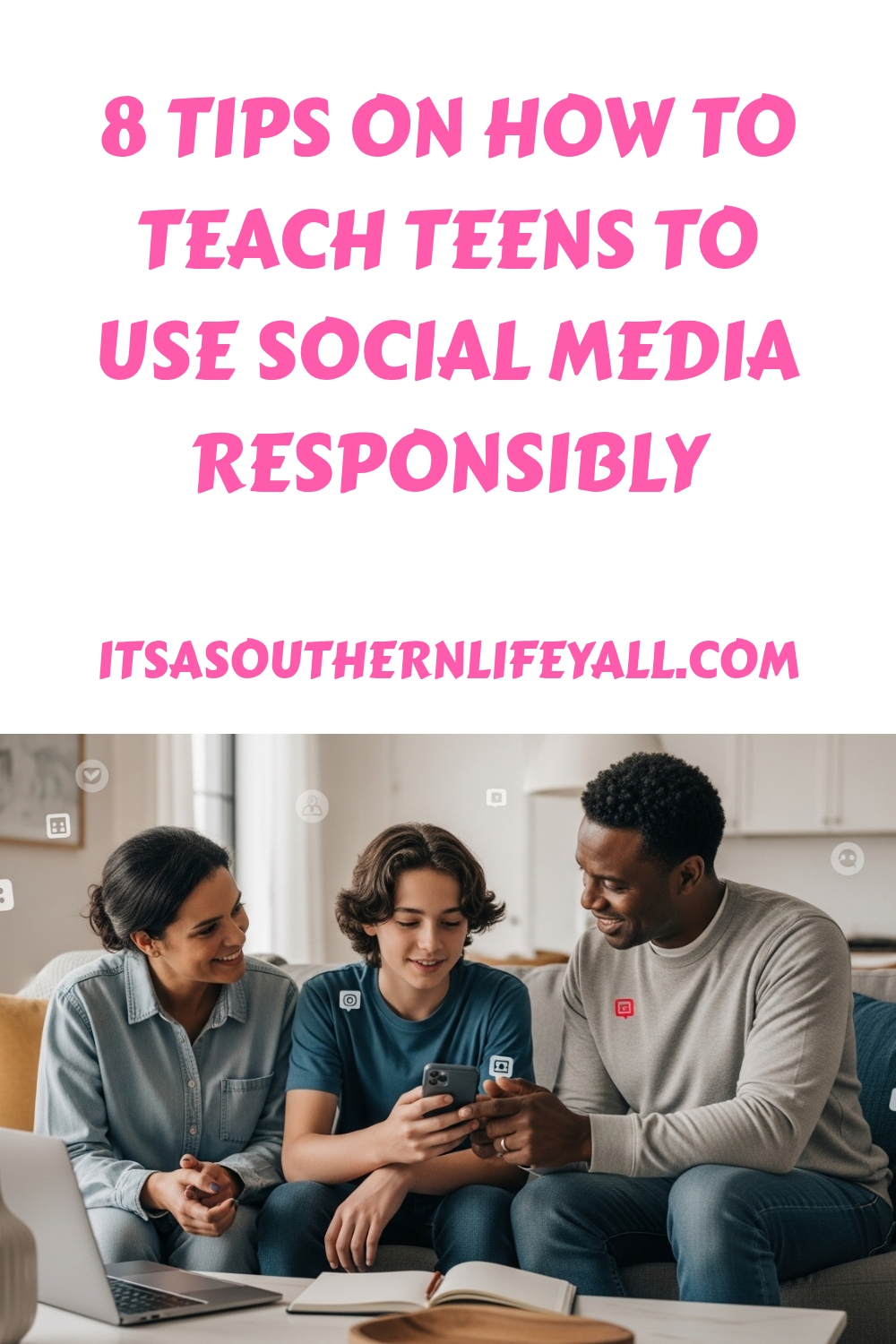

8 Tips on How to Teach Teens to use Social Media Responsibly
Teens spend an average of seven hours a day on digital platforms, connecting, sharing, and scrolling. That sounds like a lot, right? Surprisingly, the biggest risk is not just screen time but what teens actually do in those hours. The true challenge is helping them build positive habits and critical thinking for a digital world that changes every day.
Quick Summary
| Takeaway | Explanation |
|---|---|
| Start open conversations about social media | Foster honest dialogue to help teens navigate online experiences safely. |
| Set clear expectations for usage | Develop family guidelines collaboratively to ensure understanding and compliance. |
| Educate on privacy and security | Teach teens to configure privacy settings and understand online risks effectively. |
| Discuss the impact of online actions | Help teens recognize the long-term consequences of their digital interactions. |
| Promote positive online interactions | Encourage kindness and empathy in social media engagement to build a supportive community. |
1: Start with Open Conversations About Social Media
Teaching teens to use social media responsibly begins with something fundamental yet powerful: honest communication. As a parent or guardian, your approach to discussing social media can make a significant difference in how your teen navigates digital platforms.
Open dialogue is crucial because teens are more likely to listen and engage when they feel respected and understood. Instead of lecturing, create a safe space where your teen feels comfortable sharing their online experiences. Ask about the platforms they use, who they interact with, and what they enjoy about social media.
Key topics to discuss during these conversations include:
- Personal privacy and digital safety
- Understanding the permanence of online content
- Recognizing potential online risks
- Emotional impact of social media interactions
According to Common Sense Media, adolescents spend an average of seven hours daily on digital platforms. This statistic underscores the importance of proactive and consistent communication about responsible social media use.
Remember that judgment-free conversations are essential. Your goal is to guide, not criticize. Share your own experiences, discuss real-world examples of both positive and negative social media interactions, and help your teen develop critical thinking skills about their online presence.
By establishing trust and maintaining an ongoing dialogue, you create an environment where your teen feels supported in making smart, responsible choices in their digital interactions.
2: Set Clear Expectations and Guidelines
Establishing clear social media guidelines is essential for helping teens navigate the digital world safely. Think of these guidelines like traffic rules: they provide structure, protect users, and create a framework for responsible behavior.
Start by developing a family agreement that outlines specific expectations about social media use. This document should be collaborative, allowing your teen to provide input and feel ownership over the rules. By involving them in the process, you increase the likelihood of compliance and understanding.
Key guidelines to consider establishing include:
- Time limits for daily social media usage
- Privacy settings and acceptable friend/follower practices
- Types of content that should never be shared online
- Consequences for breaking agreed-upon rules
Pew Research Center reports that 95% of teens have access to smartphones, making digital boundaries more crucial than ever. Consistent enforcement of these guidelines is just as important as creating them.
Consider implementing technology tools that can help monitor and manage social media access. Parental control apps and built-in device settings can provide additional layers of protection. However, these should complement, not replace, open communication and trust.
Remember that guidelines are not about restricting freedom but about teaching responsible digital citizenship. Regularly review and update these expectations as your teen grows and technology evolves. Flexibility and ongoing dialogue will help maintain a positive, supportive approach to social media management.
3: Educate About Privacy Settings and Security
Privacy and security are critical components of responsible social media use. Teens need practical knowledge about protecting their digital identity and understanding the potential risks associated with online sharing.
Helping your teen become privacy-savvy involves more than just telling them what not to do. It requires hands-on guidance about configuring social media account settings and understanding the broader implications of their digital footprint.
Critical privacy protection strategies include:
- Limiting personal information visibility
- Using strong, unique passwords
- Understanding location sharing risks
- Recognizing potential friend request scams
Norton Research indicates that over 60% of teens do not fully understand how their personal information can be misused online. This statistic highlights the urgent need for comprehensive digital security education.
Encourage your teen to regularly audit their social media accounts. This means periodically reviewing friend lists, checking privacy settings, and removing outdated or unnecessary personal information. Show them how to use platform-specific privacy controls that limit who can see their posts, contact them, or access their profile details.
Teach them about digital permanence – reminding them that online content can potentially exist forever. Screenshots, saved images, and cached web pages mean that even deleted content might remain accessible. Helping them understand this concept can motivate more thoughtful online behavior and decision-making.

4: Discuss the Impact of Online Actions
Teens often struggle to understand the long-term consequences of their digital interactions. Unlike offline conversations, social media posts can have far-reaching and potentially permanent implications for their personal and professional futures.
Digital reputation management is a critical skill that goes beyond simply avoiding inappropriate content. It involves understanding how online actions can impact future opportunities, relationships, and personal brand.
Key considerations for teens about online actions include:
- Potential impact on college admissions
- Future employment opportunities
- Personal and professional relationships
- Mental health and emotional well-being
Common Sense Media reports that 50% of teens feel social media negatively impacts their self-esteem, highlighting the significant emotional risks associated with online interactions.
Help your teen understand that every digital interaction leaves a trace. Employers, college admissions officers, and scholarship committees increasingly review social media profiles as part of their screening process. Encourage them to think critically about their posts, asking themselves: “Would I be comfortable with my grandparents, teachers, or future employer seeing this?”
Role-play scenarios can be an effective way to help teens recognize potential consequences. Discuss real-world examples of how impulsive online actions have led to significant personal and professional setbacks. The goal is not to scare them but to empower thoughtful decision-making in their digital interactions.
5: Encourage Critical Thinking and Fact-Checking
Digital literacy is more than understanding technology – it’s about developing the ability to think critically about online information. In an era of rapid information sharing, teens need robust skills to distinguish between credible sources and misinformation.
Teaching critical thinking involves helping teens become skeptical yet curious consumers of digital content. They should learn to question information rather than accepting everything they see at face value.
Key strategies for developing digital critical thinking include:
- Checking multiple sources before believing a claim
- Understanding potential bias in online content
- Recognizing emotional manipulation tactics
- Verifying information before sharing
Media Literacy Now reports that only 33% of teens can consistently distinguish between reliable and unreliable news sources. This statistic underscores the urgent need for comprehensive digital information evaluation skills.
Encourage your teen to develop a healthy skepticism about viral content. Teach them practical fact-checking techniques like cross-referencing information, examining source credibility, and looking for primary sources. Show them reputable fact-checking websites and discuss how misinformation can spread quickly through social media platforms.
Role-playing exercises can be an excellent way to practice these skills. Create scenarios where they must evaluate the credibility of different online claims, helping them develop a more nuanced understanding of digital information consumption.

6: Model Responsible Social Media Use
Children learn by observation, and social media habits are no exception. Parents and guardians play a crucial role in demonstrating healthy digital behaviors through their own online interactions. Your personal approach to social media becomes a powerful, unspoken lesson for your teen.
Teens are remarkably perceptive about parental technology use. They notice when parents are constantly scrolling, sharing personal information, or becoming emotionally reactive to online content. Mindful digital behavior is about showing, not just telling.
Key areas to demonstrate responsible social media use include:
- Maintaining healthy screen time boundaries
- Protecting personal privacy
- Engaging respectfully in online discussions
- Balancing digital and real-world interactions
Psychology Today research indicates that teenagers whose parents model balanced technology use are more likely to develop healthier digital habits themselves.
Be transparent about your own social media challenges and learning experiences. Share stories about times you’ve made mistakes online or chosen not to engage with negative content. This approach humanizes digital learning and creates an environment of mutual understanding.
Consider implementing family-wide digital wellness practices. These might include device-free meals, shared screen-time limits, or periodic digital detox periods. Consistency is key – your actions will speak louder than any lecture about responsible social media use.
7: Promote Positive Online Interactions
Digital empathy is a critical skill that transforms how teens engage with others online. Social media platforms can be complex environments where communication often lacks the nuanced context of face-to-face interactions. Teaching teens to approach online interactions with kindness and respect is essential.
Positive online interactions are about more than just avoiding negativity. They involve actively creating supportive digital spaces where meaningful connections can flourish.
Essential principles for constructive online communication include:
- Treating others with respect
- Thinking before posting or commenting
- Recognizing the human behind the screen
- Supporting and uplifting peers
Cyberbullying Research Center reports that approximately 37% of young people between 12 and 17 have been bullied online, highlighting the urgent need for positive interaction strategies.
Encourage your teen to be a digital community builder. This means creating content that adds value, supports others, and contributes positively to online conversations. Discuss how seemingly small actions like offering genuine compliments, sharing educational content, or standing up against online harassment can make a significant difference.
Role-play different online scenarios to help them practice responding to challenging situations with empathy and maturity. Help them understand that their digital footprint is a reflection of their character, and every interaction is an opportunity to demonstrate kindness and emotional intelligence.
8: Regularly Review and Adjust Usage Together
Social media is constantly evolving, and so should your family’s approach to digital interactions. Regular conversations and collaborative reviews help maintain healthy online habits and adapt to changing technological landscapes.
Think of social media usage review as an ongoing dialogue, not a one-time lecture. Teens appreciate being treated as partners in managing their digital experiences rather than feeling controlled or monitored.
Key elements to discuss during periodic social media usage reviews include:
- Current platform usage and time spent online
- Recent positive and challenging digital experiences
- Changes in privacy settings or platform features
- Emerging online trends and potential risks
Pew Research Center research indicates that technology and social media platforms change rapidly, with teens being the first to adopt new digital trends.
Flexibility is crucial in these reviews. Be prepared to adjust guidelines based on your teen’s growing maturity and demonstrated responsibility. Create a safe space where they can openly share their digital experiences without fear of judgment or immediate punishment.
Consider scheduling quarterly family digital wellness check-ins. These sessions can help track progress, address emerging concerns, and reinforce the collaborative approach to responsible social media use. Remember, the goal is not strict control but empowering your teen to make informed, thoughtful decisions in their digital interactions.
Below is a comprehensive table summarizing the essential tips and strategies for teaching teens responsible social media use as discussed in the article.
| Tip/Strategy | Key Actions & Benefits |
|---|---|
| Open Communication | Foster honest, judgment-free dialogues; create trust so teens feel supported sharing online experiences. |
| Set Clear Expectations & Guidelines | Co-create family rules on usage, time limits, privacy, and content sharing; consistently enforce them. |
| Educate on Privacy & Security | Teach privacy settings, strong passwords, and risks; encourage regular account audits and digital caution. |
| Discuss Impact of Online Actions | Emphasize digital reputation, long-term consequences for college/jobs, and mental health effects. |
| Encourage Critical Thinking & Fact-Checking | Develop digital literacy by practicing information verification, questioning sources, and spotting bias. |
| Model Responsible Social Media Use | Demonstrate balanced, respectful, and mindful digital habits as an example for your teen to follow. |
| Promote Positive Online Interactions | Instill digital empathy, kindness, and support to build constructive online communities and reduce harm. |
| Regularly Review & Adjust Usage Together | Engage in ongoing family reviews; adapt guidelines as platforms and your teen evolve and mature. |
Bring Balance to Your Digital and Home Life
Struggling to guide your teen through social media while trying to keep the rest of your life organized? You are not alone. The challenges of teaching responsible social media use can add stress to an already busy home. Finding time for honest conversations, adjusting screen time guidelines, and helping your teen develop digital literacy skills sometimes feels overwhelming. The emotional impact of digital life can also disrupt your home’s sense of peace and productivity.
Let us help you achieve calm and balance. Our proven home organization tips, family management systems, and time-saving hacks are designed for busy households like yours. Imagine having more breathing room to connect with your teen and lead by example after using our simple living solutions. Take the first step toward an efficient lifestyle that supports healthy habits online and off. Start building your most peaceful home today by exploring our expert guides at It’s a Southern Life Y’all.

Frequently Asked Questions
How can I start conversations with my teen about social media use?
Start by creating an open dialogue where your teen feels comfortable sharing their experiences. Ask them about the platforms they use and who they interact with, emphasizing personal privacy and safety.
What specific guidelines should I set for my teen’s social media use?
Establish clear family guidelines that include daily time limits, privacy settings, acceptable content to share, and consequences for breaking rules. Involve your teen in this process to foster understanding and compliance.
How can I help my teen understand the importance of online privacy?
Educate your teen on privacy settings by guiding them through configuring account settings and explaining the risks associated with sharing personal information online. Encourage regular audits of their social media accounts for privacy checks.
Why is it important for teens to think before they post online?
Teens should understand that their online actions can have long-term implications, affecting future opportunities like college admissions and employment. Encouraging thoughtful posting helps them manage their digital reputation effectively.
Recommended
- Teaching Kids About Money: Southern Values & Practical Tips That Actually Stick –
- How to Use Inspirational Quotes to Build Stronger Family Values –
- Life Lessons I Want My Daughters to Know –
Want a little more help with this? I made a free Age-by-Age Chore Chart that pairs right up with this post — y’all can grab it over on my Free Resources page.