Kitchen organization checklist for busy parents
Busy parents juggle endless tasks, and a cluttered kitchen can turn meal prep into a stressful marathon. When countertops overflow with mismatched containers, pantry shelves hide expired ingredients, and fridge items get lost in the back, cooking becomes frustrating instead of efficient. An organized kitchen transforms daily routines, cutting prep time, reducing food waste, and creating a calm space where families thrive. This checklist delivers practical, evidence-backed strategies tailored to busy households seeking streamlined meal prep and stress-free cooking.
Table of Contents
- Criteria For An Effective Kitchen Organization Checklist
- Organizing Your Pantry For Stress-Free Meal Prep
- Optimizing Fridge And Freezer Organization To Reduce Waste
- Creating Kitchen Zones To Boost Meal Prep Efficiency And Reduce Stress
- Discover Family-Friendly Productivity And Organization Solutions
- What Is The Best Way To Start Organizing A Cluttered Kitchen?
- How Can I Keep Food Fresher Longer In My Pantry And Fridge?
- How Do I Get My Family To Help Maintain Kitchen Organization?
- What’s The Most Effective Kitchen Zone Setup For Busy Parents?
Key takeaways
| Point | Details |
|---|---|
| Waste reduction | Organized kitchens reduce food waste up to 20% and speed meal prep by 15%. |
| Smart storage | Clear containers and grouping like items improve pantry visibility and inventory tracking. |
| Kitchen zoning | Organizing by family routines reduces meal prep time by 20-30%. |
| Freshness systems | FIFO rotation and airtight containers maintain freshness and minimize spoilage. |
| Countertop clarity | Minimal countertop storage enhances workspace efficiency and reduces visual clutter. |
Criteria for an effective kitchen organization checklist
Successful kitchen organization isn’t about Pinterest-perfect shelves or color-coded labels. It’s about creating systems that are simple, sustainable, and easily followed by every family member, from toddlers grabbing snacks to teens making sandwiches. Generic organizing advice fails because it ignores your unique routines, cooking habits, and family dynamics.
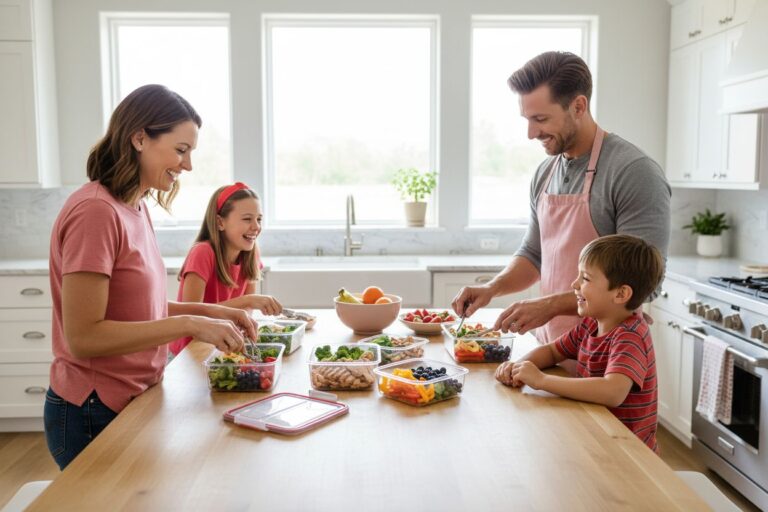
Focus on organization zones that match your daily workflow instead of copying magazine layouts. If you bake weekly, dedicate a zone with flour, sugar, measuring cups, and mixing bowls within arm’s reach. If breakfast is chaotic, create a cereal and breakfast station kids can access independently. Understanding different types of home organization systems helps you choose what fits your lifestyle.
Accessibility drives efficiency. Store frequently used items at eye level and within easy reach. Heavy pots belong in lower cabinets near the stove, while daily spices should sit near your prep area. Reducing clutter eliminates decision fatigue and speeds up cooking.
Smart storage solutions transform chaos into calm. Clear containers let you spot inventory at a glance, preventing duplicate purchases. FIFO rotation ensures older items get used first, cutting waste. Labeling helps everyone return items to their proper spots, maintaining order without constant nagging.
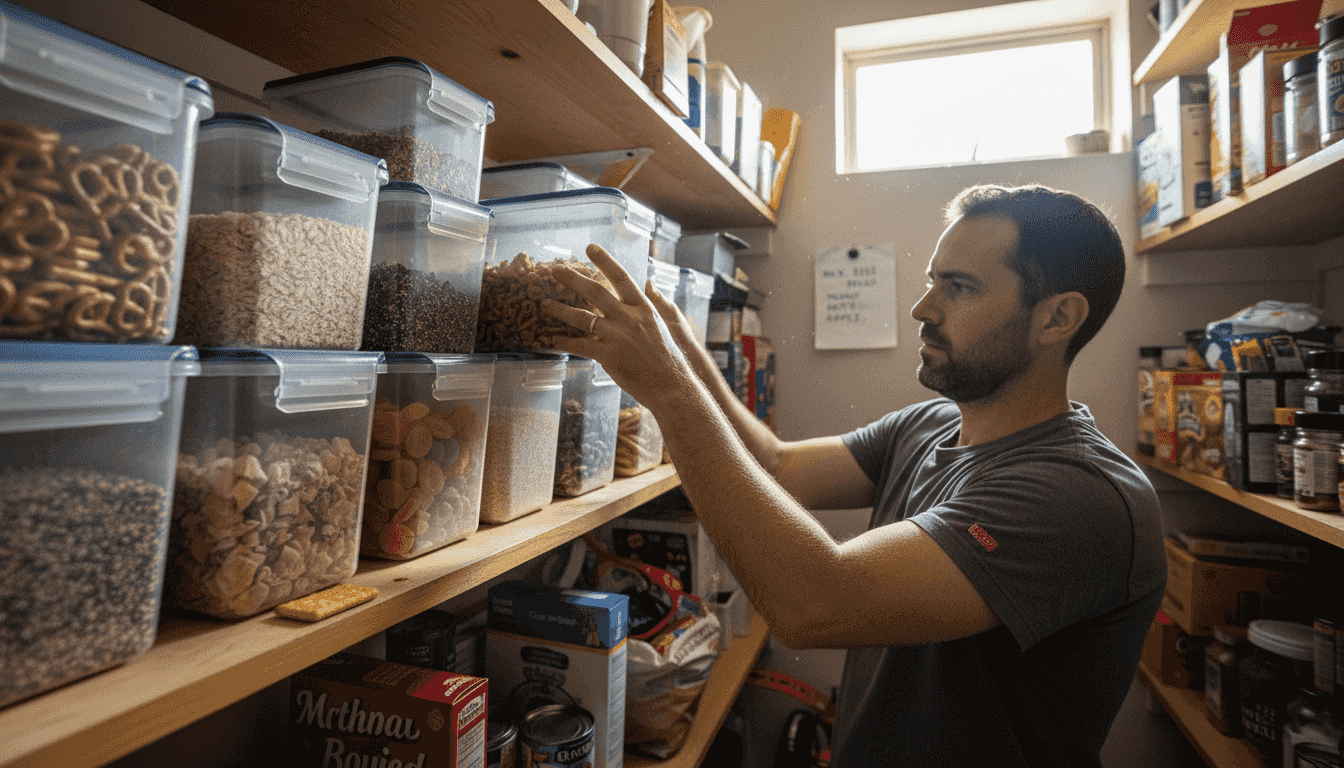
Minimizing countertop items keeps workspace clear and functional. Reserve counter space for appliances you use daily, storing everything else in cabinets or pantries. This simple shift creates breathing room for meal prep and reduces visual overwhelm.
Pro Tip: Photograph your organized zones and share them in a family group chat. Visual references help everyone remember where items belong, especially after grocery trips or when multiple people cook.
Grouping similar items creates intuitive systems. Designate specific shelves for grains, canned goods, baking supplies, and snacks. When everything has a home, restocking after shopping becomes a five-minute task instead of a scavenger hunt.
Organizing your pantry for stress-free meal prep
Your pantry holds the foundation of family meals, but without organization, it becomes a black hole where ingredients vanish and money gets wasted. Start by emptying everything and checking expiration dates. You’ll likely discover forgotten duplicates and expired items hiding in back corners.
Group pantry items into clear categories:
- Grains and pasta
- Canned goods and sauces
- Baking essentials
- Snacks and treats
- Spices and oils
- Breakfast items
Categorizing pantry items reduces search time by up to 30%, transforming meal planning from guesswork into a quick glance. Transfer dry goods into clear, airtight containers that stack efficiently and protect against pests and moisture. Airtight containers and clear labeling extend shelf life by up to 25%, keeping cereals crunchy and flour fresh.
Label every container with contents and purchase date. Use a label maker or simple masking tape with permanent marker. This step seems tedious but pays dividends when kids can grab snacks independently or when you’re checking what needs restocking.
Implement a first-in, first-out system by placing newer items behind older ones. This restaurant-tested technique prevents waste and ensures nothing expires before use. When unpacking groceries, push older stock forward and add new purchases behind.
Maintain a running checklist of pantry essentials taped inside your cabinet door. When you notice items running low, add them to your shopping list immediately. This prevents those frustrating moments when you start cooking only to discover you’re out of a crucial ingredient. Check out this pantry organization family guide for detailed strategies.
| Category | Storage Solution | Shelf Life Boost |
|---|---|---|
| Grains | Airtight containers | 6-12 months |
| Spices | Small jars, alphabetized | Maintains potency |
| Canned goods | Rotating shelves | Prevents expiration |
| Snacks | Clear bins by type | Reduces overbuying |
Pro Tip: Install battery-operated LED strip lights in deep pantries. Better visibility means fewer forgotten items and easier inventory checks during meal planning.
Optimizing fridge and freezer organization to reduce waste
Refrigerators and freezers quickly become chaotic dumping grounds where leftovers die forgotten deaths and vegetables turn to mush. Strategic organization transforms these appliances into efficient meal prep tools that protect your food investment.
Clear containers revolutionize fridge organization by making contents visible at a glance. Ditch opaque takeout containers for stackable glass or BPA-free plastic boxes. Label containers with contents and dates using removable labels or dry-erase markers.
Turntables maximize accessibility in deep refrigerator shelves. Turntables help home cooks access items, reducing blind spots and preventing food spoilage in back corners. Place condiments, jars, and bottles on lazy Susans for easy rotation.
Apply FIFO principles rigorously in your fridge. Organized fridges boost stock rotation efficiency by as much as 45%. When unpacking groceries, move older items forward and place new purchases behind. FIFO systems reduce food waste by up to 25%, saving money and reducing guilt.
Standardize food storage containers to stack efficiently and maximize vertical space. Choose rectangular containers over round ones for better space utilization. Invest in a set of graduated sizes that nest when empty, saving cabinet space.
Create specific fridge zones:
- Top shelf: Ready-to-eat foods, leftovers, drinks
- Middle shelves: Dairy, eggs, deli items
- Bottom shelf: Raw meat (in sealed containers)
- Crisper drawers: Fruits and vegetables (separated)
- Door: Condiments, juices, non-perishable items
Regularly check expiration dates during weekly meal planning. Dedicate Sunday or Monday to scanning fridge contents, planning meals around items nearing expiration, and discarding anything past its prime. This 10-minute habit prevents waste and streamlines grocery shopping.
Pro Tip: Keep a magnetic notepad on your fridge door for an “Eat First” list. Write down items approaching expiration so family members grab these before reaching for newer food.
| Storage Area | Best Practices | Waste Reduction |
|---|---|---|
| Upper shelves | Leftovers, drinks | 30% fewer forgotten items |
| Lower shelves | Raw proteins in bins | Prevents cross-contamination |
| Crispers | Separate fruits/vegetables | Extends produce life 40% |
| Freezer | Flat-frozen portions | Maximizes space, speeds thawing |
For freezers, freeze items flat in bags before stacking vertically like files. This technique saves space and lets you see everything at once. Label frozen items with contents and freeze date using freezer-safe markers. Discover more ways to reduce food waste that complement fridge organization.
Creating kitchen zones to boost meal prep efficiency and reduce stress
Kitchen zoning transforms scattered cooking chaos into streamlined workflows that save time and mental energy. Families who implement zoned kitchen organization experience a 20-30% reduction in meal prep time and decreased stress. Instead of wandering between cabinets gathering ingredients and tools, everything you need lives within arm’s reach.
Identify your family’s common kitchen tasks and group related tools and ingredients nearby. Most households benefit from these core zones:
- Prep area: Cutting boards, knives, mixing bowls, measuring tools near sink and counter space
- Cooking zone: Pots, pans, utensils, oils, frequently used spices near stove
- Baking zone: Flour, sugar, baking powder, mixing bowls, measuring cups, baking sheets
- Kids’ snack station: Healthy snacks, cups, plates, napkins at child-accessible height
- Coffee/beverage station: Coffee maker, mugs, tea, filters, sweeteners
Arrange frequently used items within easy reach to reduce unnecessary movement. Store your go-to skillet in the cabinet nearest the stove, not across the kitchen. Keep cutting boards beside your main prep counter, not in a distant drawer.
Limit countertop clutter by restricting items to what’s used regularly in each zone. If your blender collects dust except for summer smoothies, store it in a cabinet and free up valuable workspace. Reserve counter space for daily essentials like coffee makers, knife blocks, and frequently used appliances.
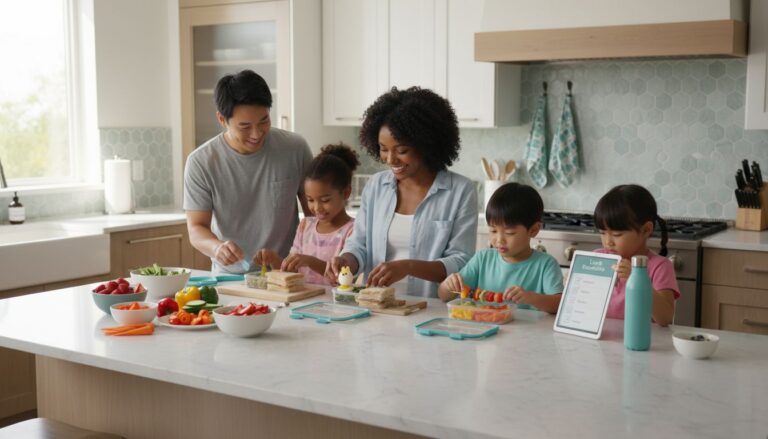
Train family members on zones for consistent use and maintenance. Walk everyone through where items belong and explain the logic behind placement. When kids know the snack zone contains everything they need, they stop ransacking other cabinets. When your partner understands the baking zone layout, they can help without constant questions.
Pro Tip: Use drawer dividers and cabinet organizers to create micro-zones within larger areas. A utensil drawer with sections for spatulas, whisks, and measuring spoons beats a jumbled mess every time.
Reassess zones quarterly as routines evolve. If you start meal prepping Sundays, create a dedicated meal prep zone with containers, labels, and portioning tools. If kids outgrow needing a low snack station, reclaim that space for another purpose. Explore additional family productivity hacks that complement kitchen efficiency.
Discover family-friendly productivity and organization solutions
Kitchen organization lays the foundation for smoother family routines, but its true power multiplies when combined with broader productivity strategies. If streamlined meal prep appeals to you, imagine applying similar systems throughout your home and schedule.
Explore curated productivity hacks for families that complement kitchen organization, from morning routine checklists to simplified laundry systems. These proven techniques help busy parents reclaim time and reduce daily friction.
Learn about effective home organization systems that extend beyond the kitchen, creating peaceful, functional spaces throughout your home. Understanding different organizational approaches helps you choose methods that match your family’s unique needs.
Find detailed guidance in our pantry organization family guide, which dives deeper into storage solutions, inventory management, and maintaining systems long term. These resources support your journey toward a more organized, less stressful family life.
What is the best way to start organizing a cluttered kitchen?
Begin by clearing countertops and sorting items into categories like cooking tools, baking supplies, and pantry goods. Assess your daily routines to identify which tasks happen where, then plan kitchen zones that support your family’s natural workflow. Start with one area like the pantry organization before tackling the entire kitchen.
How can I keep food fresher longer in my pantry and fridge?
Use airtight, clear containers for dry goods and leftovers to extend shelf life and improve visibility. Implement a FIFO system by placing newer items behind older ones, ensuring you use food before it expires. Learn more ways to reduce food waste through strategic storage and inventory management.
How do I get my family to help maintain kitchen organization?
Create simple, clear zones with visible labels everyone can understand and follow easily. Assign age-appropriate tasks like restocking snack bins or putting away clean dishes, then praise consistency to build lasting habits. Discover more family productivity hacks that encourage cooperation and reduce parent workload.
What’s the most effective kitchen zone setup for busy parents?
Customize zones based on your daily tasks and meal patterns rather than copying generic layouts. Include dedicated areas for prep work, cooking, baking, and quick-access snacks to streamline workflow and reduce searching. Explore family meal planning examples that show how zones support efficient weekly cooking routines.
Recommended
- How to Organize Pantry for Stress-Free Family Living –
- How to Organize Your Kitchen Counters When the Clutter is More Than You Can Handle –
- How to Declutter Home Naturally for Busy Families –
- Front Closet Organization Ideas: 4 Tips Save 30% Space –
- 7 Essential Steps for Annual Kitchen Safety Reviews – Probe IT
Want a little more help with this? The Room-by-Room Reset has a kitchen chapter just like this checklist, plus every other room in the house.