
Role of Meal Planning for Busy North American Families
Over 75 percent of American families admit that planning healthy meals feels like an impossible task after a long day. The pressures of work, school, and packed schedules often leave little room for nutritious choices or mealtime routines. Yet meal planning has the potential to transform the way busy households eat, save money, and reclaim valuable time. This article will clear up common myths while showcasing practical strategies for making balanced meals a reality for every American home.
Table of Contents
- Defining Meal Planning And Common Misconceptions
- Types Of Meal Planning Strategies For Families
- How Meal Planning Supports Home Organization
- Financial And Health Benefits For Families
- Common Pitfalls And How To Avoid Them
Key Takeaways
| Point | Details |
|---|---|
| Meal Planning Simplifies Nutrition | Meal planning is a strategic method for organizing meals and snacks to maintain balanced nutrition and reduce daily stress. |
| Flexibility is Key | Contrary to common misconceptions, meal planning can be adaptable, allowing families to accommodate busy schedules and last-minute changes. |
| Financial and Health Benefits | Effective meal planning helps reduce food waste and grocery expenses while promoting healthier home-cooked meals. |
| Avoiding Common Pitfalls | Families should steer clear of menu monotony and unrealistic expectations by introducing variety and starting with manageable plans. |
Defining Meal Planning and Common Misconceptions
Meal planning is a strategic approach to organizing meals and snacks that helps families maintain balanced nutrition while reducing daily stress. It goes beyond simply deciding what to eat – it’s about creating a thoughtful system that supports your family’s health and lifestyle. Meal planning involves organizing meals and snacks to ensure balanced nutrition while giving you greater control over your daily food choices.
Many busy North American families mistakenly believe meal planning is complicated or restrictive. Common misconceptions include thinking it requires endless hours of preparation or eliminates all spontaneity. In reality, meal planning can be incredibly flexible and adaptable. Meal patterns actually provide a framework that can accommodate variety and unexpected changes, making it a practical tool for families.
Successful meal planning isn’t about rigid schedules or complicated recipes. Instead, it’s about creating a loose framework that supports your family’s nutritional needs while reducing daily decision fatigue. Think of it like a roadmap – you’re plotting a general course, but you still have room to take unexpected detours. For busy families, this means having a general plan that can flex with work schedules, after-school activities, and unexpected events. The goal is to make mealtime smoother, not more stressful.
To get started, remember that meal planning looks different for every family. Some might prep entire meals in advance, while others simply outline a weekly menu. The key is finding a system that works for your unique household rhythm and lifestyle. Whether you’re a working parent, a single professional, or managing a large family, meal planning can be customized to fit your specific needs.
Types of Meal Planning Strategies for Families
Meal planning isn’t a one-size-fits-all approach, and North American families have discovered multiple effective strategies to simplify their cooking routines. Effective strategies include batch cooking, utilizing slow cookers for one-pot meals, and involving children in meal preparation, which helps build important life skills while making mealtime more manageable.
Batch Cooking emerges as a popular strategy for busy families. This method involves preparing large quantities of meals or ingredients in advance, then storing them for future use. By dedicating a few hours on a weekend to cooking, families can create multiple meals that can be quickly reheated during the week. Families can adopt strategies such as keeping meals simple, cooking in batches, and maintaining flexibility to accommodate changing schedules, which makes meal preparation less overwhelming.

Another powerful approach is Themed Meal Nights, where each day of the week has a specific cuisine or type of meal. For example, Taco Tuesday, Pasta Wednesday, or Stir-Fry Friday can provide structure while allowing creativity within those themes. This method reduces decision fatigue and helps families plan more efficiently. Some families also incorporate Prep-Ahead Strategies, where ingredients are chopped, marinated, or partially cooked in advance, making weeknight dinner assembly quick and straightforward.
Ultimately, the best meal planning strategy is the one that fits your family’s unique lifestyle. Some families might prefer detailed weekly charts, while others work best with a more flexible approach. The key is experimenting with different methods, staying adaptable, and remembering that meal planning should reduce stress, not create more of it. Whether you’re using slow cookers, batch cooking, or themed meal nights, the goal is to make mealtime easier and more enjoyable for everyone involved.
How Meal Planning Supports Home Organization
Home organization is about creating systems that reduce chaos and streamline daily living, and meal planning plays a surprisingly powerful role in this process. Meal planning contributes to home organization by reducing daily decision-making stress, minimizing food waste through efficient use of ingredients, and streamlining grocery shopping with comprehensive lists, transforming kitchen management from overwhelming to manageable.
One of the most significant ways meal planning supports home organization is through strategic pantry and refrigerator management. By planning meals in advance, families can create precise shopping lists, avoid impulse purchases, and maintain a more organized food storage system. This approach helps eliminate the common problem of overcrowded refrigerators with forgotten ingredients and reduces the likelihood of expired food cluttering kitchen spaces. The visual clarity of a well-planned food storage system can dramatically reduce daily stress and create a sense of control.
Involving family members in meal planning and preparation fosters teamwork, teaches responsibility, and establishes structured mealtime routines, which extends organizational benefits beyond just food preparation. When everyone knows their role – whether it’s chopping vegetables, setting the table, or cleaning up – the entire household operates more smoothly. This collaborative approach transforms meal planning from a chore into a family-wide organizational strategy that builds communication and shared responsibility.
Ultimately, meal planning is about creating predictability in an unpredictable world. By establishing a consistent approach to food preparation and storage, families can reclaim time, reduce stress, and create a more harmonious home environment. The benefits extend far beyond the kitchen, helping to create a sense of calm and purpose that permeates the entire household. Whether you’re a single professional or managing a large family, integrating meal planning into your home organization strategy can be a game-changer in managing daily life’s complexities.
Financial and Health Benefits for Families
Meal planning is far more than a simple scheduling exercise – it’s a powerful strategy that delivers substantial financial and health advantages for North American families. Meal planning offers financial benefits by reducing impulse purchases and food waste, while promoting health through balanced, home-cooked meals that limit processed foods and control portion sizes, transforming how families approach nutrition and budget management.
From a financial perspective, strategic meal planning can dramatically reduce household food expenses. By creating detailed grocery lists, families avoid unnecessary impulse purchases that can quickly inflate weekly food budgets. Buying ingredients in bulk, selecting seasonal produce, and planning meals around sales can save hundreds of dollars annually. Moreover, reducing food waste means every dollar spent on groceries is maximized, turning meal planning into an effective financial management tool that helps families stretch their resources further.
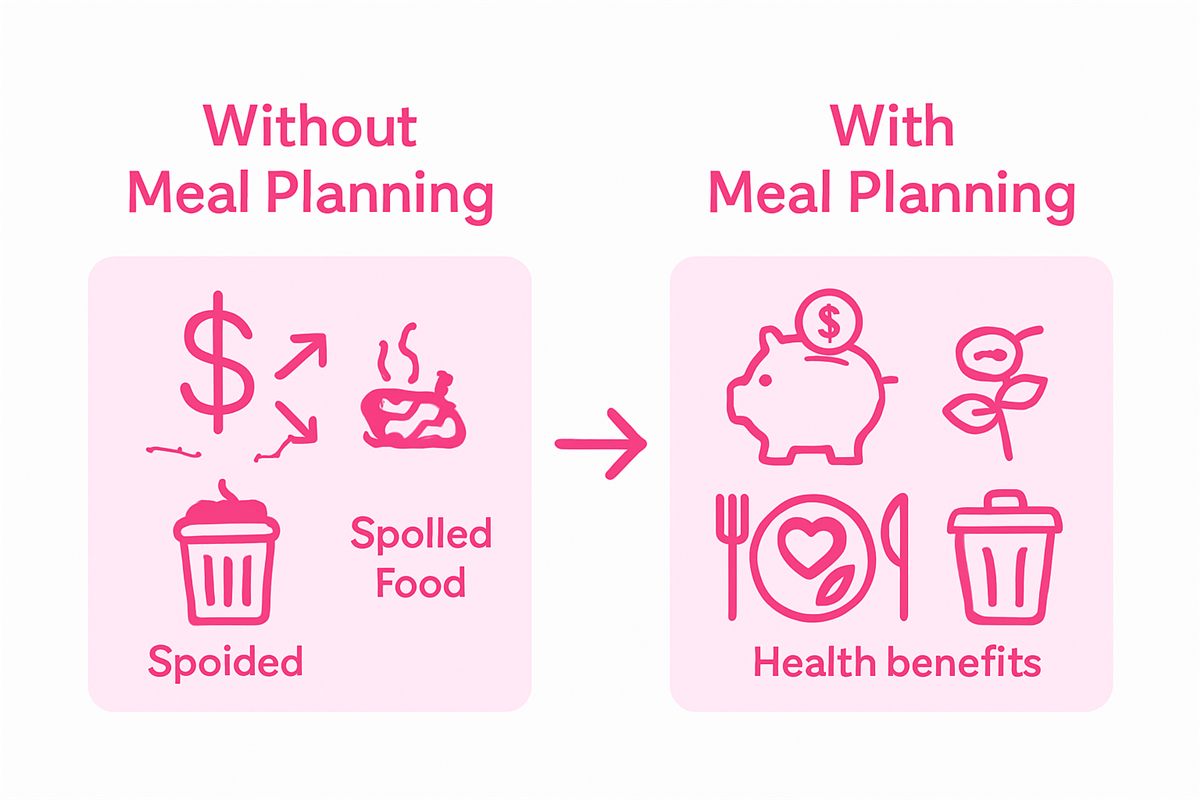
Regular family meals are associated with improved dietary intake and overall well-being among children, highlighting both health and social benefits. Home-cooked meals prepared through thoughtful planning tend to be more nutritionally balanced, featuring whole ingredients, controlled portion sizes, and less reliance on processed foods. This approach supports long-term health by reducing the risk of chronic diseases, managing weight more effectively, and establishing positive eating habits that children can carry into adulthood.
Beyond immediate financial savings and nutritional benefits, meal planning offers intangible rewards that enhance family dynamics. By creating predictable meal structures, families develop stronger communication, share responsibility, and build meaningful connections around the dinner table. The cumulative impact extends far beyond the kitchen – it’s an investment in family health, financial stability, and shared experiences that cannot be measured in dollars alone.
Common Pitfalls and How to Avoid Them
Meal planning can quickly become overwhelming without the right approach. Common pitfalls include lack of variety, inadequate time allocation, and failure to involve family members, which can transform what should be a helpful strategy into a stressful experience. Understanding these challenges is the first step toward creating a sustainable meal planning system that works for your entire family.
One of the most significant obstacles families encounter is menu monotony. Repeating the same meals week after week leads to boredom and decreased motivation. To combat this, create a flexible template that allows for creativity and variation. Mix standard recipes with one or two new dishes each week, encouraging family members to suggest meal ideas. This approach not only prevents recipe fatigue but also increases family engagement and excitement about mealtime. Successful meal planning strategies recommend keeping meals simple while maintaining flexibility, using planning charts, and making the process enjoyable for everyone, which helps prevent burnout and maintains long-term consistency.
Another critical pitfall is unrealistic expectations. Many families dive into meal planning with elaborate schemes that require hours of preparation or complex recipes. Instead, start small. Begin with planning just three meals per week, gradually increasing as you become more comfortable. Develop a system of batch cooking where you prepare larger quantities of versatile ingredients that can be transformed into multiple meals. Embrace shortcuts like using rotisserie chicken, frozen vegetables, or pre-chopped ingredients to reduce preparation time. The goal is progress, not perfection – a meal plan that is 70% implemented is far more valuable than a perfect plan that never leaves the page.
Ultimately, successful meal planning is about creating a system that adapts to your family’s unique rhythm. Be kind to yourself, remain flexible, and view meal planning as a dynamic process that evolves with your family’s needs. Some weeks will be more structured than others, and that’s perfectly okay. The most important elements are maintaining a positive attitude, staying open to adjustment, and remembering that the ultimate goal is to reduce stress and create nourishing, enjoyable meals for your loved ones.
Make Meal Planning Work for Your Busy Family
Meal planning is about more than just deciding what to eat it is a vital tool to reduce stress, save money, and create a smoother daily routine for busy North American families. If you have felt overwhelmed by the challenges of maintaining variety, managing time, and organizing your home around meals you are not alone. Key goals are to build a flexible system that prevents decision fatigue, involves the whole family, and supports balanced nutrition without adding more chaos.
At It’s a Southern Life Y’all, we understand these struggles and offer proven strategies that align perfectly with the principles of effective meal planning discussed in the article. Discover how to transform your kitchen and whole home with simple living strategies, time management tools, and easy organizational hacks that fit your unique family lifestyle. Don’t let meal prep overwhelm you explore our tips to implement batch cooking, themed meal nights, and home organization techniques that save time and money while fostering family teamwork.
Ready to reclaim your evenings and reduce meal stress? Visit It’s a Southern Life Y’all now to get started with actionable advice designed for busy families. Take control of your home and your schedule today and create peaceful, organized spaces where meal planning becomes a joyful part of your family life.
Frequently Asked Questions
What is meal planning?
Meal planning is a strategic approach to organizing meals and snacks to ensure balanced nutrition, reduce daily decision fatigue, and create flexibility in meal preparation.
How can meal planning help reduce food waste?
Meal planning helps reduce food waste by allowing families to create precise shopping lists, avoid impulse purchases, and efficiently utilize ingredients, thereby preventing spoilage of forgotten items.
What are some effective meal planning strategies for busy families?
Effective meal planning strategies include batch cooking, themed meal nights, and involving family members in meal preparation to create a collaborative and enjoyable cooking experience.
How does meal planning contribute to family health?
Meal planning promotes family health by facilitating the preparation of balanced, home-cooked meals that limit reliance on processed foods, control portion sizes, and establish positive eating habits.
Recommended
- Meal Planning for Families: Your Guide – It’s a Southern Life Ya’ll
- Understanding What is “Pre-Planned Meals” for Families – It’s a Southern Life Ya’ll
- Guide to the Role of Proactive Planning – It’s a Southern Life Ya’ll
- Understanding the Advantages of Meal Planning – It’s a Southern Life Ya’ll
Want a little more help with this? Meal Genie turns the whole idea into a plan and a grocery list in about five minutes.