7 Smart Tips for a Fun and Educational Family Game Night
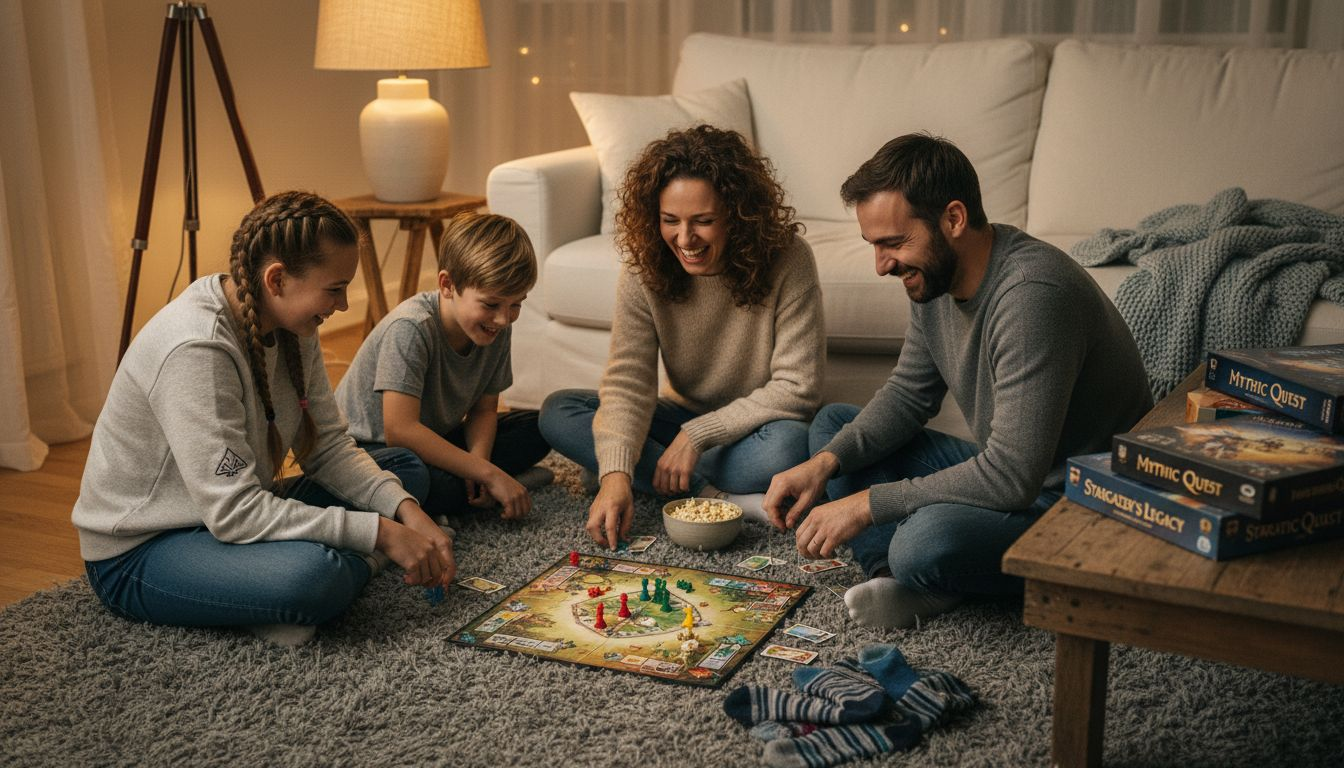
Every American parent knows family time can slip away in the rush of busy schedules and homework. Balancing educational activities with genuine connection often feels impossible. Yet research shows families who regularly organize game nights see a 35 percent increase in positive communication and bonding. By choosing the right games and routines, game night can become a cherished tradition filled with laughter, learning, and teamwork for North American families.
The short answer: Game night works when the games match your youngest player, the night lands on the same day every week, and you mix a learning game with a purely fun one. Add one cooperative game so it is not all competition, keep the whole thing to about an hour, and close with two minutes of “what was your favorite part” — that last bit is where most of the connection actually comes from.
Table of Contents
- 1. Choose Age-Appropriate Educational Games for All
- 2. Set a Game Night Schedule to Build Family Routine
- 3. Mix Learning with Fun Using Trivia and Word Games
- 4. Encourage Teamwork with Cooperative Game Play
- 5. Add Math and Logic Challenges for Young Minds
- 6. Make Room for Creative Games and Role Play
- 7. End with Reflection to Boost Communication Skills
Quick Summary
| Takeaway | Explanation |
|---|---|
| 1. Choose age-appropriate games for learning | Select games that match children’s developmental stages to enhance both fun and educational value. |
| 2. Schedule regular family game nights | Establish a consistent game night to promote bonding and communication among family members. |
| 3. Use trivia and word games for engagement | Incorporate trivia and word games to boost learning while keeping play enjoyable and interactive. |
| 4. Foster teamwork with cooperative games | Select cooperative games that require strategizing together, enhancing communication and problem-solving skills. |
| 5. Reflect on gameplay to improve skills | Encourage discussions after games to develop listening skills and emotional intelligence while celebrating everyone’s contributions. |
1. Choose Age-Appropriate Educational Games for All
Picking the right games for your family game night can transform playtime from simple entertainment into a powerful learning experience. Common Sense Media recommends selecting games that match your children’s specific developmental stages, ensuring both fun and educational value.
When choosing games, consider the unique learning needs of each child. Younger kids might benefit from simple matching or memory games that develop cognitive skills, while older children can handle more complex strategy games that challenge critical thinking. Age-appropriate selection is key to keeping everyone engaged and learning.
The American Red Cross emphasizes that carefully selected games support developmental milestones across different age groups. For preschoolers, look for games with basic color and shape recognition. Elementary school children might enjoy word games or math challenges that feel more like play than learning.
Create a game collection that grows with your family. Start with simpler games and gradually introduce more complex options as your children develop new skills. This approach ensures that game night remains exciting and educational for everyone involved.
Pro tip: Before purchasing a new game, read reviews and watch video demonstrations to ensure it truly matches your children’s current learning levels and interests.
2. Set a Game Night Schedule to Build Family Routine
Creating a consistent family game night transforms playtime from a random event into a cherished family tradition. Creating effective family routines helps establish predictability and emotional security for children while strengthening family connections.
Scheduling a regular game night requires thoughtful planning that accommodates everyone’s schedules and preferences. Choose a time when most family members can consistently participate perhaps a specific evening each week or every other weekend. Weekend evenings often work best for families with varied schedules, allowing everyone to relax and engage without rushing.
Establishing a Routine means more than just picking a date. It involves creating anticipation and excitement. Let family members take turns selecting games, choosing the evening, or helping with snack preparation. This approach makes everyone feel invested in the experience and increases enthusiasm for game night.
Consistent scheduling helps children develop important social skills and creates a sense of predictability. Organizing a regular family game night encourages communication, teamwork, and shared experiences that go beyond just playing games.
Pro tip: Create a visible family calendar where game night is prominently marked to build excitement and help everyone remember this special weekly tradition.
3. Mix Learning with Fun Using Trivia and Word Games
Trivia and word games are secret weapons for transforming family game night into an engaging learning adventure. Trivia games boost classroom engagement by turning education into an exciting challenge that keeps everyone motivated and entertained.
Educational Game Selection matters more than you might think. Choose trivia games that match your family’s interests and knowledge levels. Young children might enjoy picture based trivia while older kids can handle more complex history or science questions. Word games like Scrabble or Boggle help develop vocabulary and spelling skills without feeling like traditional studying.
The magic of these games lies in their ability to make learning feel like play. Classroom review games create collaboration by encouraging teamwork and friendly competition. When family members work together to answer questions or create words, they develop critical thinking skills and strengthen bonds simultaneously.
Consider creating custom trivia rounds based on your family’s unique interests. Mix questions about family history, school subjects, pop culture, and general knowledge to keep everyone engaged. This personalized approach ensures that game night feels special and tailored to your family’s dynamic.
Pro tip: Rotate game hosts each session and let different family members create trivia questions to increase engagement and make everyone feel invested in the learning experience.

4. Encourage Teamwork with Cooperative Game Play
Cooperative games transform family game night from a competitive battlefield into a collaborative adventure where everyone works together toward a shared goal. Enhancing teamwork through games offers powerful lessons in communication and mutual support.
Unlike traditional competitive games, cooperative games require family members to strategize together, share resources, and support each other to win. This approach teaches valuable skills like problem solving, active listening, and collective decision making. Shared objectives mean that instead of playing against each other, your family plays against the game itself.
Computer-based cooperative games facilitate teamwork by creating scenarios that demand continuous information sharing and collaborative problem solving. Board games like Pandemic, Forbidden Island, or Ghost Fightin Tricks require players to combine unique abilities and work as a unified team to overcome challenges.
Choose cooperative games that match your family’s skill levels and interests. Younger children can participate in simpler cooperative games, while older kids might enjoy more complex strategic challenges. The key is finding games where everyone feels they can contribute meaningfully to the team’s success.
Pro tip: Rotate team roles during cooperative games to help each family member develop different strategic skills and appreciate each other’s strengths.
5. Add Math and Logic Challenges for Young Minds
Math and logic challenges transform game night into a brain boosting adventure that makes learning feel like pure fun. Interactive logic games engage young learners by turning complex thinking into exciting mental puzzles.
Brain Training Games offer more than just entertainment. They develop critical skills like problem solving, pattern recognition, and strategic thinking. Choose games that challenge your children at their current skill level but still push them to grow. Sudoku, chess, logic puzzles, and mathematical strategy games can help children develop computational thinking in a playful environment.
CodeWizardsHQ Logic Challenges demonstrate how structured puzzles can build essential cognitive skills. Start with simpler games for younger children and gradually increase complexity. Younger kids might enjoy pattern matching or basic counting games, while older children can tackle more advanced logic challenges that require multiple steps of reasoning.
Encourage a growth mindset by celebrating the process of problem solving rather than just the final result. Talk through strategies, ask questions about their thinking, and show excitement when they work through challenging puzzles. This approach helps children see math and logic as engaging adventures rather than intimidating subjects.
Pro tip: Rotate game difficulty levels and mix different types of logic challenges to keep children engaged and prevent mental fatigue during family game night.
6. Make Room for Creative Games and Role Play
Role play games unlock imagination and transform family game night into an immersive learning adventure where everyone becomes a storyteller. Tabletop role-playing games foster social learning by creating magical worlds where creativity and collaboration reign supreme.
Imagination Unleashed means more than just playing pretend. These games help children develop empathy, communication skills, and critical thinking. Choose role play games that allow family members to step into different characters and explore complex scenarios. Board games like Fiasco or storytelling games such as Once Upon a Time offer structured yet flexible environments for creative expression.
Role play simulations provide experiential learning that goes beyond traditional game mechanics. By taking on different roles, children learn to see situations from multiple perspectives. Younger kids might enjoy fairy tale based role play games, while older children can tackle more complex narrative adventures that require strategic thinking and character development.
Encourage everyone to contribute to the story. Let each family member add their unique twist to the narrative, creating a collaborative storytelling experience. This approach not only makes the game more engaging but also helps develop listening skills and creative problem solving.
Pro tip: Start with shorter role play scenarios and gradually increase complexity to help family members build confidence and storytelling skills.

7. End with Reflection to Boost Communication Skills
Family game night doesn’t end when the last card is played or the board is packed away. Critical reflection activities enhance communication by transforming play into a powerful learning experience that brings your family closer together.
Meaningful Conversation means taking time to discuss what happened during the game. Ask open ended questions that encourage everyone to share their thoughts and feelings. What strategies did they use? What did they learn? What was challenging or fun? These conversations help family members develop deeper listening skills and emotional intelligence.
Conscious experience examination supports growth by challenging assumptions and improving future interactions. Create a safe space where each family member can share without judgment. Younger children might need help articulating their thoughts, so model reflective thinking by sharing your own observations and experiences.
Reflection time isn’t about critiquing performance but celebrating the journey. Highlight moments of teamwork, creative problem solving, and personal growth. Recognize not just winners, but the unique contributions each person made to the game and the family experience.
Pro tip: Rotate the reflection leader each game night, giving different family members a chance to guide the discussion and ask thoughtful questions.
Below is a comprehensive table summarizing the strategies and recommendations discussed throughout the article for enhancing family game nights with educational and engaging activities.
| Main Aspect | Description | Highlights |
|---|---|---|
| Age-Appropriate Game Selection | Choose games that align with each child’s developmental stage. | Simple games for younger kids, strategic games for older ones. |
| Establishing a Routine | Create a regular family game night schedule to foster predictability and bonding. | Rotate responsibilities like game selection and planning snacks. |
| Engaging Learning Framework | Integrate trivia and word games to mix fun with education. | Trivia promotes knowledge, while word games enhance vocabulary and spelling. |
| Cooperative Game Dynamics | Introduce team-based games to encourage collaboration among family members. | Collective problem-solving enhances teamwork and communication skills. |
| Logic and Strategy Challenges | Utilize activities that stimulate cognitive development and critical thinking. | Math puzzles, logic games, and strategy challenges cater to skill-building while entertaining. |
| Creative Engagement through Role Play | Include storytelling and role-playing games to stimulate imagination and empathy. | These activities foster social learning and narrative skills. |
| Reflection After Game Sessions | Facilitate meaningful discussions post-play to share learning experiences and strategize improvements. | Encourages communication, emotional intelligence, and family cohesion. |
This table encapsulates how to use structured playtime to enhance familial bonds while imparting valuable life and learning skills.
Make Every Family Game Night Memorable and Organized
Struggling to balance fun and learning while keeping your family life organized can feel overwhelming. This guide’s focus on age-appropriate games, teamwork, and reflective conversations highlights how thoughtful planning turns an ordinary game night into a rich educational experience. Yet, the challenge often lies in managing schedules, creating routines, and maintaining peaceful, clutter-free spaces where your family can fully enjoy these moments together.
Discover proven strategies to simplify your home and life while maximizing quality time at ItsASouthernLifeYall. From time management tools that help you set a consistent game night schedule to home management systems that create inviting spaces for creative role play and cooperative gameplay, we offer solutions designed for busy families seeking harmony and growth. Ready to transform your family time into truly meaningful experiences? Make your next game night the one everyone looks forward to.
Frequently Asked Questions
How do I choose age-appropriate games for my family game night?
Select games that align with your children’s developmental stages. Focus on simple matching or memory games for younger kids and strategy games for older children to ensure everyone stays engaged and learns.
What should I consider when scheduling a family game night?
Pick a consistent time when most family members can participate, such as a specific evening each week. Establishing a routine helps create anticipation and strengthens family connections.
How can I incorporate trivia and word games into our family game night?
Choose trivia games that match your family’s interests and knowledge levels, which can stimulate discussion and learning. Rotate hosts for trivia rounds to make everyone feel invested and engaged.
What are some benefits of playing cooperative games as a family?
Cooperative games encourage teamwork and problem-solving, as all family members work together toward shared goals. Choose games that match your family’s skills, and rotate roles to develop different strategies and appreciate each other’s strengths.
How can I include math and logic challenges during game night?
Introduce games that require critical thinking, such as Sudoku or chess, to make learning enjoyable. Gradually increase complexity to keep children engaged, such as moving from simple counting games to multi-step logic puzzles.
Why is reflection important after our family game night?
Ending with reflection encourages meaningful conversations about the game experience, helping family members develop communication skills and emotional intelligence. Create a safe space for sharing observations, and consider rotating the reflection leader to involve everyone.
Recommended
- 7 Best Ideas for White Elephant Gifts for Families – It’s a Southern Life Ya’ll
- 7 Types of Family Time Activities You Can Enjoy Together – It’s a Southern Life Ya’ll
- 7 Cool Gifts for 2025 Every Family Will Love – It’s a Southern Life Ya’ll
- 7 Types of Family Celebration Traditions to Try Together – It’s a Southern Life Ya’ll
Want a little more help with this? I made a free Mental Load Kit that pairs right up with this post — y’all can grab it over on my Free Resources page.