Dirtiest Places in Your House: Essential Family Guide
Most american homes have a surprising secret hiding in plain sight. Studies reveal that the kitchen, not the bathroom, ranks as the germiest room, with common items like sponges and sinks teeming with more bacteria than a toilet seat. With so many areas collecting grime and microscopic threats, keeping your living space truly clean can feel challenging. Get smart about the hidden dangers and discover practical steps to make your home a safer, healthier environment for your family.
Table of Contents
- Identifying The Dirtiest Areas At Home
- Common Myths About Home Cleanliness
- High-Risk Germ Hotspots By Room
- Health Risks Linked To Dirty Spaces
- Safe And Effective Cleaning Solutions
- Mistakes To Avoid When Cleaning
Key Takeaways
| Point | Details |
|---|---|
| Kitchen Surfaces Are Hotspots | High-risk areas for germs in the home include kitchen sponges, sinks, and countertops, often containing more bacteria than toilet seats. |
| Myth of Bathroom Cleanliness | Contrary to popular belief, kitchens harbor more dangerous bacteria than bathrooms, challenging common cleaning perceptions. |
| Health Risks of Dirty Homes | Dirty living spaces can lead to serious health issues, including respiratory problems, skin infections, and increased vulnerability to viruses. |
| Effective Cleaning Strategies | A two-step cleaning process—removing dirt followed by proper disinfection—is essential for maintaining a safe and healthy home environment. |
Identifying the Dirtiest Areas at Home
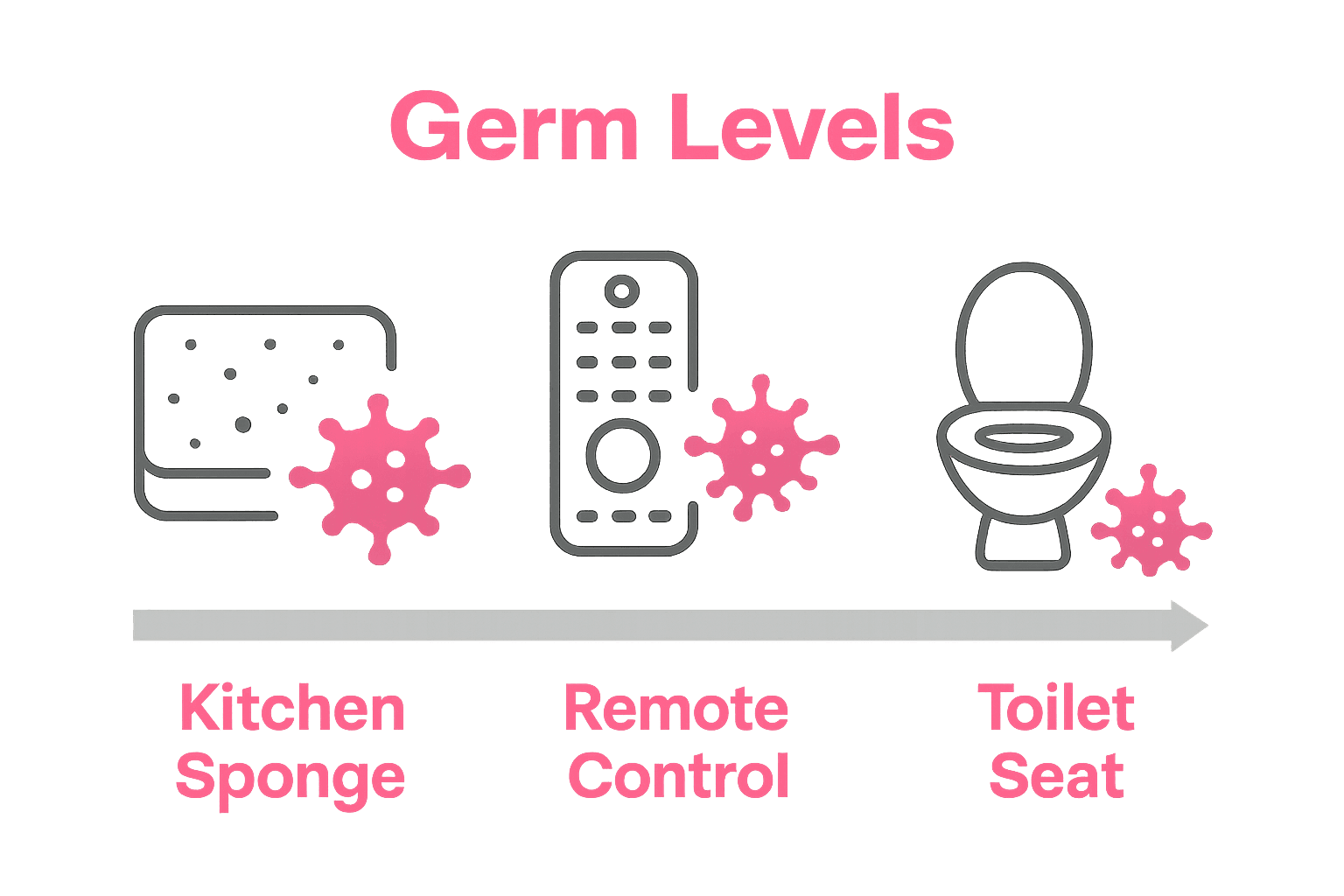
When it comes to household germs, your kitchen isn’t just cooking central – it’s also a bacteria playground. According to NSF International, the kitchen is actually the most contaminated room in your entire home, with certain areas harboring shocking levels of dangerous bacteria like Salmonella and E. coli.
The top germ hotspots might surprise you. Kitchen surfaces like sponges, sinks, and countertops are prime breeding grounds for microbes. Digital Journal research confirms that these everyday items can host more bacteria than your bathroom toilet seat – gross, right?
Beyond the kitchen, other areas that collect significant grime include:
- Bathroom doorknobs
- Remote controls
- Cell phones
- Computer keyboards
- Toothbrush holders
- Kitchen cutting boards
To protect your family, regular cleaning and disinfecting aren’t just recommended – they’re essential. When you tackle home organization and cleaning naturally, you’re not just tidying up – you’re creating a healthier living environment for everyone.
Common Myths About Home Cleanliness
When it comes to home cleanliness, many of us believe myths that can actually put our families at risk. NSF International research reveals a surprising truth: contrary to popular belief, bathrooms aren’t the most contaminated areas in our homes. In fact, kitchens often harbor significantly more dangerous bacteria.
One widespread misconception is that toilet seats are the germiest surfaces. However, kitchen items like sponges, cutting boards, and sink areas frequently contain higher concentrations of harmful microorganisms. As NSF research indicates, these everyday cooking tools can be breeding grounds for potentially dangerous bacteria.
Let’s debunk some common home cleanliness myths:
- Myth: Bathrooms are the dirtiest spaces
- Reality: Kitchens often have more bacteria
- Myth: Cleaning with water is enough
- Reality: Disinfection requires specific techniques
- Myth: All cleaning products are equally effective
- Reality: Different surfaces require targeted approaches
If you’re looking to upgrade your cleaning game, check out our guide on everyday items you might be cleaning wrong. Understanding these myths can help you create a truly clean and safe home environment for your family.
High-Risk Germ Hotspots by Room
Understanding where germs lurk in your home can help you develop a more effective cleaning strategy. According to NSF International, different rooms harbor unique bacterial danger zones that might surprise you.
Kitchen Germ Hotspots top the list of contamination concerns. Digital Journal research confirms that kitchen surfaces are microbial minefields. The top three high-risk areas include:
- Kitchen sponges
- Kitchen sink
- Refrigerator surfaces
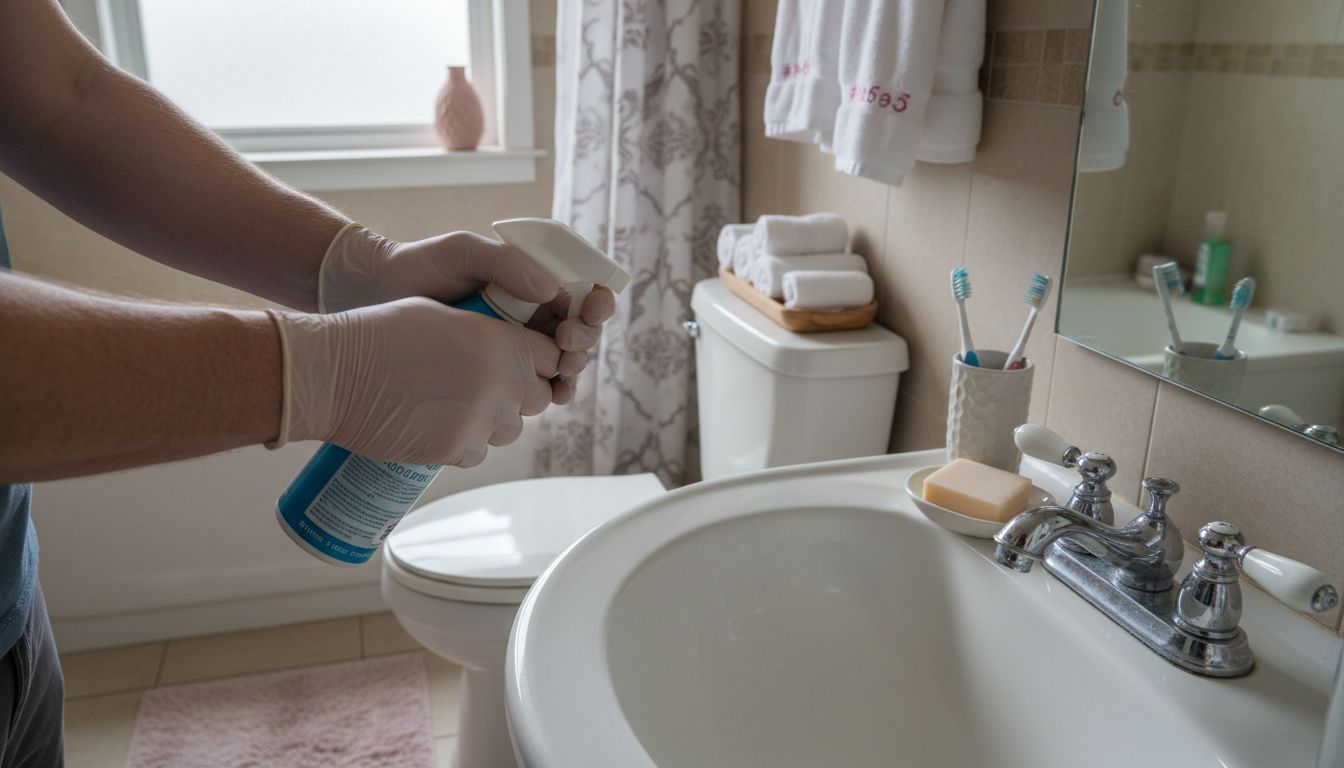
In the bathroom, watch out for these germ-heavy zones:
- Toothbrush holders
- Faucet handles
- Toilet flush handles
- Bath mats
- Shower curtains
Other rooms aren’t exempt from bacterial invasion. Living areas and bedrooms have their own contamination risks, like:
- Remote controls
- Computer keyboards
- Cellphones
- Light switches
- Doorknobs
To maintain a truly clean home, regular disinfection of these areas is crucial.
 When you tackle home cleaning hacks, you’re not just cleaning – you’re protecting your family’s health.
Health Risks Linked to Dirty Spaces
Your home’s cleanliness isn’t just about appearances – it’s about protecting your family’s health. PuroClean research reveals that dirty living spaces can trigger serious health complications, ranging from mild respiratory issues to potentially severe infections.
Bacterial contamination poses significant risks throughout your home. NSF International warns that kitchen and bathroom surfaces can harbor dangerous pathogens like Salmonella and E. coli, which can lead to serious foodborne illnesses and infections. These microorganisms aren’t just invisible – they’re potentially life-threatening.
The most common health risks associated with unclean spaces include:
- Respiratory problems
- Allergic reactions
- Skin infections
- Digestive system complications
- Weakened immune response
- Increased susceptibility to viruses
To combat these risks, consistent and thorough cleaning is essential. Learn more about home cleaning hacks that can help you maintain a safe, healthy living environment for your entire family.
Safe and Effective Cleaning Solutions
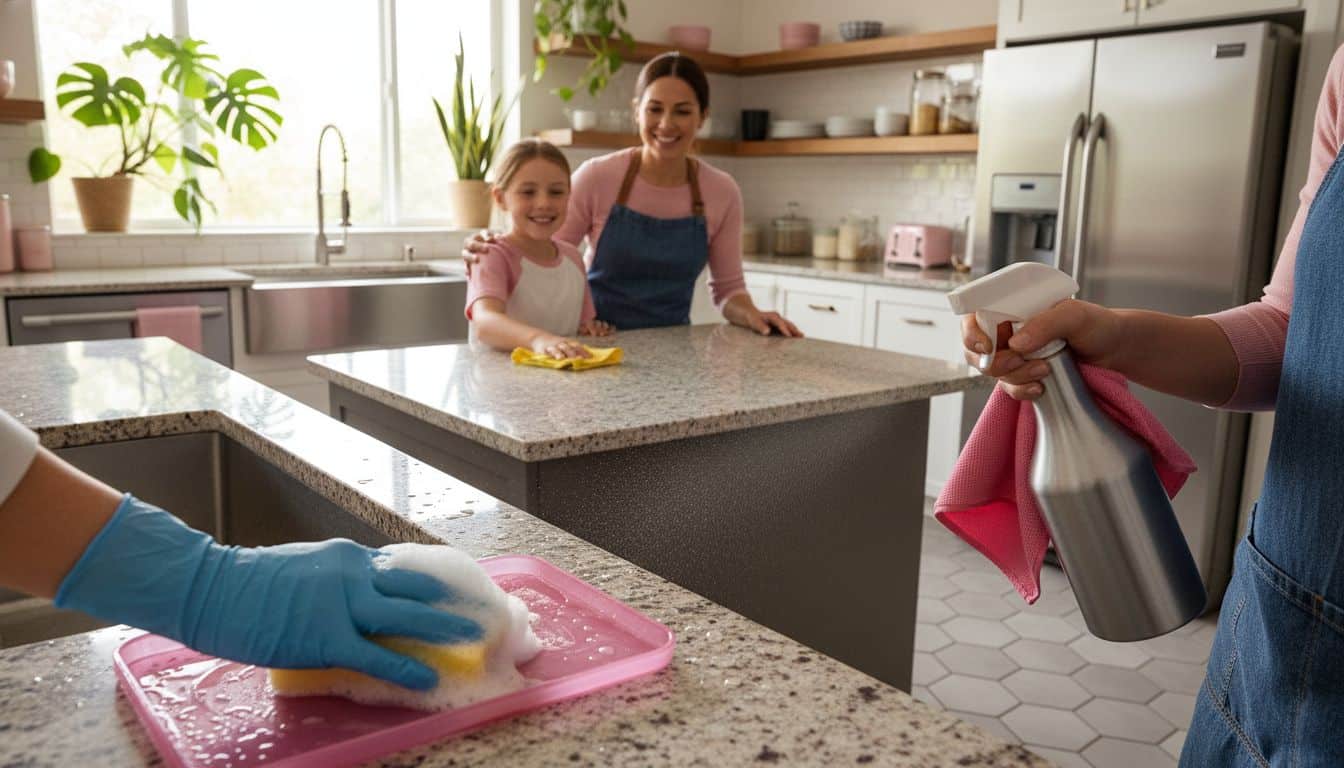
NSF International recommends a strategic approach to cleaning that goes beyond simply wiping surfaces. The key is understanding that effective cleaning involves a two-step process: removing visible dirt and then sanitizing to eliminate harmful microorganisms.
According to PuroClean, maintaining a healthy indoor environment requires more than just surface-level cleaning. Proper ventilation and targeted disinfection are crucial components of a comprehensive cleaning strategy. Different surfaces and areas of your home demand specific cleaning techniques to ensure maximum germ elimination.
Key cleaning solutions and techniques include:
- Warm water and dish soap for initial dirt removal
- Homemade vinegar and water solutions
- Microfiber cloths for more effective cleaning
- Alcohol-based disinfectants for high-touch surfaces
- Color-coded cleaning cloths to prevent cross-contamination
- Regular cleaning of often-forgotten areas
When you’re ready to level up your home cleaning game, check out our everyday items cleaning guide to ensure you’re not accidentally spreading more germs while trying to clean.
Mistakes to Avoid When Cleaning
NSF International highlights critical cleaning mistakes that many families unknowingly make. Cleaning misconceptions can actually spread more germs instead of eliminating them, turning your well-intentioned efforts into potential health risks.
According to PuroClean, overlooking certain areas during cleaning can dramatically compromise your home’s overall hygiene. Neglected spaces like air ducts, mattresses, and hidden corners become breeding grounds for dust mites, allergens, and harmful microorganisms that silently impact your family’s health.
Common cleaning mistakes to avoid include:
- Reusing dirty sponges without sanitizing
- Cleaning surfaces without proper disinfection
- Skipping hard-to-reach areas
- Using the same cleaning cloth across different surfaces
- Ignoring manufacturer’s cleaning instructions
- Cleaning from bottom to top instead of top to bottom
- Forgetting to wash cleaning tools regularly
When you’re ready to transform your cleaning routine, explore our guide on everyday items you might be cleaning wrong and learn how to truly protect your family’s health.
Take Control of Germ Hotspots and Create a Safer Home Today
The article highlights a common challenge many families face: hidden bacteria and germs lurking in everyday places like kitchen sponges, sinks, and remote controls. These high-risk germ hotspots can threaten your family’s health and create ongoing stress about the safety of your living space. If you relate to the frustration of trying to keep your home truly clean while managing a busy life, you are not alone.
Discover practical, effective ways to tackle these concerns by exploring smart organization hacks and simple cleaning strategies that make sanitizing easier and more efficient. With our proven advice on decluttering and managing your household, you can reduce germs and create a peaceful environment that supports your family’s wellbeing. Start taking steps now to protect your loved ones by visiting itsasouthernlifeyall.com where you will find detailed guides on home cleaning hacks and tips for natural decluttering solutions. Don’t wait until germs take over. Take action today to transform your space into a healthier, more organized home.
Frequently Asked Questions
What are the dirtiest areas in my kitchen?
The dirtiest areas in your kitchen include sponges, sinks, and refrigerator surfaces, which can harbor more bacteria than your bathroom toilet seat.
How often should I clean high-risk germ hotspots in my home?
It’s essential to regularly clean and disinfect high-risk germ hotspots, such as kitchen surfaces and bathroom areas, at least once a week to minimize bacteria and pathogens.
What cleaning techniques are most effective for eliminating germs?
Effective cleaning involves a two-step process: first, remove visible dirt with warm water and dish soap, and then sanitize with alcohol-based disinfectants or vinegar solutions for maximum germ elimination.
What common cleaning mistakes should I avoid?
Common cleaning mistakes include reusing dirty sponges, skipping hard-to-reach areas, and using the same cleaning cloth on different surfaces, as these can spread germs instead of eliminating them.
Recommended
- Everyday Items You’re Cleaning Wrong – It’s a Southern Life Ya’ll
- 7 Simple Ways to Refresh Your Home for Busy Families – It’s a Southern Life Ya’ll
- How to Declutter Home Naturally for Busy Families – It’s a Southern Life Ya’ll
- How to Create a Peaceful Home for Your Family – It’s a Southern Life Ya’ll
- 7 Essential Family Cookware Recommendations for Chefs – Brass & Steel
Want a little more help with this? The Room-by-Room Reset tells you what to clean, where, and how often.