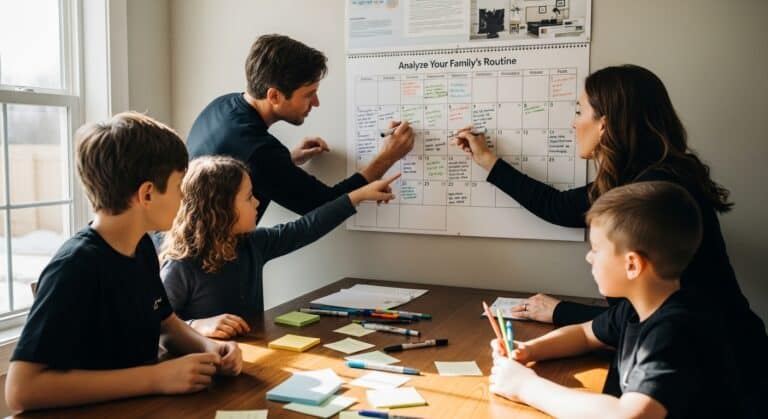
Why Plan Ahead: 15-Minute Planning Saves 60+ Minutes Daily
Just 15 minutes of daily planning can save busy families over an hour of chaotic time each day. For families juggling work deadlines, school pickups, meal prep, and endless activities, this simple habit transforms stress into calm. Understanding the role of proactive planning means recognizing how structured time creates freedom rather than constraint. This guide explains why planning works scientifically, practical strategies you can implement today, and myths that might be holding your family back from this game-changing approach.
Table of Contents
- Why Planning Ahead Reduces Stress and Mental Load
- Practical Planning Strategies For Busy Families
- Frameworks For Effective Family Planning And Prioritization
- Common Misconceptions About Planning Ahead
- How Planning Creates A Peaceful Home Environment
- Planning Ahead For Resilience And Emergencies
- Conclusion: Taking The First Steps To Plan Ahead Successfully
- Discover Tools And Systems That Simplify Family Planning
- Frequently Asked Questions About Planning Ahead For Families
Key Takeaways
| Point | Details |
|---|---|
| Daily planning saves time | Just 15 minutes of planning daily saves over 60 minutes of wasted time for busy families. |
| Reduces decision fatigue | Planning externalizes mental tasks, cutting stress and improving family presence. |
| Shared tools decrease conflict | Digital calendars and clear role assignments improve attendance and lower family tension. |
| Flexibility matters | Effective planning balances structure with adaptability to handle real life. |
| Common myths debunked | Planning doesn’t kill spontaneity, waste time, or create rigidity when done right. |
Why Planning Ahead Reduces Stress and Mental Load
Your brain isn’t designed to hold dozens of competing priorities simultaneously. When you try, mental fatigue sets in fast. Planning externalizes mental tasks, reducing decision fatigue and cognitive burden by transferring responsibilities from your mind to a reliable system.
This shift creates immediate benefits. You stop forgetting doctor appointments or permission slip deadlines. You reduce the daily scramble of figuring out dinner at 5 PM when everyone’s hungry and cranky. Most importantly, you reclaim mental space to actually be present with your kids instead of mentally running through tomorrow’s to-do list during bedtime stories.
The role of daily planning extends beyond task management into emotional wellness. Predictable routines create psychological safety for both parents and children. When your family knows what to expect, stress hormones decrease naturally.
Consider these cognitive benefits:
- Fewer last-minute decisions mean less mental exhaustion by evening
- Clear priorities prevent the paralysis of too many choices
- Written plans reduce the anxiety of potentially forgetting something important
- Structured time actually creates space for genuine spontaneity and relaxation
Research shows that structured activities reduce stress through routine and planning, much like how gardening provides therapeutic benefits through intentional organization.
Pro Tip: Keep a brain dump notebook by your bed. When random thoughts pop up at night, write them down immediately. This simple act tells your brain the thought is captured, allowing you to sleep peacefully instead of rehearsing mental lists until morning.
Practical Planning Strategies for Busy Families
Starting a planning habit doesn’t require complex systems or expensive tools. Begin with these proven strategies that busy families actually stick with long term.
-
Schedule your 15-minute planning session. Choose the same time daily, either early morning with coffee or evening after kids sleep. Consistency matters more than the specific time.
-
Consolidate all family schedules in one place. Whether digital or paper, everyone needs access to see soccer practice, work meetings, and school events together. Shared visibility prevents double-booking and missed commitments.
-
Assign specific roles to reduce decision conflicts. Who handles morning routines? Who manages grocery shopping? Clear ownership prevents the mental load from defaulting to one person.
-
Plan weekly meals and prep schedules together. Studies confirm that meal and schedule planning reduces stress by 40% and cuts missed events dramatically. Sunday afternoons work well for many families to map out the coming week.
-
Build in buffer time for the unexpected. Life with kids means spilled milk, lost shoes, and sudden fevers. Pad your schedule with 10-15 minute cushions between activities.
Use a meal planning guide to simplify the dinner question that derails so many evenings. When meals are decided in advance, you shop once efficiently instead of making multiple stressed trips.

Pro Tip: Color code family members in your shared calendar. At a glance, you’ll see whose day is packed and who has flexibility, making coordination decisions faster.
Implementing these work-life balance tips for families means recognizing that planning isn’t about perfection. It’s about creating a framework that reduces daily friction and frees energy for what truly matters.
Frameworks for Effective Family Planning and Prioritization
A solid mental model helps translate planning strategies into sustainable habits. The three-layer planning approach balances broad overviews with day-to-day prioritization and real-time flexibility.
Here’s how the framework works:
- Weekly overview layer: Sunday or Monday, map the big picture. Note all commitments, deadlines, and activities. This bird’s eye view reveals potential conflicts before they cause problems.
- Daily priorities layer: Each morning or evening before, identify your top three must-do items. Everything else is secondary. This prevents overwhelm from endless task lists.
- Real-time adjustment layer: Life happens. Kids get sick. Meetings run long. Build flexibility into your system so adjustments don’t feel like failures.
Priority levels help you make quick decisions when time gets tight:
| Priority Level | Definition | Example Tasks |
|---|---|---|
| High | Must happen today, significant consequences if missed | Doctor appointments, work deadlines, school pickup |
| Medium | Important but can shift one day if needed | Grocery shopping, laundry, meal prep |
| Low | Nice to accomplish but no immediate urgency | Organizing closets, thank you notes, hobby projects |
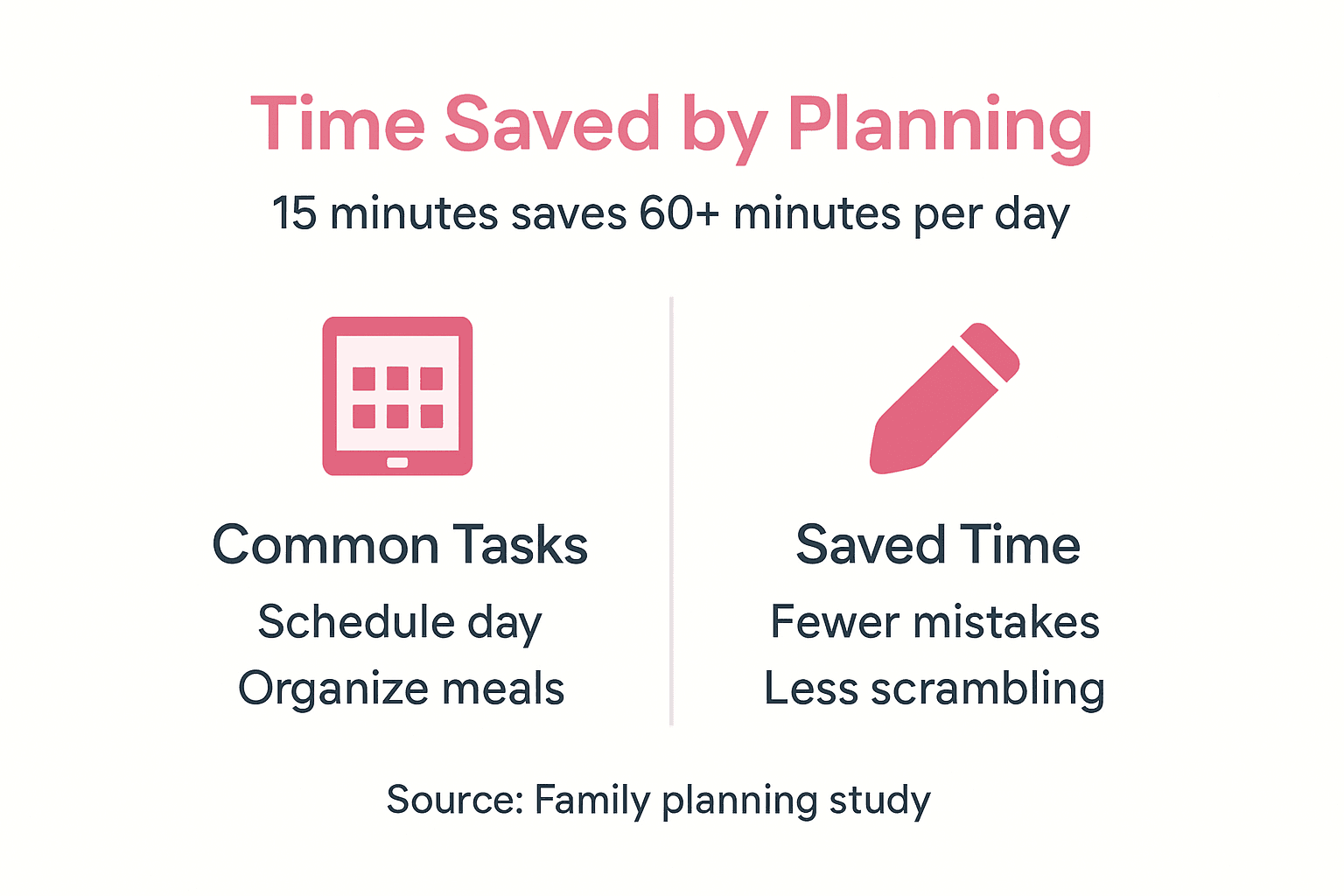
Digital versus paper planning depends on your family’s style. Digital calendars sync across devices and send reminders automatically. Paper planners provide tactile satisfaction and visual accessibility without screen time. Many families use both: shared digital for scheduling, individual paper for daily task lists.
The key is family buy-in. Planning works when everyone participates and communicates honestly about their needs and commitments. Weekly family meetings, even 10 minutes, keep everyone aligned and engaged with the system.
Refer to this proactive planning guide for deeper exploration of frameworks that adapt to your unique family dynamics and changing seasons of life.
Common Misconceptions About Planning Ahead
Several persistent myths prevent families from experiencing planning’s benefits. Let’s address them directly with evidence.
Myth: Planning kills spontaneity and fun.
Reality: Planning actually creates structured free time for intentional relaxation and spontaneous adventures. When you know Tuesday night is open because Wednesday’s activities are already prepped, you can truly relax or seize an impromptu opportunity. Research shows families who plan report 30% higher satisfaction with their free time, contradicting myths about lost spontaneity.
Myth: Planning takes too much time I don’t have.
Reality: The 15 minutes you invest in planning saves over an hour of reactive scrambling, forgotten items, and duplicated efforts. You’re not spending extra time; you’re redistributing it from chaos to intentionality.
Myth: Effective planning requires rigid adherence to schedules.
Reality: The best planning systems include flexibility and regular adjustments. You’re creating a framework, not a prison. When Wednesday’s dentist appointment gets rescheduled, you adjust the plan without guilt or system failure.
Myth: Only organized people can maintain planning habits.
Reality: Planning is a skill anyone can develop with practice, not an innate personality trait. Start small with one simple habit and build from there.
These misconceptions often stem from past experiences with overly complex systems or perfectionist expectations. Modern family planning embraces realistic flexibility and grace for imperfect execution.
How Planning Creates a Peaceful Home Environment
Beyond time savings and stress reduction, planning fundamentally changes the emotional atmosphere of your home. Clear expectations and shared understanding replace confusion and conflict.
When everyone knows their responsibilities, arguments about who forgot what decrease dramatically. Children thrive with predictable routines that provide security and structure. Parents experience less resentment when household labor is visibly distributed and acknowledged.
Consider these relational benefits:
- Fewer morning battles when everyone knows the routine and timing
- Reduced partner tension from clear role assignments instead of assumed expectations
- Increased cooperation when kids understand what’s happening and when
- More quality time together because logistics are handled efficiently
As one family planning expert notes:
“Planning isn’t about controlling every moment. It’s about creating enough structure that your family can experience genuine rest and connection in the spaces between obligations.”
This philosophy aligns perfectly with strategies to create a peaceful home through intentional systems and thoughtful routines. Peace isn’t the absence of activity but the presence of order amid the beautiful chaos of family life.
Shared planning tools make everyone feel included and valued. When your 10-year-old adds soccer practice to the family calendar, they’re learning responsibility and contributing to household functioning. These small acts build family identity and cooperation.
Planning Ahead for Resilience and Emergencies
Anticipatory planning extends beyond daily schedules into preparing for unexpected disruptions. This preparedness reduces anxiety and builds genuine family resilience.
Emergency planning includes practical steps like:
- Maintaining updated contact lists for backup childcare, emergency services, and key family members
- Keeping a well-stocked emergency kit with essentials accessible
- Establishing financial reserves or emergency funds for unexpected expenses
- Creating backup plans for common disruptions like school closures or work changes
When you’ve thought through scenarios in advance, actual emergencies feel more manageable. You’re not making critical decisions while panicked; you’re following a plan you created during calm moments.
This preparation builds family confidence. Kids learn that challenges are manageable with preparation. Parents model problem-solving and resilience rather than reactive crisis management.
Anticipatory planning complements your regular organization systems. It’s the safety net beneath your daily routines, rarely needed but invaluable when circumstances shift suddenly. Whether facing a minor disruption like a canceled babysitter or major challenges like job changes or health issues, families with contingency plans navigate difficulties with less trauma and faster recovery.
Conclusion: Taking the First Steps to Plan Ahead Successfully
You’ve learned how just 15 minutes of daily planning saves over an hour of chaotic time, reduces decision fatigue, and creates genuine mental space for family connection. These aren’t theoretical benefits but proven outcomes that busy families experience when they implement structured yet flexible planning systems.
Small daily habits compound into significant time and stress savings over weeks and months. The family that spends Sunday afternoons planning the week ahead finds Tuesday evenings calmer and weekends more restful.
Ready to start? Follow these first steps:
-
Choose your planning time. Pick 15 minutes daily that you’ll protect consistently. Early morning or evening works for most families.
-
Select one shared tool. Digital calendar, wall planner, or planning notebook. Start simple with whatever your family will actually use.
-
Identify your top three priorities. What three things absolutely must happen this week? Everything else is secondary.
-
Involve your family. Hold a 10-minute meeting to explain the plan and gather everyone’s input and commitments.
-
Review and adjust weekly. Every Sunday or Monday, evaluate what worked and what needs tweaking. Planning improves through iteration.
Explore time management for family success to deepen your skills. Learn how to plan family activities that everyone actually enjoys. Consider establishing family traditions for cozy life that create meaningful rituals within your structured time.
The positive impact on work-life balance and family harmony starts the moment you write down tomorrow’s priorities. You’re not adding another burden to your already full plate. You’re creating a system that lightens the load and transforms chaos into calm, one planned day at a time.
Discover Tools and Systems That Simplify Family Planning
Ready to take your family planning to the next level? Explore comprehensive home management systems designed specifically for busy families juggling work, kids, and household responsibilities. Discover 7 effective types of home organization systems to find the approach that fits your unique lifestyle and family dynamics. Learn to identify and overcome productivity killers that sabotage even the best planning intentions. Our community-tested strategies and expert advice help you maintain the calm, efficient family life you deserve without overwhelm or perfectionist pressure.
Frequently Asked Questions About Planning Ahead for Families
What is the best time of day for family planning?
Most families find success with either early morning planning over coffee or evening sessions after kids sleep. The best time is whenever you can be consistent and relatively uninterrupted. Try both approaches for a week each to discover which feels more sustainable.
How can we keep children involved without extra stress?
Start simple by letting kids add their activities to a shared calendar or check off completed tasks. Age-appropriate involvement teaches responsibility without creating additional parent workload. Younger children can use picture schedules while older kids manage their own task lists with oversight.
What if one family member resists planning?
Start by planning only your own responsibilities and demonstrating the benefits through reduced stress and improved reliability. Often, resistant family members come around when they experience planning’s positive effects secondhand. Avoid forcing participation, but keep inviting input and involvement.
Are digital tools better than paper for family scheduling?
Neither is universally better. Digital calendars offer syncing, reminders, and easy updates across devices. Paper planners provide visual accessibility and tactile engagement without screens. Many families use both: shared digital for coordinating schedules, individual paper for daily tasks.
How do we adjust plans when unexpected events disrupt the schedule?
Build buffer time into your original plan and treat flexibility as a feature, not a failure. When disruptions occur, quickly identify your top three priorities for the day and let less critical tasks shift. Review what happened during your weekly planning session to improve future contingency planning.
Recommended
- How 30 Minutes of Planning in the Morning Will Save Your Day –
- Transform Home and Life Balance with Daily Planning –
- Essential Tips for Simplifying Schedules in 2025 –
- Understanding the Advantages of Meal Planning –
- 7 Essential Interview Time Management Tips for Job Seekers
- Top 10 Effective Lesson Planning – TEFL Institute
Want a little more help with this? The Sunday Blueprint puts that planning-ahead into one fifteen-minute ritual you actually repeat.