10 Simple Ways to Teach Kids Gratitude and Kindness
Every parent faces that moment when simple “thank yous” fall flat or sibling squabbles test everyone’s patience. For families across the United States and Canada, defining gratitude and kindness means more than teaching polite responses. It is about growing a child’s ability to recognize and appreciate others and take voluntary actions that benefit their community. This guide reveals real-life, research-backed ways to help your child move beyond routine manners and build genuine connections rooted in moral virtue that strengthens human relationships.
Table of Contents
- Defining Gratitude and Kindness for Children
- How Gratitude and Kindness Develop in Kids
- Benefits of Practicing Gratitude and Kindness
- Family Rituals That Encourage Appreciation
- Modeling and Practicing Kind Actions Daily
- Creative Activities to Build Lasting Empathy
Key Takeaways
| Point | Details |
|---|---|
| Understanding Gratitude and Kindness | Gratitude is about recognizing efforts and building connections, while kindness involves voluntary actions to benefit others. |
| Development of These Qualities | Gratitude and kindness develop gradually through social interactions and modeling from parents and caregivers. |
| Benefits of Practicing Gratitude and Kindness | Regular practice enhances mental well-being, builds stronger relationships, and fosters resilience in children. |
| Importance of Family Rituals | Consistent family rituals around gratitude and kindness can embed these practices into daily life and create a supportive environment. |
Defining Gratitude and Kindness for Children
When you hear the word “gratitude,” you might think of kids automatically saying “thank you” at the dinner table or when someone gives them a gift. But there’s so much more happening beneath the surface. Gratitude in children goes way beyond good manners. It’s actually a moral virtue that strengthens human relationships, encompassing philosophical, psychological, and educational dimensions. Think of it like planting seeds in your child’s heart. When you help them understand gratitude, you’re teaching them to recognize the efforts others make on their behalf, to appreciate what they have, and to understand the value of the people around them. This kind of appreciation changes how kids interact with the world and how they treat others.
Kindness, on the other hand, is about actions that benefit others, sometimes even at a cost to yourself. When your child shares their favorite toy with a friend even though they really want to keep playing with it, that’s kindness. When they comfort a classmate who’s upset or help a younger sibling tie their shoes, they’re showing kindness. What makes this so powerful is that kindness involves voluntary actions intended to benefit others, and it often shows up naturally in children through helping and comforting behaviors. Kids have built-in altruism tendencies, which means they’re already wired to care about others. Your job isn’t to create kindness from scratch; it’s to recognize it when it happens and help your child understand the beautiful ripple effect their actions create.
Here’s what makes understanding these definitions matter for your family: when you can clearly explain what gratitude and kindness actually mean, your kids can practice them intentionally instead of just going through the motions. You’re not asking them to perform or follow arbitrary rules. You’re helping them see that gratitude connects them to other people and that kindness makes a real difference in someone else’s day. These aren’t abstract concepts or complicated ideas. They’re everyday skills that show up when your child notices someone’s effort, recognizes what they have, and chooses to do something good for another person.
Pro tip: Start conversations by asking your child to notice specific acts of kindness they see around them (even small ones like someone holding a door or sharing snacks), then talk about how that action made someone feel. This builds their ability to recognize kindness in real time, making it concrete and memorable instead of theoretical.
Here is a comparison of gratitude and kindness in childhood development:
| Aspect | Gratitude | Kindness |
|---|---|---|
| Core Focus | Recognizing and appreciating others | Taking voluntary actions to help others |
| Emotional Benefit | Builds connection and contentment | Fosters empathy and social bonds |
| Typical Expression | Saying thank you, noticing efforts | Helping, sharing, comforting |
| Parental Role | Model appreciation, reflect together | Recognize, reinforce kind behaviors |
How Gratitude and Kindness Develop in Kids
Your child doesn’t wake up one morning suddenly grateful or kind. These qualities develop gradually, like skills that get stronger with practice and time. Think of it like learning to ride a bike. Kids show early signs of prosocial behavior (the fancy term for helping and caring for others) right from infancy. You’ll notice your toddler trying to comfort a crying sibling or wanting to share their snack. These aren’t random moments. They’re the beginning of something much bigger. As your child grows, gratitude develops gradually through family and cultural influences, shaped by what they see modeled at home and in their community. The way you respond to kindness, how you thank people, and how you talk about what others do for you all become part of your child’s internal blueprint for gratitude.
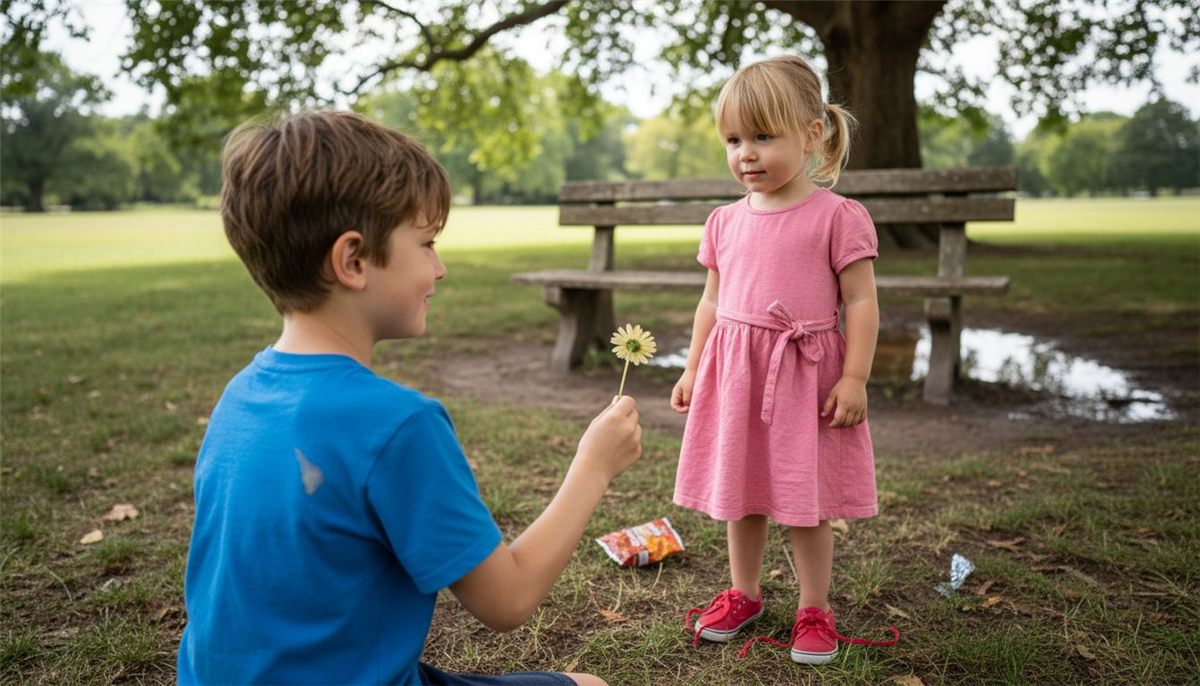
What’s happening underneath the surface involves three interconnected pieces: your child’s emotions, their thinking, and their actions. Kindness development involves emotional, cognitive, and behavioral components that evolve over years, not days or weeks. The emotional piece is about recognizing how someone else feels. The cognitive piece is understanding why they feel that way and what you could do to help. The behavioral piece is actually doing something kind in response. Young kids might struggle with one or more of these pieces. A five-year-old might see their friend is upset (emotion) and understand they’re sad (cognition) but not know how to help (behavior). That’s completely normal and developmentally appropriate. As they grow, these three components work together more smoothly.
Here’s something important that many parents miss: your child balances self-interest with caring for others. They’re not naturally wired to sacrifice everything for someone else, and that’s okay. They’re learning to navigate between “I want this” and “you need this,” and gradually they get better at considering both. Your job isn’t to force complete selflessness. It’s to create an environment where kindness and gratitude feel natural and rewarded. When you consistently model these qualities, talk about them, and notice when your child shows them, you’re building neural pathways that strengthen these virtues. The interventions that work best are the ones woven into everyday interactions, not special lectures or forced apologies. Your day-to-day choices and conversations are doing the real work.
Pro tip: Catch your child being kind or grateful in small moments and name it immediately (“I noticed you helped your sister without her asking. That’s kindness.”), which helps their brain connect the behavior to the value and reinforces it naturally over time.
Benefits of Practicing Gratitude and Kindness
Let’s talk about what actually happens when your kids practice gratitude and kindness regularly. This isn’t just feel-good stuff that sounds nice in theory. The benefits show up in real, measurable ways across every area of your child’s life. Practicing gratitude supports physical and mental well-being, including improved sleep quality, increased self-esteem, and reduced anxiety and depression. Think about that for a moment. Better sleep. Less anxiety. More confidence. These are things you’ve probably been searching for ways to support. When your child learns to notice what they’re grateful for, their brain literally shifts into a calmer state. They sleep better at night because their mind isn’t racing with worry. They feel better about themselves because they’re noticing good things instead of fixating on what’s wrong. The ripple effect touches everything from homework completion to friendships to how they handle disappointment.
The social benefits are equally powerful. When kids practice kindness, they’re not just making other people feel good. They’re building stronger relationships, developing empathy, and learning how to navigate social situations with more grace. Kindness and compassion can motivate children to help others voluntarily, improving emotional health and interpersonal dynamics. Your child who regularly shows kindness becomes someone their peers want to be around. Teachers notice them. Siblings appreciate them. Grandparents comment on how thoughtful they are. These aren’t just pleasant moments. They’re building blocks of a child who feels connected, valued, and secure in their relationships. And here’s the kicker: kind kids are often happier kids because helping others and being appreciated creates a positive feedback loop.
Beyond the immediate emotional and social wins, you’re also setting your child up for long-term success. Kids who practice gratitude and kindness develop stronger motivation to improve themselves. They’re not waiting for external rewards or punishments to drive their behavior. They’re internally motivated by values that feel meaningful to them. This translates into better decision-making, increased resilience when things get hard, and a more optimistic outlook on life. You’re not just raising a child who says please and thank you. You’re raising someone who understands that their actions matter, that people matter, and that gratitude and kindness make life better for everyone involved.
Pro tip: Track one small benefit you notice each week when your child practices gratitude or kindness (better sleep, fewer arguments, a smile), then mention it back to them so they see the direct connection between these practices and their own improved well-being.
Family Rituals That Encourage Appreciation
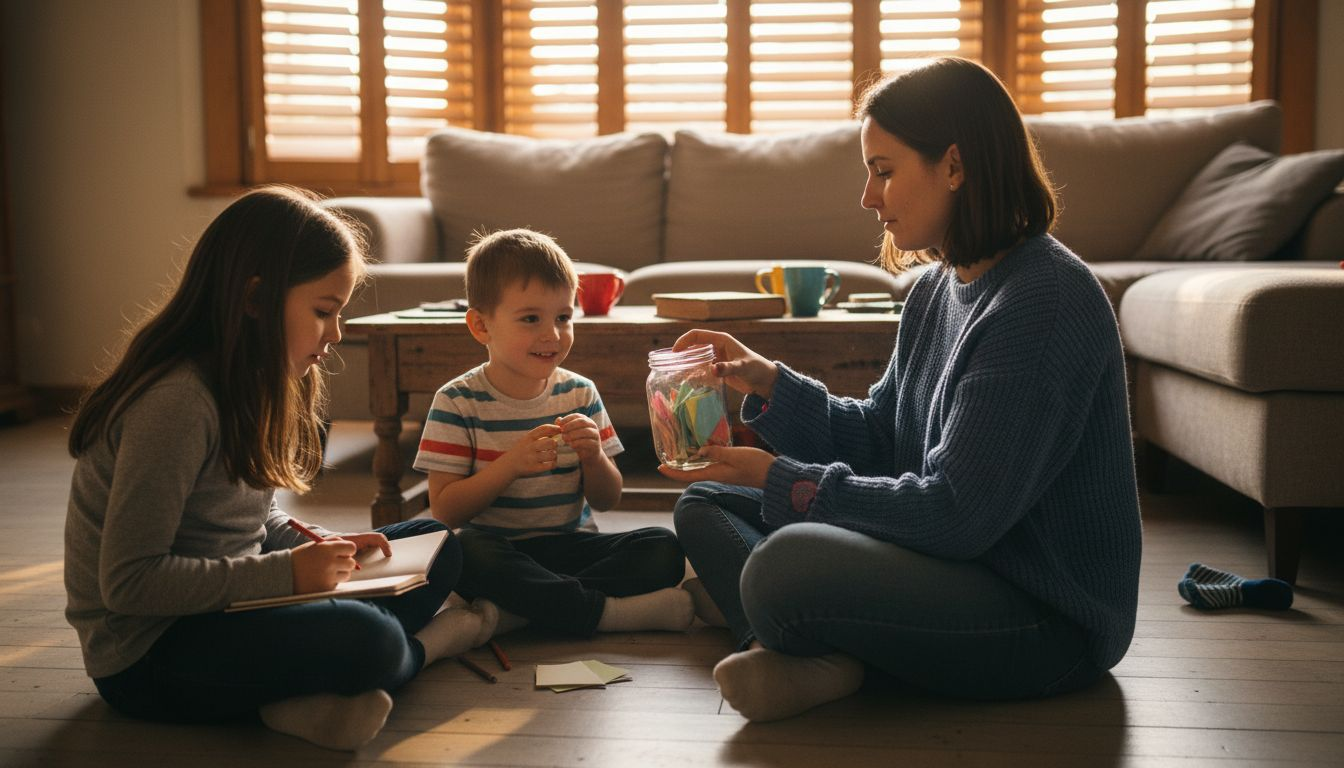
One of the most powerful things you can do is build consistent family rituals around gratitude and kindness. Rituals are different from random acts of kindness because they’re predictable, repeated, and become woven into your family’s identity. When something happens regularly, it stops feeling like a chore and starts feeling like just how your family operates. Family rituals such as grateful jars and daily naming of things to be thankful for help cultivate gratitude in children by encouraging reflection and present-moment awareness. Think about a dinner table conversation where everyone shares one thing they appreciated that day. Or a bedtime routine where your child names someone they’re grateful for. These aren’t big, elaborate activities. They’re simple, repeated moments that teach your child to actively look for good things instead of just passively experiencing life.
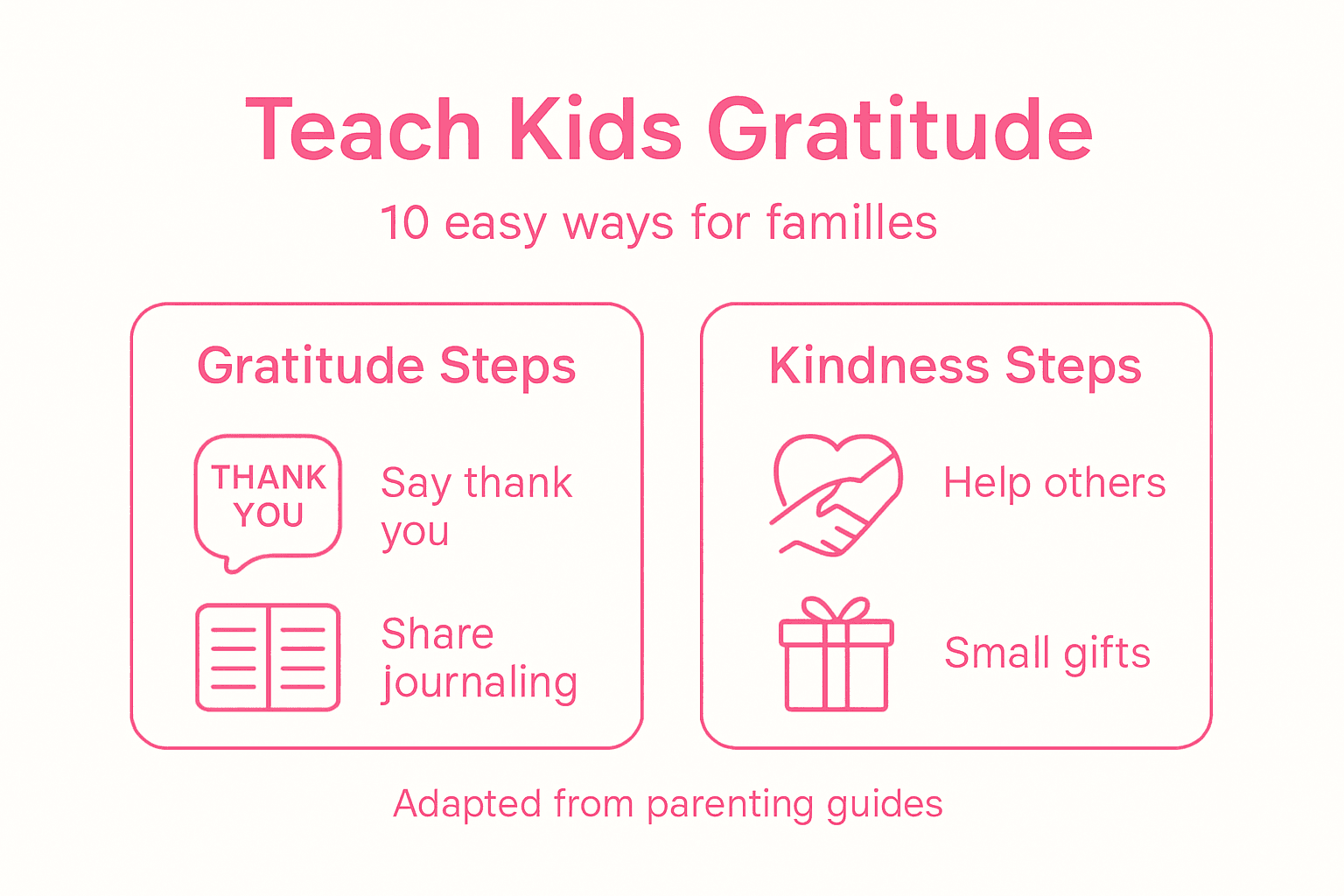
The beauty of family rituals is that they create a framework for gratitude that doesn’t require you to remember to teach it. You don’t need to plan special lessons or set aside extra time. Instead, you’re building appreciation into the moments you’re already having together. When you sit down for dinner, instead of just eating and running off, you pause and talk about small joys from the day. When you’re tucking your child into bed, you ask who they felt grateful for instead of jumping straight to sleep. These intentional moments add up. Your child starts noticing good things throughout their day because they know they’ll be sharing them at dinner. They start thinking about people they care about because it’s part of your bedtime routine. The repetition builds neural pathways that make gratitude feel natural and automatic.
You don’t need fancy supplies or complicated plans. Some of the most effective rituals cost nothing. A jar where family members write down what they appreciate and read them together during difficult weeks. A gratitude walk where you point out things you’re thankful for in your neighborhood. A kindness calendar where each day you do one small kind act together. A family meeting where you acknowledge something kind someone did without being asked. The key is consistency and making it feel like your family’s thing, not something you’re doing because you read it in an article. By modeling gratitude and linking feelings to thankful expressions, families create a supportive environment that nurtures consistent gratitude practice. When your kids see you genuinely grateful for their help, their teacher’s patience, or a friend’s support, they understand that gratitude is how your family operates.
Pro tip: Start with just one simple ritual that fits naturally into your schedule (like a gratitude moment at dinner or a goodnight appreciation conversation), let it become automatic for two weeks, then consider adding another ritual so it doesn’t feel overwhelming.
Below is a summary of key family rituals and their impact on children:
| Ritual Example | Description | Impact on Children |
|---|---|---|
| Gratitude Jar | Family writes notes of appreciation | Encourages reflection and unity |
| Thankful Dinner Moments | Everyone shares something appreciated | Builds positive family habits |
| Kindness Calendar | Practicing a kind act each day | Fosters consistent compassion |
| Gratitude Walk | Notice and discuss good things outside | Increases awareness and joy |
Modeling and Practicing Kind Actions Daily
Here’s something parents often underestimate: your kids are watching you way more than you realize. They see how you treat the cashier who’s having a rough day. They notice when you help a neighbor carry groceries. They pick up on whether you say thank you to people who do things for you. Children learn kindness and gratitude by observing adults, so your everyday behavior becomes their blueprint for how to treat the world. You don’t need to perform grand gestures of kindness. You need to show up consistently with small, genuine acts that demonstrate what kindness actually looks like in real life. When your child sees you being patient with someone who’s frustrated, helping without expecting thanks, or acknowledging someone’s effort, they’re learning that this is how people operate in your family.
But here’s the crucial part: you also need to talk about what you’re doing. Don’t just help silently and move on. Say things like “I’m going to call Grandma because I know she’s feeling lonely” or “I noticed our neighbor’s trash cans are still out, so I’m going to bring them in for him.” Verbalize your kindly intentions so your child understands the why behind the action. Then when your child does something kind, acknowledge it specifically. Instead of just saying “good job,” try “I noticed you shared your snack with your sister even though you were still hungry. That took real kindness.” This helps them connect the behavior to the value, which makes it stick. Daily modeling of kindness involves demonstrating actions that help others and verbalizing kindly intentions, giving children a clear framework for understanding and practicing kindness themselves.
Make kindness concrete through activities your family does together. Start a kindness journal where you write down kind things you saw or did that day. Create a kindness jar where family members add notes about acts of kindness they witnessed. Do kindness challenges together where you see how many kind things you can do in a week. Role-play different scenarios so your child practices what to do when someone needs help. The point is to move kindness from being an abstract concept to being something your child actively practices and reflects on. Providing opportunities for children to experience and reflect on the impact of their kind actions promotes ongoing practice. When your child sees someone smile because they helped, or gets a thank-you note from someone they were kind to, they understand firsthand that kindness matters. That’s way more powerful than any lecture about being nice.
Developing mental health habits that support emotional resilience in yourself makes modeling kindness more authentic, because you’re showing your child that you take care of your own well-being too. When kids see parents managing stress healthily and treating themselves with compassion, they learn that kindness extends to yourself as well as others.
Pro tip: After your child does something kind, ask them “How do you think that made the other person feel?” and give them time to think about it, which deepens their understanding of the connection between their actions and impact.
Creative Activities to Build Lasting Empathy
Empathy isn’t something your child inherits. It’s a skill you build through practice, conversation, and experience. The good news is that building empathy can actually be fun. When you move beyond lectures about being nice and instead create activities where your child actively practices understanding how others feel, something shifts. Creative empathy-building activities include perspective-taking exercises and reflective discussions that cultivate compassion and social-emotional learning. Think about perspective-taking exercises where you ask your child questions like “How do you think your friend felt when nobody picked them for the team?” or “What do you think Grandpa’s day was like when he was our age?” These conversations help your child step into someone else’s shoes, which is the heart of empathy. Or try role-playing scenarios where your child practices responding to different situations. What do you do if someone’s crying? What if someone made a mistake and feels embarrassed? When kids actually practice these moments, they’re building neural pathways that make empathetic responses feel more natural in real life.
One of the most powerful activities is a gratitude and challenges sharing circle, which sounds more formal than it is. Basically, you sit together and each person shares something they’re grateful for and something difficult they experienced (kids call these “grumbles”). Activities like sharing circles where children express gratitudes and challenges help them develop emotional awareness and empathy. When your child hears that their sibling is grateful their friend included them at lunch, but also grumbled about feeling left out earlier that week, they start understanding that people have complex feelings all at once. They’re not just happy or sad. They’re navigating both. This kind of emotional awareness is the foundation of real empathy. You can add gratitude breathing exercises where you breathe in positive feelings and breathe out worries together. You can start a family gratitude journal where everyone contributes what they noticed and how it made them feel.
Here’s a practical activity that works with busy schedules: kindness interviews. Pick someone your child knows (a teacher, coach, neighbor, relative) and have your child ask them about a time someone was kind to them and how it affected them. Listen to the stories together. When your child hears real examples of how kindness changed someone’s day or perspective, it becomes concrete instead of theoretical. Another simple one is a kindness photo hunt where you go through your day looking for moments of kindness happening around you. At the store, the library, at school. Take mental notes or photos if appropriate. Then talk about what you saw. Your child starts noticing the invisible web of kindness that already exists in the world, which makes them more aware of opportunities to add to it themselves.
Pro tip: Keep activities short and low-pressure; a five-minute gratitude circle at dinner or a quick perspective-taking question while driving is more effective than forcing a long activity that feels like homework.
Cultivating Gratitude and Kindness Starts with a Balanced Home
Raising children who understand the true meaning of gratitude and kindness takes more than just teaching good manners. It means creating an environment where these virtues naturally grow alongside skills like organization and emotional resilience. If you are looking to support your family in building these essential qualities while managing the daily challenges of busy life, creating calm and well-structured spaces can make a powerful difference. When your home runs smoothly, you have more time and energy to engage in meaningful rituals and model the kind behavior that helps children develop empathy and appreciation.
Discover practical ways to transform your family life with proven organization hacks, time management tools, and home management systems that reduce stress and foster positive habits. Start today by exploring helpful strategies that align perfectly with teaching gratitude and kindness in everyday moments. Learn how simple living supports emotional well-being and turns family rituals into joyful traditions. Don’t wait to create the peaceful, efficient environment your children need to thrive both emotionally and socially. Take the first step toward a more balanced and grateful family life.
Frequently Asked Questions
What is the difference between gratitude and kindness for kids?
Gratitude is recognizing and appreciating others’ efforts, while kindness involves taking voluntary actions to help others, even at a cost to oneself. Both qualities help develop emotional and social skills in children.
How can I help my child practice gratitude daily?
Encourage your child to share things they are thankful for during family meals or before bedtime. Creating a gratitude jar where they write notes of appreciation can also make gratitude a consistent practice.
What are some effective ways to model kindness for my children?
You can model kindness by performing small, genuine acts in front of your children, such as helping a neighbor or thanking service workers. Verbalizing your intentions, like sharing why you are helping, reinforces the lesson.
How can I encourage my child to recognize moments of kindness in their daily life?
Start conversations by asking your child to notice acts of kindness they see around them, such as someone sharing or helping. Discuss how these actions made others feel, which connects their observations to the value of kindness.
Recommended
- 5 Easy and Delicious Recipes to Cook with Your Kids This Weekend – It’s a Southern Life Ya’ll
- How to Use Inspirational Quotes to Build Stronger Family Values – It’s a Southern Life Ya’ll
- Teaching Kids About Money: Southern Values & Practical Tips That Actually Stick – It’s a Southern Life Ya’ll
- Best Educational Gifts for Children They Will Love – Expert Comparison 2025 – It’s a Southern Life Ya’ll
Keep reading: more parenting help
Want a little more help with this? I made a free Age-by-Age Chore Chart that pairs right up with this post — y’all can grab it over on my Free Resources page.