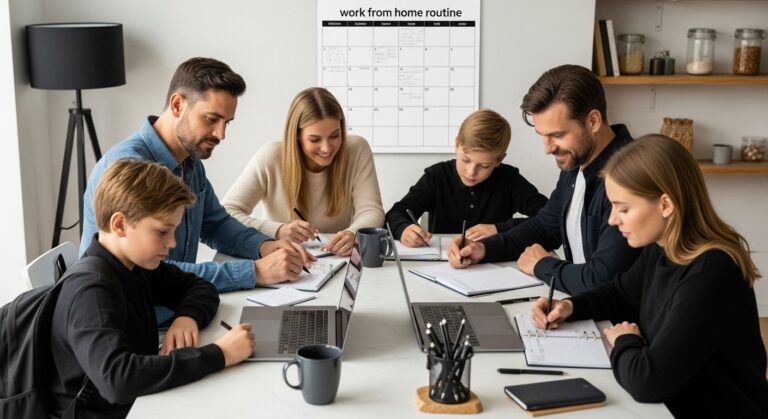

7 Essential Productivity Hacks for Parents with Kids
Over half of American families say that keeping up with daily routines and organization is a constant struggle. With busy schedules, growing to-do lists, and piles of paperwork, even the most well-intentioned parents can feel overwhelmed. Finding simple, practical strategies can make a dramatic difference in household harmony. This guide brings together proven methods that help American families take control, save time, and create a sense of order everyone can appreciate.
Table of Contents
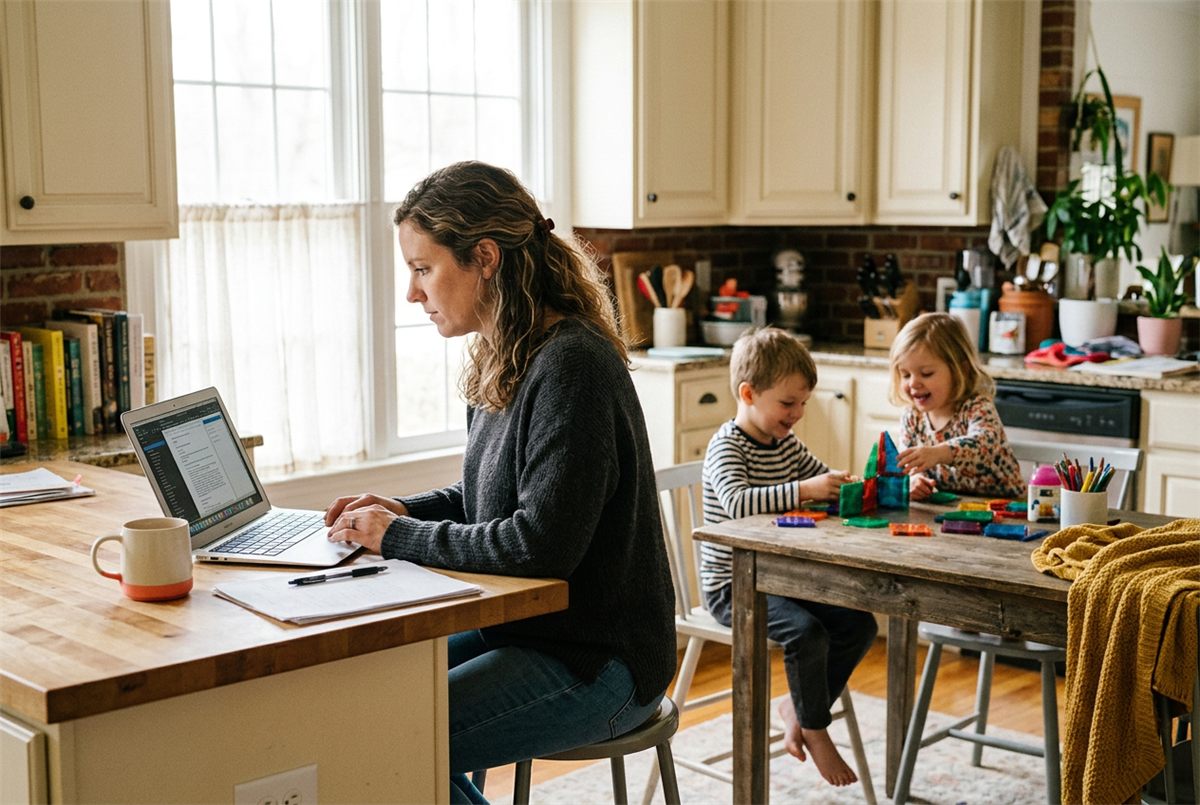
- Create a Family Command Center at Home
- Use Time Blocking for Family and Work Tasks
- Simplify Meal Planning with Weekly Templates
- Set Up Kid-Friendly Routines and Visual Schedules
- Declutter Toys and Organize Play Areas Efficiently
- Automate Recurring Bills and Basic Home Tasks
- Set Realistic Goals and Practice Self-Care Daily
Quick Summary
| Takeaway | Explanation |
|---|---|
| 1. Establish a Family Command Center | Create a centralized space in your home for tracking schedules, chores, and important documents. It helps improve organization and communication for the entire family. |
| 2. Implement Time Blocking Techniques | Use time blocking to allocate specific time slots for family and work tasks, reducing overwhelm and increasing productivity through structured scheduling. |
| 3. Utilize Weekly Meal Planning Templates | Design weekly templates for meals to eliminate the stress of daily meal decisions and ensure balanced nutrition for your family. |
| 4. Create Kid-Friendly Visual Schedules | Implement visual schedules with picture cards to help children understand their daily responsibilities, reducing anxiety and promoting independence. |
| 5. Practice Consistent Self-Care | Regularly prioritize self-care as a parent to prevent burnout, model healthy behavior, and enhance overall family dynamics and resilience. |
1. Create a Family Command Center at Home
Imagine having one central hub where your family’s entire life comes together seamlessly. A family command center is your secret weapon for staying organized, reducing stress, and keeping everyone on the same page.
A well-designed command center transforms a chaotic household into a streamlined operation. This dedicated space helps track schedules, manage important documents, and create a visual communication system that works for everyone from kids to parents. By establishing a centralized organization system, you can dramatically improve your family’s daily efficiency.
Key Elements of an Effective Family Command Center:
- Location Matters: Choose a high traffic area like the kitchen, entryway, or hallway where family members naturally pass through
- Wall Space Essential: Use a combination of whiteboards, bulletin boards, calendars, and hanging file systems
- Color Code Everything: Assign different colors to each family member for easy visual tracking
Drawing inspiration from home organization strategies, your command center should be both functional and visually appealing. Include sections for:
- Family Calendar
- Incoming Mail and Important Papers
- Chore Charts
- Weekly Meal Planning
- Emergency Contact Information
Remember that creating this space is about making information accessible and visible. When everyone knows where to look for critical information, communication becomes smoother and stress levels drop.
Pro Tip: Make your command center interactive by involving all family members in its design and maintenance. This not only helps everyone stay organized but also teaches valuable life skills about communication and planning.
2. Use Time Blocking for Family and Work Tasks
Time blocking is like creating a roadmap for your day that helps you navigate through family and work responsibilities with precision and peace. Instead of letting tasks control you, you take control of your schedule by intentionally allocating specific time slots for different activities.
Using time blocking techniques, you can transform chaotic days into structured, productive experiences. This method helps parents juggle multiple responsibilities by creating clear boundaries and focused work periods.
Why Time Blocking Works for Families:
- Reduces mental overwhelm by providing a clear schedule
- Increases productivity through concentrated work periods
- Helps balance family time and professional responsibilities
- Creates predictability for children and parents
Practical Time Blocking Strategies:
- Morning Planning Session: Spend 15 minutes each evening planning the next day
- Color Code Your Calendar: Assign different colors for work, family, and personal tasks
- Create Flexible Blocks: Allow buffer time between scheduled activities
Research from Stanford University’s time management methods suggests breaking your day into intentional segments. Start by mapping out non negotiable commitments like work meetings, children school schedules, and essential family times.
Pro Tip: Include buffer blocks in your schedule. These are 15 to 30 minute windows that allow for unexpected interruptions or tasks that might take longer than anticipated. This approach prevents your entire day from derailing when something unexpected happens.
Remember that time blocking is not about rigid perfection but creating a flexible framework that supports your family goals. Be kind to yourself and adjust your blocks as needed. The goal is progress, not impossible precision.
3. Simplify Meal Planning with Weekly Templates
Meal planning is not just about deciding what to eat it is a strategic approach to reducing stress, saving money, and ensuring your family enjoys nutritious meals. By creating weekly meal templates, you transform chaotic dinner times into smooth, organized experiences.
Research from time management strategies highlights the significant benefits of using weekly templates to plan meals, including reducing decision fatigue and maintaining balanced nutrition.
Why Weekly Meal Templates Work:
- Eliminates daily stress of “What’s for dinner?”
- Reduces impulse food purchases
- Helps track nutritional balance
- Saves time and mental energy
Creating Your Perfect Meal Template:
- Choose a Planning Day: Select a consistent day each week for meal prep
- Involve Family Members: Let kids help choose meals
- Prep Ingredients in Advance: Chop vegetables, marinate meats
- Stock Versatile Pantry Staples: Keep flexible ingredients on hand
Adopting weekly meal planning approaches can dramatically simplify your family’s nutrition strategy. Start with a simple template that includes protein, vegetables, and a grain for each dinner. Rotate meal types to keep things interesting without overwhelming yourself.
Pro Tip: Create a digital or physical template with sections for breakfast, lunch, dinner, and snacks. Use color coding or separate columns to track ingredients, cooking times, and potential allergens. This visual approach makes meal planning feel less like a chore and more like a family planning activity.
Remember that flexibility is key. Some weeks will be more structured than others, and that is perfectly okay. The goal is to reduce stress, not create additional pressure on yourself.
4. Set Up Kid-Friendly Routines and Visual Schedules
Imagine transforming daily chaos into a smooth family rhythm where children know exactly what to expect and when. Visual schedules are powerful tools that turn overwhelming day-to-day activities into predictable, manageable experiences for kids.
Time management research highlights the importance of structured scheduling for children, demonstrating how visual cues can help kids understand and navigate their daily responsibilities.
Benefits of Visual Schedules:
- Reduces anxiety about upcoming activities
- Builds independence in children
- Creates a sense of predictability
- Minimizes daily negotiations and conflicts
Creating an Effective Visual Schedule:
- Use Picture Cards: Represent tasks with colorful images
- Place Schedule at Child Height: Ensure kids can see and interact
- Update Regularly: Adjust as children grow and routines change
- Include Reward Sections: Motivate children with positive reinforcement
Adapting morning routine strategies can make a significant difference in how smoothly your family starts each day. Consider creating a magnetic board or laminated chart where children can move task cards as they complete them.
Pro Tip: Make schedule creation a collaborative activity. Let kids help design their visual schedule, choosing images and arranging tasks. This approach increases their buy-in and makes following the routine feel like a fun game rather than a chore.
Remember that consistency is key. Visual schedules work best when implemented with patience and positive reinforcement. Some days will be more successful than others, and that is perfectly normal.
5. Declutter Toys and Organize Play Areas Efficiently
Let us face it children can turn any space into a tornado of toys faster than you can say bedtime. Transforming chaotic play areas into organized sanctuaries is not just about cleanliness it is about creating functional spaces that support your child’s creativity and independence.
Homeschool space strategies demonstrate how strategic organization can maximize existing areas and repurpose furniture to create efficient storage solutions for toys and play materials.
The Benefits of an Organized Play Space:
- Reduces daily stress for parents
- Teaches children responsibility
- Creates easier cleanup routines
- Helps children find and appreciate their toys
Practical Toy Decluttering Strategies:
- Rotate Toy Collections: Store some toys out of sight and swap monthly
- Use Clear Storage Bins: Make toys visible and easy to access
- Create Designated Play Zones: Assign specific areas for different activities
- Implement the One In One Out Rule: Remove a toy when a new one arrives
Adopting storage space solutions can transform how your family manages play areas. Consider vertical storage options like wall mounted shelves or hanging organizers to maximize space and keep floors clear.
Pro Tip: Make decluttering a family activity. Create a game out of sorting toys where kids earn points for donating items they no longer use. This approach teaches valuable lessons about generosity and minimalism while making organization feel fun.
Remember that perfection is not the goal. A slightly messy play area that sparks joy and creativity is far more important than a sterile museum-like space.
6. Automate Recurring Bills and Basic Home Tasks
Imagine reclaiming hours of your life by eliminating repetitive tasks that drain your energy and mental bandwidth. Automation is not just a tech buzzword it is a strategic approach to managing your family responsibilities more efficiently.
Research on time management strategies emphasizes the critical importance of reducing manual effort through smart automation techniques.
Automation Benefits for Busy Parents:
- Eliminates mental load of tracking multiple tasks
- Reduces chances of late payments or missed deadlines
- Creates consistent household management
- Frees up time for meaningful family interactions
Practical Automation Strategies:
- Set Up Automatic Bill Pay: Connect utility and subscription bills to your bank account
- Use Recurring Grocery Delivery Services: Schedule regular household supply deliveries
- Implement Smart Home Technology: Program thermostats, lighting, and security systems
- Create Digital Chore Tracking Systems: Use apps that assign and track family responsibilities
Leveraging time management tools can transform how your family handles daily tasks. Consider digital solutions that integrate multiple functions and provide real time tracking and notifications.
Pro Tip: Start small by automating just 2 or 3 recurring tasks. Choose the most time consuming or frequently forgotten activities first. As you become comfortable with automation, gradually expand your digital support system.
Remember that automation is about working smarter, not harder. The goal is to create systems that support your family goals while reducing unnecessary stress.
7. Set Realistic Goals and Practice Self-Care Daily
Parents often forget that taking care of themselves is just as crucial as taking care of their family. Self-care is not a luxury it is a necessary strategy for maintaining your mental health, energy, and overall effectiveness as a parent.
Goal setting research demonstrates that realistic goal setting and consistent self-care practices are fundamental to maintaining personal and family well-being.
Why Self-Care Matters for Parents:
- Prevents burnout and emotional exhaustion
- Improves overall family dynamics
- Models healthy behavior for children
- Increases personal resilience
Practical Self-Care Strategies:
- Start Small: Choose 10 minute daily rituals
- Schedule Self-Care Like Appointments: Block non negotiable personal time
- Create Realistic Goals: Use specific, achievable targets
- Practice Micro Moments of Restoration: Deep breaths, short meditations
Adopting self-care techniques can transform how you approach daily challenges. Consider creating a personal wellness dashboard that tracks your physical, emotional, and mental health indicators.
Pro Tip: Remember that self-care looks different for everyone. What recharges one parent might not work for another. Experiment with various strategies and be compassionate with yourself in the process.
Ultimately, prioritizing your well-being is not selfish it is the most loving action you can take for yourself and your family.
Below is a comprehensive table summarizing strategies for organizing family life, as discussed throughout the article.
| Strategy | Implementation | Benefits |
|---|---|---|
| Family Command Center | Choose a high traffic area; use whiteboards/calendars; color code for each family member. | Enhances organization and reduces stress by centralizing schedules and documents. |
| Time Blocking | Plan daily tasks; use color coding; include flexible blocks for unexpected tasks. | Increases productivity, reduces stress, and improves work-family balance. |
| Weekly Meal Planning | Create a template; involve family in meal choices; prep ingredients in advance. | Saves time, reduces stress, ensures healthy meals, and cuts costs. |
| Visual Schedules for Kids | Use picture cards; keep schedules at child height; update regularly. | Builds independence, reduces anxiety, and creates predictability for children. |
| Decluttering Toys | Use clear bins; rotate toys regularly; designate play zones. | Reduces stress, teaches responsibility, and facilitates easier cleanup. |
| Automating Tasks | Set up automatic bill pay; use grocery delivery; implement smart home tech. | Eliminates tracking stress, ensures timely bill payments, and frees up time. |
| Self-Care for Parents | Schedule personal time; set realistic goals; practice micro-restoration moments. | Prevents burnout, improves family dynamics, and enhances personal well-being. |
Unlock Family Productivity and Peaceful Living Today
Feeling overwhelmed by the daily juggle of family schedules and household tasks is common for busy parents. This article’s focus on creating a family command center, using time blocking, and simplifying meal planning highlights the core challenges many parents face: staying organized, reducing stress, and maintaining balance in a hectic life. The pain points of chaotic schedules, scattered information, and decision fatigue are directly addressed through clear, practical strategies like visual schedules and automation.
If you want to turn these productivity hacks into lasting results, discover proven organization hacks, time management tools, and home management systems at Its A Southern Life Y’all. From decluttering solutions to simple living strategies these resources are designed to help families just like yours create calm, efficient, and joyful homes. Take control of your family routines now. Visit Its A Southern Life Y’all to explore helpful tips on weekly meal planning and time blocking techniques that will revolutionize your everyday life.
Start transforming your home and life today. Learn more and make progress toward a peaceful organized space tailored for busy families at Its A Southern Life Y’all. Your most efficient lifestyle awaits.
Frequently Asked Questions
How can a family command center improve productivity for parents?
Creating a family command center centralizes important information and schedules in one accessible location. Set it up in a high-traffic area of your home, and involve your kids in organizing it. This can improve family communication and reduce daily stress levels.
What is time blocking, and how can it help busy parents?
Time blocking is a scheduling technique that designates specific time slots for different tasks, which helps parents manage both work and family responsibilities effectively. Start by planning your schedule the night before, allocating dedicated blocks for work and family activities to create a smoother daily flow.
How can I simplify meal planning for my family?
Using weekly meal templates can greatly simplify the dinner process by reducing the daily stress of meal decisions. Choose a consistent day for meal prep, involve your kids in selecting meals, and create a visual template for tracking ingredients and cooking times, aiming to streamline your weekly routine.
What are visual schedules, and how do they benefit children?
Visual schedules are tools that display daily tasks using images, helping children understand what to expect throughout the day. Create a colorful schedule at your child’s eye level with tasks they can check off, making daily routines clearer and promoting independence in managing responsibilities.
How can I effectively declutter toys in my home?
To declutter toys effectively, implement a rotating system by storing some toys out of sight and swapping them monthly. Encourage your children to participate in the process, as teaching them to sort and donate toys can create a cleaner play area and instill a sense of responsibility.
What are practical steps to automate household tasks?
Start automating household tasks by setting up automatic bill payments for regular expenses. Identify two or three tasks that take up most of your time and automate them, like grocery deliveries or chore tracking, to free up more time for family activities.
Recommended
- Understanding Productivity Tips for Parents Guide – It’s a Southern Life Ya’ll
- Productivity Killers and How to Overcome Them –
- Time Blocking Guide for Parents – It’s a Southern Life Ya’ll
- The Top 5 Ways To Save Money While Raising Kids in 2024 – It’s a Southern Life Ya’ll
- Making Learning Fun: Engaging Activities for Your Kids – The Zoofamily
Want a little more help with this? The Sunday Blueprint is the fifteen-minute ritual that sets the whole week’s rhythm before it starts.